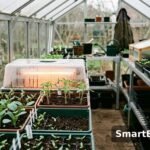
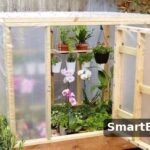
Should I heat my greenhouse in winter? It’s the question every new greenhouse owner asks around this time of year, usually while staring at heater prices and electricity tariffs with a sinking feeling. I’ve run my greenhouse both ways — heated and unheated — over more seasons than I can count, and I’m going to give you the honest answer most gardening guides dance around: for most hobby growers, with most plants, the answer is no, you don’t need to. But the full answer depends entirely on what you’re growing, and getting it wrong can cost you a whole collection in a single cold snap. Let me walk you through how to decide.
Table of Contents
The Honest Short Answer
If you’re growing hardy and half-hardy plants, overwintering dormant perennials, or just using the greenhouse as a frost buffer — you almost certainly don’t need heating. An unheated greenhouse, especially one lined with bubble wrap, stays several degrees warmer than outside, and that margin protects a huge range of plants.
If you’re trying to keep tender plants actively growing through winter — citrus, tender pelargoniums, overwintering chillies, tropical houseplants — then yes, you need some heat, or you need to move those plants indoors. There’s no trick that keeps a frost-tender plant alive at -5°C without adding warmth.
Most beginners overestimate how much heat they need and underestimate how much protection an unheated greenhouse already gives. Let’s break it down properly.
When You Can Safely Skip Heating
You can skip heating entirely if your greenhouse’s winter job is any of these:
Sheltering half-hardy plants. Plants rated H3 on the RHS hardiness scale — things like many fuchsias, agapanthus, olive trees, and Mediterranean herbs — survive winter in an unheated greenhouse in most of the UK. The glass takes the edge off frost, wind, and winter wet, which is what actually kills most of these plants outdoors.
Overwintering dormant plants. Dormant dahlias, cannas, and tender bulbs don’t need warmth — they need to stay dry and frost-free-ish. An unheated greenhouse is perfect.
Storing tender plants that tolerate cool. Pelargoniums kept dry and cool, overwintering geraniums, and dormant figs do fine unheated as long as temperatures don’t plunge far below freezing for long stretches.
Growing winter salads and hardy crops. Winter lettuce, spinach, and herbs actively grow in an unheated greenhouse — they don’t want heating, which would just make them leggy and soft.
The pattern is simple: if your plants are sleeping or are bred for cold, heating is money burned for nothing.
Signs Your Greenhouse Does Need Some Heat
Heating earns its keep when:
- You’re keeping plants that are actively growing through winter and are rated H1c–H2 (tender) — citrus trees, tender fuchsias, overwintering peppers and chillies, orchids, tropical plants.
- You want to start seeds early — tomatoes and peppers in February need a heated propagator or a heated greenhouse corner, not a whole heated structure.
- Your greenhouse is in a frost pocket or an exposed, cold part of the country, where unheated minimums regularly drop below -5°C.
- You’ve invested serious money in a tender collection. This is the cold maths: if replacing your plants costs £200 and heating for the winter costs £60, heating is the rational choice.
The question isn’t really “should I heat my greenhouse in winter” in the abstract — it’s “what’s the most cold-sensitive thing in there, and what does it need?”
What an Unheated Greenhouse Really Holds in Winter
Let’s put numbers on it, because vague reassurance helps nobody. In a typical UK winter, an unheated, uninsulated greenhouse stays roughly 2–4°C above the outside night temperature. Line it with bubble wrap — the single best cheap upgrade — and that margin grows to about 4–8°C above outside.
So on a night when it’s -2°C outside, your bubble-wrapped greenhouse is sitting around 2–6°C inside. That’s frost-free, and frost-free is the magic line for a huge range of plants. On a brutal -8°C night, you’re looking at roughly 0 to -4°C inside — and that’s when tender things die.
This is why a max/min thermometer is the most important winter tool you own. Don’t guess your greenhouse temperature; measure it. Put the thermometer in the middle of the greenhouse at plant height, not next to the door or the glass. After two weeks of readings, you’ll know exactly what your structure does on cold nights, and the heating question answers itself.
No-Heater Tricks That Actually Work
Before you buy any heater, squeeze every free degree out of the structure. These are the measures I use every winter, and together they’re worth more than a cheap heater:
Bubble wrap insulation. Line the inside of the glass with large-bubble horticultural bubble wrap. It cuts heat loss dramatically — up to around a third by most estimates — and it also diffuses light and reduces condensation drips. Leave the roof vents clear so you can still ventilate.
Thermal mass. Water is the best heat battery you have. Dark-coloured containers of water — even just a few large jerry cans — absorb warmth during the day and release it slowly at night. Bricks, stone, and concrete staging do the same job on a smaller scale.
The curtain trick. Hang a curtain of bubble wrap or double horticultural fleece from the roof to the floor around your most tender plants, creating a smaller warm zone inside the greenhouse. Heating a 2m² curtained corner is vastly cheaper than heating the whole structure.
Fleece over plants. On the coldest nights, drape horticultural fleece directly over vulnerable plants. It’s the plant equivalent of a duvet, and it adds a couple of precious degrees right where it matters.
Seal the gaps. Greenhouses leak heat through every ill-fitting pane and gap. A draught survey on a windy day — feel for cold air streaming in — followed by some clip and sealant work, is free warmth.
Ventilate on sunny days. It sounds backwards, but opening vents on bright winter days prevents the damp, stagnant air that causes grey mould and rots overwintering plants. Close everything up well before sunset.
If You Do Heat: Electric vs Paraffin vs Gas
If you’ve decided heating is justified, here’s the honest comparison:
Electric fan heaters are the default choice for most hobby greenhouses, and for good reason. They’re controllable — get one with a thermostat — they circulate air which prevents cold corners and fungal problems, and they’re clean and safe. The downside is running cost: electricity is the most expensive heat per unit. But because you can thermostat them to just frost-free (around 4°C), the actual winter bill for a small greenhouse is often £50–100 for the season, which surprises most people.
Electric tubular heaters are cheaper to buy and sip electricity, but they don’t circulate air, so you can get cold spots. They’re fine for a small, well-insulated greenhouse kept just frost-free.
Paraffin heaters are cheap to run and need no electricity supply, which matters if your greenhouse has no power. The downsides are real, though: they produce moisture (raising humidity and disease risk), they need ventilation for safe combustion, and temperature control is crude.
Gas heaters — bottle gas or mains — sit between paraffin and electric on running costs, but share paraffin’s moisture and ventilation issues, plus the faff of gas bottles.
My take after years of all of them: if you have electricity to the greenhouse, a thermostatically controlled electric fan heater set to frost-free is the best answer for 90% of hobby growers who decide to heat. The controllability is worth the premium.
For the full technical detail on heater types and energy-saving, RHS’s guide to heating greenhouses efficiently is the authoritative reference — it’s what I check my own setup against.
How Much Warmth Common Plants Really Need
This is the table I wish someone had given me when I started:
- Winter salads, hardy herbs, overwintering broad beans: happy unheated, down to about -5°C inside.
- Half-hardy perennials (H3) — agapanthus, olive, hardy fuchsias: fine unheated in most of the UK; fleece them in severe spells.
- Dormant dahlias, cannas, gladioli: need dry and frost-free-ish; unheated is fine, protect below about -3°C inside.
- Tender pelargoniums, overwintering chillies: want frost-free minimum, around 4–5°C — this is where a small heater earns its money.
- Citrus, bougainvillea: want 5–7°C minimum through winter — heated greenhouse or a bright cool room indoors.
- Orchids, tropicals: want 10°C+ — honestly, these belong in the house, not in a hobby greenhouse in January.
Notice how few common greenhouse plants actually need a heated structure. Most of the winter greenhouse is perfectly happy cold.
My Personal Verdict After Years of Both
Here’s what I actually do now, after heating religiously for years and then questioning all of it: I don’t heat the main greenhouse at all. It’s bubble-wrapped, it has water containers for thermal mass, and the thermometer tells me it stays frost-free except in the very worst spells — when I throw fleece over the vulnerable things and accept the risk.
What I do heat is one small propagator on a thermostat, for February seed sowing, and one curtained corner with a tiny tubular heater set to frost-free for the half-dozen genuinely tender plants I can’t bear to lose. My winter electricity bill for the greenhouse is a fraction of what it was when I heated the whole structure, and I’ve lost fewer plants, not more — because the plants are now all things suited to the conditions instead of tropicals I was forcing through January.
If you’re just starting out, my advice is: run one winter unheated with a thermometer and see what happens. You’ll learn your greenhouse’s real behaviour, you’ll spend nothing, and most of your plants will be completely fine. You can always add heat later — but you can’t un-spend the money.
For a deeper dive into the heating methods themselves — costs, heater types, and insulation — I’ve covered the practical side in my guide to heating a greenhouse in winter.
Conclusion
So — should you heat your greenhouse in winter? For most hobby growers, with hardy and half-hardy plants, the honest answer is no. An unheated, well-insulated greenhouse with a thermometer and some fleece for emergencies handles a normal UK winter for the vast majority of plants people actually grow. Reserve heating for the genuinely tender things, heat the smallest space you can get away with, and let the rest of the greenhouse do what it does best: take the edge off winter for free. Your plants — and your electricity bill — will thank you.
Frequently Asked Questions
Will my plants die in an unheated greenhouse in winter?
Most hardy and half-hardy plants won’t — an unheated greenhouse stays several degrees warmer than outside, which is enough for dormant plants, winter salads, and Mediterranean-type plants in most of the UK. Truly tender plants (citrus, tropicals) need heat or need to come indoors.
What’s the cheapest way to heat a small greenhouse?
Insulate first with bubble wrap — it cuts heat loss by up to a third and costs very little. Then, if you still need heat, a small thermostatically controlled electric tubular heater set to frost-free (about 4°C) is the cheapest controllable option for a hobby greenhouse.
What temperature should a greenhouse be in winter?
It depends on the plants. Hardy and half-hardy plants are fine with whatever an unheated greenhouse provides. For tender plants, aim for frost-free (minimum 4°C); citrus prefers 5–7°C. There’s no single right temperature — match it to your most sensitive plant.
Do I need to heat my greenhouse at night only?
Night is when heat matters — that’s when temperatures plunge. A thermostat set to kick in only when the temperature drops below your target (say 4°C) effectively means night-only heating, since winter days rarely need topping up. This is the most economical way to heat.
Can I use a regular fan heater in a greenhouse?
You can, but buy one rated for greenhouse or damp-environment use — standard indoor heaters aren’t built for the humidity. Greenhouse fan heaters with thermostats are widely available, circulate air to prevent cold spots, and are the most controllable heating option for hobby growers.