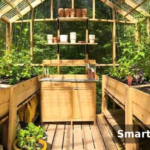
Greenhouse gardening for beginners is a wonderful way to grow fresh vegetables, herbs and salad leaves at home, even when the British weather seems determined to get in the way. A greenhouse gives plants a more sheltered place to grow, helps you get an earlier start in spring and can keep crops productive for longer into autumn. Best of all, you do not need years of gardening experience or a greenhouse full of expensive equipment to get started.
Table of Contents
When you first look at greenhouse gardening, it can seem as though there is a great deal to learn. You might wonder which greenhouse to buy, what to grow first, how often to water your plants and whether you need heating. These are all sensible questions, but the answers are usually simpler than you might expect.
My advice is to start small, choose a few straightforward crops and learn how your greenhouse behaves throughout the seasons. A handful of lettuce seedlings, some radishes and a couple of tomato plants can teach you plenty without turning gardening into a full-time job.
You also do not need a large garden. Depending on your available space, a compact greenhouse, a small lean-to structure or even a covered growing area may be enough to begin. What matters most is choosing a practical setup that gets sufficient light and allows you to reach your plants easily.
In this guide, I will explain how to choose your first greenhouse, which tools are worth buying, how to set everything up and what to grow during your first year. The aim is to help you build confidence, avoid common mistakes and enjoy the process rather than worry about getting everything perfect.
Why Greenhouse Gardening for Beginners Is Worthwhile
One of the biggest advantages of growing plants under cover is the extra control it gives you. Outdoor gardening depends heavily on rainfall, temperature, wind and whatever the season happens to bring. A greenhouse cannot eliminate every challenge, but it can make growing conditions more manageable.
Enjoy a Longer Growing Season
A greenhouse traps warmth from the sun, allowing temperatures inside to rise above those outdoors during suitable weather. This can help seeds germinate earlier in spring and give established plants more time to produce crops before colder conditions arrive.
For example, you may be able to sow some salad leaves earlier than you would comfortably manage outside. Tomato and cucumber plants can also benefit from a sheltered growing environment once temperatures are suitable.
Remember that a greenhouse is not automatically warm at every hour of the day. Temperatures can drop considerably overnight, particularly in an unheated structure. Check the conditions inside rather than assuming that protection from rain means protection from frost.
Protect Plants from Unsettled Weather
Strong winds, heavy rain and sudden cold spells can damage young plants. A greenhouse provides a useful barrier against many of these conditions, making it easier to care for delicate seedlings and newly established crops.
You can also move trays around to give young plants a more sheltered position when the weather changes. This flexibility is particularly helpful during the early stages of spring, when daytime sunshine can be followed by a chilly night.
However, a greenhouse needs to be securely installed. Strong winds can damage poorly anchored structures, while heavy snow may place pressure on some roofs. Choose a greenhouse designed for your conditions and follow the manufacturer’s installation instructions.
Start Growing Food Earlier
Growing your own food is satisfying, especially when you can harvest something fresh for the kitchen. With a suitable greenhouse, you can get certain crops started earlier than you might outdoors.
Fast-growing radishes and salad leaves are good examples. Instead of waiting until the weather is consistently warm, you can use a sheltered environment to experiment with earlier sowings, provided the temperature and light levels are suitable.
A greenhouse also makes it easier to keep several crops going at different stages. While one tray of lettuce is ready to harvest, another can be growing in a separate container.
Make Gardening More Flexible
A greenhouse creates space for activities that can be awkward outdoors. You can pot up seedlings on a shelf, protect young plants while they establish themselves and keep compost and small tools close at hand.
This does not mean every plant belongs under cover. Many vegetables grow perfectly well outside, and some crops need the cooler conditions of an open garden. Think of your greenhouse as an additional growing area rather than a replacement for the rest of your garden.
Choosing Your First Greenhouse
Your first greenhouse does not have to be large or expensive. The best choice depends on your available space, budget, intended crops and willingness to maintain the structure.
Decide on the Right Size
Before buying anything, measure the space carefully. Consider the width and length of the greenhouse, but also leave room for the door to open and for you to move around outside it.
A mini greenhouse can suit balconies, patios and very small gardens. It usually costs less and needs less space, although the growing area and ventilation options may be limited.
A compact walk-in greenhouse offers more room for shelving and larger plants. If your budget and garden allow it, choosing a little more space than you think you need can prevent overcrowding later.
The important point is accessibility. You should be able to reach plants at the back, water containers comfortably and open vents without struggling between pots.
Glass, Polycarbonate or Plastic?
Greenhouses are available in several materials, each with advantages and drawbacks.
Glass greenhouses let in plenty of light and can last for many years when properly installed and maintained. They are often attractive and suitable for permanent garden setups. However, glass can break, and a sturdy base and suitable installation are important.
Polycarbonate greenhouses use plastic panels rather than traditional glass. The panels are generally lighter and less prone to dangerous shattering. Some twin-wall panels provide useful insulation, although light transmission and durability vary between products.
Plastic-covered greenhouses are often the least expensive option. They can work well for beginners who want to test greenhouse growing without committing to a permanent structure. The cover and frame may not last as long as a well-built glass greenhouse, so check the quality before purchasing.
There is no single best material for every gardener. Compare the price, expected lifespan, light transmission, strength and ease of replacement before making your decision.
Choose a Sunny, Sheltered Position
Most fruiting greenhouse crops, including tomatoes and cucumbers, need plenty of light. Choose a position that receives good sunlight for much of the day, especially during the main growing season.
Avoid placing the greenhouse in deep shade from a building, tall fence or evergreen tree. At the same time, try to avoid an exposed spot where strong winds could put excessive pressure on the structure.
Access to water is another practical consideration. Carrying a watering can across a long garden becomes tiresome when several containers need attention every day during warm weather.
Before installation, check whether the greenhouse needs a level base and whether any local planning or building restrictions apply to your property. Make sure rainwater can drain away rather than collecting around the base.
If you are still deciding what kind of structure suits your garden, explore these DIY greenhouse ideas for inspiration before settling on a design.
Basic Equipment You Actually Need
It is easy to spend too much money on gardening equipment before you have grown anything. For your first season, concentrate on a few useful essentials and add more when you understand what your plants require.
Staging or Shelves
Shelving allows you to keep seed trays and small pots off the floor, making them easier to reach and helping you use vertical space efficiently.
Choose sturdy staging that can support the weight of wet compost and water-filled pots. Keep heavier containers on lower shelves and leave enough room for taller plants to grow.
You do not need to fill every corner with shelves. Tomatoes and cucumbers need considerable height and space, so reserve some floor area for their final containers.
A Watering Can or Hose
A watering can with a manageable capacity is sufficient for a small greenhouse. A hose can make watering easier in a larger setup, provided you can control the flow gently enough for seedlings.
Water the compost rather than repeatedly soaking the leaves. Aim to give each plant the amount it needs instead of pouring the same quantity into every container.
Always check whether a pot is already damp before adding more water.
A Thermometer
A simple maximum-minimum thermometer can help you understand how much temperatures change inside the greenhouse.
Check it regularly, particularly during spring and summer. A warm afternoon can become surprisingly hot inside a closed greenhouse, while nights can be much colder than expected.
Once you understand these changes, you can make better decisions about opening vents, adding shade or protecting sensitive plants.
Ventilation and Shade
Vents are essential for controlling heat and moisture. If your greenhouse has roof vents and a door, you can often use both to improve airflow.
During bright weather, consider using greenhouse shading material to reduce the intensity of direct sunlight. Young plants can suffer in excessive heat, even when the outside temperature feels comfortable.
Check that any shade material is suitable for greenhouse use and does not block too much light for the crops you intend to grow.
Pots, Trays and Compost
Seed trays, small pots and labels make it easier to organise your first sowings. Choose containers with drainage holes so that surplus water can escape.
Use a suitable seed-sowing compost for germinating seeds and a suitable potting compost when plants need more room. Follow the requirements of the crops you are growing rather than assuming that every plant needs the same growing medium.
Labels are especially useful when you sow several varieties. Write the crop name and sowing date on each one, and you will not have to rely on memory when the seedlings appear.
Greenhouse Gardening for Beginners: Setting Up Step by Step
Once you have chosen your greenhouse and collected the basics, spend time arranging everything before filling the space with plants. A little planning at this stage can save a great deal of rearranging later.
Step 1: Prepare a Stable Base
Start by checking that the ground is level and suitable for the greenhouse you have bought. Follow the manufacturer’s recommendations for its base, anchoring system and surface preparation.
A firm, level foundation helps the frame remain stable and makes the door and vents easier to operate. Some greenhouses need a dedicated base, while smaller models may be designed for different surfaces.
Do not skip anchoring, particularly if your garden is exposed to wind. A lightweight structure can become unstable in poor weather.
Step 2: Plan Your Shelving Layout
Place shelves where they will receive suitable light without blocking access to doors or vents. Keep seed trays within easy reach, and reserve lower or floor-level areas for tall crops and larger containers.
Try to leave a clear route through the greenhouse. You will need to reach the back of shelves, inspect plants and carry watering cans without knocking over pots.
Think ahead about how large mature plants will become. A tomato seedling may occupy very little space, but a healthy plant can grow considerably during summer.
Step 3: Check Ventilation and Shade
Before introducing plants, learn how your vents and doors work. Open and close them to make sure they operate smoothly.
During warm, sunny weather, good ventilation helps reduce excessive heat and moisture around plants. A combination of open vents and an open door can create useful airflow when conditions allow.
Shade may be necessary during particularly bright periods, but do not leave plants permanently shaded without considering their light requirements. Adjust it according to the weather and crops being grown.
Step 4: Arrange a Convenient Water Source
Decide how you will supply water before the greenhouse becomes crowded. A nearby outdoor tap is convenient, but a watering can works perfectly well for a small setup.
Keep water away from electrical equipment and follow any safety instructions for equipment used inside the structure. Avoid leaving hoses where people can trip over them.
Rainwater collected in a suitable container can be useful for watering, although it should be stored cleanly and used appropriately for the crop.
Step 5: Clean Before Planting
Wipe down shelves, pots and reusable seed trays before use. Remove old compost and plant debris, as these can harbour pests or disease.
If you are reusing a greenhouse, inspect the structure for damaged panels, loose fittings and blocked vents. Deal with problems before plants fill the available space.
Finally, run a simple test by placing a thermometer inside and observing the temperature through a sunny day. This gives you a better idea of how quickly the greenhouse warms up and whether it needs more ventilation.
What to Grow First: Easy Crops for Beginners
The easiest crops are those that suit your available space, the current season and the conditions inside your greenhouse. There is no need to grow everything in your first year. Start with two or three crops and build from there.
Spring: Lettuce and Radishes
Lettuce is a useful beginner crop because it can grow in trays, pots or suitable containers. Many varieties are relatively quick to produce harvestable leaves, especially when temperatures and light levels are appropriate.
Try growing a loose-leaf variety that allows you to pick a few leaves at a time rather than harvesting the entire plant. Sow small amounts at intervals so that everything does not become ready on the same day.
Radishes are another good option. They grow quickly in suitable conditions and provide a visible result without requiring much space.
Sow radishes directly into a container of fine, moist compost and follow the spacing instructions on the seed packet. Keep the compost evenly moist, since inconsistent watering can affect the roots.
In early spring, pay attention to overnight temperatures. An unheated greenhouse can still become cold enough to slow growth or damage sensitive seedlings.
Summer: Tomatoes and Cucumbers
Tomatoes are a popular greenhouse crop because they make good use of the warm conditions available during summer. Choose a variety suited to your space and growing method.
Bush tomatoes generally have a compact habit, while cordon varieties grow upwards and usually need support and regular attention. Check the instructions for your chosen variety so you know whether it needs training or sideshoots removed.
Once established, tomatoes need consistent watering. Large fluctuations between very dry and very wet compost can lead to growing problems, including split fruit.
Cucumbers can also grow well under cover. Some varieties are particularly suited to greenhouse cultivation, so read the seed packet before buying. Provide suitable support for climbing varieties and leave room for leaves to spread.
Both crops can suffer when temperatures rise too far. Ventilate on warm days and check plants regularly rather than assuming the greenhouse will manage the heat by itself.
Start with one or two plants of each crop. It is far easier to look after a small number of healthy plants than to manage a crowded greenhouse full of crops that need attention at the same time.
Autumn and Winter: Spinach and Herbs
As summer crops finish, you can use the remaining space for crops that tolerate cooler conditions.
Spinach is useful for autumn sowing in suitable varieties. It can provide fresh leaves for cooking, although growth will slow as temperatures and daylight levels fall.
Parsley and some other herbs can also be useful greenhouse crops. Many herbs grow happily in pots, giving you the flexibility to move them when necessary. Check the needs of individual varieties, because not all herbs prefer the same watering or temperature conditions.
Coriander, parsley and other leafy herbs may be suitable choices depending on the season and local conditions. Sow modest quantities and avoid crowding containers.
Winter growth in an unheated greenhouse will generally be slower. Short days, low temperatures and damp conditions limit what you can grow, so do not expect summer-level harvests throughout the year.
For more general advice and growing inspiration, the greenhouse gardening tips resource offers further information to explore.
Greenhouse Gardening for Beginners: Watering, Feeding and Ventilation
Good everyday care does not need to be complicated. The key is to check plants regularly and respond to their actual needs instead of following a rigid routine.
Water According to Conditions
There is no universal watering schedule that works for every greenhouse. A small pot in direct summer sunlight may dry out quickly, while a large container in cool weather can remain wet for several days.
Check the compost before watering. If the surface looks dry, feel the compost a little further down to judge whether the root area still contains moisture.
Water slowly until the root area is adequately moistened, allowing excess water to drain away. Empty standing water from saucers when appropriate, particularly if plants are at risk of sitting in saturated compost.
Seedlings need close attention because their small root systems can dry out quickly. At the same time, constantly waterlogged compost can deprive roots of oxygen and encourage root problems.
As a beginner, it is worth checking your plants daily during warm weather. You will soon learn which containers dry out first.
Feed Plants When They Need It
Seed-sowing compost may contain nutrients for early growth, but these nutrients do not last indefinitely. As crops develop, they may need additional feeding.
Follow the instructions on your compost and fertiliser packaging. Different plants have different requirements, so avoid applying a strong feed to every pot simply because one crop needs it.
Tomatoes and cucumbers are productive crops that can benefit from suitable feeding once they are established. Use a fertiliser designed for the crop and apply it at the recommended strength and frequency.
Do not assume that more fertiliser produces better results. Excess nutrients can harm roots, affect growth and create unnecessary expense.
Keep the Air Moving
Ventilation is one of the most important greenhouse habits to learn. Sunlight can raise temperatures quickly, and warm, humid conditions may encourage some plant diseases.
Open vents and doors as appropriate when the greenhouse becomes warm. Close them when needed to protect plants from cold or strong winds, while maintaining enough airflow to prevent persistently damp conditions.
Look for signs that conditions are uncomfortable for your plants. Wilting may indicate dryness, excessive heat or another problem, so check the compost and temperature rather than immediately adding water.
Inspect Plants Regularly
Take a few minutes to examine leaves, stems and the surface of the compost. Look for pests, unusual spots, yellowing leaves and signs of mould.
Act early when you notice a problem. Remove badly affected plant material when appropriate, clean tools and avoid moving pests from one plant to another.
Keep weeds and fallen leaves under control, and avoid packing plants tightly together. Adequate spacing improves airflow and makes it easier to see what is happening.
A Simple First-Year Calendar
A greenhouse calendar helps you plan sowing and harvesting without trying to do everything at once. The following guide is based broadly on UK seasons and is most suitable for a typical unheated greenhouse. Local weather, greenhouse temperatures and crop varieties can change the dates, so use seed-packet instructions as your main guide.
January
Use this month to clean your greenhouse, check the structure and plan your crops. Wash reusable pots, organise seeds and repair damaged vents or fittings.
Growth is often slow because daylight levels are low. Avoid sowing lots of crops simply because you have greenhouse space available.
February
Toward the end of the month, you may be able to start suitable early sowings, depending on the weather and the temperature inside the greenhouse.
Check that seed trays will not become too cold overnight. Keep labels with every tray and sow modest quantities.
March
Begin sowing suitable lettuce varieties and radishes. You can also start other crops according to their growing instructions.
Watch temperatures carefully and ventilate on sunny days. Young seedlings may need extra protection if nights are cold.
April
Continue sowing salad leaves and radishes in small batches. Pot on seedlings when their roots need more room, and gradually make space for summer crops.
Keep an eye on the weather before leaving sensitive plants in the greenhouse overnight.
May
Start preparing for tomatoes and cucumbers, choosing varieties suitable for your space. Transplant them when conditions are appropriate for the variety and your greenhouse can provide sufficient warmth.
Install supports early where needed. It is easier to position a cane or training system before a plant becomes large.
June
Tomatoes and cucumbers should be growing actively in suitable conditions. Water regularly according to the compost moisture and plant size.
Ventilate carefully during warm weather and begin feeding crops when the instructions indicate that they need it.
July
Check for heat stress, pests and uneven watering. Mature summer crops can use considerable amounts of water, particularly during a warm spell.
Harvest ripe fruit and salad leaves regularly. Remove damaged or diseased plant material where appropriate.
August
Continue maintaining tomatoes and cucumbers while planning the next set of crops. Start suitable autumn sowings where there is enough time for them to establish.
Avoid filling every available space. Leave room for existing plants to grow and for air to circulate.
September
As summer crops slow down, clear plants that have finished producing. Clean containers and shelves before bringing in new seedlings.
You can sow suitable autumn crops, including spinach varieties that tolerate cooler conditions.
October
Concentrate on cooler-season leaves and herbs that suit your local conditions. Growth will gradually slow as daylight decreases.
Water more carefully than in summer, since compost may take longer to dry out.
November
Remove old plant material and keep the greenhouse tidy. Check for leaks, loose panels and ventilation problems before winter weather arrives.
Continue growing suitable hardy crops if conditions permit, but do not expect rapid growth.
December
Use the quieter period to plan next year’s sowings, review what worked and replace any equipment that needs attention.
Check the greenhouse after strong winds or severe weather. Keep the inside reasonably clean and avoid unnecessary watering when plants are growing slowly.
Common Beginner Mistakes
Most greenhouse mistakes are easy to correct once you understand why they happen. Paying attention to a few basic principles will help you avoid unnecessary setbacks.
Overwatering
It is natural to worry about seedlings drying out, but adding water too frequently can cause as many problems as neglecting them.
Wet compost may prevent roots from getting enough air and can encourage root disease. Before watering, check the moisture level and consider the current weather.
Remember that a container may stay wet for longer during cool, cloudy weather than during a bright summer afternoon.
Forgetting Ventilation
A greenhouse is designed to provide shelter, not to remain completely closed in warm weather. Temperatures can rise rapidly when the sun comes out.
Open vents and doors as appropriate, monitor the temperature and use shading when necessary. Ventilation also helps reduce persistent humidity around plants.
Overcrowding the Greenhouse
Small seedlings do not stay small forever. A greenhouse that looks spacious in spring can become crowded once tomatoes and cucumbers reach their full size.
Follow spacing guidance, allow room for mature leaves and keep access routes clear. It is better to grow fewer healthy plants than many cramped ones.
Sowing Everything at Once
Sowing an entire packet of seeds can leave you with far more seedlings than you have room to grow. It can also mean that all your crops become ready for harvest at the same time.
Start with small batches and repeat sowings when suitable. This approach spreads the workload and gives you a better chance of enjoying a steady supply of fresh produce.
Ignoring Labels and Records
It is surprisingly easy to forget which variety you sowed or when a tray was planted. Use labels and keep simple notes about sowing dates, watering problems and harvesting times.
These records do not need to be elaborate. A notebook or a few notes on your phone will help you understand what worked and what you might change next year.
Buying Too Much Equipment
You do not need automatic irrigation, expensive heating systems or specialist gadgets to grow your first crop of lettuce.
Buy the essentials first, then add equipment when a genuine need arises. This keeps costs manageable and prevents you from spending money on things you might never use.
Conclusion
Greenhouse gardening for beginners becomes much easier when you approach it one step at a time. Start with a suitable structure, choose a sunny position, organise the basic equipment and select a few crops that match the season.
Lettuce and radishes are good choices for spring, while tomatoes and suitable cucumber varieties can provide rewarding summer crops. Later in the year, you can experiment with spinach and herbs that tolerate cooler conditions.
The most useful habits are simple: check compost moisture before watering, ventilate during warm weather, give plants enough space and inspect them regularly. You will not get everything right immediately, and you do not need to. Even a disappointing crop can teach you something useful about temperature, watering or timing.
Keep your first greenhouse practical rather than perfect. As your confidence grows, you can try different varieties, improve your layout and extend the range of crops you grow. A modest setup cared for consistently is often a much better starting point than a large greenhouse filled with plants you are not yet ready to manage.
Frequently Asked Questions
1. Is greenhouse gardening good for beginners?
Yes. A greenhouse provides shelter and helps you manage growing conditions, making it easier to raise seedlings and grow suitable crops. Start with a few easy plants and learn the basics of watering, ventilation and temperature control.
2. What is the easiest thing to grow in a greenhouse?
Lettuce and radishes are excellent starting points because they generally grow quickly in suitable conditions and do not require much space. Tomatoes are another popular choice once you are comfortable managing summer temperatures and watering.
3. What size greenhouse should a beginner start with?
Choose the largest practical size that fits your garden and budget while leaving enough room to move around. A small walk-in greenhouse is useful for shelves and larger plants, while a mini greenhouse can suit a balcony or compact patio.
4. How much does it cost to start greenhouse gardening?
Costs vary according to the greenhouse material, size, base and equipment. A basic mini greenhouse with reused pots and a small selection of seeds can be a low-cost starting point, while a permanent glass greenhouse and its installation can cost considerably more. Set a budget before buying and add equipment gradually.
5. Do I need to heat a greenhouse as a beginner?
No. Many beginners can start with an unheated greenhouse and grow crops suited to the season. Heating may be useful for plants that need warmer conditions, but it adds to running costs. Check minimum temperatures and protect sensitive plants when frost is forecast.