A greenhouse can completely change the way you garden. It gives you a protected environment where you can start seeds earlier, grow crops for longer, protect delicate plants from harsh weather, and enjoy gardening even when the British climate is less than cooperative. For gardeners who want expert help, a trusted specialist can make the process of choosing, buying, and installing a garden structure much easier. This is where The Greenhouse People has built a strong reputation among UK gardeners.
With decades of experience, The Greenhouse People offers a broad selection of aluminium and timber greenhouses, garden buildings, accessories, and related services. The company says it has been selling greenhouses since 1989 and describes itself as a family-run business focused on helping customers make informed decisions. It also provides buying guides, advice, installation support, display sites, and customer service designed to simplify the buying journey.
Table of Contents
But choosing a greenhouse is about much more than picking a shape and size from a catalogue. You need to think about your available garden space, the crops you want to grow, the location, ventilation, glazing, foundations, access, maintenance, and your future gardening ambitions. A good buying decision starts with understanding what you actually need.
This comprehensive guide explores what makes The Greenhouse People worth considering, what to look for before buying, how to choose a practical design, and how to get the best long-term value from your investment.
Why The Greenhouse People Is Popular With UK Gardeners
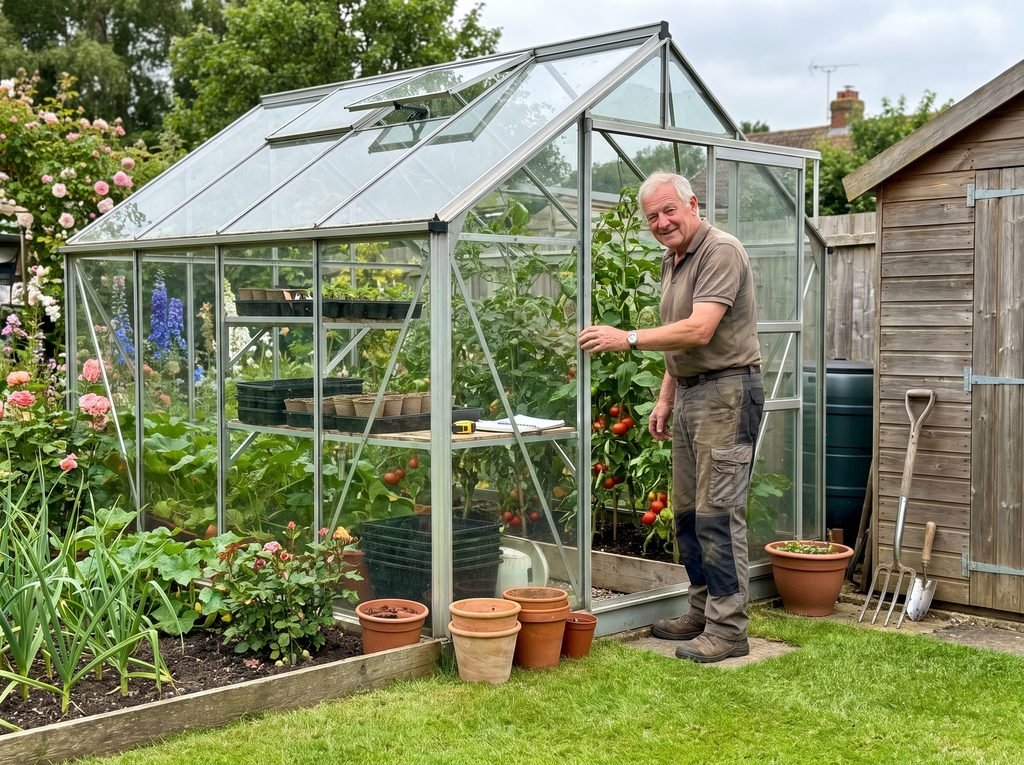
One of the biggest advantages of working with an established specialist is the amount of experience available during the buying process. The Greenhouse People states that it has more than three decades of experience in the greenhouse trade and provides free, impartial advice to customers. That type of guidance can be particularly useful if you are purchasing your first greenhouse and are unsure what size or specification would suit your garden.
A specialist retailer can also help you think beyond the product itself. Instead of focusing only on appearance, you can consider practical matters such as how much floor space you need, whether the position is sheltered, how the structure will be accessed, and whether you will need additional equipment such as automatic window openers or staging.
For many gardeners, the biggest attraction is choice. A greenhouse should match the way you garden rather than simply fitting an attractive picture in a brochure. Someone interested in growing tomatoes may have very different requirements from a gardener who wants to raise seedlings, overwinter plants, or create a dedicated growing room for vegetables.
That is why expert support can be valuable before you spend money. The right structure can become an important part of your garden for many years, so getting the fundamentals right from the beginning matters.
What Makes The Greenhouse People Different?
The company positions itself as both a manufacturer and retailer, with its range including aluminium and timber garden buildings. Its published company information says it supplies products from its own manufacturing range as well as products from other manufacturers, giving customers access to different designs and specifications.
Another important feature is its physical showroom network. The Greenhouse People currently lists more than 30 UK display sites, giving customers opportunities to see structures in person rather than relying entirely on online photographs.
Seeing a greenhouse before buying can answer questions that product images cannot. You can assess door widths, head height, frame appearance, ventilation layouts, internal room, and the overall feeling of the space. This is particularly helpful if you are deciding between a compact design and a larger model.
The company also publishes practical information through its knowledge base. Its guides cover subjects such as choosing a garden position, selecting a greenhouse size and style, and understanding other important considerations before purchase.
This emphasis on education is useful because informed gardeners tend to make better buying decisions. A greenhouse should solve a growing problem, not create a new one.
How to Decide What Size Greenhouse You Need
Size is one of the most important decisions you will make. Many people initially choose a smaller greenhouse because it feels safer from a budget and space perspective. However, gardening equipment, pots, trays, shelves, staging, compost, tools, and mature plants can quickly consume available room.
A practical rule is to measure the full area available before you start looking at specific models. The Greenhouse People itself recommends identifying the amount of level garden space that can be used and suggests buying the largest size your space and budget can reasonably accommodate.
There is a good reason for this advice. Gardeners often underestimate how much growing room they need. A greenhouse that feels spacious on installation day can feel surprisingly small once benches are filled and plants reach maturity.
Think about your current needs, but also consider your future plans. You may begin with herbs and a few tomato plants, but later decide to grow cucumbers, peppers, strawberries, winter salads, or flowers from seed. Extra room gives you flexibility.
A larger greenhouse does not automatically mean a better greenhouse, however. You still need to maintain sensible pathways, ensure adequate ventilation, and leave enough usable space around the structure for cleaning and maintenance.
Choosing the Best Location in Your Garden
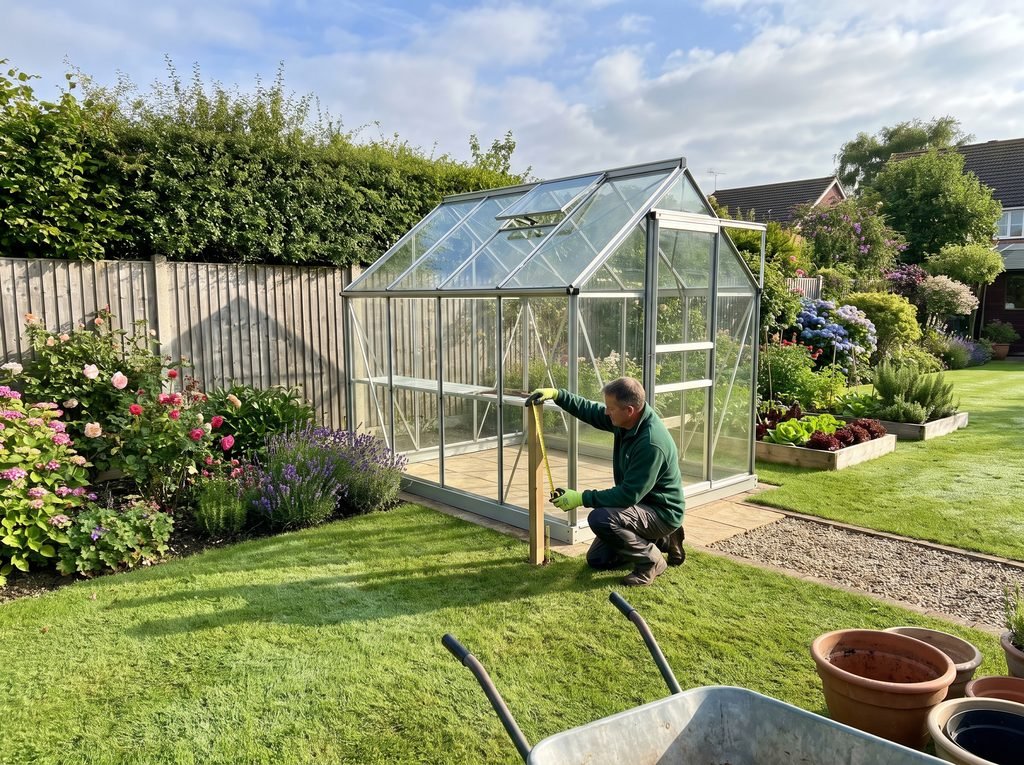
Location has a major impact on performance. A beautifully designed structure can struggle if it is positioned in an unsuitable area.
When planning a site, look for a level location with good natural light and enough room for access. The Greenhouse People advises avoiding overhanging trees and recommends seeking some shelter from prevailing winds.
It is also important to think about how easily you can reach the structure from your house or main garden path. A greenhouse that is technically accessible but inconvenient to visit may receive less attention than one that is easy to check every morning.
Consider drainage as well. Water should not collect around the foundations. A stable, level base provides the structural support needed for long-term use and can make installation much easier.
You should also think about neighboring fences, walls, sheds, and tall plants. These can affect light levels and airflow throughout the day. The ideal site combines reasonable sunlight with some protection from extreme exposure.
Why Foundations Matter More Than Many Gardeners Expect
A greenhouse needs a reliable base. If the foundation is uneven or unstable, doors may become difficult to operate, frames can sit incorrectly, and the structure may be more vulnerable during bad weather.
The Greenhouse People recommends a level foundation of paving slabs and notes that this approach can provide a practical surface on which the metal base of many greenhouse models can be securely bolted. It also explains that an appropriately sized slab area helps with drainage and provides access for maintenance.
Before installation, measure carefully. The foundation should not simply be an approximate rectangle dug into the garden. It needs to work with the exact dimensions of your selected model and leave enough surrounding space for sensible access.
If your garden is sloped, uneven, or prone to waterlogging, take extra care before ordering. Correcting the site first is usually easier than trying to solve foundation problems after installation.
A strong base may not be the most exciting part of the project, but it is one of the most important.
Aluminium or Timber: Which Is Better?
Material choice often comes down to personal preference, maintenance expectations, appearance, and budget. Aluminium greenhouses are popular because the material is lightweight, durable, and generally low maintenance. Timber structures, meanwhile, can provide a more traditional appearance and may blend beautifully with established gardens.
The Greenhouse People offers both aluminium and timber greenhouse options, giving gardeners the opportunity to choose based on aesthetics as well as practical requirements.
If you prefer a clean, contemporary style and want to minimise ongoing maintenance, aluminium may be attractive. If you want a classic garden look and enjoy the character of natural materials, timber may be a better fit.
Neither choice is automatically correct for every gardener. The best material is the one that aligns with how you use your garden and how much maintenance you are comfortable taking on.
Think beyond the first impression. Consider cleaning, painting or treatment requirements, replacement parts, glazing options, ventilation, and the overall appearance after several years of use.
Understanding Greenhouse Glazing
Glazing is another major consideration. It affects light transmission, appearance, durability, safety, and sometimes insulation performance.
Traditional horticultural glass remains popular because of its clear appearance and familiar aesthetic. Toughened safety glass can provide additional durability and safety compared with more fragile glazing options. Polycarbonate, meanwhile, is often selected by gardeners looking for a lightweight and impact-resistant alternative.
The correct choice depends on your garden, your budget, and your priorities. Families with children or gardens exposed to frequent activity may place more emphasis on safety and durability. Others may prioritise maximum clarity and traditional looks.
It is also worth thinking about replacement. Ask what happens if one panel is accidentally damaged. A greenhouse is a long-term investment, so understanding repair and replacement requirements before purchasing is sensible.
Ventilation Is Essential for Healthy Plants
Good ventilation is not an optional extra. On sunny days, temperatures inside a greenhouse can climb quickly, even when the outdoor air feels relatively mild.
Plants need fresh air and stable conditions. Without sufficient ventilation, humidity can become excessive, fungal problems may develop, and heat stress can damage sensitive crops.
This is why vents are such an important feature. Automatic window openers can be especially convenient because they can help regulate heat without requiring you to remember to open and close vents manually.
When comparing models from The Greenhouse People, look closely at the ventilation arrangement rather than treating it as a minor detail. Think about how much roof and side ventilation is available and whether the design can be expanded with additional equipment.
Good ventilation supports plant health, reduces stress, and makes the greenhouse easier to manage throughout changing weather conditions.
Make the Most of Interior Space
Buying the right structure is only half the job. Internal organisation can make a major difference to how enjoyable your greenhouse is to use.
Staging provides a practical working level for seedlings, trays, and smaller pots. Shelving can increase vertical growing space, while hanging systems can help you use areas that might otherwise remain empty.
The layout should preserve a clear pathway. It is tempting to fill every available area, but overcrowding can make watering, pruning, harvesting, and cleaning difficult.
Think in zones. You may want one section for seedlings, another for mature plants, and a small work area for potting. This approach can transform the structure into an efficient growing environment rather than a simple collection of plants.
A well-organised interior also improves airflow, which matters for plant health.
What Can You Grow in a Greenhouse?
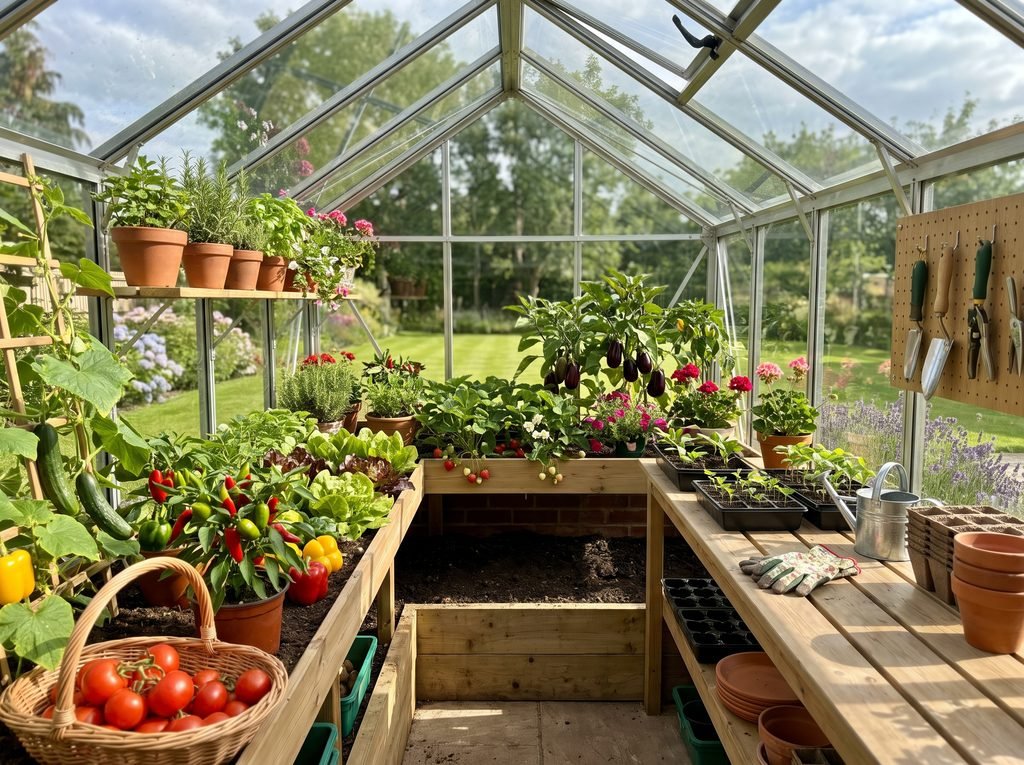
One of the best things about owning a greenhouse is the huge range of crops and plants you can experiment with.
Tomatoes are an obvious favourite, particularly in the UK where outdoor temperatures may not always provide ideal conditions for reliable fruit production. Peppers, chillies, cucumbers, aubergines, salads, herbs, strawberries, and many flowers can also benefit from protected growing conditions.
A greenhouse also creates opportunities to extend the growing season. You can start certain plants earlier in spring and protect crops later into autumn.
For beginners, it is usually better to start with a small selection of plants rather than trying to grow everything immediately. Once you understand how temperature, watering, ventilation, feeding, and pests interact, you can expand your growing range.
The greenhouse can become an experimental space where you learn what performs best in your particular garden.
How The Greenhouse People Can Help Beginners
Buying your first greenhouse can feel overwhelming because there are many variables to consider. One of the strengths of an established specialist is the availability of guidance.
The Greenhouse People offers a free buyer’s guide and provides practical resources covering topics such as site selection, size, style, delivery, installation, and maintenance.
That support can be especially valuable for new gardeners. Instead of guessing which model will work, you can approach the decision by asking specific questions. How much room do I have? What will I grow? How many people will use the greenhouse? Do I need extra ventilation? What base will I install? Will I need professional assembly?
These questions shift the buying process from browsing to planning.
The Greenhouse People also provides customer-facing services, including greenhouse installation support, according to its service information.
Why Seeing a Greenhouse in Person Can Be Worthwhile
Online shopping is convenient, but garden buildings are large physical products. Photographs can make them appear bigger or smaller than they really are.
Visiting one of the company’s display sites can help you understand proportions much better. Its website currently lists more than 30 UK display locations, although individual opening arrangements can vary.
Seeing models side by side may also help you compare rooflines, frame colours, doors, ventilation, staging, and interior capacity.
Bring your garden measurements with you. A visit becomes much more useful when you already know the maximum width and length available.
You should also consider how the greenhouse looks from the house. A structure is likely to remain in view for many years, so appearance matters alongside functionality.
Comparing Prices Without Focusing Only on the Cheapest Option
Price is naturally important, but buying the cheapest structure does not always produce the best value.
A low purchase price can become less attractive if the greenhouse lacks useful ventilation, requires frequent repairs, has limited internal capacity, or is poorly suited to your garden.
When comparing prices, look at the complete package. Check whether the base, staging, vents, automatic openers, installation, delivery, and other accessories are included or sold separately.
Also think about lifespan. A structure that costs more initially but performs reliably for many years may provide better value than a cheaper model that requires replacement sooner.
The goal should not be to spend as little as possible. The goal should be to buy something that delivers the growing environment you actually need.
Maintenance Tips for a Long-Lasting Greenhouse
Regular maintenance is one of the easiest ways to protect your investment.
Keep glazing clean so plants receive as much available light as possible. Check doors, vents, handles, hinges, and seals periodically. Remove algae or debris that may obstruct gutters and drainage areas.
Inspect the frame after periods of severe weather. Strong winds can place significant stress on garden structures, particularly where foundations or fixings are not secure.
The Greenhouse People publishes guidance on greenhouse maintenance and storm damage, showing that ongoing care forms part of its broader customer information resources.
Interior hygiene matters as well. Clean used pots and trays, remove dead leaves, and avoid allowing plant debris to accumulate. These simple habits can make the growing environment healthier and easier to manage.
A few minutes of routine attention can prevent minor issues from becoming expensive problems.
Greenhouse Accessories Can Improve Your Growing Results
Once you have selected a structure, accessories can make it significantly more productive.
Automatic vent openers can help with temperature regulation. Staging and shelves increase usable growing space. Thermometers help you monitor conditions, while propagation equipment can give seedlings a protected start.
Heating may be useful for gardeners growing sensitive crops or extending the season. Irrigation systems can reduce the effort involved in watering, particularly when plants become numerous.
Shade solutions can also be useful during particularly hot periods. The objective is not to install every accessory available, but to choose the equipment that solves a genuine gardening problem.
A well-selected accessory can sometimes provide more practical value than paying for features you rarely use.
Is The Greenhouse People a Good Choice for First-Time Buyers?
For beginners, the biggest challenge is often not finding a greenhouse but finding the confidence to choose one correctly.
The Greenhouse People has built its proposition around helping customers through that process. The company says it has been selling greenhouses since 1989, describes itself as family-run, and highlights its experience and impartial advice.
Its combination of online information, display sites, product variety, installation services, and customer support makes it a practical option for people who want guidance as well as a physical product.
That does not mean every model will suit every garden. You should still compare dimensions, specifications, materials, warranties, installation requirements, and total costs before committing.
Good research remains important regardless of where you shop.
Questions to Ask Before You Buy
Before placing an order, take a moment to make a complete checklist in your head.
Start with space. Do you have a genuinely level area that can accommodate the structure and allow maintenance access? Next, think about your purpose. Are you growing vegetables, propagating seedlings, protecting tender plants, or simply enjoying gardening throughout the year?
Then consider the material, glazing, ventilation, base, door configuration, internal staging, and any additional accessories.
You should also check delivery arrangements and installation options. Understand what preparation you need to complete before delivery and whether additional contractors or site work may be required.
A thoughtful buying process reduces disappointment and helps ensure you get a greenhouse that works well from the beginning.
How to Get More Value From Your Investment
The best way to maximise value is to use the space throughout the year rather than treating it as a seasonal storage area.
In spring, focus on seed starting and young plants. During summer, concentrate on heat-loving crops and productive vegetables. In autumn, use the structure to extend harvesting and protect tender plants. During winter, it can provide a useful sheltered environment for overwintering suitable plants and preparing for the next growing season.
Record what works. Note planting dates, temperatures, varieties, pests, feeding schedules, and harvest results.
Over time, these observations can help you improve productivity without constantly buying more equipment.
A greenhouse is not simply a garden product. It can become a long-term gardening system that rewards good planning.
Common Mistakes to Avoid
One of the most common mistakes is buying a structure that is too small. Another is choosing a poor location and then struggling with shade, wind, or awkward access.
Some gardeners also underestimate the importance of ventilation. Others focus heavily on aesthetics and forget about practical maintenance.
It is equally easy to overlook the foundation. A beautiful greenhouse on an unsuitable base can become frustrating to use.
Finally, do not rush the purchase because of a limited-time promotion or an attractive photograph. Make sure the product actually fits your garden, growing goals, and budget.
The right decision should still make sense after the excitement of buying has disappeared.
What Gardeners Should Know About The Greenhouse People Reviews
Customer feedback can be useful when evaluating a retailer, but it should always be considered alongside product specifications and your own requirements.
The Greenhouse People publishes customer testimonials on its website, and its homepage currently displays an average review score of 4.84 based on thousands of reviews.
Reviews can highlight real-world issues such as delivery timing, assembly experiences, product quality, and customer service. At the same time, one customer’s experience may not predict exactly what another customer will experience.
The smartest approach is to use reviews to identify patterns rather than relying on one enthusiastic or critical comment.
Combine that information with product details, site measurements, warranty terms, and direct questions to the retailer.
Why Buying From an Experienced Specialist Can Make Sense
Garden structures are not impulse purchases for most households. They involve physical space, installation, maintenance, and long-term use.
That is why working with a company that specialises in garden buildings can be appealing. The Greenhouse People says it has a long history in the sector and provides resources designed to help customers navigate the buying process.
Its current business profile also describes the company as a UK-based manufacturer and retailer supplying garden and leisure buildings, while its LinkedIn profile highlights its range of aluminium and timber greenhouses alongside other garden buildings.
For shoppers, the real advantage is choice supported by specialist knowledge. You can research online, compare products, visit displays, ask questions, and plan installation before making a final decision.
That approach is far more likely to produce a satisfying result than buying purely on appearance.
Final Thoughts: Is The Greenhouse People Worth Considering?
For UK gardeners searching for a new greenhouse, The Greenhouse People offers a combination of experience, product variety, guidance, display locations, and supporting services that makes it a strong option to investigate. Its published materials show a clear focus on helping customers understand important buying decisions rather than simply pushing a product.
The most important thing, however, is choosing the right greenhouse for your individual circumstances. Start with your garden measurements. Think about what you want to grow. Consider light, wind, drainage, foundations, ventilation, glazing, access, and maintenance. Then compare models based on total value rather than headline price alone.
The Greenhouse People can be part of that research process, particularly because it offers buyer guidance, display sites, and customer support intended to make selection easier. The company’s current website also provides resources covering maintenance, delivery, returns, installation, and other practical matters.
A well-chosen greenhouse can become one of the most useful investments in a productive garden. It can help you start plants earlier, protect crops from unpredictable weather, experiment with new varieties, and spend more time growing throughout the year.
The smartest next step is to measure your garden carefully, define your growing goals, and compare suitable models before making a decision. Explore the available options, read the buying guidance, and visit a nearby display site where possible so you can see the structures in person. The Greenhouse People currently lists more than 30 UK display locations, making an in-person comparison accessible to many gardeners.
Do not settle for a structure that merely fits your garden. Choose one that fits the way you want to garden for years to come.