A greenhouse can look like a simple structure made from glass or clear plastic, but how do greenhouses work to create such a controlled growing environment? Inside, plants receive abundant sunlight while staying protected from strong winds, heavy rain, and sudden temperature changes. By controlling heat, airflow, moisture, and light, greenhouses help plants continue growing when outdoor conditions would normally slow them down. This makes greenhouses useful for home gardeners, nurseries, commercial growers, and anyone who wants greater control over plant-growing conditions.
Table of Contents
But how do greenhouses work in practical terms? The answer involves sunlight, heat, air movement, humidity, moisture, ventilation, and careful environmental control. A greenhouse does not simply “trap heat” and stay warm by itself. Instead, its transparent covering allows solar radiation to enter while the structure reduces heat loss and gives the grower greater control over what happens inside. On sunny days, the temperature can rise quickly, which is why ventilation, shading, and airflow are just as important as the glazing itself.
Understanding this process can help you make better decisions about greenhouse design, materials, heating, ventilation, watering, and crop selection. Whether you are planning a small backyard greenhouse or simply curious about the science behind one, learning how do greenhouses work gives you a useful foundation for growing healthier plants in a controlled environment.
How Do Greenhouses Work? A Simple Explanation of the Basic Science
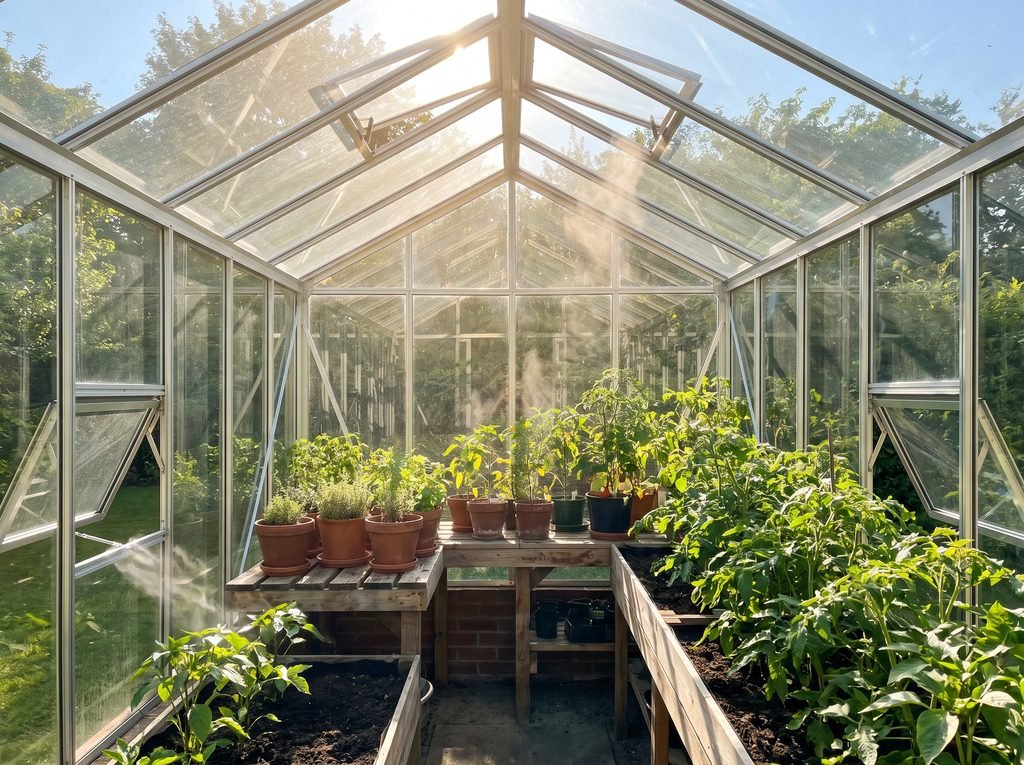
At its most basic level, how do greenhouses work can be understood by looking at how they manage sunlight and heat. A greenhouse uses transparent or translucent materials to create a protected growing space where sunlight can reach plants while the structure helps reduce heat loss to the outside environment. Solar energy passes through the glazing and is absorbed by the soil, containers, benches, plants, and other surfaces inside. As these surfaces warm up, they transfer heat to the surrounding air, creating a warmer and more controlled environment for plant growth.
The enclosure then helps retain that warmth by reducing direct air exchange with the colder outdoor environment. This is one reason a greenhouse can become noticeably warmer than the air outside, particularly during bright, sunny weather. The structure also protects plants from wind and precipitation while allowing the gardener to manage temperature and moisture more precisely.
The exact performance of a greenhouse depends on its size, orientation, glazing material, ventilation, insulation, climate, season, and the type of plants being grown. A greenhouse in a cool northern climate may need heating during winter, while one in a warm climate may require shade cloth and aggressive ventilation during summer.
The University of Minnesota explains how do greenhouses work in deep-winter conditions by describing passive-solar structures that use sunlight as their primary heat source. Some of these greenhouse designs also store solar energy in thermal mass, allowing the captured heat to be released later when temperatures drop.
This demonstrates an important principle: a greenhouse is not a single-purpose “heat box.” It is an environmental management system.
Sunlight Is the First Part of the Greenhouse Process
Sunlight provides the energy that drives much of the greenhouse environment. When sunlight reaches a greenhouse, some of that radiation passes through the covering and reaches the plants and interior surfaces.
Plants use the light for photosynthesis, transforming light energy into chemical energy that supports growth. At the same time, the surfaces inside the greenhouse absorb some of the incoming energy and become warmer.
Dark-colored soil, containers, benches, and other materials can absorb solar energy efficiently. Once these surfaces become warm, they release energy as heat. The surrounding air is then warmed through contact and air movement.
This process is especially noticeable on bright days. Even when outdoor air feels cool, a greenhouse can become significantly warmer if enough sunlight enters and ventilation is limited. Oklahoma State University Extension specifically notes that a greenhouse can become too warm even during cold weather when the day is bright and sunny.
That is why sunlight is both a benefit and a management challenge.
Why Clear Greenhouse Coverings Matter
A greenhouse covering is an important part of how do greenhouses work because it must allow enough usable sunlight to reach the plants while creating a protected and controlled internal climate. Glass has traditionally been popular because it offers excellent light transmission, while modern greenhouses often use materials such as polycarbonate panels or polyethylene film to provide durability, insulation, and practical climate control.
Different materials have different properties. Some coverings are designed to diffuse light, reduce heat loss, improve durability, or provide ultraviolet protection. The ideal material depends on the crop, climate, budget, and greenhouse design.
In a well-designed structure, the covering creates a balance between light availability and environmental control rather than simply maximizing sunlight at every moment.
What Happens to Heat Inside a Greenhouse?
One of the most common explanations of how do greenhouses work is that the glass “traps heat.” While this description is easy to understand, the real process is more nuanced.
When sunlight enters the greenhouse, it warms interior surfaces. Those surfaces release energy as heat. At the same time, the enclosure reduces the amount of warm air that can freely escape and the cold outdoor air that can replace it.
The transparent covering is a key part of understanding how do greenhouses work because it influences how radiant energy moves through the structure. In a typical hobby greenhouse, keeping the growing space enclosed also limits natural air exchange. Without adequate ventilation, solar energy can cause heat to build up rapidly, potentially creating temperatures that are stressful or damaging for plants.
This is why opening a roof vent or door can have such a dramatic effect. Warm air can escape, and cooler outdoor air can enter, lowering the interior temperature.
The University of Minnesota explains a similar solar-energy concept in deep-winter greenhouse systems, where solar-heated air can be stored in thermal mass and later used to heat the greenhouse.
So, in simple terms, sunlight supplies energy, interior materials absorb and release heat, and the enclosure helps control how quickly that energy is lost.
How Do Greenhouses Work to Stay Warmer Than the Outdoor Air?
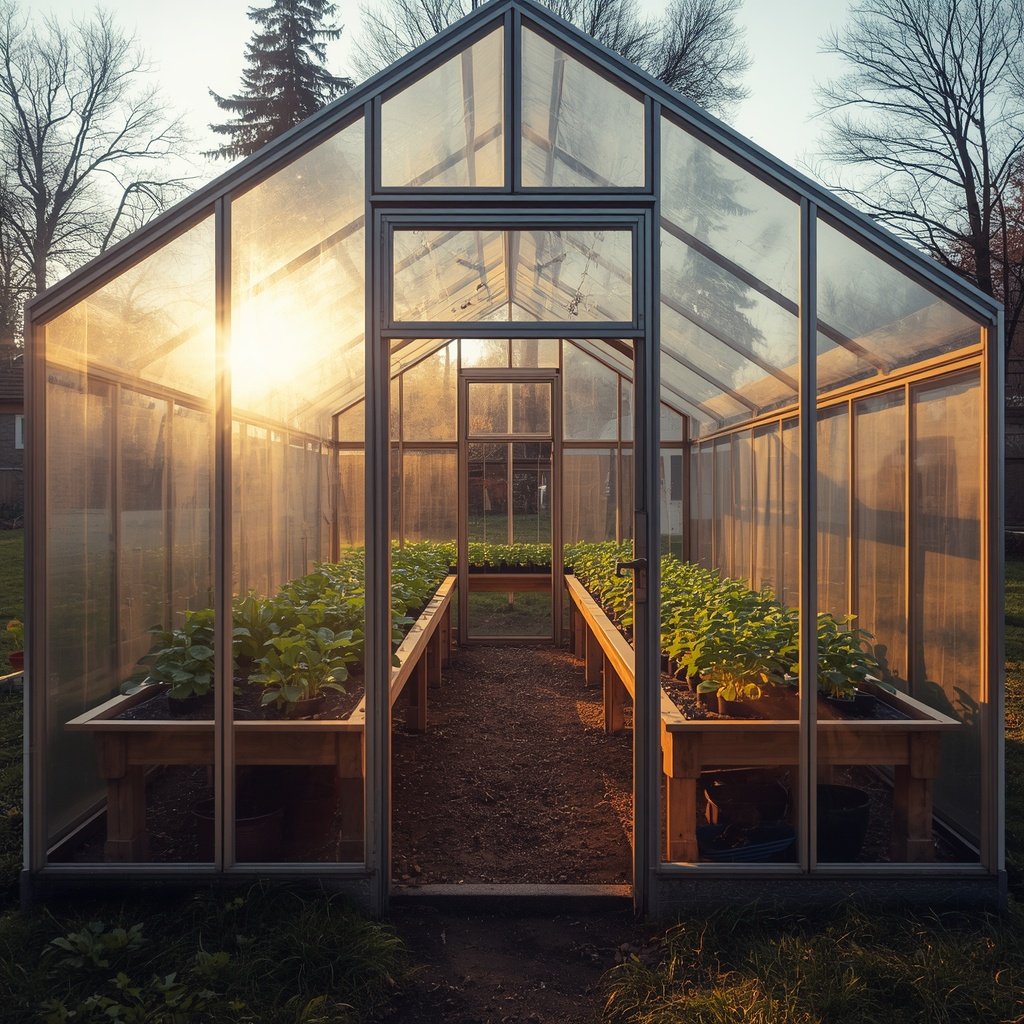
A greenhouse can become warmer than its surroundings because how do greenhouses work depends heavily on how solar energy enters and is retained within the structure. The incoming solar energy can exceed the rate at which heat escapes, causing the internal temperature to rise.
Imagine a cool spring afternoon. The outdoor air may feel mild, but sunlight still carries energy into the greenhouse. The roof and walls allow light to enter, while the enclosed structure reduces unrestricted air exchange. Soil, pots, trays, and plants absorb this energy and gradually warm up.
When the greenhouse remains closed, the internal temperature can continue climbing throughout the day. This is why greenhouse owners need to monitor temperature and make adjustments as conditions change. A greenhouse that feels comfortably warm in the morning can become excessively hot by early afternoon.
The effect can be especially noticeable when the structure has limited ventilation and receives direct sunlight for several hours. Understanding how do greenhouses work helps growers recognize why proper ventilation, shading, and temperature monitoring are essential for maintaining a healthy growing environment.
This also means a greenhouse should never be treated as a “set it and forget it” system. Successful growing requires regular attention to temperature, humidity, airflow, watering, and available light.
Ventilation Is Essential for a Healthy Greenhouse
Ventilation is one of the most important parts of how do greenhouses work because plants need more than warmth. They also need a suitable supply of fresh air and an environment that prevents excessive heat and humidity.
When vents are opened, warm air can escape while cooler outdoor air moves into the structure. Natural convection helps this process because warm air tends to rise. Roof vents are especially effective because they allow hot air to exit from the highest point.
Side vents can work with roof vents to create a continuous movement of air through the greenhouse.
Oklahoma State University Extension recommends ventilation equipment for controlling greenhouse temperature and humidity in all seasons. It also explains that automatic roof vents can operate through thermostats or temperature-sensitive mechanisms.
Natural Ventilation
Natural ventilation is one of the simplest approaches. A greenhouse may have doors, side vents, roof vents, or adjustable windows that can be opened as conditions change.
During a cool morning, vents may remain closed to conserve warmth. As the sun rises and the temperature increases, vents can be opened gradually. Later, as temperatures fall, they can be closed again.
This approach is inexpensive, but it requires regular attention unless automatic vent openers are installed.
Mechanical Ventilation
Larger greenhouses often use exhaust fans, intake louvers, circulation fans, or automated climate-control systems.
An exhaust fan removes warm air from the structure while intake openings allow replacement air to enter. Circulation fans move air around the greenhouse so that stagnant pockets do not develop.
Mechanical ventilation can be especially helpful during hot or humid weather when natural airflow alone is not enough.
Temperature Control Determines How Well Plants Gro
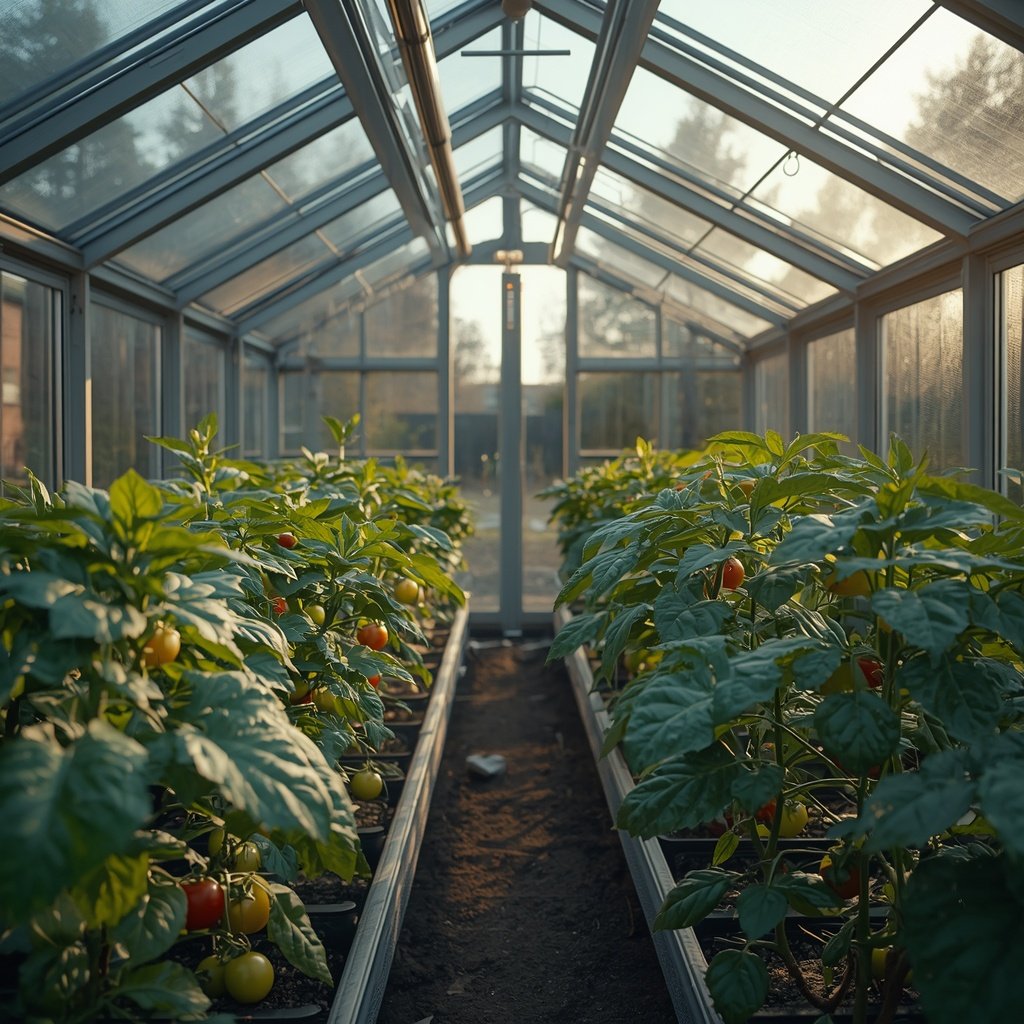
Temperature is a major part of how do greenhouses work because different plants have different temperature preferences.
Warm-season crops such as tomatoes, peppers, cucumbers, and many tropical plants generally prefer warmer conditions than cool-season vegetables such as lettuce or many brassicas.
A greenhouse allows the grower to create a more suitable environment for the chosen crop rather than simply accepting whatever outdoor weather provides.
Oklahoma State University Extension gives general greenhouse temperature guidance and emphasizes the importance of using a thermostat positioned in a central location around plant level rather than in direct sunlight.
This highlights an important point: greenhouse temperatures should be monitored where the plants actually experience them.
Heating a Greenhouse in Cold Weather
A greenhouse does not automatically stay warm throughout winter. Once sunlight disappears, heat can be lost through the glazing, frame, floor, and ventilation openings.
In cold climates, gardeners may use electric heaters, gas heating systems, hot-water systems, heated benches, or other methods.
Good insulation can also help reduce heat loss. Thermal screens, insulated north walls, double-layer glazing, and properly sealed gaps can make a major difference depending on the structure.
Some advanced greenhouses use thermal mass such as water containers, stone, soil, or other materials to absorb heat during the day and release it slowly later.
The University of Minnesota’s deep winter greenhouse research provides a strong example of thermal storage, where solar-heated air is moved underground and stored in soil or rock for nighttime heating.
Humidity and Moisture Are Also Part of the System
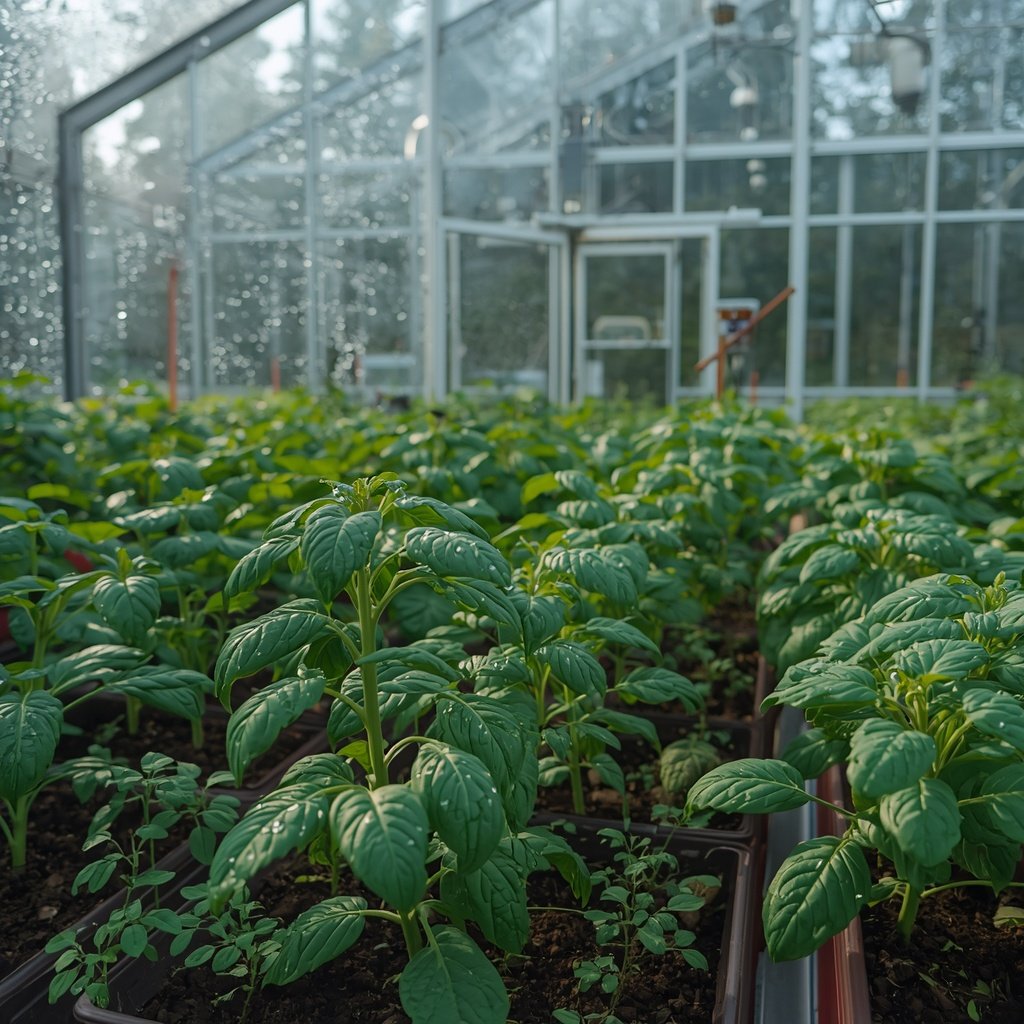
Many beginners focus almost entirely on temperature, but humidity is equally important.
Plants naturally release water vapor through transpiration. Water can also evaporate from growing media, soil, trays, and wet surfaces. Because a greenhouse is enclosed, moisture may accumulate quickly.
High humidity can contribute to condensation and create conditions that favor fungal and other plant-health problems. Excessively dry air, on the other hand, can increase water loss from plants and stress certain crops.
This means greenhouse management requires finding a practical balance.
Ventilation helps because exchanging moist internal air with outdoor air can reduce humidity when outdoor conditions are suitable. Air circulation also helps prevent stagnant areas around foliage.
Watering practices matter as well. Overwatering does not make plants healthier simply because the environment is warm. The growing medium should be matched to the needs of the crop, pot size, drainage, and climate.
Carbon Dioxide and Fresh Air Matter Too
Greenhouses are designed to conserve heat, but plants still need access to fresh air.
Carbon dioxide is an essential raw material for photosynthesis. During daylight hours, plants use carbon dioxide as part of the photosynthetic process. In a tightly sealed greenhouse, the carbon dioxide concentration can change as plants actively photosynthesize.
Fresh-air exchange therefore has benefits beyond cooling.
This does not mean greenhouse growers should constantly leave doors and vents open. During cold weather, excessive ventilation can waste valuable heat. Instead, the goal is to balance ventilation with temperature, humidity, crop needs, and outdoor weather.
Good greenhouse management is always a matter of balance.
How Greenhouses Work Differently During Summer and Winter
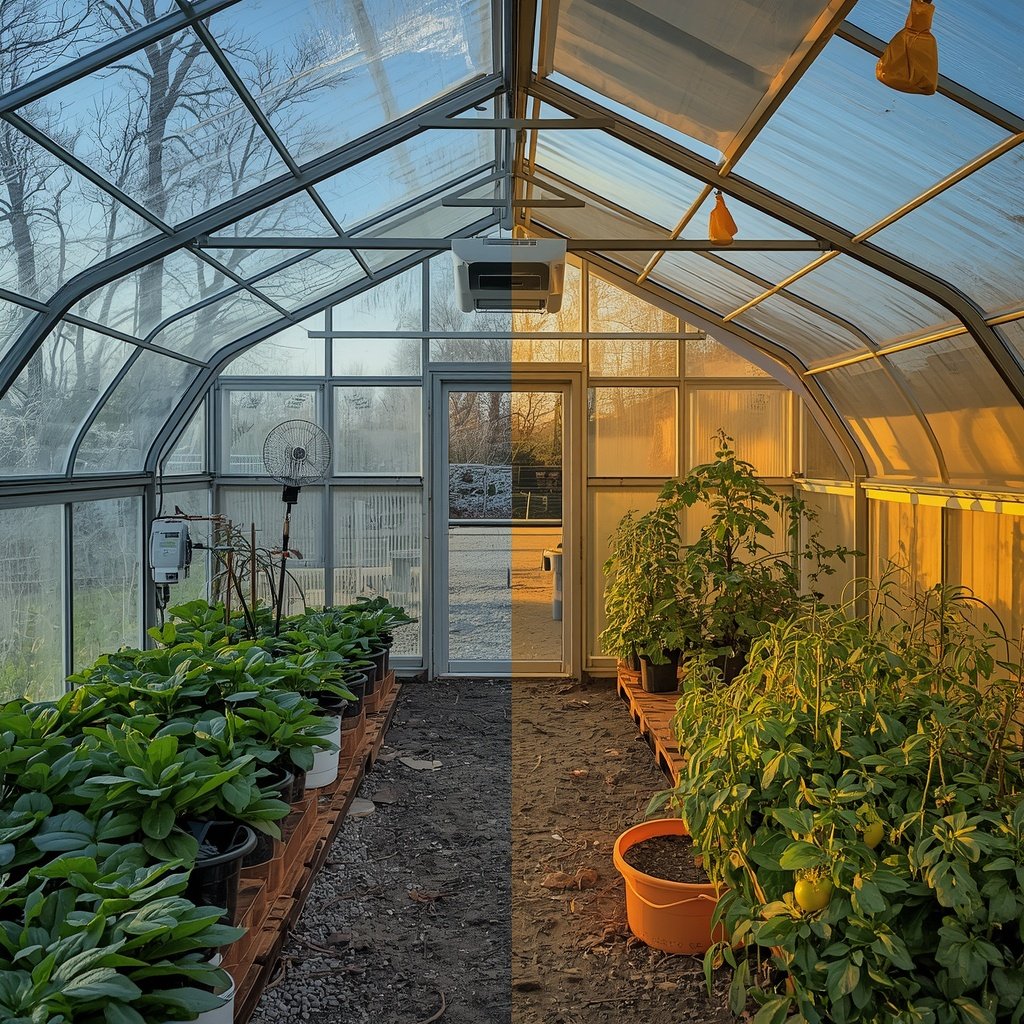
Seasonal conditions completely change greenhouse management.
In winter, the primary challenge may be preserving enough heat for plants to survive and grow. The grower may close vents, use heating, add insulation, and capture as much available sunlight as possible.
In summer, the problem can be the opposite. The greenhouse may receive more solar energy than the plants can tolerate. Vents need to open, fans may need to run, and shading may become necessary.
Oklahoma State University recommends ventilation and shading approaches for controlling greenhouse conditions, including roof vents, exhaust fans, and shade materials.
This seasonal reversal is one of the most important ideas to understand when learning how do greenhouses work.
Summer Greenhouse Management
During hot weather, the goal is not to capture as much heat as possible. Instead, growers try to prevent excessive heat accumulation.
Ventilation should begin before temperatures become extreme. Waiting until the greenhouse is already dangerously hot can make recovery more difficult.
Shade cloth can reduce the amount of solar radiation entering the structure. Some growers use movable shade systems so that plants receive strong morning light but less intense afternoon radiation.
Fans can improve air movement, while evaporative cooling may be useful in suitable climates.
Winter Greenhouse Management
Winter brings a different set of challenges.
Shorter days mean less sunlight is available for both photosynthesis and solar heating. Nights can become especially cold, and condensation may develop on glazing.
Heating, insulation, thermal mass, and careful ventilation become important. Growers may also select crops that tolerate cooler conditions rather than trying to maintain tropical temperatures throughout the entire winter.
How Do Greenhouses Work to Prevent Overheating?
Understanding how do greenhouses work also means understanding why ventilation is essential for keeping temperatures under control. A greenhouse can be thought of as an energy system where solar energy enters, interior surfaces absorb that energy, and heat builds up unless enough of it can escape.
Ventilation increases the rate at which excess heat leaves the greenhouse. Natural ventilation works through buoyancy and pressure differences. Because warm air naturally rises, openings positioned high in the structure can allow hot air to escape, while cooler outside air enters through lower openings.
Mechanical fans can improve this process when natural airflow is not sufficient, especially during very warm weather. A roof vent can be particularly effective because it works with the natural movement of rising warm air rather than simply creating an opening in the structure.
Automatic vent openers can make greenhouse management even easier. Some temperature-sensitive systems open the vents when the greenhouse becomes hot and close them as temperatures fall. Oklahoma State University notes that hydraulic temperature-sensitive vent openers can provide automatic ventilation without relying on electricity.
By understanding how do greenhouses work, growers can use ventilation more effectively to prevent overheating, improve air circulation, and create healthier conditions for plants.
Greenhouse Glazing: Glass, Polycarbonate, and Plastic Film
The covering material plays a major role in greenhouse performance.
Glass is durable, clear, and traditionally associated with permanent greenhouse construction. It can provide excellent light transmission, although its weight and cost may influence construction decisions.
Polycarbonate is popular for many modern greenhouses because it is lightweight, durable, and available in multiwall forms that can provide improved insulation compared with single-layer materials.
Polyethylene film is widely used in commercial structures and tunnels because it is flexible and comparatively inexpensive. It can be replaced more easily than rigid glazing, although its lifespan depends on quality, environmental exposure, and product specifications.
The right material depends on what you want the greenhouse to accomplish.
A greenhouse for seedlings may prioritize light and affordability. A year-round structure in a cold climate may prioritize insulation. A greenhouse in a hot climate may prioritize ventilation and solar management.
Why Greenhouse Orientation Matters
Orientation affects how sunlight reaches the greenhouse.
The ideal orientation depends on latitude, local climate, structure design, surrounding buildings, and the season in which the greenhouse will be used.
You should consider nearby trees, fences, walls, and buildings because shadows can reduce the amount of usable sunlight.
A greenhouse that receives excellent sunlight in winter may have very different performance in summer when the sun is higher in the sky.
Deep winter greenhouse designs developed by the University of Minnesota demonstrate how orientation and glazing angle can be deliberately selected to maximize solar energy during colder periods.
This shows that greenhouse performance is not determined by the structure alone. Its position in the landscape matters too.
How Do Greenhouses Work to Benefit Plant Growth?
The purpose of learning how do greenhouses work is ultimately to understand how a controlled environment can influence plant growth and help gardeners create better growing conditions. By managing factors such as temperature, light, airflow, humidity, and moisture, a greenhouse can provide plants with a more stable environment than they may experience outdoors.
A greenhouse can offer several important advantages for different types of growers. It can extend the growing season by allowing gardeners to start crops earlier in spring and continue growing them later into autumn. The enclosed structure can also protect plants from strong winds, heavy rain, and sudden changes in outdoor weather.
Another major benefit is the ability to provide warmer conditions for warm-season crops. Plants such as tomatoes, peppers, cucumbers, and other heat-loving varieties may benefit from the additional warmth and protection provided by the greenhouse environment. Young seedlings can also benefit because they are less exposed to harsh weather while establishing their roots.
For commercial growers, understanding how do greenhouses work can help support more predictable production by making it easier to manage important growing conditions. Protected growing systems can also provide opportunities to produce crops during periods when outdoor conditions are less suitable. The University of Minnesota notes that protected growing systems, including high tunnels and greenhouse-style structures, can extend production opportunities and support seasonal growing.
However, a greenhouse is not a guarantee of healthy plants or successful harvests. It simply gives the grower more control over the environment. Proper ventilation, watering, temperature management, lighting, and plant care are still essential for achieving the best results.
Do Greenhouses Work Without Electricity?
Yes, a greenhouse can work without electricity.
A basic greenhouse may rely entirely on sunlight and manually operated vents. In a suitable climate, that can be enough to provide a useful growing environment.
Passive-solar greenhouses take this concept further by intentionally designing the structure to capture, retain, and sometimes store solar heat.
For example, thermal mass can be used to absorb heat during the day. Water barrels, masonry, soil, rock, or specialized thermal storage systems may help reduce nighttime temperature drops.
The University of Minnesota’s deep winter greenhouse approach uses underground thermal storage to retain solar energy and release it after sunset.
That does not mean every backyard greenhouse needs an underground heat-storage system. The principle is simply that good design can reduce dependence on mechanical heating.
Can a Greenhouse Get Too Hot?
Absolutely.
One of the biggest mistakes beginners make is assuming that warmer always means better.
Plants have temperature limits. Extremely hot conditions can increase water loss, stress leaves, reduce flower quality, and interfere with growth. Some crops may stop performing well when temperatures become excessive.
A closed greenhouse on a sunny day can become dramatically hotter than expected.
This is why ventilation should be planned before the greenhouse is built. Roof vents, side vents, doors, fans, shade cloth, and temperature-controlled equipment can all form part of the cooling system.
A greenhouse without effective cooling can become less useful precisely when summer sunlight is strongest.
Common Misconceptions About How Greenhouses Work
There are several myths worth clearing up.
One misconception is that a greenhouse is warm only because glass “traps sunlight.” In reality, the process involves solar radiation, absorption by interior surfaces, heat transfer, and restricted air exchange. The design and operation of the structure determine how much energy remains inside.
Another misconception is that a greenhouse eliminates the need for watering. It does not. Plants still lose water through transpiration, and growing media still dry out.
Some people also assume that a greenhouse automatically provides perfect temperatures. It does not. Temperature can fluctuate quickly without ventilation and climate control.
Finally, a greenhouse is not necessarily a structure that can grow every crop in every season. Some plants need more light, lower temperatures, higher humidity, cooler nights, or supplemental heating than the greenhouse can provide naturally.
The structure is a tool. The grower still has to use it correctly.
How Do Greenhouses Work Better With Automation?
Modern greenhouse technology can make environmental control much easier.
Simple automation can begin with a thermostat controlling an exhaust fan or heater. Automatic vent openers can respond to temperature without requiring electricity in some designs.
More advanced systems can monitor temperature, humidity, soil moisture, light levels, and other environmental conditions.
A controller can then activate fans, vents, heaters, irrigation systems, or shade systems according to programmed thresholds.
Automation can be particularly useful when gardeners are away from home during the hottest part of the day. A greenhouse that depends entirely on manual monitoring may overheat if nobody is there to open the vents.
Technology does not replace good greenhouse design, but it can make the system more reliable.
How Do Greenhouses Work Efficiently for Better Plant Growth?
Understanding how do greenhouses work efficiently starts before plants are even placed inside the structure. A well-planned greenhouse should provide the right balance of sunlight, airflow, temperature, moisture, and protection so plants can grow in a stable environment.
Start by choosing a location that receives plenty of sunlight, has adequate drainage, and provides enough space around the structure for cleaning and maintenance. Avoid unnecessary shade from nearby buildings, fences, or mature trees because reduced sunlight can limit plant growth and affect the greenhouse’s ability to warm naturally.
Ventilation should also match the size and design of the greenhouse. When learning how do greenhouses work, it is important to consider summer cooling at the same time as winter heating. Adequate roof vents, side vents, or circulation fans can help remove excess heat and improve airflow during warmer periods.
Use a reliable thermometer positioned around plant height and monitor conditions throughout the day rather than checking the temperature only once in the morning. Greenhouse temperatures can change quickly as sunlight intensifies, so regular monitoring helps prevent excessive heat or unexpected cold conditions.
Water plants according to their individual requirements and avoid leaving unnecessary standing water inside the greenhouse. Excess moisture can increase humidity and create an environment that may encourage plant problems.
Regular cleaning and maintenance are equally important. Keep the greenhouse glazing clean so dirt does not unnecessarily reduce light transmission. Inspect vents, fans, seals, frames, irrigation systems, and heaters regularly to ensure everything continues working properly.
Most importantly, observe how your plants respond. Changes in leaf appearance, growth rate, flowering, moisture levels, or overall plant health can indicate that temperature, humidity, light, or watering needs adjustment. By understanding how do greenhouses work, you can identify these signals earlier and create a more productive and healthier growing environment.
How to Use a Greenhouse More Efficiently
What Is the Best Greenhouse Temperature?
There is no single perfect temperature for every greenhouse because crops have different requirements.
A tomato greenhouse may be managed differently from a cool-season lettuce house. Tropical plants may require substantially warmer conditions than hardy vegetables.
As a general principle, avoid large and unnecessary temperature swings. Use crop-specific temperature targets, monitor both daytime and nighttime conditions, and make adjustments gradually.
Oklahoma State University provides general temperature ranges for many greenhouse crops while emphasizing thermostat placement and environmental monitoring.
The best approach is therefore not to choose one number and keep the greenhouse at that temperature all year. Instead, create a temperature range appropriate for the plants you are growing.
How Do Greenhouses Work to Extend the Growing Season?
Season extension is one of the biggest reasons gardeners build greenhouses.
In early spring, outdoor temperatures may still be too low for tender plants. A greenhouse can provide a warmer starting environment for seeds and young transplants.
In autumn, the greenhouse can protect crops after outdoor conditions have become unfavorable.
Some structures can even support winter production, especially when combined with insulation, heating, thermal storage, or crops that tolerate cool weather.
The University of Minnesota notes that passive-solar deep winter greenhouses can use solar energy as their primary heat source and support winter production in regions where conventional outdoor production is difficult.
This is one reason greenhouse gardening can transform a seasonal hobby into a much longer growing experience.
Does a Greenhouse Save Money?
A greenhouse can save money in some situations, but the answer depends on how it is used.
Growing from seed can reduce the need to purchase mature plants. Producing herbs and vegetables at home may also reduce some grocery purchases.
However, construction, glazing, heating, ventilation, irrigation, replacement materials, and maintenance all have costs.
A simple unheated greenhouse may have relatively low operating costs, while a highly controlled year-round greenhouse in a cold climate can require considerable energy.
The financial advantage often comes from selecting a greenhouse system appropriate for your climate and crops rather than building a complex structure that requires more energy than necessary.
How Do Greenhouses Work for Beginners?
For beginners, the easiest way to understand greenhouse operation is to think of the structure as a controlled environment with five main needs: light, temperature, airflow, water, and plant nutrition.
Sunlight provides energy. The covering helps create a protected environment. Ventilation controls heat and humidity. Heating can protect crops during cold periods. Water and nutrients support plant growth.
None of these components works independently.
For example, watering increases moisture. Higher moisture can increase humidity. High humidity may require more ventilation. Opening vents may reduce humidity but also allow heat to escape. Heating may dry the air or increase energy costs. More sunlight can improve photosynthesis but may also increase temperature.
A successful greenhouse is therefore a system of interacting factors.
Once you understand that relationship, greenhouse gardening becomes much easier to manage.
Final Thoughts: Understanding the Greenhouse Advantage
So, how do greenhouses work? They work by creating a protected environment where sunlight can enter, interior surfaces can absorb solar energy, and the structure can reduce uncontrolled heat loss and exposure to outdoor weather. At the same time, vents, fans, heaters, shading systems, irrigation, insulation, and sometimes thermal storage allow growers to control the conditions inside.
The science may sound complicated, but the basic idea is straightforward. A greenhouse gives plants a more stable and manageable environment than an open garden. The grower can capture sunlight, manage heat, control airflow, protect plants from weather, and extend the growing season.
The most important lesson is that a greenhouse is not simply about keeping plants warm. It is about managing the entire growing environment.
Good greenhouse design combines sunlight with ventilation. Effective growing combines temperature control with proper watering. Winter production combines solar gain with insulation and, when necessary, supplemental heat. Summer growing combines abundant light with ventilation and shading.
Once you understand these relationships, you can make smarter choices about greenhouse size, glazing, heating, ventilation, and crop selection.
A well-managed greenhouse can turn a short growing season into a much longer one and can give gardeners far greater control over what they grow and when they grow it. Whether you are preparing your first small backyard structure or improving an established greenhouse, understanding the underlying science is the first step toward getting better results.
Ready to Get More From Your Greenhouse?
Do not treat your greenhouse as just a covered garden. Use it as a carefully managed growing environment. Start by checking how much sunlight your structure receives, monitor temperature and humidity at plant level, improve ventilation, and select crops that suit your conditions.
The more you understand the environment inside your greenhouse, the easier it becomes to grow stronger plants, extend your harvest, and make better use of every season. Put the principles above into practice, keep observing how your plants respond, and turn your greenhouse into a productive growing space throughout the year.