A greenhouse can be much more than a place to grow tomatoes, seedlings, herbs, or flowers. The right structure can change the way you use your garden, extend the growing season, protect valuable plants, and create an attractive architectural feature that becomes part of the landscape. For gardeners who want a combination of craftsmanship, durability, traditional styling, and modern horticultural performance, the Hartley Botanic greenhouse range offers a particularly interesting choice.
Hartley Botanic has been manufacturing greenhouses and glasshouses in the UK since 1938. The company combines traditional greenhouse-making experience with a broad selection of designs, including Victorian-inspired structures, modern aluminium glasshouses, small growing spaces, patio models, brick-base options, and bespoke constructions. Its current range is designed to serve very different gardening situations, from compact urban gardens to large estates and specialist growing projects.
Table of Contents
Choosing a premium greenhouse is not simply about finding the biggest structure or the most attractive photograph. You need to think about how much growing space you actually require, the position of the greenhouse, the architectural style of your home, ventilation, glazing, access, future maintenance, and the type of plants you want to grow.
This guide takes a detailed look at the greenhouse and glasshouse range from Hartley Botanic, explains the major differences between the available styles, and explores the factors worth considering before you place an order.
Why the Hartley Botanic Greenhouse Range Deserves Attention
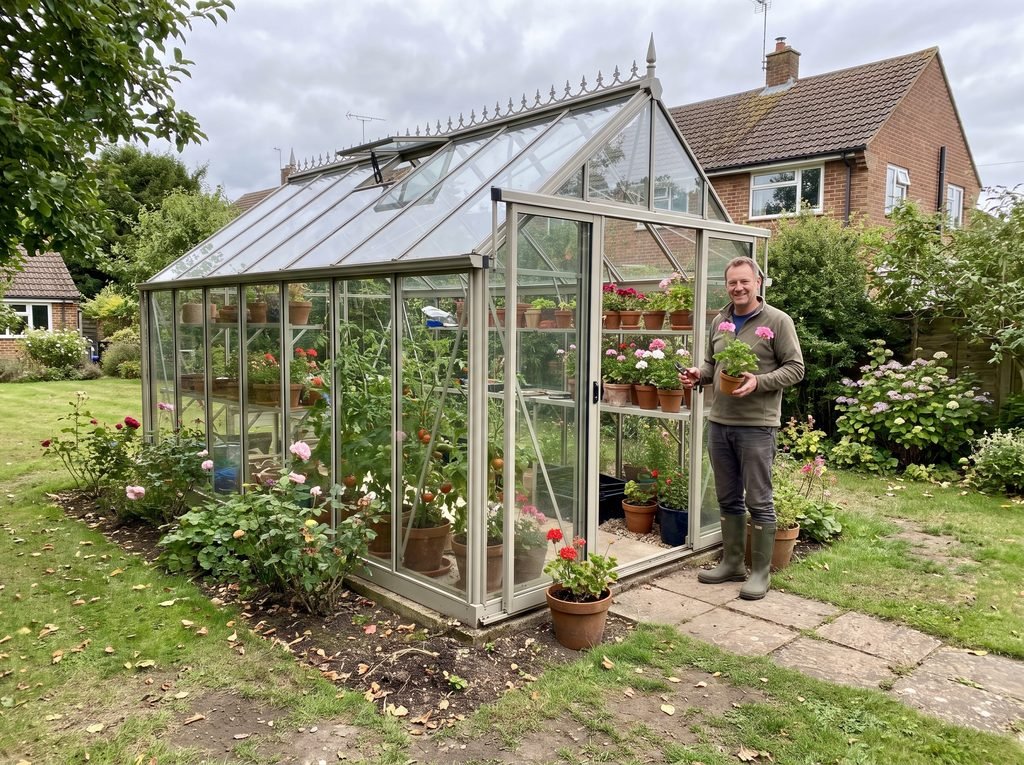
The Hartley Botanic greenhouse collection stands out because it combines horticultural practicality with a strong emphasis on design and long-term use. Rather than treating a greenhouse as a simple temporary garden structure, Hartley Botanic approaches its products as carefully designed buildings that can complement a garden for many years.
According to Hartley Botanic, its greenhouses are manufactured in the UK, with the company tracing its greenhouse business back to 1938. The manufacturer offers different styles, colours, sizes, configurations, and customisation possibilities, allowing customers to select a structure that matches their garden and intended use.
That broad choice is important because no two gardens are exactly alike. A gardener with a narrow courtyard may need a compact patio glasshouse, while someone with a large country garden could require a substantial Victorian structure. Another customer may need a lean-to greenhouse against a wall, while a collector of tender plants may benefit from a tall glasshouse with plenty of internal volume.
The current Hartley range reflects this variety. Its main categories include large greenhouses, glasshouses, modern and contemporary designs, glass-to-ground structures, brick-base greenhouses, smaller models, bespoke options, and greenhouse accessories.
This means that the best Hartley Botanic greenhouse is not automatically the largest, oldest-looking, or most expensive model. It is the one that gives you the combination of growing conditions, dimensions, design, and functionality that suits your particular space.
Hartley Botanic Greenhouse: A Closer Look at the Main Range
The Hartley Botanic collection is broad enough to suit several different types of gardeners. Understanding the main range makes it easier to narrow down your shortlist.
Traditional Victorian models appeal to people who want classic proportions and heritage-inspired detailing. The Opus and other modern models take a cleaner architectural approach. Small and patio glasshouses provide solutions for more limited gardens, while bespoke structures offer greater freedom for unusual locations or specialist requirements.
Let’s explore these options in more detail.
Victorian Greenhouses and Glasshouses
The Victorian range is one of the most recognisable parts of the Hartley collection. It takes inspiration from traditional greenhouse architecture, using proportions and visual details associated with classic glasshouses.
For gardeners who want their growing structure to feel like a permanent feature rather than an add-on, a Victorian design can be especially appealing. It can work well with period properties, formal gardens, brick walls, traditional planting schemes, and established landscapes.
The Victorian range includes several configurations, with models designed for different combinations of space, height, and growing requirements. One example is the Victorian Lodge, which includes a cold frame arrangement and is intended to provide both growing space and practical protection for plants and seedlings. Hartley Botanic states that the Victorian Lodge uses 4mm toughened safety glass, aluminium extrusions, stainless steel fixings, and individually cushioned glazing.
The Victorian Grand Lodge is an even larger format. Hartley Botanic describes it as one of its largest structures, with nearly 27 feet of length and almost 13 feet of ridge height. Such dimensions can make it suitable for substantial gardens and for plHartley Botanicit from extra height, including larger tropical specimens.
A Victorian hartley botanic greenhouse can therefore work for more than basic vegetable production. Depending on how it is fitted out, it can become a serious growing environment, a winter garden, a plant collection space, or even a sheltered area for relaxing among plants.
Modern and Contemporary Greenhouses
Traditional styling is not right for everyone. Some gardeners prefer straight lines, minimalist detailing, wider glass panels, and a more architectural appearance.
Hartley Botanic’s modern and contemporary range is designed for gardens where the greenhouse needs to feel up to date and visually integrated with a contemporary setting. Its Opus range includes designs such as the Opus Glasshouse, Magnum Opus, Opus Botanic, and Opus Grand Botanic.
The Opus Glasshouse is described by Hartley Botanic as a minimalist design intended to emphasise light and space. The Opus Botanic uses wider glass panels and a linear style, while the Magnum Opus provides a larger-scale contemporary structure.
This category can be a strong option for homeowners who want their greenhouse to complement a modern extension, landscaped garden, contemporary patio, or newly designed outdoor space.
The appeal of a modernHartley Botanicc greenhouse is not only visual. A carefully planned layout can provide excellent access, useful growing height, and clear sightlines across the garden.
Small Greenhouses for More Limited Gardens
Not every gardener has room for a large glasshouse. In fact, one of the most useful developments in greenhouse design is the increasing availability of compact structures that still offer proper protected growing conditions.
Hartley Botanic’s current collection includes smaller greenhouse and glasshouse solutions, including the HartleHartley Botanichgrow Planthouse, Patio Glasshouse, and Grow & Store models.
A smaller hartley botanic greenhouse can be especially useful for gardeners with a compact rear garden, courtyard, paved terrace, or restricted growing area.
The important thing is not to judge a small greenhouse only by its external footprint. Vertical growing, shelving, staging, hanging baskets, seed trays, and intelligently arranged paths can make a compact structure surprisingly productive.
If your main goals are raising seedlings, growing salad crops, protecting young plants, overwintering tender plants, or producing herbs, you may not need a large greenhouse at all.
Patio Glasshouses
The patio category is particularly relevant to gardeners who want growing space close to the house.
Hartley Botanic describes its Patio Glasshouse as a mini glasshouse designed for compact growing and making better use of outdoor space. Its newer Grand Patio Glasshouse provides a larger patio-oriented growing area, with sliding doors and toughened safety glass. Hartley Botanic has described the Grand Patio Glasshouse as measuring approximately 2.3m by 2m by 1.2m and being available in powder-coated aluminium finishes.
A patio-based Hartley Botanic greenhouse can be convenient for everyday gardening because plants, tools, pots, and watering supplies remain within easy reach.
This setup is ideal for gardeners who want to check plants regularly, pick herbs quickly, start seedlings near the kitchen, or keep prized plants close to the house.
Bespoke Greenhouses
Standard sizes do not work for every property.
You may have a curved garden boundary, an existing brick wall, a challenging slope, a historic walled garden, or a very specific growing requirement. In these situations, a bespoke greenhouse can provide more freedom.
Hartley Botanic offers bespoke greenhouse and glasshouse solutions for both private and commercial applications. Its bespoke collection includes lean-to designs, Victorian structures, brick-base examples, and other custom configurations.
The company explains that its greenhouses can be tailored according to factors such as site, growing requirements, and design preferences. Its support process includes discussing requirements before technical specifications are prepared and the greenhouse is built to order.
For gardeners dealing with a difficult site, a bespoke hartley botanic greenhouse can make more sense than trying to force a standard model into an unsuitable location.
Choosing the Right Size for Your Garden
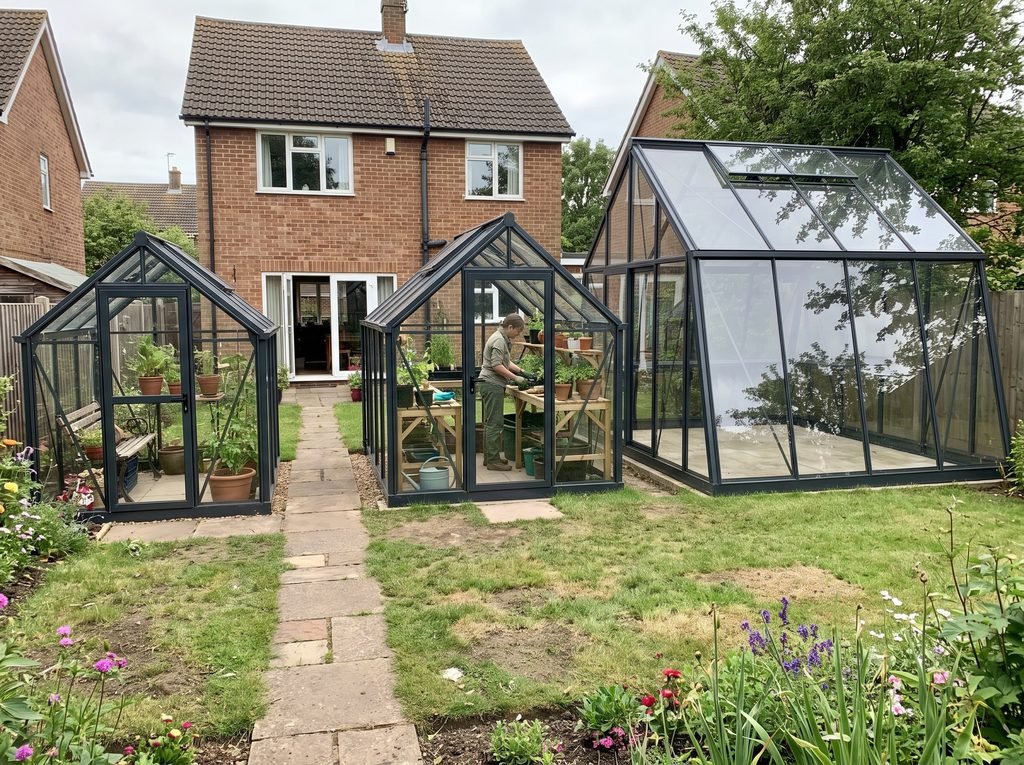
One of the biggest mistakes people make when buying a greenhouse is choosing a structure that is too small.
At first, a compact greenhouse can seem sensible because it takes up less space and may be cheaper to purchase. However, plants, pots, staging, watering equipment, propagation trays, compost, tools, and working areas quickly consume available room.
Think beyond what you need today.
If you currently grow a few tomato plants but expect your interest in gardening to increase over the next few years, additional space could prove extremely valuable.
A larger Hartley Botanic greenhouse can give you room to create different growing zones. One section could be dedicated to seedlings, another to vegetables, and another to plants requiring different temperature or humidity conditions.
Height is also important. A greenhouse with greater ridge height can provide better vertical space for tall crops, climbing plants, hanging baskets, and larger specimens.
Hartley Botanic’s larger models demonstrate how dramatically height can affect what is possible inside a glasshouse. The Grand Lodge, for example, is designed with substantial height for larger plants.
Before ordering, measure the full footprint available rather than simply guessing where the structure might fit. Allow room for doors to open, paths around the building, drainage, access for maintenance, and movement of plants and materials.
Glass-to-Ground or Brick-Base?
A major design decision is whether you want a glass-to-ground greenhouse or a brick-base structure.
Glass-to-ground designs can provide a visually open appearance and allow plenty of light into the growing environment. They can look particularly elegant in formal gardens and modern landscaping.
Brick-base greenhouses introduce a lower wall between the ground and the glazing. Hartley Botanic notes that a dwarf brick wall can provide an additional aesthetic effect while creating a practical area where tools and supplies can be kept less visible. Its guidance also notes that Hartley Botanic brick or cement bases can provide sturdy structural support.
A brick-base hartley botanic greenhouse can work beautifully when the structure needs to connect with existing masonry.
For example, if your home has red brick walls, a brick-base greenhouse can visually tie the garden and architecture together. It may also suit traditional planting designs better than a completely glazed structure.
The decision should be based on appearance, garden design, practical requirements, and the type of foundation available on your site.
Lean-To vs Freestanding Greenhouse Designs
Another important consideration is whether your Hartley Botanic greenhouse could stand independently or attach to an existing wall.
A freestanding hartley botanic greenhouse gives you flexibility over location and orientation. It can be positioned as the centrepiece of a kitchen garden, placed behind the house, or located within a larger landscaped garden.
A lean-to structure uses an existing wall as part of its design. Hartley Botanic describes lean-to greenhouses as structures that make use of an existing external wall as one of their edges.
Lean-to designs can be useful when space is limited or when you want easy access from the house. A suitable south-facing wall may also provide a beneficial microclimate, although the actual performance of a greenhouse depends on the location, shade, weather, ventilation, glazing, and surrounding buildings.
A bespoke Hartley Botanic greenhouse can be particularly useful for properties with established walls, courtyards, and walled gardens.
The Importance of Greenhouse Orientation
Buying an excellent greenhouse is only part of the process. Where you place it can significantly affect how useful it becomes.
Ideally, you want a location with good sunlight for the majority of the growing day, while avoiding unnecessary shade from trees and tall buildings.
Pay attention to the sun’s movement throughout the year rather than judging the site from one afternoon.
A location that looks bright in summer could become heavily shaded in winter when the sun is lower.
You should also consider prevailing wind, access, water supply, electrical requirements if you plan to install powered equipment, and drainage.
Avoid placing the greenhouse where rainwater cannot drain effectively. Waterlogged ground can make installation difficult and cause practical problems for paths and plant care.
An appropriately positioned hartley botanic greenhouse will be easier to maintain and more rewarding to use than an expensive structure installed in a poor location.
Glazing and Safety Considerations
Glazing is one of the most important elements of any greenhouse.
Hartley Botanic states that its standard range uses toughened safety glass, with specific products such as the Victorian Lodge using 4mm toughened safety glass to BS6206. The glazing is individually cushioned, and Hartley says its systems avoid glass-to-glass and glass-to-metal contact.
Safety glass provides an important practical benefit in a garden environment where people, pets, tools, football, and weather can all pose risks.
The large glazed surfaces of a premium hartley botanic greenhouse are also a major part of its appeal. They create a bright interior and help you visually connect the plants inside with the garden outside.
However, remember that glasshouses can become very warm in direct sun. Good ventilation is therefore essential.
Ventilation Matters More Than Many Buyers Expect
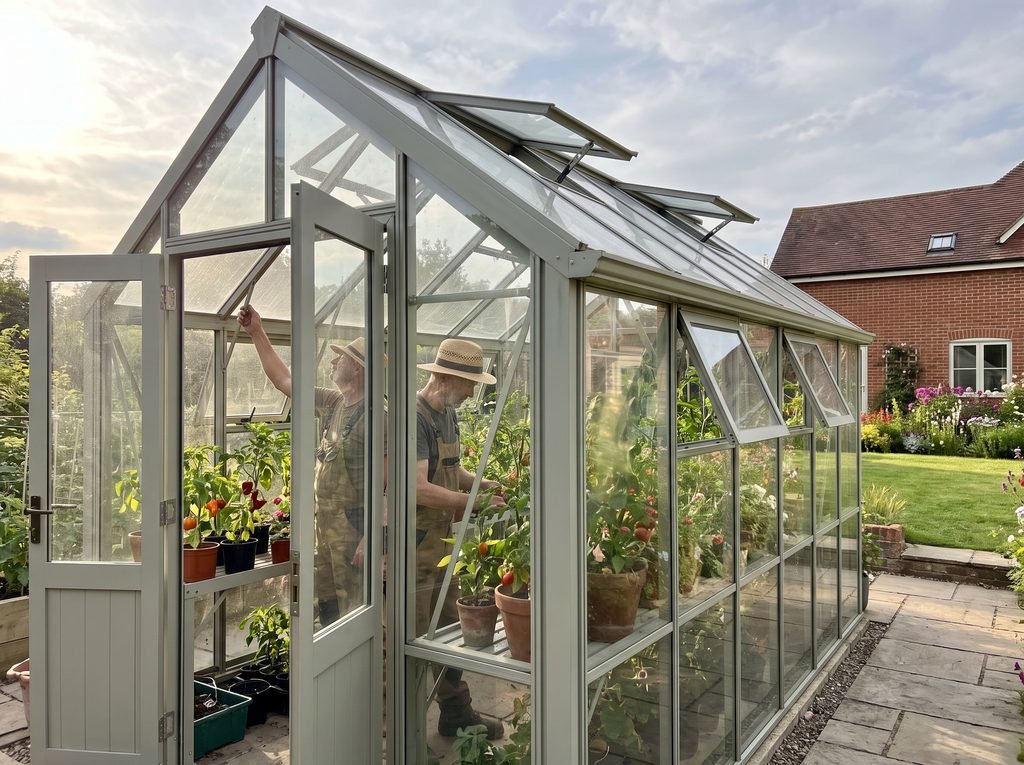
One common misconception is that a greenhouse needs to capture as much heat as possible at all times.
Plants need warmth, but excessive heat can cause stress, poor growth, wilting, and other problems.
Hartley Botanic highlights top-hung opening lights among the features of its greenhouse and glasshouse designs, helping provide controlled ventilation.
When choosing a Hartley Botanic greenhouse, think about how much air movement your plants will need during summer.
Ventilation may be especially important for:
Tomatoes and cucumbers can benefit from good airflow.
Seedlings need protection but can suffer when humidity becomes excessive.
Tender plants require stable conditions rather than extreme temperature swings.
Large glasshouses may benefit from multiple ventilation points because warm air can accumulate high within the structure.
A greenhouse design with good ventilation becomes much easier to manage when the weather changes rapidly.
What Can You Grow in a Hartley Botanic Greenhouse?
A high-quality greenhouse gives you much more freedom than simply growing tomatoes during summer.
You can use it for propagation, vegetable production, ornamental plants, overwintering, cut flowers, herbs, and specialist collections.
Early in the season, the greenhouse can be used to start seeds in a protected environment. As plants become established, you can move them into the garden or continue growing them under glass.
During summer, tomatoes, peppers, chillies, cucumbers, aubergines, basil, and other warm-weather plants can thrive in the right conditions.
Ornamental gardeners can use their hartley botanic greenhouse for pelargoniums, fuchsias, orchids, tender perennials, alpines, and other plants that benefit from protection.
The greenhouse can also become a valuable autumn and winter resource. Tender plants can be protected from frost, and cuttings can be maintained when outdoor conditions become difficult.
In practical terms, a well-equipped greenhouse can become a year-round extension of your garden.
Creating Different Growing Zones
One of the advantages of having a larger greenhouse is the ability to divide the interior into functional zones.
You might create one area for seedlings and propagation, another for mature plants, and a separate space for overwintering.
Shelving can make use of vertical space. Staging can create productive work areas. Hartley Botanics supports can allow climbers to make use of overhead space.
A large hartley botanic greenhouse can even be divided internally with glazed partitions, creating separate environments within one structure. Hartley Botanic has highlighted internal glazed partitioning among the customisation options available in its greenhouse designs.
This can be especially useful if you grow plants with different temperature, light, or humidity preferences.
Greenhouse Accessories That Can Make a Big Difference
The greenhouse frame and glazing are only the starting point.
The most useful accessories are often the ones that make daily gardening easier.
Staging creates practical surfaces for pots and trays. Shelving allows you to make better use of height. Cold frames are useful for protecting young plants and hardening off seedlings. Automatic ventilation equipment can reduce the need to manually open and close vents.
Hartley Botanic maintains a dedicated accessories and options section as part of its wider range.
When buying a Hartley Botanic greenhouse, consider the accessories at the same time rather than treating them as an afterthought.
A thoughtfully equipped greenhouse can feel much more spacious because everything has a designated place.
The Role of a Cold Frame
A cold frame can be particularly useful for gardeners who raise seedlings.
It offers a transition between indoor propagation and outdoor planting, allowing young plants to acclimatise gradually.
Hartley Botanic’s Victorian Lodge includes a cold frame configuration designed to help protect plants from extreme winds and temperatures and to support hardening off.
For gardeners who start plants indoors, a cold frame can become an important part of the growing process.
It can also offer a useful protected space when you need temporary shelter without filling the main greenhouse.
Why Aluminium Is a Practical Greenhouse Material
Aluminium is widely used for greenhouse construction because it can provide a strong, lightweight structural framework.
Hartley Botanic states that its greenhouse products use aluminium extrusions and powder-coated finishes, with stainless steel fixings in specified models.
The material also wHartley Botanicetically because it can be finished in different colours.
That means a hartley botanic greenhouse does not have to look like a generic silver-framed garden structure.
Colour can be selected to complement the property and surrounding landscape, helping the greenhouse feel more integrated into the garden.
Choosing the Right Greenhouse Colour
Colour is often treated as a cosmetic decision, but it can make a significant difference to how a greenhouse sits within a garden.
Hartley Botanic currently offers a broad colour selection, including shades such as Country Stone, Olive Leaf, Mist, Iron Grey, Bronze, Forest Green, Ruby Red, Black Olive, Dark Bronze, and Black, alongside newer options.
Traditional gardens may look beautiful with deep green or muted natural tones, while contemporary landscapes may suit bronze or black finishes.
A carefully chosen colour can help the hartley botanic greenhouse blend into the garden rather than competing with it.
It is worth viewing physical colour samples where possible because screen settings can affect how online colours appear.
How Durable Is a Hartley Botanic Greenhouse?
Durability is one of the main reasons buyers consider premium greenhouse manufacturers rather than inexpensive mass-market alternatives.
Hartley Botanic promotes longevity as a key principle of its product design. Its sustainability statement says its aluminium greenhouse and glasshouse collections are designed for longevity and intended to remain in active use for decades.
The company also currently advertises a 30-year lifetime guarantee for its range, while individual product pages reference construction designed to withstand severe weather.
That does not mean maintenance should be ignored.
Every greenhouse benefits from regular cleaning, inspection of seals and fixings, checking drainage, clearing gutters, and inspecting glazing after periods of severe weather.
A quality structure is an investment, but sensible maintenance helps protect that investment.
Maintenance Tips for Long-Term Performance
Looking after a greenhouse does not have to be complicated.
Regularly clean the glazing, so plants receive maximum available light. Check for dirt, moss, algae, and debris around drainage points. Inspect gutters and downpipes so rainwater can move away from the structure efficiently.
Keep paths and working areas clear. Remove dead leaves and plant material promptly to reduce the build-up of pests and disease.
Inspect doors and vents to ensure they open and close correctly.
At the end of the growing season, clean empty premium Hartley Botanic staging, shelving, pots, and propagation equipment.
For a premiumHartley Botanicc greenhouse, routine care is a small investment compared with the value of preserving the structure and creating healthy growing conditions.
Is a Hartley Botanic Greenhouse Good for Beginners?
A premium greenhouse is not exclusively for experienced gardeners.
In fact, beginners can benefit from the control and flexibility that a proper greenhouse provides.
The key is to avoid trying to grow everything at once.
Start with a manageable number of crops. Tomatoes, herbs, salads, peppers, and easy ornamental plants can provide an enjoyable introduction.
Use the greenhouse to learn how temperature, ventilation, watering, light, and seasonal timing interact.
A smaller Hartley Botanic greenhouse may be a better starting point than a huge structure if you are new to greenhouse gardening.
The goal should be to create a growing environment that is useful enough to inspire you without becoming difficult to manage.
Is a Large Greenhouse Worth the Investment?
For serious gardeners, a larger greenhouse can be worth considering because usable growing space often becomes more valuable as your interest develops.
A larger Hartley Botanic greenhouse gives you more room for staging, propagation, taller crops, specialist plants, and comfortable working space.
However, size should not be purchased simply for prestige.
Think about your garden, your available time, your budget, and your actual growing goals.
A huge greenhouse that is rarely used is less valuable than a smaller one that you enjoy visiting every day.
What Makes Bespoke Greenhouse Design Attractive?
Bespoke design becomes valuable when your site does not fit standard dimensions.
Imagine you have an existing brick wall and want a lean-to structure, or perhaps your garden haHartley Botanic shape that makes ordinary rectangular buildings inefficient.
A custom hartley botanic greenhouse can be designed around the site instead of asking the site to accommodate an off-the-shelf model.
Hartley Botanic’s bespoke greenhouse range includes unusual configurations and custom structures for private gardens and commercial applications.
This can also be valuable for gardeners who want a particular appearance.
You may want a Victorian structure with modern functionality, a contemporary greenhouse with a brick base, or a specialised structure designed around a collection of plants.
Greenhouse Installation and Site Preparation
A premium greenhouse deserves a properly prepared base.
An uneven foundation can cause problems during installation and may affect doors, glazing, alignment, and structural stability.
Hartley Botanic’s support resources include dedicated guidance for preparing the site, erecting a greenhouse, maintenance, delivery, heating, and other practical topics.
Its buying process includes discussing customer requirements, developing a technical specification, manufacturing to order, delivery, and erection at the location.
When planning a Hartley Botanic greenhouse, do not focus only on the structure itself. The foundation, access, drainage, assembly, and surrounding landscaping all form part of the project.
Greenhouse Heating for Colder Months
Heating may be appropriate if you want to grow tender plants beyond the warmer months.
The amount of heat required will depend on the greenhouse size, glazing, outside temperature, plant requirements, insulation strategy, and target temperature.
A heated Hartley Botanic greenhouse can be used to protect sensitive plants or maintain growth through colder seasons, but heating should be approached thoughtfully.
Rather than automatically trying to maintain a tropical environment, decide which plants genuinely need additional heat.
Grouping plants with similar requirements can make heating more efficient.
Good ventilation is still essential even in a heated greenhouse because excess humidity and overheating can create problems.
Making the Most of Natural Light
Natural light is one of the greatest benefits of a glasshouse.
Clean glazing, sensible plant spacing, and careful placement of shelves can make a major difference.
Avoid allowing dense foliage to block valuable light from lower-growing plants.
Tall plants should generally be positioned so they do not unnecessarily shade smaller crops.
The bright, open interior of a Hartley Botanic greenhouse can also make gardening more enjoyable because you can monitor plants closely throughout the year.
A Greenhouse Can Become a Garden Destination
There is another reason people invest in high-quality greenhouses: they can become places to spend time.
A well-designed glasshouse can be peaceful on a rainy day. It can become a place to pot plants, propagate seedlings, plan the garden, or simply sit among greenery.
Some larger structures can even be designed as multi-purpose spaces, combining horticultural use with areas for relaxation.
Hartley Botanic highlights the potential for its larger greenhouse structures to be used not only for plants but also as spaces for enjoying the garden.
That makes the Hartley Botanic greenhouse concept broader than simple crop production.
It can become part of the lifestyle and character of the property.
How to Compare Different Hartley Models
When comparing models, start with function rather than appearance.
Ask how many plants you want to grow, whether you need working space, whether you prefer traditional or modern architecture, whether the structure should be freestanding or lean-to, and whether you need a brick base.
Then consider dimensions.
After that, think about ventilation, doors, staging, shelving, colour, glazing, drainage, heating, and installation.
Only after these practical questions should you focus on which design looks most attractive.
This approach helps ensure that your chosen Hartley Botanic greenhouse works as well in practice as it looks in photographs.
Hartley Botanic Greenhouse vs a Basic Budget Greenhouse
Budget greenhouses can be perfectly suitable for casual gardening.
However, they generally exist to provide affordable protected growing space rather than a highly customised architectural feature.
The appeal of a premium Hartley Botanic greenhouse lies in craftsmanship, design choices, UK manufacturing heritage, materials, customisation, long-term durability, and the support available throughout the buying and installation process.
Hartley Botanic describes its glasshouses as being handmade to order and says it works with customers to create growing environments tailored to their requirements.
That level of personalisation is a major difference.
The right choice depends on your budget and expectations. A casual seasonal gardener may be perfectly happy with a simple greenhouse, while someone creating a permanent garden feature may want a structure designed for decades of use.
Sustainability and Long-Term Value
Sustainability is increasingly important when people buy garden buildings.
Replacing cheap structures repeatedly can create more waste than investing once in a durable product.
Hartley Botanic’s sustainability statement emphasises longevity and says its products are designed to remain in use for decades. It also identifies quality and durability as central principles of its manufacturing approach.
A long-lasting hartley botanic greenhouse can therefore be considered from the perspective of lifecycle value rather than initial purchase price alone.
The true value of the structure comes from how long it remains useful, how well it supports your gardening, and how successfully it integrates into your property.
Questions to Ask Before Buying
Before committing to a greenhouse, take time to answer a few practical questions.
How much space do you have?
What is the maximum footprint you can accommodate?
How much sunlight reaches the proposed site?
Do you want to grow food, flowers, tender plants, or a mixture?
Will you need heating?
Do you want a greenhouse visible from the house?
Would a lean-to structure be more practical?
Do you prefer Victorian or modern architecture?
Would a brick base suit the garden?
Will you need shelving and staging?
Do you want full installation or a self-assembly option where available?
Hartley Botanic notes that select designs offer a self-assembly choice, while its wider process also includes delivery and erection services.
Answering these questions first can make your buying experience much easier.
How Much Does a Hartley Botanic Greenhouse Cost?
One of the most common questions is price.
The answer varies considerably because the range includes different sizes, models, configurations, colours, glazing choices, bases, accessories, and bespoke requirements.
Larger structures naturally require more materials and installation work, while custom Hartley Botanic adds further complexity.
For that reason, it is better to think about the hartley botanic greenhouse as a tailored garden project rather than a product with one universal price.
Hartley Botanic directs customers toward enquiries and quotations for specific structures rather than presenting one single price covering the entire range.
When comparing quotations, look beyond the headline figure.
Check what is included in the frame, glazing, base, doors, vents, accessories, delivery, installation, and after-sales support.
The cheapest quotation is not always the best-value project.
What Is the Best Hartley Botanic Greenhouse for a Traditional Garden?
For a traditional garden, Victorian models are likely to be the most natural visual fit.
They can complement established planting, brick walls, formal paths, classic homes, and mature landscapes.
A Victorian Hartley Botanic greenhouse can also become an architectural focal point rather than disappearing into the background.
Large Victorian models can suit substantial properties, while smaller designs are available for more modest spaces.
What Is the Best Hartley Botanic Greenhouse for a Modern Garden?
For contemporary gardens, the Opus and modern ranges deserve close consideration.
Their cleaner lines, wider glazing, and minimalist approach can work well with modern paving, contemporary architecture, and landscaped outdoor rooms.
A modern hartley botanic greenhouse can look particularly impressive when positioned intentionally as part of the garden’s overall design.
What Is the Best Option for a Small Space?
If space is your biggest limitation, explore patio and small greenhouse designs before assuming you need a conventional walk-in model.
The Patio Glasshouse and smaller HartHartley Botanic intended to maximise compact growing areas.
A well-positioned compact hartley botanic greenhouse can be extremely productive when equipped with shelves and sensible internal organisation.
Frequently Asked Questions About Hartley Botanic Greenhouse Models
Where Are Hartley Botanic Greenhouses Made?
Hartley Botanic states that its greenhouses have been manufactured in the UK for 85 years, with the greenhouse business established in 1938. The company continues to describe its structures as manufactured in England.
Are Hartley Botanic Greenhouses Customisable?
Yes. Hartley Botanic offers different colours, dimensions, configurations, accessories, and bespoke greenhouse solutions. Its bespoke range is intended for sites and requirements that need something beyond a standard configuration.
Does Hartley Botanic Offer Modern Greenhouse Designs?
Yes. The Opus range includes modern designs such as the Opus Glasshouse, Magnum Opus, Opus Botanic, and Opus Grand Botanic.
Are There Small Hartley Greenhouses?
Yes. The current collection includes smaller models such as the Highgrow, Highgrow Planthouse, Patio Glasshouse, and Grow & Store options.
Can I Have a Brick-Base Greenhouse?
Yes. Brick-base structures form part of the Hartley range, and the company also showcases Victorian and contemporary greenhouse designs built around brick bases.
Does Hartley Botanic Offer Installation?
Hartley Botanic’s process includes delivery and erection at the customer’s location, while select designs may also have a self-assembly option.
What Type of Glass Is Used?
Specified Hartley models use toughened safety glass. For example, the Victorian Lodge uses 4mm toughened safety glass to BS6206.
Is There a Warranty?
Hartley Botanic currently advertises a 30-year lifetime guarantee across its range, with specific product pages referring to coverage and long-term structural durability. Always confirm the exact terms that apply to your chosen model and installation.
Final Thoughts: Is a Hartley Botanic Greenhouse Right for You?
Choosing a greenhouse is a Hartley Botanicion, so it maBotanic decisionto look beyond simple price and appearance.
The hartley botanic greenhouse range offers an unusually broad combination of traditional and modern designs, compact growing solutions, large-scale glasshouses, brick-base configurations, patio models, and bespoke structures. Hartley Botanic also emphasises UK manufacturing, customisation, long-term durability, and a customer support process that runs from the initial enquiry through to installation.
The biggest advantage of choosing from such a broad collection is flexibility.
You do not have to settle for a generic greenhouse that simply fits into the garden. You can choose a style that complements your property, select a size appropriate to your growing goals, consider the advantages of glass-to-ground or brick-base construction, and add accessories that make everyday gardening easier.
For smaller spaces, patio and compact models can turn unused corners into productive growing areas. For traditional gardens, Victorian models provide timeless visual appeal. For contemporary landscaping, the Opus range offers a cleaner architectural look. And for complex sites, bespoke greenhouse design provides the opportunity to create a structure around the garden rather than forcing the garden around the structure.
The most important step is to identify what you actually want from your greenhouse.
Think about how you garden today, but also consider what you may want to grow in five or ten years. Measure your site carefully. Study sunlight and shade. Plan access, drainage, ventilation, heating, staging, and storage. Then compare the Hartley models that match those requirements.
A greenhouse should not simply occupy space in your garden. It should add value to how you use the space.
Ready to Find Your Ideal Greenhouse?
If you are looking for a greenhouse that can combine serious growing potential with distinctive design and long-term value, exploring the Hartley Botanic range is a practical next step.
Start by identifying your preferred style, available dimensions, growing goals, and site conditions. Then explore the Victorian, modern, patio, small, brick-base, glass-to-ground, and bespoke options to find the structure that fits your garden best.
The right Hartley Botanic greenhouse can become more than a place to grow plants. It can become the centre of your gardening routine, a beautiful feature of the landscape, and a productive space that you can enjoy throughout the year.
Take the time to choose carefully, plan the site properly, and invest in the features that genuinely matter to your gardening style. When those decisions come together, your greenhouse can become one of the most valuable and enjoyable parts of the garden.