A strong connection with nature can teach lessons that traditional classrooms sometimes cannot. When young people work with plants, soil, trees, and real community projects, they gain more than gardening knowledge. They can develop confidence, responsibility, teamwork, communication skills, problem-solving abilities, and a stronger understanding of environmental stewardship. This is the idea behind Greenhouse Academy, a Canadian not-for-profit social enterprise that combines practical learning with environmental education and community development. Its programs are designed to give participants hands-on experiences that can support both personal growth and future workplace readiness.
Table of Contents
The organization takes a particularly interesting approach because learning is connected to real activity rather than being limited to theory. Its tree nursery model allows young people involved in programs to participate in growing and managing trees, while sponsored seedlings can support education and social training opportunities. The organization says that seedlings grown through its sponsorship programs are donated to community projects involving beautification, conservation, and naturalization.
For parents, educators, community organizations, and people interested in sustainable development, this model raises an important question: what happens when education becomes directly connected to practical environmental work? In many cases, the answer is a learning experience that feels meaningful because participants can see the results of their effort. This guide explores what Greenhouse Academy is, how its approach works, why experiential learning matters, and what broader lessons can be taken from its model.
What Is Greenhouse Academy and Why Does It Matter?
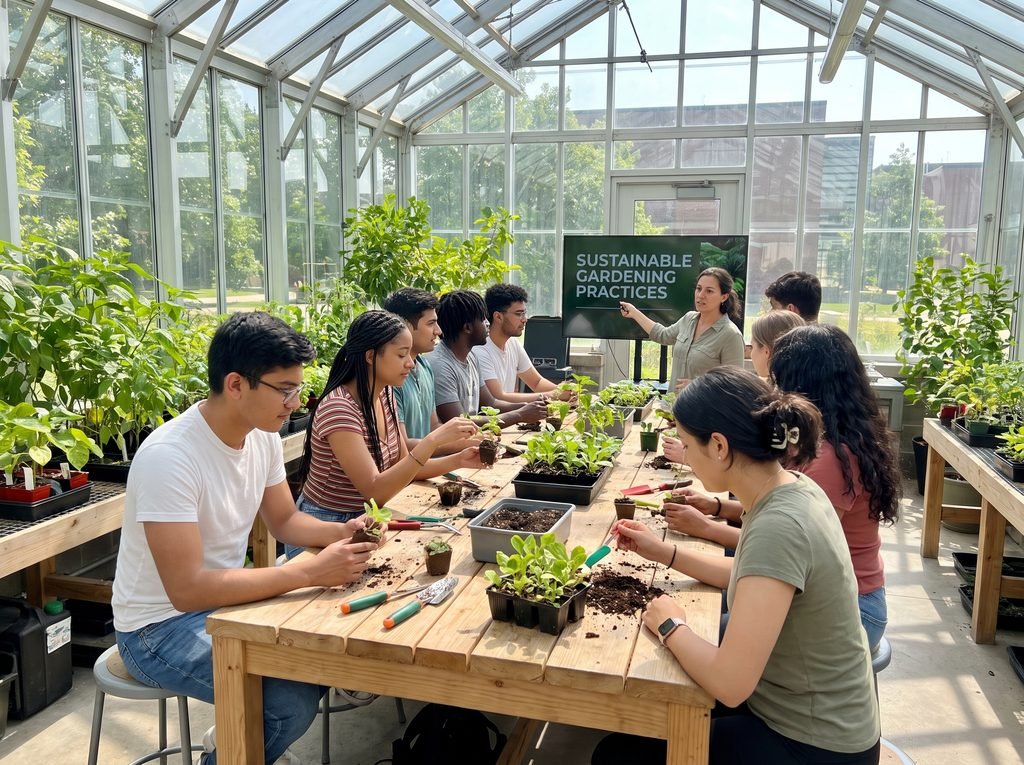
Greenhouse Academy is a Canadian organization focused on practical learning, environmental stewardship, community building, and skills development. According to its official information, the organization was created in response to a need for practical learning opportunities that can help prepare people for future work and community involvement. Rather than treating education as something separated from real life, its approach connects learning with activities that require participation, responsibility, and cooperation.
At the centre of the model is a tree nursery operated as part of the organization’s social-enterprise structure. Young people participating in relevant programs can become involved in planning, growing, and managing trees. This creates an environment where participants can practice skills while contributing to a tangible project. The organization explains that partnerships and sponsorships help fund seedlings and educational opportunities, creating a connection between environmental projects and youth development.
This approach is significant because it combines several forms of learning at once. Participants can learn about environmental responsibility, but they can also gain experience with planning, communication, reliability, teamwork, and workplace behaviour. The organization’s stated mission includes helping young people become entrepreneurial thinkers and environmental stewards while strengthening capabilities and confidence.
The Main Idea Behind Greenhouse Academy
The philosophy of Greenhouse Academy can be understood through one simple concept: people often learn best when they are actively involved in meaningful work. Reading about sustainability can introduce an idea, but planting, caring for, and managing living materials can turn that idea into practical knowledge.
Experiential learning gives participants opportunities to observe consequences directly. A plant that does not receive appropriate care may struggle. A project that lacks teamwork may fall behind. A task completed carefully can contribute to a successful outcome. These experiences create opportunities to connect actions with results.
This model also has value because environmental education does not have to feel abstract. Topics such as conservation, naturalization, sustainable development, and environmental stewardship can seem distant when they are discussed only in a classroom. Practical projects help make these ideas visible and easier to understand.
The organization describes its learning as community-connected and experiential, with an emphasis on developing transferable skills and supporting workplace readiness.
Learning Through Real Responsibility
One of the strongest features of practical education is responsibility. When participants have real tasks to complete, they are encouraged to think about quality, time, consistency, and consequences.
Growing trees is a good example because living materials require attention over time. A participant cannot simply complete one assignment and forget about it. Plants need continued care, and successful growing depends on a sequence of activities.
This creates opportunities to develop habits that can be useful well beyond horticulture. Patience, observation, organization, and consistency can apply to almost any workplace or educational environment.
Building Confidence Through Achievement
Confidence can grow when people see evidence that their effort produces a result. Someone who starts with limited practical experience may gradually become more comfortable handling tools, following instructions, communicating with others, or completing tasks independently.
That is an important part of Greenhouse Academy because its official mission emphasizes growing capabilities and confidence. The organization presents its programs as opportunities for people of different ages and abilities to gain transferable skills through hands-on experiences.
How Greenhouse Academy Connects Environmental Learning With Careers
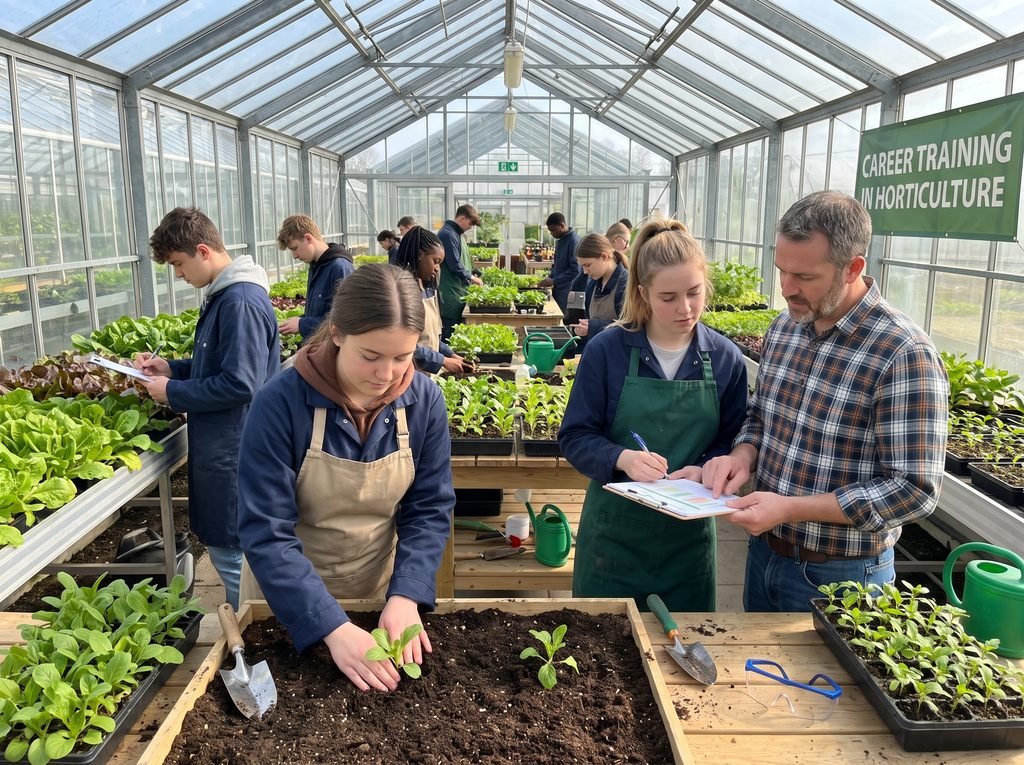
Environmental education and career development are sometimes treated as separate subjects, but they can overlap naturally. Many workplace skills are developed while completing practical environmental tasks.
For example, a participant working in a nursery may need to follow procedures, communicate with supervisors, organize materials, manage time, cooperate with other people, and respond to unexpected problems. Those abilities are not limited to gardening. They can be relevant in retail, administration, hospitality, landscaping, conservation, construction, logistics, and many other fields.
The practical model used by Greenhouse Academy therefore has potential beyond environmental awareness. Its official description says its programs support personal development and workplace readiness through experiential activities.
This is especially valuable for young people who may benefit from seeing how skills operate in real situations. Someone can understand the concept of teamwork from a textbook, but working with others on an actual project provides a different kind of lesson.
Transferable Skills That Can Develop
Communication is one example. Participants may need to ask questions, explain problems, listen carefully, and coordinate tasks with others.
Time management is another. Environmental projects can involve schedules, stages, deadlines, and maintenance. Learning how to prioritize tasks can become a useful habit.
Problem-solving is also naturally present. Plants may not develop as expected, materials can become unavailable, weather can affect work, and projects can change. Participants learn to adapt rather than assuming that every task will proceed exactly as planned.
These are valuable skills because employers often look beyond technical knowledge. Reliability, cooperation, communication, and willingness to learn can influence how effectively someone performs in a workplace.
The Role of the Tree Nursery
The tree nursery is one of the most distinctive elements associated with Greenhouse Academy. According to the organization’s official story, trees are planned, grown, and managed by youth involved in its programs. The nursery therefore serves as both an environmental operation and a learning environment.
A nursery provides many opportunities for practical learning. Participants can encounter different stages of plant development and begin to understand that environmental projects require long-term thinking.
A seedling is not simply an object that is planted and immediately forgotten. Its development depends on suitable conditions, care, and monitoring. That process can reinforce patience and attention to detail.
The nursery also illustrates how environmental projects can create social value. When seedlings are donated to community projects, the benefits can extend beyond the people directly involved in growing them. The organization states that sponsored seedlings can support community beautification, conservation, and naturalization projects.
Why Growing Trees Is an Educational Experience
Trees provide a useful teaching tool because they develop over time. This encourages participants to think beyond immediate results.
A person planting a seedling may not see a dramatic change in a few days. However, consistent care can contribute to development over longer periods. That experience can help introduce ideas about patience, planning, sustainability, and long-term investment.
Tree growing also connects individual actions with community outcomes. A single young tree may appear small, but many trees planted across public spaces can contribute to a larger environmental project.
Community Building Through Greenhouse Academy
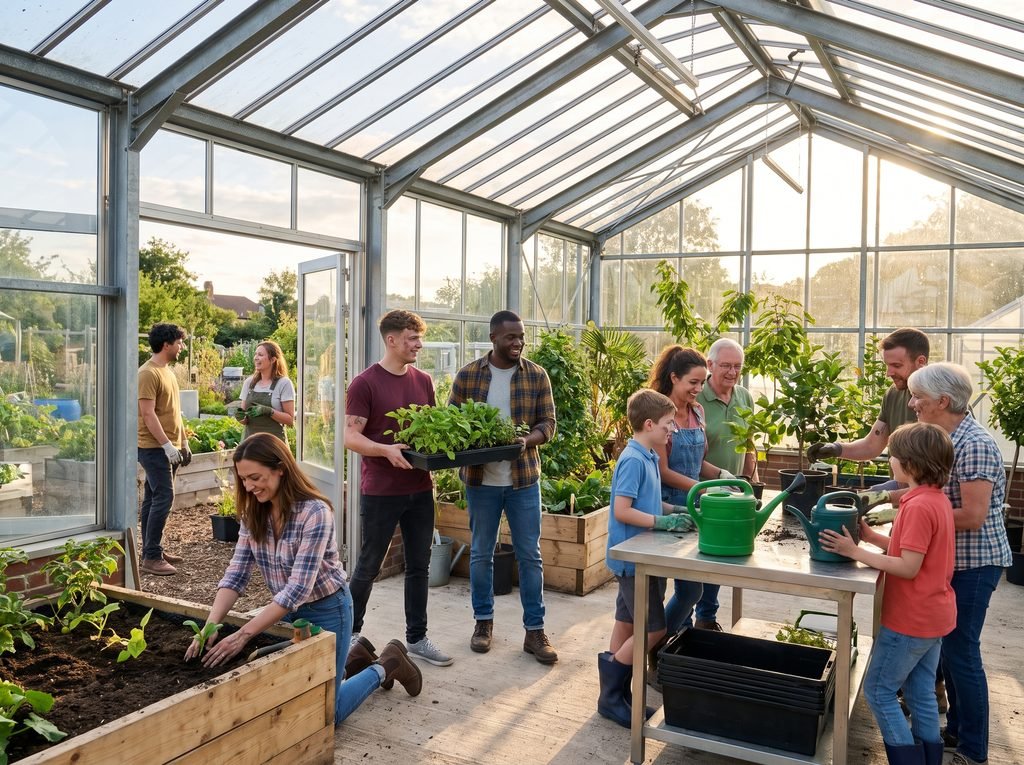
A major theme of Greenhouse Academy is the connection between learning and community. The organization describes its work as community-connected experiential learning and emphasizes partnerships, volunteering, and social development.
Community projects can give participants a sense that their work has value beyond the immediate learning environment. Instead of completing an activity solely for a grade or certificate, they can understand that their contribution may eventually benefit other people.
This can be particularly motivating for young people. A project becomes more meaningful when participants can see who benefits from it.
Community-based environmental activities can also bring together groups that might otherwise have limited interaction. Schools, local organizations, businesses, volunteers, families, and community leaders can potentially work toward shared objectives.
Partnerships Make the Model Stronger
Partnerships can be essential to social enterprises because educational and environmental projects require resources. The organization states that it works with partners and sponsors to support seedlings and educational opportunities.
This creates a relationship between sponsorship and social impact. A sponsor can contribute to an environmental project while also helping provide opportunities for participants.
The model demonstrates how sustainability can be approached as both an environmental and social responsibility. Protecting green spaces matters, but creating pathways for people to learn, participate, and develop skills can also produce long-term benefits.
Environmental Stewardship as a Practical Lesson
Environmental stewardship means more than simply appreciating nature. It involves understanding that human decisions influence natural systems and that responsible action can help protect resources.
The educational approach associated with Greenhouse Academy provides a practical way to introduce this idea. Growing plants and trees can help participants understand the importance of care, resources, planning, and long-term environmental thinking.
Working with living plants also encourages observation. Participants have to pay attention to changing conditions rather than assuming that every day will be the same.
This can make sustainability more approachable. Instead of presenting environmental responsibility only as a large global issue, educators can begin with a local project and show how small actions contribute to wider objectives.
Conservation and Naturalization
The official organization information specifically mentions conservation and naturalization as areas supported by its seedling sponsorship work.
Naturalization projects can help communities create spaces that support healthier relationships between built environments and nature. Although individual projects may vary, planting trees and vegetation can transform ordinary spaces into greener environments.
For learners, participating in such projects can provide a direct connection between environmental theory and visible change.
Why Experiential Education Can Be So Effective
Experiential education has a major advantage: it encourages people to learn by doing. A concept becomes easier to understand when a person has an opportunity to practice it.
For example, learning about plant health can be useful, but observing a plant over time adds another dimension. Participants can notice changes, identify potential problems, ask questions, and adjust their approach.
The same applies to workplace skills. Communication is more meaningful when a person has to communicate with a real team. Time management becomes practical when a task must be completed within a defined period.
The philosophy behind Greenhouse Academy demonstrates how environmental activity can become a platform for broader education. Its stated programs are intended to support personal development and workplace readiness through hands-on activities.
Greenhouse Academy and Youth Development
Young people can benefit from opportunities that allow them to build both technical and personal capabilities. A structured practical environment can provide a different learning experience from conventional classroom education.
One of the most valuable aspects is the opportunity to make progress visible. A participant might begin with little confidence but gradually become more comfortable with tasks, communication, and decision-making.
Youth development is not only about acquiring knowledge. It can also involve learning how to respond when something does not go as expected.
Environmental projects naturally create such opportunities because living systems are not always perfectly predictable. Weather, growth patterns, and resource availability can change.
Encouraging Entrepreneurial Thinking
The organization says it aims to encourage entrepreneurial thinkers and environmental stewards.
Entrepreneurial thinking does not necessarily mean starting a company. It can involve recognizing opportunities, solving problems, taking initiative, evaluating results, and thinking creatively.
These qualities can be developed through practical projects because participants are often required to make decisions rather than simply repeat information.
What Students Can Learn From a Nursery Environment
A nursery can function like a small practical workplace. People have responsibilities, materials need to be managed, and tasks need to be completed accurately.
This environment can teach students that quality comes from repeated attention. A successful outcome usually depends on several small actions being done correctly rather than one dramatic effort.
It can also reinforce the idea that different roles contribute to a shared goal. One person may focus on planting, another on organization, and another on communication or project management.
The lessons can extend far beyond horticulture.
The Importance of Inclusive Learning
The official description of Greenhouse Academy notes that its skills development opportunities are available to people of different ages and abilities.
Inclusive learning matters because people do not all learn in the same way. Some participants may thrive through discussion and reading, while others may gain confidence more quickly through practical activities.
Hands-on learning can provide another pathway for participation. By creating tasks that involve different abilities and responsibilities, programs can offer people opportunities to contribute meaningfully.
This broader approach can also strengthen communities because it recognizes that skills and potential can develop through many different routes.
How Families Can Encourage Green Learning at Home
The philosophy behind Greenhouse Academy can inspire families even when they do not have access to a formal program. Practical environmental learning can begin with simple activities at home.
Growing herbs, starting seedlings, planting flowers, caring for trees, composting organic material, or observing local wildlife can all create opportunities for children and adults to learn together.
The most important part is not the size of the project. It is the opportunity to observe, participate, ask questions, and understand the connection between actions and results.
A small gardening project can become a lesson in patience. Measuring growth can introduce basic mathematics. Planning planting dates can teach organization. Discussing environmental conditions can encourage scientific thinking.
How Teachers Can Use Similar Ideas in Schools
Teachers can adapt experiential learning without creating an entire nursery. Even a small school garden can provide a powerful educational environment.
Students might be responsible for different parts of a project and record their observations over time. Science lessons can explore plant biology, mathematics can involve measuring growth, and language lessons can involve writing observations or project reports.
The advantage is that one project can connect multiple subjects.
Teachers can also encourage reflection after practical activities. Students can discuss what worked, what failed, what surprised them, and what they would do differently. Reflection helps turn activity into deeper learning.
Greenhouse Academy as a Model for Social Enterprise
The organization also provides an interesting example of how social enterprise can connect business activity with community outcomes. Rather than treating social impact and financial sustainability as completely separate ideas, the model links sponsorship and environmental production with educational opportunities.
The official site describes Greenhouse Academy as a registered not-for-profit social enterprise and explains that its tree nursery supports educational and social training programs.
This structure illustrates an important principle: a project can create value in several ways at once.
A tree can have environmental value. Growing that tree can create a learning opportunity. Sponsoring that seedling can contribute to training. Planting it in a community can improve a shared space. A single activity can therefore connect environmental, educational, economic, and social objectives.
Why Practical Green Skills Are Becoming More Valuable
Skills connected to environmental responsibility are increasingly relevant across many sectors. Businesses, communities, schools, and governments all face questions about sustainability, resource use, climate resilience, and responsible development.
Not every future job will be directly related to horticulture or conservation. However, workers who understand sustainability and can think practically about resources may be better prepared to participate in environmentally conscious workplaces.
Programs based on practical experience can therefore contribute to a wider culture of sustainability.
Can Greenhouse Academy Help People Prepare for Work?
Based on the organization’s stated goals, workplace readiness is an important part of its educational approach. Its skills development program is designed to provide transferable skills, experience, personal development, and confidence.
That does not mean every participant will follow the same career path. Instead, the emphasis is on developing capabilities that can transfer to different environments.
Someone may leave a practical program with stronger communication skills, greater confidence, better time management, and more experience working as part of a team.
Those outcomes can be useful when applying for future employment, education, volunteering, or community opportunities.
What Makes Greenhouse Academy Different From Traditional Learning?
Traditional education has an important role, but practical organizations can offer a different experience. Instead of focusing primarily on information transfer, experiential programs give participants opportunities to apply ideas.
This difference can be especially meaningful for learners who enjoy practical work.
The model associated with Greenhouse Academy is distinctive because environmental activity becomes the setting for multiple kinds of development. Participants can work with plants while simultaneously developing communication, responsibility, teamwork, and workplace habits.
This does not mean traditional education is less valuable. Rather, it shows why different forms of learning can complement one another.
How Greenhouse Learning Can Influence Future Generations
Environmental habits formed early can influence how people think about resources and community spaces later in life. Someone who has personally experienced the time and effort required to grow a tree may develop a different appreciation for mature green spaces.
Practical experiences can also change the way people think about waste, water, soil, biodiversity, and responsible consumption.
When young people participate in environmental projects, they are not simply learning about nature. They are developing relationships with their local environment.
That relationship can be one of the strongest foundations for long-term stewardship.
Frequently Asked Questions About Greenhouse Academy
Is Greenhouse Academy a gardening school?
The Canadian Greenhouse Academy is better understood as a practical learning and social-enterprise organization rather than simply a conventional gardening school. Its activities include experiential learning, environmental stewardship, skills development, community building, and workplace readiness. Its tree nursery is an important part of the model.
What does Greenhouse Academy do?
According to its official website, the organization provides hands-on learning opportunities, operates a tree nursery connected to youth programs, develops transferable skills, and works with partners and sponsors to support educational and environmental outcomes.
Who can benefit from Greenhouse Academy programs?
Its skills development information says its opportunities are available to people of all ages and abilities. The programs focus on practical experience, personal development, transferable skills, and workplace readiness.
Why are trees important to the program?
Trees give participants a practical way to learn about responsibility, environmental stewardship, planning, and long-term growth. The organization also says seedlings grown through its sponsorship programs are donated to community conservation, beautification, and naturalization projects.
Is Greenhouse Academy connected to the Netflix series?
There is also a separate Netflix series called Greenhouse Academy. Netflix describes it as a teen drama about siblings Hayley and Alex attending an elite boarding school, where they encounter rivalry, romance, and a mystery. Netflix lists four seasons.
The television series should not be confused with the Canadian environmental learning organization discussed in this article.
How to Get the Most From a Practical Environmental Program
People joining a practical learning opportunity can get more from the experience by approaching every task as a chance to develop a skill.
Instead of focusing only on completing an assignment, participants can ask why the task matters, what happens when it is done incorrectly, and how the same skill might apply somewhere else.
Keeping a simple learning journal can also help. Participants can record what they worked on, what they discovered, challenges they encountered, and improvements they made.
Another useful habit is asking for feedback. Practical environments provide opportunities to learn through correction, and constructive feedback can help participants improve more quickly.
The Bigger Lesson Behind Greenhouse Academy
The broader lesson of Greenhouse Academy is that education can be connected to meaningful action. A person does not always need a complicated classroom setup to learn valuable skills.
A tree nursery can become a classroom. A community planting project can become a lesson in teamwork. Caring for seedlings can become a lesson in responsibility. Organizing supplies can become a lesson in workplace readiness.
The value comes from connecting the activity with reflection and purpose.
This approach also demonstrates that environmental projects can have social benefits. When young people are given opportunities to participate, they can develop confidence while contributing to something that benefits their community.
Why This Model Is Worth Paying Attention To
There is growing interest in education that prepares people not only to pass examinations but also to participate effectively in real-world environments. Practical learning can help bridge that gap.
The model represented by Greenhouse Academy combines environmental work with skills development and community engagement. Its official materials emphasize experiential learning, workplace readiness, personal development, and environmental stewardship.
That combination makes the model particularly interesting for educators and community organizations looking for ways to connect learning with sustainability.
It also demonstrates how relatively simple activities can become powerful educational tools when they are structured around real responsibility.
Final Thoughts on Greenhouse Academy
Greenhouse Academy represents an approach to learning that puts practical experience, environmental responsibility, confidence building, and community connection at the centre. Its tree nursery model gives participants opportunities to work with living materials while developing transferable abilities that can be useful far beyond the garden or nursery.
The organization says its purpose includes creating practical learning opportunities, supporting environmental stewardship, developing workplace skills, and strengthening communities. Its youth-focused nursery work also shows how environmental projects can generate educational and social value at the same time.
The biggest takeaway is simple: meaningful learning does not always happen behind a desk. Sometimes it happens while planting a seedling, solving a practical problem, communicating with a teammate, planning a project, or watching a small plant develop over time.
For parents, educators, organizations, and anyone interested in sustainable development, this is a valuable reminder that environmental education can be practical, inclusive, and closely connected to real life.
If you are looking for ways to make environmental learning more engaging, consider bringing more hands-on projects into your school, home, organization, or community. Start small, give participants real responsibility, and create opportunities for them to see the results of their work. A simple growing project today can become a lesson in confidence, sustainability, teamwork, and leadership tomorrow.
And that is perhaps the most powerful idea behind Greenhouse Academy: when people are given the opportunity to grow something meaningful, they can grow themselves at the same time.