Choosing the right greenhouse is a major decision for any gardener. A greenhouse is not simply a glass structure placed in the garden; it can become the centre of year-round growing, seed raising, propagation, fruit production, vegetable cultivation and the protection of delicate plants. For gardeners who want a combination of strength, low maintenance, attractive design, and dependable performance in the British climate, an aluminium greenhouse is a particularly appealing option.
Aluminium has become one of the most popular frame materials for modern glasshouses because it offers durability without the regular maintenance associated with timber. The Royal Horticultural Society states that aluminium is usually the material of choice for a glasshouse and notes that it requires little upkeep while its relatively slim glazing bars create less shade inside the structure.
Table of Contents
For UK gardeners, the quality of the construction matters just as much as the choice of material. British weather can bring heavy rain, strong winds, cold nights, and sudden changes in temperature. A well-designed greenhouse, therefore, needs more than attractive glass panels. It needs a strong frame, reliable glazing, good ventilation, a secure foundation, and practical features that make everyday gardening easier.
Rhino Greenhouses is a UK manufacturer that focuses on aluminium greenhouse construction. According to the company, its greenhouses are designed and manufactured at its Norfolk factory, with ranges including the Classic, Premium, and Ultimate collections. Its current products feature high-quality aluminium frames, 4mm toughened safety glass, ventilation systems and integral bases, while the company advertises a 25-year guarantee on its greenhouses.
This guide explains what makes a quality UK-made greenhouse worth considering, how aluminium compares with other frame materials, what features to examine before buying, how to choose the right size and location, and how to get the best results from your greenhouse throughout the year.
Why an Aluminium Greenhouse Is a Smart Choice for UK Gardens
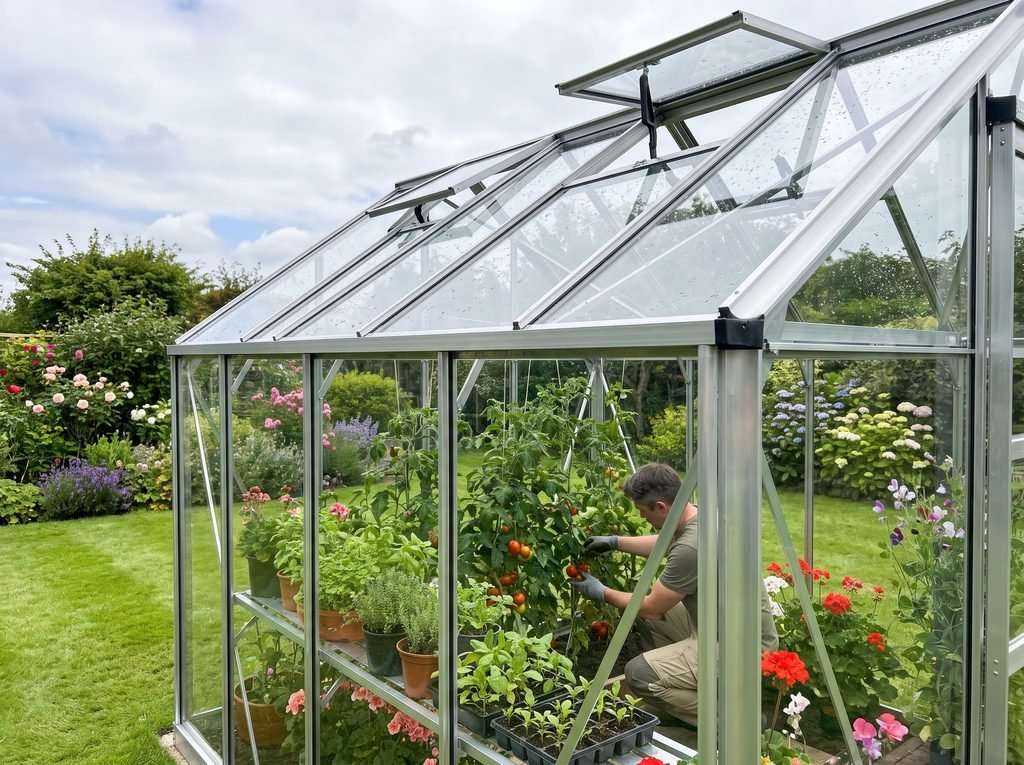
The biggest advantage of an aluminium greenhouse is the balance between strength and low maintenance. Aluminium can create a robust frame without the bulk associated with some wooden structures. This allows manufacturers to design structures with relatively slim glazing bars, helping more natural light reach the plants.
Light is one of the most important resources inside a greenhouse. Plants depend on sunlight for photosynthesis, and excessive shading can reduce growth. The RHS recommends aluminium as a practical glasshouse material partly because the glazing bars can be thinner than those on many timber structures.
Another advantage is maintenance. Wooden greenhouses can look beautiful, but timber normally requires periodic treatment and maintenance to help protect it from weathering. Aluminium is much more convenient for gardeners who want to spend their time growing plants rather than maintaining the structure. The RHS specifically notes that aluminium needs no routine upkeep in the same way timber does.
A good aluminium greenhouse can also provide a clean, modern appearance. Natural aluminium has a simple metallic look, while coloured finishes can make the greenhouse blend more naturally with the surrounding garden. This is particularly useful when the greenhouse is positioned where it can be seen from the house.
However, the quality of the design remains important. A thin or poorly engineered frame is not automatically strong simply because it is made from aluminium. Gardeners should look beyond the material name and examine the construction, glazing system, bracing, anchoring, and overall specification.
What Makes a Quality UK-Made Aluminium Greenhouse Different?
Not every greenhouse is designed to the same standard. When comparing models, it can be tempting to focus exclusively on the purchase price, but the cheapest option may not provide the strength, usability, or longevity that a serious gardener needs.
A quality aluminium greenhouse should begin with the frame. Look for well-engineered aluminium sections, secure joints and sufficient structural support. The frame needs to hold the glazing securely while resisting movement caused by wind and weather.
The glazing system deserves equal attention. Rhino, for example, states that its Classic greenhouse uses a glazing system that locks glass panels securely in place with long rubber beads. The company says the system grips the glass more tightly as wind pressure increases.
The type of glass is another important consideration. Rhino says its greenhouses use 4mm toughened safety glass, while the RHS recommends toughened glass for doors and areas where people could fall against glazing.
Strong glazing is especially valuable in a family garden where children, pets,s or frequent visitors may be nearby. Toughened glass is designed with safety in mind and is a sensible feature when buying a permanent garden structure.
Aluminium Frame Strength Matters More Than Appearance
A greenhouse can look impressive in photographs while still having an underwhelming structural design. When choosing a quality aluminium greenhouse, strength should therefore be one of the first things you investigate.
The British climate can be unpredictable. A greenhouse may experience strong gusts during winter, heavy rain, and occasional severe weather. The frame must transfer those forces effectively down to the foundation rather than relying solely on glass panels for stability.
Rhino states that its Classic model contains around 60% more aluminium in its frame than similarly priced models. Its Premium range also incorporates heavy-duty T-section cantilever bracing intended to improve strength and stability in severe weather.
These specifications illustrate an important principle: aluminium quantity and frame engineering can matter. When comparing greenhouses, ask how much structural aluminium is used, how the corners are reinforced, what type of bracing is included, and how the greenhouse connects to its base.
A strong frame may also reduce movement around the glazing. That matters because excessive movement can place additional stress on seals, clips,s and glass. Good engineering is therefore about the complete structure rather than one isolated component.
4mm Toughened Safety Glass Offers a Practical Advantage
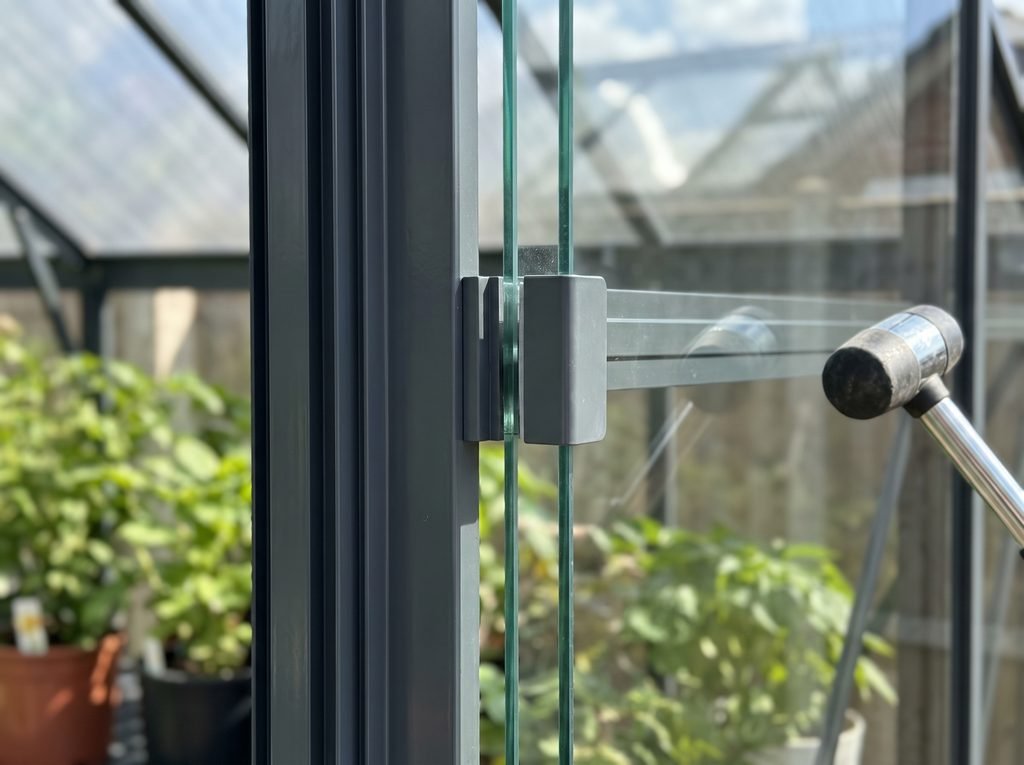
Glass remains one of the most effective greenhouse glazing materials. According to the RHS, glass allows around 90 percent of light through, does not degrade in sunlight in the same way some plastics can, and has excellent properties for greenhouse cultivation.
For gardeners choosing an aluminium greenhouse, 4mm toughened safety glass can therefore be an attractive specification. It combines high light transmission with increased safety compared with ordinary horticultural glass.
Rhino currently states that its greenhouses use 4mm toughened safety glass across its ranges. The company also describes rounded edges on its glass panes as an additional safety feature during installation.
When considering glass, remember that thickness is only part of the equation. You should also investigate how the panes are held in the frame. A well-designed glazing system should minimise the chance of panels shifting or becoming loose during difficult weather.
The quality of seals and glazing beads also matters. Good seals help reduce draughts while making the structure more secure. This can become particularly important when you plan to use the greenhouse during colder months.
Excellent Ventilation Is Essential for Healthy Plants
One of the easiest mistakes for a new greenhouse owner is to concentrate on warmth while forgetting ventilation. An aluminium greenhouse can heat up surprisingly quickly when the sun appears, even during spring and autumn.
The RHS explains that ventilation helps reduce excessive temperatures, refreshes air, and can help reduce the risk of fungal problems. Roof vents are particularly important because hot air rises naturally.
The RHS recommends roof ventilation equivalent to around 15–20 percent of the greenhouse floor area for effective ventilation in many traditional glasshouse designs. It also explains that roof vents are generally more effective than side vents.
Automatic ventilation can make greenhouse management easier. Rhino’s current greenhouse range includes solar-powered automatic roof vents among its standard features.
This can be particularly helpful for people who work full-time or regularly leave home. Rather than relying entirely on manually opening vents, an automatic system can respond to temperature changes when you are not available.
Nevertheless, automatic ventilation should complement sensible greenhouse management rather than replace it. On hot days, gardeners may still need to open doors, use shading, and monitor conditions.
Choosing the Right Size Aluminium Greenhouse
Size is one of the most important decisions because the best greenhouse is not necessarily the biggest one you can physically fit into your garden.
A small aluminium greenhouse can be ideal for beginners, container gardeners,s and people with limited outdoor space. It can provide enough room for seed trays, tomatoes, herbs, salads, and a handful of tender plants.
However, many gardeners underestimate how quickly a greenhouse fills up. A few seed trays become shelves, the shelves become crowded, and suddenly there is no space left to walk comfortably.
Before buying, think about what you want to grow over the next five to ten years rather than only what you grow today. If your long-term plans include tomatoes, cucumbers, peppers, seedlings, hanging baskets,s and winter plants, additional floor area can be extremely useful.
Rhino currently offers different greenhouse collections and sizes, with its ranges covering small and large configurations. The Classic range is offered in 6ft and 8ft widths, while the Premium range extends to wider and longer configurations.
Height should also be considered. The RHS recommends an eaves height of at least 1.5 metres and ideally around 1.8 metres or more because taller structures provide improved light transmission and a wider range of growing possibilities.
Where Should You Put Your Greenhouse?
Even the best aluminium greenhouse cannot perform properly if it is placed in the wrong part of the garden.
Choose a location with plenty of natural sunlight. The RHS recommends positioning a greenhouse where it can receive uninterrupted sunlight for much of the day while also considering protection from cold winds.
The orientation of the greenhouse can also influence winter and summer performance. An east-west orientation can slightly extend available winter light, while na orth-south orientation can be useful for summer crops such as tomatoes because both sides can receive sunlight at different parts of the day.
Avoid placing the greenhouse directly beneath large trees whenever possible. Falling branches can damage glass, while leaves and debris can block light and gutters.
Access is another consideration. A greenhouse may be enjoyable in summer but much less convenient in winter if you have to cross a muddy lawn every time you need to water plants.
Ideally, position it close enough to the house that regular maintenance is easy. Think about carrying compost, watering cans, trays, pots, and harvested vegetables between your home and the greenhouse.
Why an Integral Base Can Be So Useful
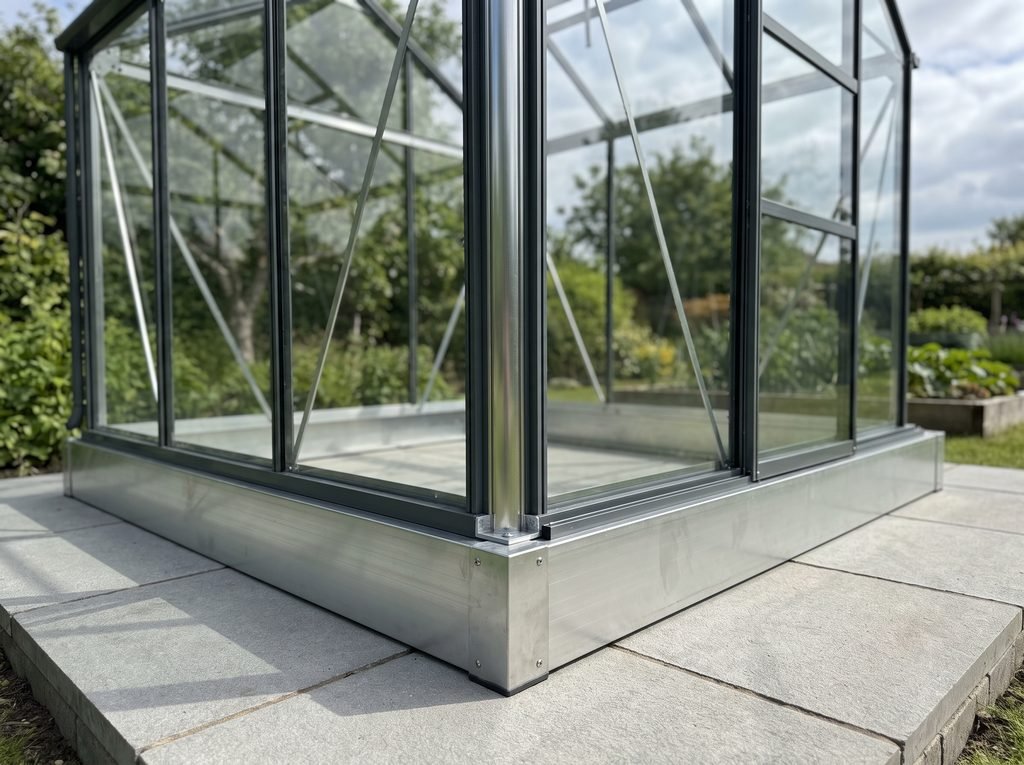
The foundation is often overlooked during greenhouse shopping. Yet a sturdy foundation is vital because it helps stabilise the entire structure.
Rhino states that its greenhouses include integral bases designed for use with soil or concrete bases, pavinslabs,s and brick or block perimeter plinths.
When selecting an aluminium greenhouse, investigate exactly how the base works and what foundation is required. A strong frame cannot compensate for an unstable foundation.
The ground should be level and capable of supporting the greenhouse evenly. An uneven base can make doors difficult to operate and can put unnecessary stress on the structure.
You should also consider drainage. The greenhouse should not sit in a place where rainwater naturally collects. Persistent water around the foundation can make the surrounding area muddy and inconvenient, while poor drainage can create an unpleasant environment for everyday gardening.
Make Better Use of Vertical Space
One of the best ways to increase the growing capacity ,of an aluminium greenhouse is to use vertical space.
Hanging baskets, shelves, staging and overhead rails can transform the interior. Rhino includes two hanging basket rails as standard on its greenhouses, helping gardeners make use of unused upper space.
Vertical growing is particularly valuable in a small greenhouse. You can place seedlings on staging, hanging baskets above them,em and climbing crops such as cucumbers along a support system.
However, avoid overcrowding. Good airflow is essential, and plants need enough room for healthy growth. Shelves should therefore be arranged so that air can circulate and leaves do not touch the glass excessively.
A well-planned layout can make a greenhouse feel significantly larger without changing its external dimensions.
An Aluminium Greenhouse Can Support Year-Round Gardening
A major reason gardeners invest in a greenhouse is to extend the growing season.
In spring, you can use the structure for seed starting and raising young plants before moving them outside. During summer, it can become a productive growing area for tomatoes, cucumbers, peppers, chillies,s and other warm-season crops.
In autumn, the greenhouse can provide shelter for herbs, salad crops, and late crops while helping protect sensitive plants from colder weather.
During winter, a greenhouse can provide protection from frost and wind. With the right crops, insulation, temperature management,t and heating strategy, it can continue to be useful even when outdoor gardening becomes difficult.
It is important not to think of a greenhouse as automatically warm throughout the year. Glasshouses can lose heat rapidly at night, and the RHS notes that draughts and heat loss through the structure are important considerations when heating a greenhouse efficiently.
For winter use, gardeners may combine weatherproofing, bubble insulation, thermal screens, and appropriate heating depending on their plants and local conditions.
Managing Heat During Summer
A common misunderstanding is that more heat is always better for plants. In reality, excessive heat can be damaging.
A well-equipped aluminium greenhouse should provide good ventilation so hot air can escape. On bright summer days, doors and roof vents may need to be opened, while shading may also be required.
The RHS warns that greenhouse temperatures can rise quickly during sunny weather and recommends using ventilation and shading to protect plants. It notes that prolonged high temperatures can damage plants, particularly when combined with dry air.
Automatic roof vents can help, but gardeners should still check the greenhouse regularly. A temperature gauge is useful because it allows you to understand what is actually happening inside rather than relying on outdoor temperatures.
Remember that the greenhouse environment is different from the garden outside. Plants may need more water because warmer conditions can increase transpiration. RHS guidance recommends paying close attention to watering, especially for seedlings and plants grown in containers.
How to Keep Your Greenhouse Productive in Winter
Winter gardening starts with choosing the right plants and understanding your greenhouse’s limitations.
An aluminium greenhouse does not eliminate frost by itself. The structure provides shelter, but internal temperatures can still approach outdoor temperatures during cold nights.
For hardy plants, this may not be a problem. For tender plants, additional insulation or heating may be required.
The RHS recommends addressing draughts and broken panes, checking that doors and vents fit properly, and considering insulation methods where appropriate. It also notes that bubble plastic can reduce heat loss, although it can also reduce available light.
A sensible winter strategy is therefore based on the needs of your plants. There is little pointin heating an entire greenhouse to tropical temperatures if you are growing hardy winter vegetables.
Good planning can reduce energy use while still protecting valuable plants.
Comparing Aluminium With Wooden Greenhouses
Wood remains attractive because it creates a traditional garden appearance. For some properties, timber may fit the landscape beautifully.
However, a high-quality aluminium greenhouse has several practical advantages. Aluminium does not require the same recurring treatment as timber, and its slimmer frame can allow more light into the growing area. The RHS specifically identifies low maintenance and slimmer glazing bars among the benefits of aluminium.
Timber can also become more demanding over time, particularly when exposed to rain and changing temperatures. The frame may require painting, staining, or other protective maintenance.
Aluminium, by comparison, is appealing for gardeners who want a structure that remains attractive with relatively little routine frame maintenance.
The best option ultimately depends on your garden style, budget and maintenance preferences, but aluminium is an especially practical choice for gardeners who want a long-term glasshouse without the upkeep associated with traditional timber.
Comparing Aluminium With Plastic Greenhouses
Plastic-covered greenhouses can be useful when budget and portability are priorities, but they provide a different ownership experience.
An aluminium greenhouse with glass glazing is generally a more permanent garden investment. Glass offers excellent light transmission and can remain visually attractive for many years.
Plastic structures can be lighter and easier to install, but they may not offer the same appearance or long-term structural feel as a well-engineered aluminium-and-glass greenhouse.
For gardeners who want a permanent focal point in the garden and intend to grow year after year, a strong glass greenhouse can be worth the additional initial investment.
The RHS considers glass the best glazing material for many traditional glasshouses because of its light transmission and durability in sunlight.
Look at the Guarantee Before You Buy
A long guarantee can provide useful reassurance, but gardeners should read what is actually covered.
Rhino currently advertises a 25-year guarantee across its greenhouse range and describes this as an industry-leading guarantee.
A guarantee does not automatically mean that every component is covered for the same period under every circumstance, so always check the manufacturer’s specific terms.
Nevertheless, a longmanufacturer’sr guarantee can demonstrate confidence in the expected lifespan of the structure.
It is also worth considering whether replacement parts and glass are available. A greenhouse may last for decades, but small components such as seals, handles, vents or glazing elements can eventually require replacement.
A manufacturer with a dedicated spare-parts system can make long-term ownership much easier.
Buying Direct From a UK Manufacturer
Buying an aluminium greenhouse directly from a UK manufacturer can offer several practical benefits.
Rhino states that it has designed, manufactured, and dispatched thousands of its greenhouses from its Norfolk factory since 1999 and sells directly to customers. The company says this approach removes wholesalers and middlemen.
Buying direct can make it easier to understand where the greenhouse is produced, ask questions before ordering, and receive support from a team familiar with the actual product.
Rhino also provides a showroom in Norfolk and promotes locations where customers can see its greenhouses.
For an expensive garden purchase, seeing a greenhouse in person can be valuable. Photographs cannot always communicate frame thickness, door operation, internal space, or construction quality.
Is a Premium Aluminium Greenhouse Worth the Money?
The answer depends on how seriously you plan to use it.
If you only need a temporary structure for a few seed trays each spring, a premium greenhouse may be unnecessary.
But for gardeners who want to grow throughout the year, protect valuable plants, raise large numbers of seedlings, or create a dedicated growing space, investing in quality can make sense.
The long-term cost should be considered rather than just the initial price. A durable structure with a strong frame, quality glass, reliable ventilation,n and long-term manufacturer support may provide better value over its lifespan than repeatedly replacing lower-cost greenhouses.
A quality aluminium greenhouse should therefore be viewed as a long-term gardening investment rather than simply another garden accessory.
The most important question is not “What is the cheapest greenhouse I can buy?” but “What greenhouse will give me the growing space, reliability,ty and usability I need for many years?”
Features Worth Looking For Before Ordering
When researching your options, pay close attention to the complete specification rather than focusing only on the frame colour or advertised size.
Check the aluminium frame construction, glazing thickness, type of glass, bracing, foundation system, ventilation, and doors. Consider whether automatic roof vents are included or optional.
Look at the interior features as well. Hanging rails, staging and shelving can significantly improve productivity.
You should also examine the delivery arrangements, assembly instructions, guarantee terms, and availability of replacement components.
A quality aluminium greenhouse should feel like a complete growing system rather than a collection of disconnected parts.
This is where well-established UK manufacturers can have an advantage because they understand local gardening conditions and can provide product-specific support.
How to Maintain an Aluminium Greenhouse
Although aluminium is relatively low maintenance, the greenhouse still needs regular care.
Keep the glass clean so maximum natural light reaches the plants. Wash away dirt, algae and accumulated debris when appropriate, taking care around seals and glazing components.
Inspect the gutters and drainage channels periodically. Leaves can accumulate and prevent rainwater from flowing properly.
Check doors, vents,s and moving parts to make sure everything operates smoothly. Automatic vent openers should also be inspected from time to time.
The frame itself normally requires far less maintenance than timber, but it should still be cleaned when necessary.
At the end of each growing season, remove dead plant material and clean the interior. This creates a healthier environment for the next crop and makes it easier to identify pests or problems before spring.
What Can You Grow in an Aluminium Greenhouse?
The possibilities are extensive.
Tomatoes are one of the most popular greenhouse crops because they benefit from the warmer, protected environment. Cucumbers, peppers, and chillies can also perform well when temperature and watering are managed correctly.
An aluminium greenhouse is equally valuable for propagation. Seedlings can be started early under protected conditions before being hardened off and planted outdoors.
You can also grow herbs, lettuce, salad leaves, and other crops that benefit from shelter.
Tender ornamentals, cuttings, and young plants can be protected from damaging weather.
The key is to match the crop to the season and greenhouse environment rather than assuming every plant wants the same conditions.
Good ventilation, watering, spacing, and temperature management will generally matter more than simply having an expensive structure.
Common Mistakes to Avoid
One mistake is buying a greenhouse that is too small. Gardeners often calculate space based on the number of plants they currently have rather than considering future needs.
Another mistake is choosing a location without thinking about sunlight, wind,d or access.
Ignoring ventilation is another common problem. A greenhouse that is beautifully warm can become dangerously hot on a sunny day.
Overwatering is also easy to do because the greenhouse environment may look dry even when the root zone remains wet.
Finally, some buyers focus heavily on appearance while overlooking construction quality. A visually attractive structure is not necessarily a structurally strong one.
When choosing an aluminium greenhouse, think about performance first and aesthetics second. Fortunately, modern designs can provide both.
Is a UK-made Aluminium Greenhouse Right for Your Garden?
For many gardeners, the answer can be yes.
A UK made aluminium greenhouse can offer the combination of low-maintenance construction, strong framing, glass glazing, and features designed for long-term use. It can also suit the conditions found in British gardens, where weather resistance, ventilation and seasonal flexibility are important.
Rhino’s current range provides a useful example of this approach. The company says its greenhouses are manufactured at its Norfolk factory and combine aluminium frames with toughened glass, ventilation systems, integral bases, and a 25-year guarantee.
The right choice will still depend on your garden size, growing goals,s and budget. A smaller model may be ideal for a compact garden, while experienced growers may prefer a larger configuration with space for multiple crops and staging areas.
The important thing is to buy for the gardener you want to become, not only the gardener you are today.
Final Thoughts: Invest in Quality for Years of Better Growth
A greenhouse should make gardening more enjoyable, not create a constant list of repair and maintenance jobs. That is one of the strongest reasons to consider an aluminium greenhouse.
Aluminium provides a practical combination of strength, low maintenance and attractive appearance. When paired with quality safety glass, strong foundations, and effective ventilation, it can create an excellent environment for growing plants across the seasons.
For UK gardeners, locally designed and manufactured options can also provide confidence about support, spare parts, and long-term ownership. Rhino Greenhouses currently promotes UK manufacturing at its Norfolk factory, a 25-year greenhouse guarantee,e and a range of models designed around different garden sizes and budgets.
Before ordering, take time to measure your garden, assess sunlight, think about what you want to grow, and determine how much interior space you genuinely need. Pay close attention to the frame construction, glazing, ventilation, foundation, and guarantee rather than judging a greenhouse only by its photographs or headline price.
The best aluminium greenhouse is ultimately the one that gives you enough growing space, dependable protection and convenient access while fitting naturally into your garden.
If you are ready to turn your garden into a productive growing space, explore the latest UK-made aluminium greenhouse options, compare the available sizes and specifications, and choose a structure built around your long-term gardening plans. A well-chosen greenhouse can give you more control over your growing season, more opportunities to experiment, and a protected space that you can enjoy throughout the year.
A quality greenhouse is not just a purchase. It is an investment in better gardening, and choosing the right structure today can help you grow more confidently for many seasons to come.