Winter does not have to mean the end of your growing season. A greenhouse can create a protected space where plants are sheltered from harsh winds, heavy rain, frost, and sudden temperature changes. For gardeners who want fresh vegetables, herbs, salads, flowers, or young plants throughout the colder months, a greenhouse can make an enormous difference. The results, however, depend on the greenhouse design, the local climate, the crops you choose, and how well you manage temperature, moisture, light, and ventilation.
A common question among new growers is whether do greenhouses work in winter when outdoor temperatures drop sharply. The answer is yes, but with an important qualification: a greenhouse does not automatically become warm simply because it has glass or polycarbonate panels. It creates a more protected growing environment and captures solar heat during daylight, but temperatures can still fall close to outdoor levels overnight unless additional insulation or heating is used.
Table of Contents
That does not make winter greenhouse growing difficult. In fact, many cold-season crops are naturally suited to cooler conditions. Once you understand what plants need and how to protect them, you can keep harvesting long after outdoor gardens have slowed down.
Why Do Greenhouses Work in Winter Better Than Outdoor Gardens?
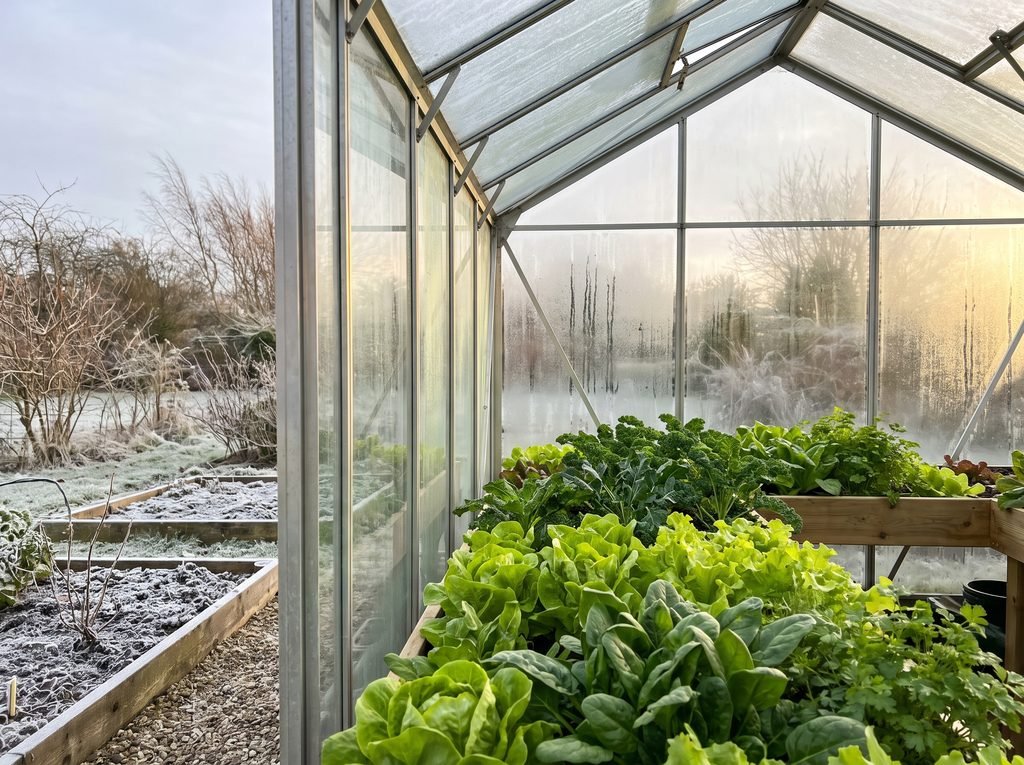
One of the biggest advantages of a greenhouse is environmental protection. Outdoor plants are exposed directly to wind, rain, frost, snow, and rapid fluctuations in temperature. A greenhouse reduces many of these stresses by creating a physical barrier between the crops and the worst of the weather. This protection can extend the growing season and give plants a more stable environment.
For anyone asking, do greenhouses work in winter? The most useful way to think about a greenhouse is as a climate-management tool rather than a permanent source of heat. Sunlight enters the structure and warms the air, growing surfaces, containers, soil, benches, and other materials inside. During the day, this can create significantly more favourable conditions than those outside.
The greenhouse also reduces wind exposure. Wind can increase moisture loss from leaves, physically damage delicate plants, and make cold weather feel even more severe. By blocking much of that exposure, a greenhouse helps plants survive conditions that might be too stressful in an open garden.
Another major benefit is that greenhouse soil and containers can remain drier than outdoor beds after periods of heavy rain. Better control of moisture is especially useful in winter because cold, saturated compost can contribute to root problems.
The exact level of protection varies. A basic unheated greenhouse may protect plants from frost on some nights, while a well-insulated and heated greenhouse can support much more demanding crops.
Do Greenhouses Work in Winter Without Heating?
Many gardeners assume heating is essential for winter greenhouse growing, but that is not always true. The answer to do greenhouses work in winter without a heater depends largely on what you plan to grow.
Hardy vegetables such as kale, winter lettuce, spinach, mizuna, rocket, parsley, and some varieties of carrots can tolerate cool temperatures. These plants often do not need a warm greenhouse to keep producing. In fact, excessive heat can sometimes cause problems by encouraging soft growth, increasing condensation, or making ventilation more difficult.
An unheated greenhouse is often ideal for extending the growing season of cool-season crops. The key is to select varieties with good cold tolerance and plant them at the right time.
Heating becomes more important when you want to grow warm-season plants such as tomatoes, chillies, cucumbers, aubergines, or tropical herbs in the middle of winter. These crops generally need higher temperatures and stronger light than a typical unheated greenhouse can provide during short winter days.
A useful strategy is to divide your greenhouse into zones. Hardy plants can stay in the main growing area, while more sensitive seedlings or valuable plants can be placed in a smaller insulated section where heat is easier and cheaper to maintain.
The Most Important Factor: Choosing the Right Winter Crops
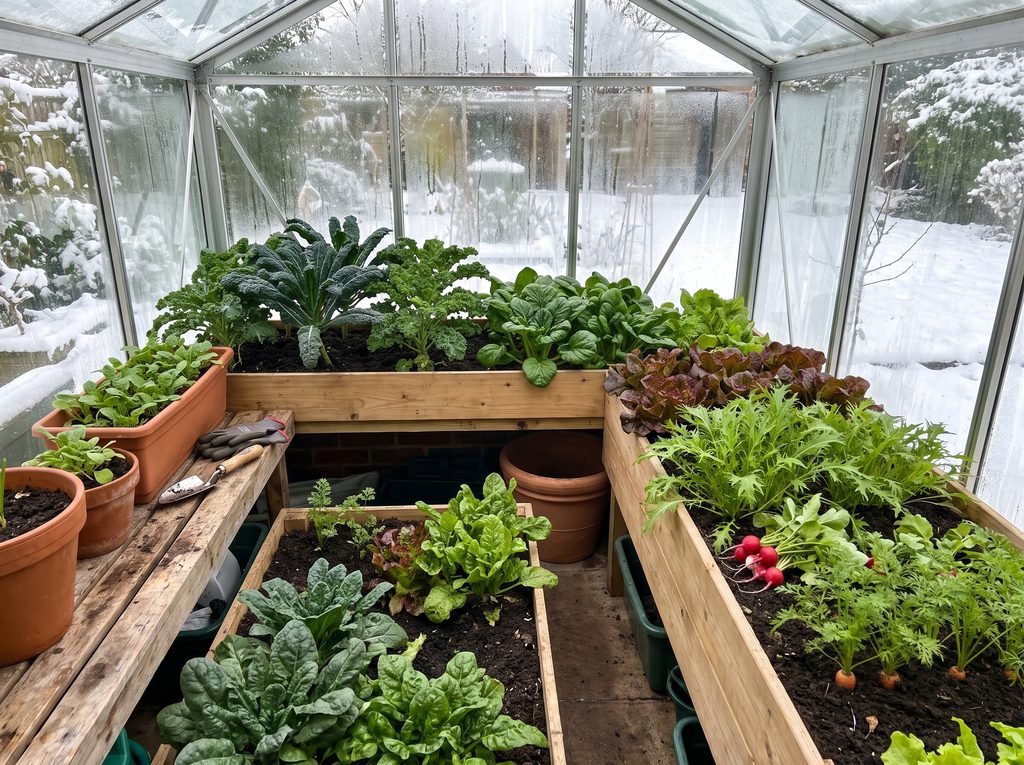
The success of winter greenhouse growing begins with crop selection. Rather than trying to force summer vegetables through the coldest months, choose plants that naturally perform well in cooler conditions.
This is one reason the answer to do greenhouses work in winter can be surprisingly positive. You do not necessarily need tropical temperatures to produce useful harvests. Many leafy greens and hardy vegetables grow perfectly well when conditions are cool.
Winter crops can also be slower growing than summer crops. That is normal. Shorter days mean lower light levels, and low temperatures reduce the rate at which plants photosynthesise and develop.
The goal should be steady production rather than rapid growth. Plants that remain healthy and compact can provide excellent harvests even when they grow more slowly.
1. Winter Lettuce
Lettuce is one of the easiest crops for a winter greenhouse. There are many winter-hardy varieties designed to cope with cooler temperatures and lower light levels.
Loose-leaf lettuce is particularly useful because you can pick outer leaves while allowing the plant to continue producing. This makes it possible to enjoy repeated harvests from relatively small spaces.
Plant lettuce in containers, raised beds, troughs, or directly into greenhouse borders. Keep the growing medium lightly moist but avoid waterlogging. During very cold periods, fleece can be used as an additional layer of protection.
2. Spinach
Spinach is another excellent winter crop because it tolerates cool conditions and can provide nutritious leaves throughout much of the cold season.
Young spinach leaves can be harvested as baby greens, while mature leaves can be picked individually. Regular harvesting encourages continued production.
Spinach generally prefers consistent moisture and rich soil. Avoid overheating the greenhouse, especially during sunny winter afternoons, because excessive warmth combined with poor airflow can encourage fungal problems.
3. Kale
Kale is famous for its cold tolerance and can be an extremely reliable winter greenhouse vegetable. It is well suited to gardeners who want a crop that can withstand difficult weather while continuing to provide edible leaves.
Kale plants can become large, so give them enough space to develop properly. Picking the lower leaves first allows the plant to continue growing from its central stem.
A greenhouse protects kale from severe wind and heavy rain while allowing easy access for harvesting in bad weather.
4. Rocket and Mizuna
Rocket and mizuna are useful for winter salads because they grow relatively quickly compared with some larger winter vegetables.
They can be sown in succession so that you do not have all your plants maturing at once. A few small sowings spread over several weeks can provide a more continuous supply.
These crops generally appreciate cool conditions, making them a natural choice for an unheated greenhouse.
5. Radishes
Radishes are often overlooked when gardeners plan winter production, but some varieties perform well under protection.
Because radishes mature relatively quickly, they can be useful for filling spaces between slower-growing crops. They also work well in containers and small raised beds.
Good soil preparation is important. Compacted soil can result in poorly formed roots, while inconsistent watering may produce inferior texture.
6. Carrots
Carrots can be grown in a greenhouse, especially in deep containers or beds where the soil is loose and stone-free.
Winter greenhouse carrots benefit from protection against extreme weather. Depending on the variety and planting time, they can remain in the ground for later harvesting.
Shorter carrot varieties are particularly practical in smaller containers, while longer types need deeper growing spaces.
7. Spring Onions
Spring onions can be grown under glass or polycarbonate and can provide a useful winter crop for salads, soups, and cooking.
They take up relatively little room, so you can plant them between larger crops or along the edges of greenhouse beds.
Successional sowing can help maintain a steady supply instead of producing everything at the same time.
Do Greenhouses Work in Winter for Herbs?
Herbs can be a great choice for greenhouse growing, but their winter performance varies widely. Hardy herbs such as parsley, mint, chives, thyme, and some types of sage can tolerate cooler conditions better than heat-loving basil.
For gardeners wondering do greenhouses work in winter for fresh herbs, the answer is often yes, especially when the greenhouse offers plenty of daylight and good protection from frost.
Parsley is particularly valuable because it can continue producing leaves during cool weather. Chives can also survive winter conditions and begin producing fresh growth as temperatures improve.
Basil is a different story. It needs warmth, light, and protection from cold temperatures. Keeping basil alive in winter often requires a heated environment and potentially supplemental lighting.
How Temperature Affects Winter Greenhouse Crops
Temperature is one of the most important factors to monitor. Plants respond to both daytime and nighttime temperatures, and the difference between the two can be significant in winter.
A greenhouse can become surprisingly warm on a sunny winter day and then cool dramatically after sunset. This rapid change can stress plants that are not suited to it.
Installing a simple maximum-and-minimum thermometer can help you understand what is actually happening. Instead of guessing, you can monitor temperatures and decide whether additional insulation or heating is necessary.
Remember that different plants have different temperature preferences. Hardy greens can cope with much lower temperatures than tomatoes or chillies.
Insulation Can Make a Huge Difference
If your greenhouse is exposed to winter winds, insulation can improve its performance. Horticultural bubble wrap is commonly used on greenhouse panels because it reduces heat loss while still allowing useful light to reach plants.
Insulating only certain areas can also be more efficient than trying to heat the entire structure. A small propagation area inside the greenhouse may require less energy than keeping the whole greenhouse warm.
Pay close attention to doors, vents, gaps, and damaged seals. Heat can escape through poorly fitting doors and openings, making heating systems less efficient.
If your goal is to determine do greenhouses work in winter economically, insulation is one of the first improvements worth considering because reducing heat loss can lower the amount of energy required to maintain suitable temperatures.
Winter Light Levels Matter More Than Many Gardeners Expect
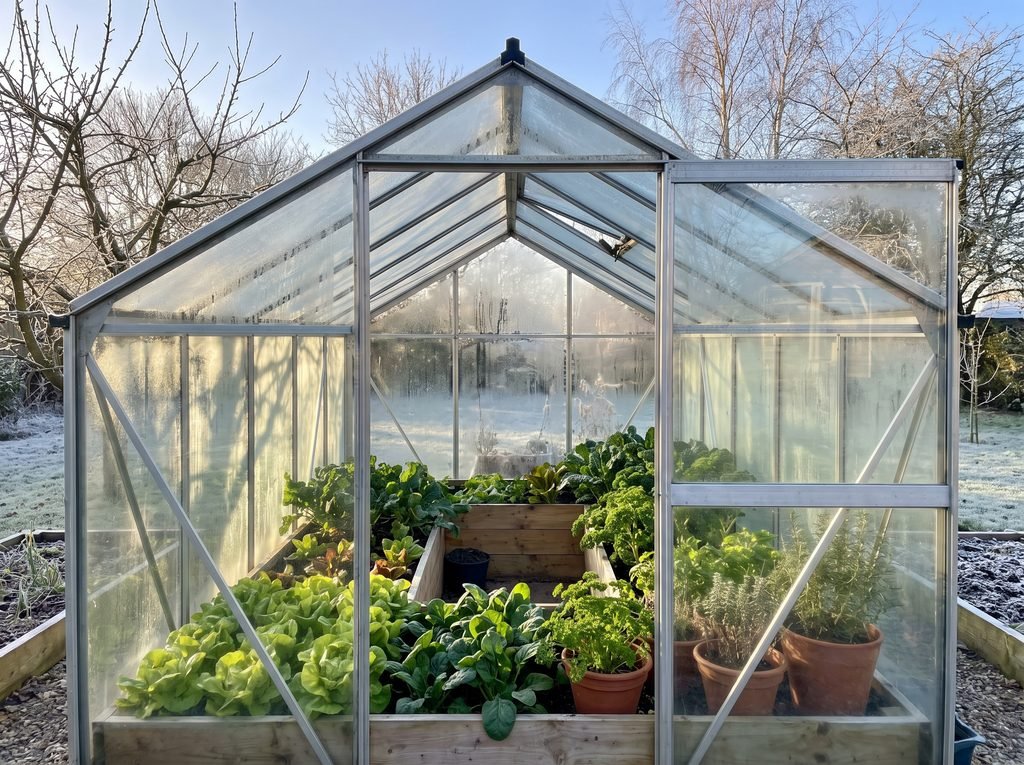
Temperature is not the only issue in winter. Do greenhouses work in winter when daylight is limited? Yes, but light can become an even bigger limitation than temperature for many plants.
Days are shorter, sunlight is weaker, and the sun sits lower in the sky. Even a greenhouse that feels warm during a sunny afternoon may not receive enough light for fast plant growth.
This means choosing shade-tolerant or low-light winter crops is often more effective than trying to keep summer vegetables growing rapidly. Understanding how light affects winter growth can help gardeners get better results from their greenhouse.
Keep greenhouse glass or polycarbonate clean so that maximum light reaches the plants. Remove algae, dirt, and debris where practical.
Avoid placing tall structures or objects immediately outside the greenhouse if they block valuable winter sunlight.
For advanced growers, supplemental grow lighting can improve winter production. However, lighting increases energy use and may not be necessary for hardy crops. With the right crops and sensible management, do greenhouses work in winter becomes a practical question with a positive answer for many gardeners.
Ventilation Is Still Important During Winter
It can seem strange to open greenhouse vents when the weather is cold, but ventilation is essential.
Warm air inside the greenhouse can hold moisture. When that air meets cold surfaces, condensation can form. Persistent condensation increases the risk of fungal diseases and can leave plants damp for long periods.
Good ventilation reduces excessive humidity and helps create a healthier growing environment.
On sunny winter days, temperatures can rise rapidly even when the outside air is cold. Opening vents for short periods can prevent overheating.
The question of do greenhouses work in winter is therefore not simply about keeping everything closed and warm. Successful winter growing involves balancing temperature, humidity, airflow, and light.
Watering Plants in a Winter Greenhouse
Winter watering requires more care than summer watering. When asking do greenhouses work in winter, it is important to remember that plants generally lose moisture more slowly when temperatures are low and sunlight is limited.
Overwatering can create waterlogged compost and increase the risk of root diseases. At the same time, completely dry soil can damage roots and slow growth.
Check the growing medium before watering instead of following a rigid schedule. If the surface is dry but the soil below remains damp, waiting a little longer may be appropriate.
Morning watering is often preferable because plants have more time to dry during the day. Avoid leaving foliage wet overnight whenever possible.
By adjusting watering to the colder conditions, gardeners can maintain healthier plants and make their greenhouse more productive throughout the winter.
Do Greenhouses Work in Winter During Frost?
A greenhouse offers protection from frost, but an unheated structure is not guaranteed to remain frost-free.
On clear winter nights, temperatures inside can fall substantially. Plants close to the glass may experience especially cold conditions.
Fleece, cloches, insulating pots, and other protective materials can create an additional layer between plants and freezing air.
Tender crops need more protection than hardy vegetables. If freezing conditions are expected, move vulnerable containers into a warmer protected location or use a suitable greenhouse heater.
This distinction matters when asking do greenhouses work in winter because protection from weather is not the same as complete frost protection.
Using a Greenhouse Heater Safely
Heating can make it possible to grow a wider range of crops during winter, but it should be used carefully.
Choose equipment designed for greenhouse use and follow the manufacturer’s safety instructions. Electrical equipment should be suitable for damp environments, and cables should be kept safe from water.
A thermostat can prevent the heater from running unnecessarily. Instead of continuously heating the greenhouse, it can switch on when temperatures fall below your chosen minimum.
The ideal temperature depends on the crop. There is little benefit in maintaining tropical conditions for winter lettuce, while sensitive seedlings may need considerably more warmth.
Creating a Warmer Microclimate Without High Energy Costs
You do not always need to heat the entire greenhouse. A small enclosed area can create a warmer microclimate for seedlings and sensitive plants.
Grouping plants together can also reduce exposed surface area. Containers placed on insulated benches may experience less cold stress than pots sitting directly on a frozen floor.
Water-filled containers can absorb heat during the day and release some of it later. While this is not a substitute for proper heating, thermal mass can help moderate temperature swings.
The most important principle is to reduce unnecessary heat loss before increasing heat input.
Common Winter Greenhouse Mistakes
One of the most common mistakes is planting crops that are simply not suited to winter conditions. Tomatoes, cucumbers, and similar warm-season crops can struggle when temperatures and light levels are too low.
Another mistake is overwatering. Because evaporation is slower, winter plants often need less water than beginners expect.
Poor ventilation is another problem. Closing every vent to keep warmth inside may result in excessive humidity and disease pressure.
Some gardeners also underestimate the effect of low light. Plants may remain alive but grow extremely slowly if they do not receive sufficient light.
Finally, gardeners sometimes assume a greenhouse is maintenance-free after installation. Regular checks of panels, seals, gutters, vents, and structural components can help maintain good performance throughout winter.
Do Greenhouses Work in Winter for Fruit?
Growing fruit in winter is more challenging than growing leafy vegetables, but greenhouses can still provide useful advantages.
Strawberries can be grown under protection, especially with suitable varieties and careful temperature management. Some greenhouse growers also use the structure to protect fruiting plants from rain and cold rather than to produce fruit during the darkest months.
Dwarf or container-grown fruit plants can be easier to manage than large trees. However, fruit production depends strongly on pollination, light, temperature, and variety.
For most beginners, winter vegetables and herbs are a more practical starting point than trying to produce large quantities of winter fruit.
Can You Grow Flowers in a Winter Greenhouse?
Yes, a greenhouse can also be valuable for flowers during winter.
Hardy flowering plants can provide colour when outdoor gardens appear dormant. The greenhouse can also be used to protect tender plants from severe weather or to raise young plants ready for the spring garden.
Potted flowering plants require careful watering because cool, wet compost can be problematic. Light is also important for healthy stems and foliage.
A greenhouse can become particularly useful as a nursery space for seedlings and young plants, even when the main garden is not actively producing crops.
Soil and Compost Management for Winter Growing
Healthy soil remains essential in winter. Plants may grow more slowly, but their roots still need oxygen, nutrients, and suitable moisture conditions.
Avoid compacting soil by repeatedly walking on wet growing areas. Add well-rotted organic matter where appropriate and maintain good drainage.
In containers, choose a growing medium that holds moisture without remaining saturated. Good-quality compost can provide a more consistent root environment.
Crop rotation is also useful when growing repeatedly in the same greenhouse beds. Alternating plant families can help reduce the build-up of certain pest and disease problems.
How to Plan a Winter Greenhouse
A successful winter greenhouse starts with planning before the coldest weather arrives.
Think about what you want to harvest, when you want to harvest it, and how much space each plant needs. Select crops that match the greenhouse conditions you can realistically provide.
It can be useful to create a planting timetable for autumn, winter, and early spring. Some crops need to be established before winter so that they are already producing when temperatures fall.
For example, winter lettuce and spinach can be sown early enough to develop plants before the darkest part of the season. Other crops can be planted later for spring harvesting.
This approach transforms the greenhouse from a place used occasionally into a year-round growing system.
Do Greenhouses Work in Winter for Seed Starting?
A greenhouse can be an excellent place to start seeds, but timing is important.
Seeds require specific combinations of temperature, moisture, oxygen, and light to germinate. Some plants germinate well in cool conditions, while others need much more warmth.
A heated propagator or indoor seed-starting area can be useful when greenhouse temperatures are too low. Once seedlings are established, they can be moved into the greenhouse when conditions are suitable.
Good air circulation helps prevent weak, excessively soft growth and reduces the likelihood of seedling diseases.
Pests Can Still Be a Problem in Winter
Cold weather does not eliminate every greenhouse pest. Aphids, whiteflies, slugs, snails, and other unwanted visitors may remain active, especially in sheltered environments.
Inspect plants regularly. Look underneath leaves, around growing points, and on the surface of the compost.
Early detection makes pest management much easier. Removing affected leaves, improving airflow, and maintaining good hygiene can prevent minor issues from becoming serious infestations.
Avoid bringing contaminated plants into the greenhouse without checking them first.
Making the Most of Sunny Winter Days
Even during winter, sunny days can provide valuable opportunities for plant growth.
Open vents when necessary to prevent overheating, but monitor temperature rather than relying only on outdoor conditions.
Sunlight is especially important for seedlings and young plants. Keep them positioned where they receive as much natural light as possible.
Clean glazing can make a noticeable difference. Dust and grime may seem minor, but over time they can reduce the amount of light reaching the growing area.
The better you use available daylight, the more productive your winter greenhouse can become.
Do Greenhouses Work in Winter in the UK?
For many UK gardeners, the answer is yes, especially when the greenhouse is matched with appropriate crops.
UK winters vary considerably. Coastal locations, northern areas, exposed gardens, sheltered urban spaces, and higher elevations can all experience different temperature patterns.
An unheated greenhouse can be very useful for hardy vegetables, seedlings, overwintering plants, and protected salad crops. Heating and insulation can expand the range of crops that are possible.
Local weather conditions should always guide your decisions. A planting strategy that works in a mild southern garden may need extra protection in a colder, more exposed location.
What Can You Realistically Harvest in Winter?
A well-managed greenhouse can provide a surprising range of harvests.
Leafy greens are among the easiest options because they tolerate cool temperatures and do not always require intense sunlight. Herbs, spring onions, radishes, winter brassicas, and some root crops can also perform well.
Harvesting smaller quantities regularly can be more practical than trying to grow huge plants during the darkest part of the year.
The goal should be to work with the season rather than fight against it. Winter production is about choosing crops that can use the available conditions efficiently.
How to Improve Your Greenhouse for Winter
If you want stronger winter performance, start with simple improvements.
Repair damaged panels and check for drafts around doors and vents. Clean the glazing. Add insulation where useful. Monitor temperature and humidity. Improve drainage. Organise plants according to their temperature needs.
Then consider whether additional heat or lighting is genuinely necessary.
Many gardeners spend too much money trying to create summer conditions in winter when they could achieve better results by selecting crops that naturally prefer cool weather.
Is an Unheated Greenhouse Worth Having?
For many gardeners, an unheated greenhouse can be extremely worthwhile.
It gives you a protected space for winter salads, herbs, seedlings, overwintering plants, and early spring production. It can also make gardening more enjoyable by providing a sheltered place to work when outdoor conditions are unpleasant.
The value of an unheated greenhouse comes from protection rather than artificial warmth. Even when temperatures are low, reducing exposure to wind, rain, and frost can improve plant survival.
That is why do greenhouses work in winter is not simply a yes-or-no question. They work best when the plants and the greenhouse environment are suited to one another.
Do Greenhouses Work in Winter for Beginners?
Beginners can absolutely grow through winter, especially by starting with hardy crops.
Lettuce, spinach, kale, rocket, mizuna, parsley, spring onions, and some radishes are much easier starting points than tender summer crops.
The biggest advantage of beginning with cool-season plants is that you can learn how temperature, watering, ventilation, and light interact without needing a complicated heating system.
Keep a simple record of temperatures, planting dates, watering, and harvests. Over time, this information can help you refine your winter growing strategy.
Frequently Asked Questions
Can plants freeze inside a greenhouse?
Yes. A greenhouse can reduce the severity of frost, but an unheated greenhouse may still become cold enough for temperatures to fall below freezing. Additional insulation, fleece, or safe heating may be needed for vulnerable plants.
Should I leave greenhouse doors open in winter?
Usually not overnight, particularly during freezing or very windy conditions. However, ventilation during milder or sunny periods can help control condensation and prevent excessive daytime heat.
Does a greenhouse need heating to grow vegetables in winter?
No. Many cold-hardy vegetables grow well without heating. Heating is more useful for tender crops and plants that require warmer root or air temperatures.
What is the easiest winter crop for a beginner?
Winter lettuce, spinach, kale, rocket, and spring onions are among the easiest options. Choose varieties described as winter hardy whenever possible.
How cold is too cold for a greenhouse?
There is no single temperature that applies to every greenhouse or plant. Hardy crops can tolerate much lower temperatures than tender crops. Monitoring actual nighttime temperatures is more useful than relying on a general number.
Can tomatoes grow in a greenhouse in winter?
They can only do so successfully under suitable controlled conditions, which generally means enough warmth and adequate light. In a typical unheated winter greenhouse, tomatoes are usually not a practical crop.
Final Thoughts: Make Your Greenhouse Work With Winter, Not Against It
So, do greenhouses work in winter? Absolutely. A greenhouse can extend your growing season, protect plants from harsh weather, provide a useful environment for winter salads and vegetables, and give you a head start on spring planting.
The secret is not to expect every plant to behave as though it were midsummer. Winter has lower light, shorter days, and colder temperatures, so your growing strategy needs to reflect those realities.
Choose hardy crops, monitor temperature, avoid overwatering, ventilate when necessary, insulate vulnerable areas, and use heating selectively. With these habits, even a simple greenhouse can remain productive during the coldest months.
The most important lesson is that winter gardening is less about forcing plants to grow and more about creating the conditions in which suitable crops can thrive. Once you adopt that approach, your greenhouse can become a genuinely useful year-round part of your garden.
Ready to make your greenhouse productive this winter? Start with a few reliable crops such as winter lettuce, spinach, kale, rocket, parsley, and spring onions. Keep your first planting simple, observe how your greenhouse behaves on cold nights, and adjust your protection as the season progresses. Every winter you grow will teach you something new, and those lessons can lead to bigger harvests, healthier plants, and a more productive greenhouse year after year.