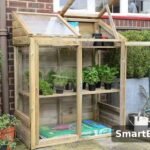
I’ll never forget the January morning I stepped into my greenhouse to find every pane of glass running with water. Drip, drip, drip — cold drops were landing right on my trays of seedlings, and a few of them already looked distinctly miserable. If you’ve been searching for how to stop greenhouse condensation dripping on plants, you’ve come to the right place, because I spent several winters wrestling with exactly this problem.
The good news: you don’t need fancy equipment or a science degree. Condensation is just physics doing its thing, and once you understand what’s happening up there on the glass, you can beat it with a handful of simple habits. These are the nine fixes that made a real difference in mine.
Table of Contents
Why Your Greenhouse Glass Runs With Water in Winter
Here’s the simple version. Your greenhouse air is full of invisible moisture. Your plants are constantly breathing it out through their leaves, and water is evaporating off the damp compost every single day. On a mild afternoon that moisture just floats about happily. But when night falls and the temperature drops, the glass cools down fast — and cold air can’t hold as much water vapour as warm air can. Once the glass gets colder than what’s called the dew point, the vapour has nowhere to go, so it turns back into liquid and beads up on the panes. It’s exactly like the outside of a cold glass of water on a warm day, just in reverse. The drips start when those beads join up and get heavy enough to run. And because a greenhouse is a sealed box of damp air, there’s far more moisture around than in your shed or garage — which is why the glass can look like it’s raining indoors by morning. Once I understood that dew-point moment, every trick to stop greenhouse condensation dripping on plants finally made sense.
Why Dripping Condensation Is Bad News for Your Plants
This is the bit that matters, because a light mist on the glass is harmless — but heavy dripping is genuinely bad for your plants. The first problem is grey mould, also called botrytis. It loves cold, wet foliage, and it shows up as a soft grey fuzz that spreads from leaf to leaf frighteningly fast. Once it gets going it can ruin whole trays of plants. The second problem hits seedlings: damping off, where stems pinch in at soil level and the whole seedling keels over. I’ve written a whole guide on preventing damping off because it’s the number one heartbreaker of early sowings, and constant cold drips make it far more likely. Icy water landing on warmth-loving plants is a shock they don’t need, and permanently damp air invites every drifting fungal spore. In short, the drips aren’t just annoying — they’re making your plants sick. Once I connected those miserable seedlings to the drips above them, stopping greenhouse condensation dripping on plants became my winter priority.
How to Stop Greenhouse Condensation Dripping on Plants: Vent Briefly on Mild Days, Even in Winter
This one feels wrong the first time you do it, but it’s the single most effective trick I know. On any mild winter day, when the sun is up and the inside of the greenhouse feels noticeably warmer than outside, crack a roof vent for an hour or two. That small exchange of air lets the damp, moisture-laden air escape and pulls drier air in — and drier air means far less water available to condense that night. The key word is briefly: open it around the middle of the day and shut it well before nightfall, so you don’t throw away all your hard-won warmth. If you’ve got louvre vents, even better — a small opening does the job without sending a cold draught straight onto tender plants. I treat it as a daily ritual now, same as checking the thermometer, and on the days I forget, the glass tells me all about it the next morning. An automatic vent opener — a wax-filled cylinder that works by temperature alone — does the same job while you’re out. That daily airing is still my number-one habit to stop greenhouse condensation dripping on plants.
How to Stop Greenhouse Condensation Dripping on Plants: Water in the Morning, Never at Night
Every drop of water you pour in the evening is still evaporating when the temperature plummets after dark — which is exactly when you don’t want extra moisture in the air. Watering in the morning gives everything the whole day to drink up and dry off before the cold night arrives. I made this switch a few years back and, honestly, the difference in next-morning condensation was bigger than I expected. While you’re at it, water the compost, not the leaves — wet foliage heading into a cold greenhouse night is asking for mould. And if your plants sit on capillary matting, let it dry out between waterings rather than keeping it permanently soggy; that matting is a quiet humidity factory most of us never suspect. Bottom-watering is another tidy habit: stand pots in a tray, let the compost soak up what it needs, then pour the rest away. And in the depths of winter, most plants need far less water than you think, so let the compost surface dry before watering again. Of all the small changes I made, morning watering did more to stop greenhouse condensation dripping on plants than almost anything else.
Space Your Plants Out and Clear Dead Leaves
When pots are crammed shoulder to shoulder, the air between them barely moves, and every leaf stays damp for hours after a drip lands. Give your plants a little elbow room so air can circulate and foliage dries out properly. It also pays to be ruthless about dead leaves — pick them off the plants and sweep the fallen ones off the staging and floor. Decaying leaves are botrytis’s favourite food, and a damp, crowded greenhouse is its favourite restaurant. I keep a small bucket by the door and do a two-minute tidy every time I visit. It’s the dullest job in the greenhouse and one of the most effective. Check the lower leaves first — they sit in the dampest air and show mould earliest. With seedlings, thin them out promptly rather than letting them grow into a dense mat — crowded seedlings stay wet at the base and are sitting ducks for damping off. A little space between trays is about plant health, not just tidiness. Good airflow between pots is a quiet, underrated way to stop greenhouse condensation dripping on plants.
Keep the Air Moving With a Small Fan
Still air is condensation’s best friend. A small clip-on or oscillating fan on its lowest setting keeps the air gently mixing, which stops cold pockets forming and helps wet surfaces dry. You don’t need anything industrial — mine cost less than a bag of compost and uses barely any electricity. Run it during the day when the greenhouse is warmest, and angle it so it stirs the air above the plants rather than blasting straight at the seedlings. The improvement isn’t just less dripping, either: moving air strengthens stems and makes life harder for fungal spores trying to settle. If your greenhouse feels clammy and dead-aired every time you step inside, a fan is probably the missing piece. No plug socket nearby? A small solar-powered fan will stir things on brighter days. Just don’t aim any fan straight at delicate seedlings all day, which can dry them out — gentle circulation above the canopy is the sweet spot. If you buy one thing this winter, make it a fan — it works day and night to stop greenhouse condensation dripping on plants.
Mop Up Standing Water and Improve Floor Drainage
Every puddle on the floor is a slow-release humidifier. After watering, take a minute to sweep or mop up any standing water from the paths and staging. If puddles keep appearing in the same spot, you’ve got a drainage problem worth fixing — a layer of gravel over the floor helps enormously, and raised slatted staging lets air flow underneath pots instead of trapping damp beneath them. I also check the gutters and downpipes every autumn, because a blocked gutter overflowing onto the floor is a classic winter surprise. A dry floor won’t eliminate condensation on its own, but it removes a big chunk of the moisture that’s feeding it. Check under staging and behind water butts too, where hidden puddles love to linger unnoticed. If your floor is bare soil, a weed-suppressing membrane topped with gravel cuts evaporation dramatically compared with exposed earth. And fix any dripping taps or leaking hose connectors — they add a surprising amount of moisture over a winter. A dry floor won’t do the whole job alone, but it takes real pressure off your efforts to stop greenhouse condensation dripping on plants.
Warm the Plants, Not Just the Air
Here’s a subtle one: condensation doesn’t just depend on the air — it depends on how cold your plants and surfaces are. Warm air blasting from a heater while the plants themselves sit stone cold still leaves you with dripping glass and chilly leaves. Gentle bottom heat works far better: a heated propagator mat or a soil-warming cable in the staging keeps the root zone cosy, so plants stay a few degrees warmer than the surrounding air and moisture is less keen to settle on them. Thermal mass helps too — dark water barrels in the corner soak up daytime warmth and release it overnight, smoothing the temperature swings behind the worst condensation. On the coldest nights, a layer of horticultural fleece over tender plants adds that extra bit of protection. Even a small thermostatic heater set just to keep the frost off lifts everything a few degrees and takes the edge off the worst condensation nights. Gentle bottom heat is my favourite quiet way to stop greenhouse condensation dripping on plants without running a heater all night.
What NOT to Do About Greenhouse Condensation
Two tempting shortcuts will make things worse, so let’s rule them out. First, don’t seal your greenhouse up airtight. Taping over every vent and gap feels like you’re keeping the warmth in, but you’re really trapping every scrap of moisture in too — and the result is a mould farm, not a cosy greenhouse. Second, don’t hose down the foliage late in the day; wet leaves heading into a cold night is the fastest route to grey mould I know. It’s also worth understanding that simply cranking the heater higher without ventilating doesn’t fix the root cause — you just end up with warmer, wetter air. The sensible approach, backed by the University of Massachusetts humidity guidance, is always the same balance: manage moisture at its source and keep the air moving. And resist cramming every plant indoors the moment it turns cold — overcrowding undoes all your good ventilation work. Skip the shortcuts, stick to these habits, and you’ll stop greenhouse condensation dripping on plants the reliable way.
Frequently Asked Questions
Is some condensation in a greenhouse normal?
Yes — a light mist on the glass on a cold morning is normal and means your greenhouse is holding its warmth. It only becomes a problem when the glass streams, drips fall steadily, or droplets sit on your plants for hours.
Why is condensation worse on clear nights?
On a clear night, heat escapes skyward and the glass cools fast — below the dew point, so lots of moisture condenses. Cloud cover acts like a blanket, keeping the glass warmer. That’s why the worst mornings follow the starriest nights.
Can I just wipe the glass dry each morning?
You can, but it’s a sticking plaster — the moisture just returns the next night, and wiping can flick droplets onto the plants below. Far better to tackle the causes: ventilate on mild days, water in the morning, and keep the air moving.
Does twin-wall polycarbonate stop condensation?
It helps but doesn’t eliminate it. Twin-wall insulates better, so the inner face stays warmer and less moisture condenses. In a damp, unventilated house you’ll still get condensation though — these habits still apply.
Will a small dehumidifier fix greenhouse condensation?
Probably not — small domestic dehumidifiers suit warm rooms and struggle in a cold, draughty winter greenhouse, while adding to your electricity bill. Spend the money on a decent fan and better ventilation instead.
Your Greenhouse Can Be Drier This Week
You don’t need to do all nine of these at once — honestly, just pick two. Vent briefly on mild days and switch to morning watering, and I reckon you’ll see a difference within a week. Every drip you prevent is one less chance for mould and one happier plant. Winter greenhouse growing is supposed to be the quiet, hopeful part of the gardening year — let’s keep it that way. Start with two fixes this week, and you’ll stop greenhouse condensation dripping on plants for good.