West Green House Garden is one of Hampshire’s most distinctive garden destinations, combining historic character, imaginative planting, beautiful water features, intimate garden rooms, seasonal colour, food, shopping and a celebrated connection with opera. Set near Hartley Wintney in the Hampshire countryside, this remarkable estate offers much more than a conventional garden visit. It is a place where formal design meets theatrical creativity, where historic structures sit beside contemporary planting, and where visitors can enjoy a peaceful stroll before stopping for tea, lunch or a browse around the plant shop.
The garden has a long history, but much of its modern character has been shaped by Australian garden designer Marylyn Abbott. Her work has transformed the gardens into a series of connected spaces filled with personality, colour and unexpected details. Today, the site is recognised by the Royal Horticultural Society as an RHS Partner Garden, while the National Trust describes it as a celebrated garden featuring an intriguing collection of follies.
Table of Contents
What makes a visit especially appealing is the range of experiences available. Visitors can explore the Walled Garden, enjoy the water gardens and lake, discover architectural features and follies, admire seasonal displays, relax in the tea room and visit the garden shop. During the opera season, the atmosphere changes again as the gardens become the setting for performances under the West Green House Opera programme.
This guide explores everything that makes West Green House Garden worth visiting, from its history and design to its gardens, seasonal attractions, tea room, opera events, accessibility, location and practical visitor advice.
What Makes West Green House Garden So Special?
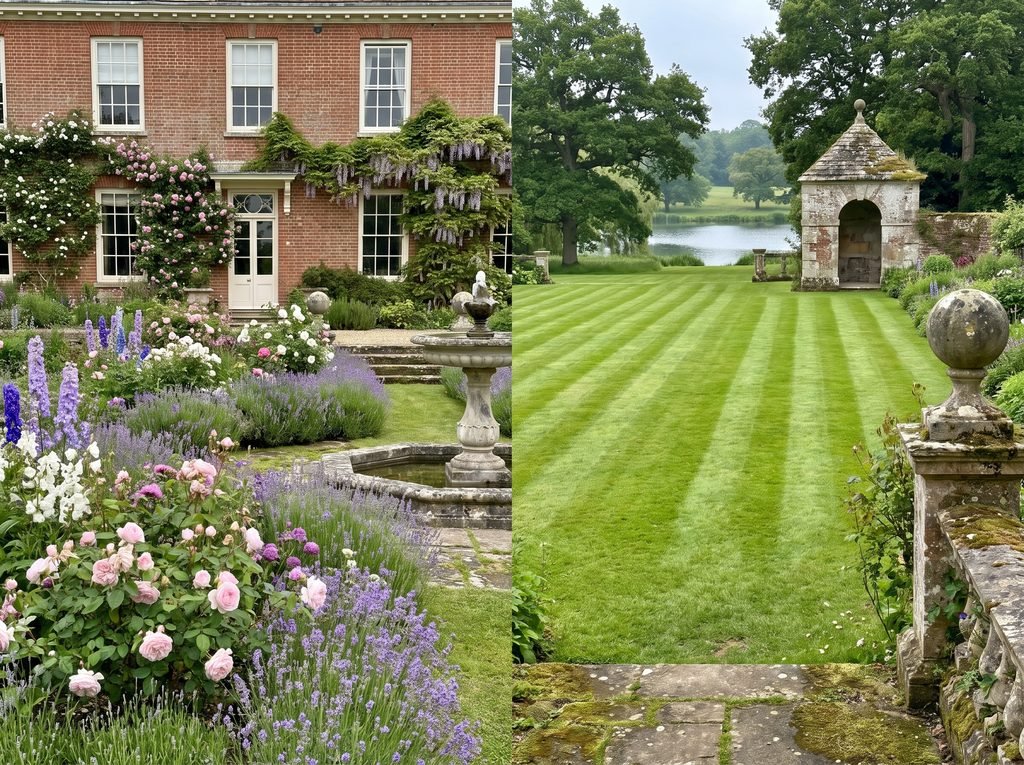
At first glance, West Green House Garden might seem like another historic English garden. Spend a little more time exploring, however, and its individuality becomes clear. The garden combines traditional English gardening ideas with Mediterranean and international influences, formal architectural features and more relaxed planting. The result is a landscape that feels carefully designed without becoming predictable.
The Royal Horticultural Society notes that the gardens have a history stretching back around 300 years and that they were substantially restored over the last three decades. Ten follies were rebuilt as part of this work, including the striking Nymphaeum, while other spaces such as the Paradise Garden, Five Bridges Garden and Lakefield were developed to create a sequence of distinctive experiences.
This variety is one of the biggest reasons to visit. Rather than walking through one continuous landscape, guests move between different garden areas, each with its own atmosphere. A formal border may lead to a water feature, which in turn opens toward a lake, woodland or walled enclosure.
The garden also benefits from its setting. West Green House sits in a quieter corner of northern Hampshire near Hartley Wintney, surrounded by countryside and woodland. This gives the experience a sense of escape without requiring a long journey from London or other parts of southern England.
The opera connection adds another layer. West Green House Opera describes the site as “The Opera Garden”, with performances staged within the gardens. The combination of gardens, music, dining and evening illumination makes the property unusual even among England’s historic gardens.
A Brief History of West Green House
Understanding the history behind West Green House helps explain why the gardens feel both historic and reinvented.
The house was originally built in 1714 and was remodelled by General Hawley in 1750. Historic records also show that the grounds developed through several different periods of ownership and occupation. Among the notable figures connected with the property was Evelyn, Duchess of Wellington, who lived there from 1904 until her death in 1939.
The National Trust became involved with the property after Sir Victor Sassoon left the house to the organisation in 1957.
The later history is especially important because the gardens did not simply remain frozen in their historic form. West Green House Gardens was eventually restored and redeveloped as a privately run garden, with Marylyn Abbott playing a central role in its modern evolution. Hampshire Gardens Trust notes that the National Trust relinquished financial and management involvement in 1993, after which the house and gardens were privately restored.
This mixture of preservation and reinvention is visible throughout the site. Historic walls and structures remain important parts of the landscape, but they have been given new life through planting schemes, restored features, modern garden design and theatrical presentation.
The Garden Design and Marylyn Abbott’s Vision
One of the defining influences on West Green House Garden is Marylyn Abbott, the Australian garden designer who developed the gardens over more than two decades. The garden’s official website describes her as a designer whose passions for English gardens and international opera helped create its distinctive character.
Her approach does not rely solely on traditional English borders. Instead, it creates a collection of dramatic garden rooms, architectural moments and carefully framed views.
Visitors may encounter strong geometry in one section and a softer, more natural landscape in another. Water is a recurring design feature, while follies and structures create visual focal points. The overall effect is theatrical, which is particularly appropriate given the property’s relationship with opera.
The official garden description says the landscape combines neo-classical style with contemporary design. One of the most impressive examples is the grand water staircase leading toward the Nymphaeum Fountain, which was designed by architect Quinlan Terry.
This design philosophy makes the garden interesting even for visitors who normally do not consider themselves keen gardeners. You are not simply looking at plants; you are experiencing movement, proportion, views, architecture, water and changing perspectives.
Explore the Walled Garden
The Walled Garden is among the major highlights of West Green House Garden and one of the places where the site’s historic character is especially obvious.
The original garden has been restored to its traditional lines, and visitors enter through an arbor of wisteria. Within the enclosure, planting is organised into formal areas that provide a strong contrast to the more informal spaces around the wider estate.
According to the RHS, the Walled Garden contains thousands of tulips, old roses, species hydrangeas and herbaceous planting. It also includes potagers, fruit cages, oriental pergolas, agapanthus and a checkerboard-style garden.
The variety means the Walled Garden changes significantly throughout the year. Spring can bring bulbs and fresh growth, while summer delivers roses, herbaceous borders and other flowering displays.
For keen gardeners, the space can be particularly useful as a source of ideas. The planting demonstrates how traditional walls, formal pathways, structural trees and seasonal colour can work together without appearing overly rigid.
Photography enthusiasts may also find this one of the easiest areas for capturing strong garden images because the walls and planting create natural frames.
Discover the Nymphaeum and Grand Water Staircase
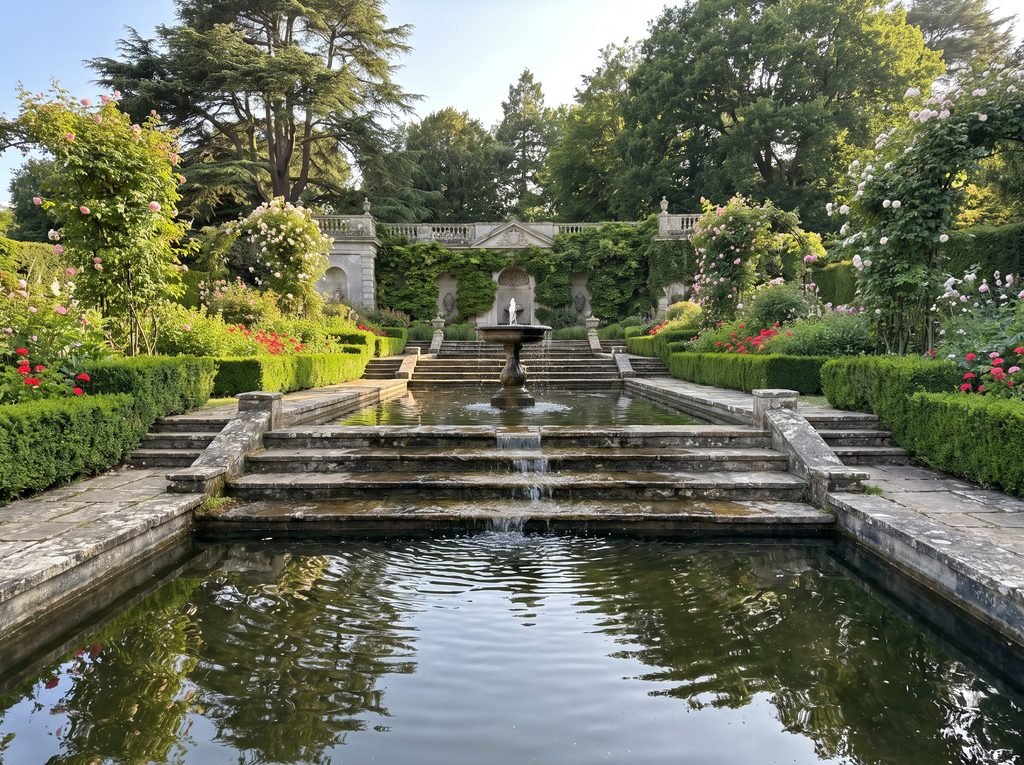
Water plays an important role in the identity of the garden, and the Nymphaeum is one of its most recognisable features.
A grand water staircase forms a major focal point, leading toward the Nymphaeum Fountain. The structure was designed by architect Quinlan Terry, and the arrangement creates a striking architectural centrepiece within the landscape.
The combination of water, steps, planting and architectural detail gives this part of the garden a sense of ceremony. It feels almost like a stage set, which fits naturally with the site’s opera tradition.
The attraction is not limited to the fountain itself. The surrounding landscape helps frame the feature, making it a destination within the garden rather than an isolated ornament.
The Paradise Garden
Another distinctive area is the Paradise Garden, which uses a central fountain as a major compositional feature.
Garden design at West Green House Garden frequently combines strong central focal points with surrounding planting. This allows visitors to pause and appreciate the design before continuing along the paths.
The Paradise Garden also illustrates how the estate balances decorative gardening with structured geometry. Rather than allowing every part of the landscape to blend together, separate garden rooms provide changes in mood and visual rhythm.
This variety helps prevent a long garden walk from feeling repetitive. Each new area offers another perspective, colour combination or architectural detail.
The Five Bridges Garden
The Five Bridges Garden provides another memorable experience, especially during spring.
The RHS describes a 190-metre stretch of blue iris winding beneath five bridges and guiding water toward the reformed lake and island in Lakefield. The garden also features a particularly impressive spring display of Delft blue hyacinths.
This is an excellent example of how movement is incorporated into the landscape. Water links the spaces together, while the bridges provide repeated architectural markers along the route.
Rather than simply looking at flowers from a single viewpoint, visitors experience them as part of a longer composition.
The seasonal displays can also make repeated visits worthwhile. A garden that looks one way in early spring can have a completely different appearance later in summer.
Lakefield and the Restored Lake
The lake area introduces a more open and relaxed character to the gardens.
The RHS explains that the lake and island were reformed as part of the garden’s wider redevelopment, with new planting including a natural fritillary field and extensive areas of daffodils.
The lake also has an important role in the performance experience during opera season. West Green House Opera stages events near the lakeside, helping the natural scenery become part of the evening’s atmosphere.
The result is quite different from attending a performance in a conventional theatre. The setting contributes to the overall experience.
Follies, Grottoes and Garden Features
Follies are among the features that distinguish West Green House Garden from many traditional gardens.
The National Trust describes the property as having an intriguing collection of follies, while the RHS notes that ten follies have been rebuilt during the garden’s restoration.
Hampshire Gardens Trust also highlights features including an orangery, grotto, Paradise Garden, Water Garden, greenhouses, lake, Edible Hedge and the contemporary Five Bridges Garden.
These structures create surprise as you walk. Instead of seeing only borders and lawns, visitors encounter architectural elements that invite curiosity.
For families, this sense of discovery can make the visit more engaging. For gardeners and landscape enthusiasts, the follies demonstrate how structures can create focal points and transitions between garden rooms.
Seasonal Beauty at West Green House Garden
One of the strongest reasons to return is the changing character of the garden through the seasons.
Spring is particularly colourful because bulbs become a major feature. The RHS highlights large plantings of snowdrops, daffodils and fritillaries, alongside the hyacinths of the Five Bridges Garden.
Tulips are another major attraction. The garden has become well known for its tulip displays, and the official website offers specially selected tulip bulb collections inspired by the planting at West Green House.
Summer brings a different atmosphere as roses, herbaceous borders, hydrangeas and other flowering plants become more prominent.
Autumn can provide rich foliage and a quieter garden atmosphere, while winter has its own appeal through structural planting and seasonal events.
Because the planting is so diverse, there is no single “best” time for everyone. Gardeners interested in bulbs may favour spring, while those looking for long afternoons and outdoor dining may prefer summer.
West Green House Garden Tulip Displays
Tulips have become part of the garden’s identity.
The official website describes West Green House as being long famed for tulip displays, particularly because of their colour and lengthy flowering season. It currently promotes nine specially selected collections of tulip bulbs, with each collection combining complementary varieties.
This is more than a seasonal spectacle. It also gives home gardeners an opportunity to take inspiration from the combinations used in the garden.
Seeing thousands of bulbs planted as part of a larger landscape can demonstrate how colour schemes work at scale. Visitors planning their own gardens may find ideas for combining shades, repeating varieties or creating visual rhythm.
Visiting the Glasshouses
The glasshouses add another dimension to a garden visit.
The RHS lists exhibition glasshouses among the facilities available at the site.
Glasshouses are particularly useful for visitors interested in horticultural techniques because they offer an environment where plants can be grown under controlled conditions.
They also make the visit more varied. Instead of remaining outdoors throughout your walk, you can explore different growing environments as part of the wider garden experience.
The Tea Room at West Green House
A garden visit is often better when it includes somewhere comfortable to stop, and the tea room is an important part of the West Green experience.
The garden’s official website says that the Tea Room is open from 11am to 4pm and serves teas and light lunches.
The National Trust visitor information also lists the tea room among the site’s facilities.
For many visitors, the tea room provides a natural midpoint to the day. You can explore the gardens first, pause for lunch or tea and then continue exploring the planting and architectural features.
Afternoon tea and gardens naturally complement one another, particularly when the weather makes sitting outside enjoyable.
The combination also makes the destination suitable for different types of visitors. Someone interested in horticulture can spend hours exploring the planting, while another visitor may simply enjoy the gardens followed by a relaxed meal.
Garden Shop and Plant Sales
West Green House Garden also provides an opportunity to take some gardening inspiration home.
The site has a shop and plant nursery, while the National Trust lists plant sales among the available facilities.
This is particularly useful after seeing a planting combination that catches your attention. Rather than simply taking photographs, visitors may be able to buy plants or gardening-related items associated with the experience.
For serious gardeners, the plant area can be almost as interesting as the main garden. It extends the visit from inspiration into practical gardening.
West Green House Opera: Why the Garden Becomes a Stage
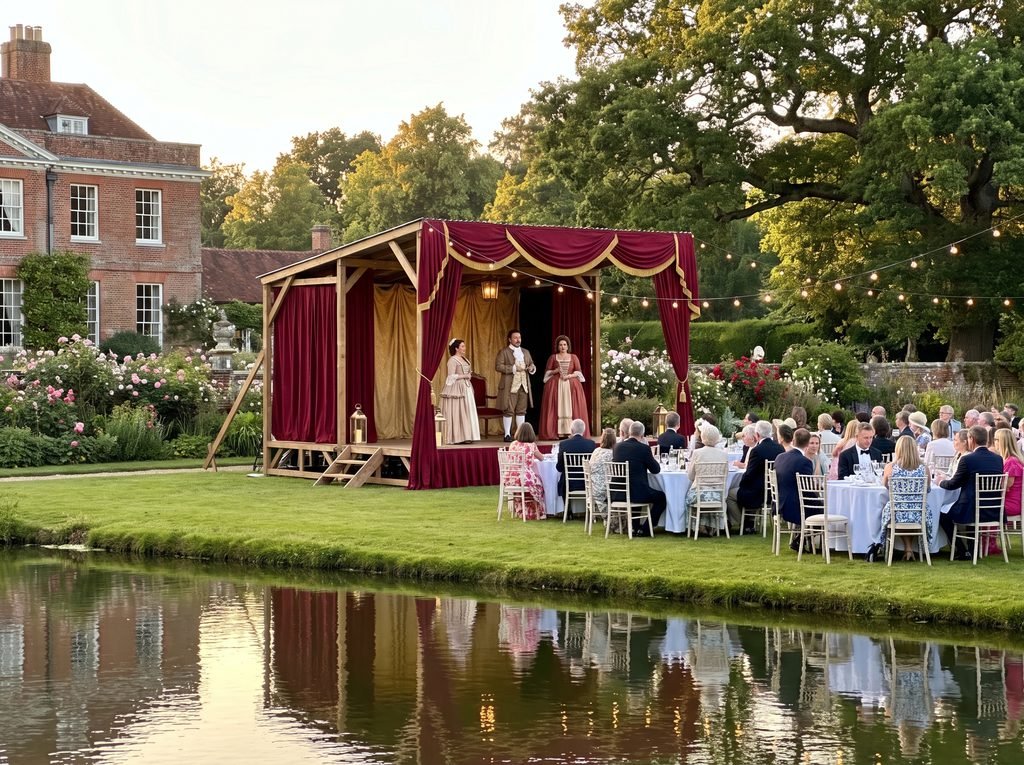
The connection between West Green House and opera is one of its most unusual features.
West Green House Opera operates as a separate organisation focused on presenting performances at the garden. Its website calls the location “The Opera Garden” and describes it as being in an unspoilt corner of Hampshire, near Hartley Wintney.
The opera tradition has developed over many years and has become closely associated with the identity of the place.
Rather than treating the garden as a simple background, productions integrate the setting into the evening. The atmosphere is enhanced by the lakeside location, garden pathways, outdoor dining arrangements and post-performance illumination.
The organisation’s history also emphasises its support for young and emerging artists. A 2025 anniversary event marked 25 years of West Green House Opera and its work supporting emerging performers.
That mission makes the opera programme valuable not only as entertainment but also as a platform for developing future talent.
What Is an Evening at West Green House Opera Like?
An opera evening at West Green House is designed to be more than the performance itself.
According to the opera organisation, the gardens open two hours before performances, giving guests time to explore or relax before the show. The recommended dress code is black tie, although smart clothing is acceptable, while daytime events use a smart-casual dress code. Performances are held under cover.
The setting allows guests to enjoy a picnic or arrange dining before the performance.
The Opera Club has also used the flower-filled greenhouse for pre-theatre drinks and canapés, creating an unusually intimate pre-performance atmosphere.
The lakeside also has a bar offering drinks and refreshments, while garden tables and dining arrangements can be incorporated into the evening.
This theatrical approach is one of the major reasons people remember a visit long after the music ends.
The Famous West Green House Opera Picnic Experience
Picnicking is part of the site’s charm, particularly during opera performances.
West Green House Opera states that visitors can bring their own picnic, table and chairs and find a suitable place within the gardens. Shared facilities such as the Pavilion and Raj Tent are also available for some picnic arrangements.
There is also an option for a West Green House Opera Picnic, with a three-course offering associated with the opera experience.
For visitors travelling from outside Hampshire, this can make an evening feel like a proper occasion rather than a simple trip to watch a performance.
The opportunity to dine in a garden before a covered opera performance is a distinctive part of the experience.
The Garden After Dark
One of the most magical aspects of West Green House Opera happens after the main performance.
The opera organisation explains that the gardens are illuminated after the show, with lighting designed to transform the lake, fountains and gardens into an illuminated landscape.
This changes the character of the garden entirely.
During daylight, visitors see planting, architecture, water and pathways. After dark, light becomes another design element, highlighting structures and turning ordinary garden views into theatrical scenes.
It is a fitting conclusion to an opera evening because the garden effectively provides an additional performance after the curtain falls.
Family-Friendly Aspects of West Green House Garden
Although the garden is strongly associated with horticulture and opera, it can also be enjoyed by families.
The changing garden rooms create opportunities for discovery, and features such as bridges, water, follies and the lake offer visual interest beyond conventional flower borders.
However, visitors should consider that this is a formal historic garden rather than a dedicated playground. Families planning a visit should therefore focus on exploration rather than expecting extensive children’s entertainment.
The garden’s picnic opportunities can also make a visit more flexible, especially during special events.
Is West Green House Garden Good for Garden Lovers?
For garden enthusiasts, West Green House is particularly interesting because it demonstrates several different approaches to landscape design in a relatively compact area.
The RHS describes the garden as covering around 10 acres and offering a peaceful stroll of about 40 minutes, although visitors who stop to explore individual planting areas may spend significantly longer.
Gardeners can study plant combinations, garden structure, water design, formal planting, seasonal bulbs and the use of architectural features.
The Walled Garden is especially valuable for observing formal planting, while the lake and woodland areas demonstrate a more open style.
Is West Green House Garden Worth Visiting for Non-Gardeners?
Absolutely.
The garden’s appeal is not limited to plant enthusiasts. The architecture, water features, pathways, follies, lake and tea room make it an enjoyable destination even for someone who cannot identify many plants.
The opera programme expands its appeal further.
For visitors who enjoy history, architecture, photography, food or quiet countryside destinations, there are plenty of reasons to visit.
The key advantage is variety. You are not simply walking around looking at flowers for several hours. The experience can include gardens, architecture, water, food and cultural events.
Accessibility at West Green House Garden
Practical accessibility matters when planning a garden visit.
The National Trust describes the site as having a car park, toilets, a tea room and other visitor facilities.
West Green House Opera also states that the site has level paths into the garden, while “Opera Angels” and West Green House buggies can assist visitors with mobility difficulties during opera evenings and can help transport guests and picnics toward the lakeside.
Because historic gardens can contain uneven surfaces, steps or changing terrain, visitors with particular mobility needs should check the latest arrangements directly before travelling.
Where Is West Green House Garden?
West Green House Garden is located near Hartley Wintney in Hampshire.
The listed address is:
West Green House Gardens
Thackham’s Lane
Near Hartley Wintney
Hook
Hampshire
RG27 8JB
The garden’s official directions page states that the property is positioned near the village of Hartley Wintney and close to the M3 and M4, with Winchfield railway station nearby.
The location makes it accessible for day trips from several parts of southern England.
The site is around one mile west of Hartley Wintney and approximately 10 miles northeast of Basingstoke, according to National Trust visitor information.
How to Get to West Green House Garden
By car, the garden is convenient for visitors travelling from London, Hampshire and surrounding counties.
The official directions explain that drivers approaching from the M3 should take exit 4a and follow the route toward Reading until reaching the A30. From there, visitors travel through Hartley Wintney before turning into Thackhams Lane toward the garden.
Sat-nav users are advised by the garden’s official website to enter RG27 8JB.
There is on-site parking. The garden’s current website states that car parking is charged at £4 per car, payable at the garden entrance.
Because opening details and event arrangements can change, checking the official site before setting off is sensible.
When Is the Best Time to Visit West Green House Garden?
Choosing the best time depends on what you want from the visit.
Spring is ideal for visitors interested in bulb displays. Snowdrops, daffodils, fritillaries, hyacinths and tulips create some of the garden’s strongest seasonal colour.
Summer is attractive for those who want flowers, longer daylight hours, picnicking and opportunities to combine a garden visit with music or opera events.
For a quieter garden experience, a weekday outside major events may be preferable.
Opera evenings offer an entirely different atmosphere and are ideal for visitors looking for a cultural experience rather than a standard daytime garden visit.
West Green House Garden Opening Times
Opening times can change throughout the year, so visitors should always verify current information before travelling.
The garden’s official website currently states that the main garden season runs from 11 March to 1 November 2026, with opening from Wednesday to Sunday between 11am and 4:30pm, plus Bank Holiday Mondays. It also states that the garden opens for Christmas and the illuminated garden trail from 28 November to 30 December.
The same website states that the tea room is open from 11am to 4pm for teas and light lunches.
The National Trust page also recommends checking current opening information because seasonal schedules can vary.
Because the garden’s official website and National Trust visitor information are not perfectly aligned on pre-booking advice, it is best to check the garden’s current official visitor instructions on the day you plan to visit. The garden website currently says pre-booking is not required, while the National Trust page advises pre-booking for busy periods.
Christmas at West Green House
West Green House has also developed a seasonal Christmas experience.
The official garden website describes a kilometre-long illuminated trail themed around “A Carnival of Animals”, with large illuminated animal figures incorporated into the landscape. Food stalls, hot chocolate, Christmas treats and a seasonal shop are part of the event.
This is a very different experience from the spring and summer garden.
Instead of focusing primarily on plants, Christmas events use darkness, light, colour and atmosphere to transform the grounds.
Visitors who have already experienced the garden in daylight may find a return visit surprisingly different.
Photography at West Green House Garden
Photography is another strong reason to visit.
The combination of water, architecture, formal walls, bridges, planting and woodland provides many natural subjects.
The Nymphaeum creates strong architectural lines, while the Walled Garden offers opportunities for symmetrical compositions. The lake provides open views, reflections and changing seasonal colour.
Spring tulips and other bulbs are particularly attractive for close-up photography.
For photographers, visiting early in the day may make it easier to capture garden spaces with fewer visitors.
During opera evenings, the illuminated garden presents a completely different photographic environment, although event-specific photography rules should always be followed.
A Suggested Day at West Green House Garden
A relaxed visit can easily become a half-day or longer experience.
Arriving close to opening time allows you to explore while the garden is quieter. Begin with the main historic garden areas, then work through the Walled Garden, water features and other themed spaces.
Take time to stop at the lake rather than treating it simply as part of the route. Garden design is often best appreciated by pausing at viewpoints rather than rushing from one feature to another.
After exploring, head to the tea room for refreshments or lunch. A visit to the plant shop is also worthwhile before leaving, particularly for gardeners looking for inspiration.
During an event day, the schedule can be extended with a picnic, concert or opera performance.
Why West Green House Garden Appeals to Garden Designers
Professionals and serious amateur gardeners can gain a great deal from studying the way West Green House uses space.
The garden demonstrates that a relatively modest area can feel much larger when divided into distinct rooms.
Paths reveal views gradually rather than exposing the entire landscape at once. Water features guide movement. Architectural elements create focal points. Trees and walls provide enclosure while openings reveal new scenes.
These principles can be adapted to private gardens of different sizes.
Even if you do not have the space for a grand water staircase or formal lake, the underlying concepts of framing, repetition, transition, and focal points can still be useful.
The Role of Water in the Garden Design
Water appears repeatedly throughout West Green House Garden.
From the Nymphaeum and water staircase to the Five Bridges Garden and lake, water helps connect different parts of the landscape.
The RHS specifically highlights the 190-metre run of blue iris, bridges and water leading toward Lakefield and the lake.
Water also contributes sound and movement. A fountain or flowing channel can make a garden feel dynamic even when the surrounding planting remains still.
This is one of the reasons the garden feels theatrical. Water provides another sensory element alongside flowers, architecture and music.
Dining, Picnics and Relaxation
Not every visitor wants to spend an entire day walking continuously.
West Green House caters to a slower approach through its tea room, picnic opportunities and dining experiences.
During opera evenings, visitors can bring their own food and furniture for picnics, or use organised dining options provided by the opera.
This makes the destination particularly appealing for celebrations, special occasions and leisurely summer outings.
The combination of garden scenery and food also creates opportunities for visitors to treat the day as a complete experience rather than a simple sightseeing stop.
What Should You Bring?
For a normal garden visit, comfortable walking shoes are sensible because the experience involves moving through multiple outdoor spaces.
A light waterproof layer can also be useful in Hampshire, where weather conditions can change.
For special events or opera performances, check the specific event guidance. Evening dress recommendations can differ from ordinary garden visits, and picnic guests may need their own blankets, tables or chairs depending on the arrangement.
A camera or smartphone is worthwhile because the garden has many distinctive viewpoints.
Can You Bring Dogs?
Pet access should be checked carefully before visiting.
The National Trust currently states that dogs are not allowed in the formal gardens and lists assistance dogs as permitted.
Rules can differ for particular events, so checking the current official visitor policy is recommended before bringing a dog.
Why West Green House Is More Than a Traditional Garden
The greatest strength of West Green House Garden is that it refuses to fit neatly into a single category.
It is a historic property, a restored garden, a horticultural destination, an event venue, a cultural space, a tea room and the home of an unusual opera tradition.
The garden can therefore appeal to several different audiences at once.
Gardeners come for the planting. Architecture enthusiasts come for the structures and water features. Food lovers come for tea and lunch. Opera fans come for performances. Families can enjoy a countryside outing. Photographers come for the scenery.
That diversity gives the destination lasting appeal.
How Much Time Should You Allow?
A basic garden walk could take around 40 minutes, reflecting the RHS description of a peaceful stroll through the roughly 10-acre garden.
However, visitors who enjoy photography, read plant labels, stop for food or explore every garden room may want significantly longer.
For a relaxed visit including lunch or tea, allowing several hours makes sense.
Opera evenings naturally require more time because guests are encouraged to arrive before the performance, enjoy the gardens and dining, watch the show and experience the illuminated gardens afterwards.
Is West Green House Garden Good for a Special Occasion?
The answer is particularly strong when considering an opera evening.
A special occasion can include garden exploration, smart dining, an outdoor picnic, live opera and a walk through illuminated gardens after dark.
Even a simple daytime trip can feel special because the setting is more intimate and varied than many larger public gardens.
Couples, families and groups of friends can tailor the visit around food, gardening or entertainment.
Why You Should Visit West Green House Garden
West Green House Garden stands out because it combines different experiences without sacrificing the quality of any one of them.
The gardens themselves are carefully structured and full of seasonal planting. Historic elements are preserved but not treated as untouchable relics. New design features have been introduced thoughtfully. The tea room provides somewhere to relax. The plant shop adds a practical horticultural element. And the opera programme transforms the property into a cultural venue.
The official garden describes itself as a place combining neo-classical style with contemporary design, while the RHS highlights its historic character, restored follies and diverse garden spaces.
Few garden destinations offer quite the same combination.
Frequently Asked Questions About West Green House Garden
Where is West Green House Garden?
West Green House Garden is on Thackham’s Lane near Hartley Wintney, Hook, Hampshire, RG27 8JB. It is positioned close to the M3 and M4 and near Winchfield railway station.
What can you see at West Green House Garden?
Visitors can explore the Walled Garden, Nymphaeum, water gardens, Paradise Garden, Five Bridges Garden, Lakefield, lake, follies, glasshouses and other garden features. The property also has a tea room, shop and plant sales.
Does West Green House have a tea room?
Yes. The garden’s official website currently says the Tea Room serves teas and light lunches and is open from 11am to 4pm.
Is West Green House connected to opera?
Yes. West Green House Opera stages performances at the property and refers to the venue as “The Opera Garden”.
Can you have a picnic at West Green House Opera?
Yes. West Green House Opera says visitors can bring their own picnic, table and chairs and use designated areas within the gardens, with additional organised picnic and dining options available for some performances.
What is the best season to visit?
Spring is excellent for bulbs such as tulips, daffodils, snowdrops, fritillaries and hyacinths, while summer is ideal for flowering borders, outdoor dining and events.
Is West Green House Garden family friendly?
The garden can work well for families who enjoy walking and exploring. However, it is primarily a historic garden rather than a playground-focused attraction.
Is parking available?
Yes. The garden provides on-site parking. The current official website states that parking is charged at £4 per car.
Do you need to book garden tickets?
The garden’s current official website says that visitors do not need to pre-book tickets for a normal garden visit, while the National Trust page advises pre-booking during busy periods. Because guidance can change, checking the official garden website before travelling is the safest approach.
Final Thoughts: Is West Green House Garden Worth Visiting?
West Green House Garden offers the kind of experience that becomes more rewarding the longer you spend there.
Its historic roots provide a strong foundation, but the modern garden is defined by creativity. The Walled Garden, water staircase, Nymphaeum, bridges, lake, glasshouses, follies and seasonal plantings create a landscape that feels carefully choreographed.
Then there is the human side of the experience. You can sit down for tea, enjoy lunch, browse plants, have a picnic,c or attend a concert or opera. During special evenings, the gardens become illuminated after dark, extending the experience beyond the performance itself.
For gardeners, it is a source of planting and design inspiration. For culture lovers, it offers an unusual opera setting. For casual visitors, it is a beautiful Hampshire day out. For anyone who enjoys gardens, architecture, food and atmosphere, it brings all of those interests together in one place.
Most importantly, West Green House Garden does not feel like a standard formal garden where you simply follow a path and look at flower borders. Every garden room introduces a new perspective, and the combination of landscape and theatre gives the destination a character of its own.
Before travelling, check the official West Green House website for the latest opening hours, event information, admission arrangements and seasonal changes. The garden currently lists its main 2026 season as running from March through early November, with a separate Christmas and illuminated trail period later in the year.
For anyone planning a Hampshire day trip, West Green House Garden deserves a place on the shortlist. It is beautiful, atmospheric and surprisingly diverse—and the combination of acclaimed gardens, tea, plants, music and opera makes it a destination that can be enjoyed in very different ways.
Ready to experience one of Hampshire’s most distinctive gardens? Plan your visit to West Green House, explore its historic Walled Garden and water features, relax with tea and discover why this special corner of Hampshire has become known as the Opera Garden. Check the official visitor information before you travel and make your day at West Green House Garden part of your next Hampshire adventure.