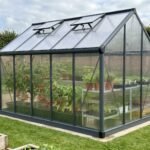
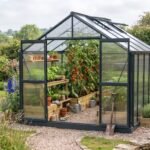
A Victorian greenhouse can bring a timeless sense of beauty, character, and practicality to almost any garden. With its classic glass panels, elegant framework, traditional proportions, and old-fashioned horticultural charm, this type of greenhouse is much more than a place to grow plants. It can become a defining feature of your outdoor space, a peaceful gardening retreat, and even a stylish focal point that adds personality to your home.
Table of Contents
The good news is that you do not always need to buy a costly ready-made structure to enjoy the traditional greenhouse look. A carefully planned Victorian greenhouse DIY project can give you the appearance and atmosphere of a heritage-inspired greenhouse while allowing you to control the size, materials, layout, and overall budget. Whether you have a large country garden or a smaller urban plot, a DIY approach can help you create a greenhouse that feels genuinely personal.
Building a Victorian greenhouse yourself does require more planning than simply assembling a modern mini greenhouse. Traditional designs often feature many glass sections, decorative details, narrow framing members, roof ventilation, doors, shelving, and carefully considered proportions. That means your project needs to combine visual appeal with structural stability, ventilation, drainage, and safe access.
This guide explains how to plan, design, build, decorate, and maintain a Victorian greenhouse DIY project from the ground up. You will learn what makes the traditional style different, which materials work best, how to choose a suitable location, how to manage the construction process, which mistakes to avoid, and how to make your finished greenhouse both beautiful and productive.
Why a Victorian Greenhouse Is Still So Popular Today
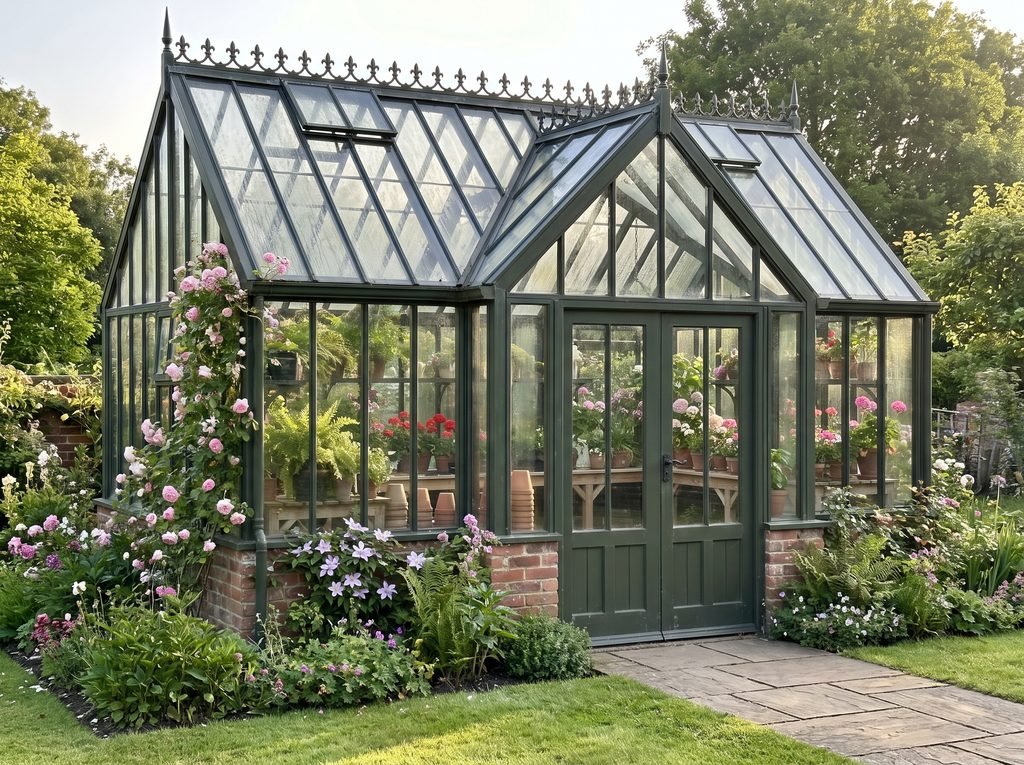
The charm of a victorian greenhouse comes from its distinctive combination of elegance and usefulness. Victorian-era garden structures were designed to make gardening more productive while also creating visually impressive spaces. Tall glass walls helped bring light to plants, while roof vents allowed gardeners to manage heat and humidity. Ornamental details gave these buildings a refined appearance that modern utilitarian greenhouses sometimes lack.
Today, gardeners are attracted to the style for many of the same reasons. A traditional greenhouse can support seed starting, vegetable growing, propagation, overwintering, flowering plants, herbs, and exotic specimens. At the same time, it can make an ordinary garden feel more established and sophisticated.
Another major advantage is versatility. A Victorian greenhouse can be designed as a simple growing house, an ornamental garden room, a propagation area, or a combination of all three. You can install benches for seedlings, shelves for pots, hanging baskets for trailing plants, and a central path for easy movement.
The traditional appearance also works particularly well with cottages, period properties, formal gardens, kitchen gardens, and landscaped backyards. However, you do not need to own an old house to enjoy the style. A well-designed heritage-inspired greenhouse can create an attractive contrast beside a contemporary home as well.
What Makes a Victorian Greenhouse Different?
Before beginning a victorian greenhouse DIY project, it is important to understand what gives the style its identity. Simply installing glass around a rectangular frame does not necessarily create the traditional appearance.
A classic Victorian greenhouse typically emphasizes narrow glazing bars, symmetrical proportions, pitched or steeply angled roof lines, glass-heavy walls, and practical ventilation. Decorative ridges, cresting, finials, traditional doors, painted metalwork, and ornate detailing can also contribute to the aesthetic.
The structure usually feels lighter and more elegant than a heavily framed modern greenhouse. This visual effect is created by dividing the glass into smaller sections with slender framing elements. The result is a building that looks detailed rather than bulky.
Traditional styling can also influence the interior. A central pathway, symmetrical benches, terracotta pots, hanging plants, vintage gardening tools, painted shelving, and classic plant labels can reinforce the heritage character.
It is worth remembering, however, that aesthetics should never take priority over safety. Your DIY structure still needs to withstand local weather conditions, support the glazing correctly, provide sufficient ventilation, and sit on a stable foundation.
Choosing the Right Location for Your Victorian Greenhouse
Location is one of the most important decisions in any Victorian greenhouse project. A beautiful design will perform poorly if the greenhouse receives too little sunlight, suffers from poor drainage, or sits in an exposed location where strong winds can become a problem.
Start by observing your garden throughout the day. Ideally, the greenhouse should receive strong natural light for a significant portion of the growing season. Avoid positions shaded by large buildings, tall walls, dense hedges, or mature trees wherever possible.
However, sunlight is only part of the equation. Think about access as well. You will eventually need to carry compost, pots, trays, plants, watering cans, tools, and possibly larger containers into and out of the greenhouse. A location close to an existing pathway can make the structure much easier to use.
Drainage should also be considered carefully. Waterlogged soil can create problems around the foundations and may contribute to instability over time. If your garden becomes very wet after rainfall, you may need to improve drainage before beginning construction.
Wind exposure deserves special attention. Glass is strong when properly supported, but a greenhouse can still be vulnerable to severe weather if the frame is poorly anchored. A sheltered location can reduce stress on the structure, but avoid creating so much shade that plant growth suffers.
Think about future growth too. A young tree may seem harmless beside your Victorian greenhouse, but as it matures, its branches can shade the roof, drop leaves into gutters, and potentially interfere with the glazing.
Planning the Size Before You Build
One of the easiest mistakes in a victorian greenhouse DIY project is choosing a size based only on what fits the garden today. Instead, think carefully about how you actually intend to use the space.
A small greenhouse may be enough for seed propagation, herbs, a few tomato plants, and overwintering tender plants. A larger design gives you more options for shelving, work areas, circulation, and plant diversity.
Make a simple scaled drawing before buying materials. Mark the greenhouse footprint, door position, roof shape, ventilation areas, benches, shelves, and central path. This can reveal practical problems before construction begins.
Imagine standing inside the finished greenhouse. Will you be able to open the door fully? Can you comfortably walk between benches? Will tall plants interfere with roof vents? Is there enough space to work with trays and pots?
When planning a Victorian greenhouse, it is usually better to prioritize usable interior space rather than simply creating an attractive exterior. A greenhouse that looks wonderful but is difficult to work in can quickly become frustrating.
Designing a Victorian Greenhouse That Looks Authentic
Authenticity in a Victorian greenhouse often comes from proportion and detail rather than simply adding decorative accessories.
One of the most important visual features is the glazing pattern. Traditional greenhouses often divide large glass surfaces into multiple smaller panes. These create a distinctive rhythm across the structure and give the building a more delicate appearance.
The roof is equally important. A pitched roof with traditional framing can immediately communicate the heritage style. A ridge crest or decorative finial can add an extra layer of character without changing the basic structure.
The door should be considered as part of the overall design rather than an afterthought. A timber-framed or metal-framed door with multiple glass panes can complement the building beautifully.
Colour also has a strong visual impact. Muted green, cream, black, white, or subdued traditional shades can work especially well with a heritage-inspired garden. The best choice depends on your home, surrounding landscape, and personal preference.
Keep decorative features balanced. The aim is to create an elegant greenhouse rather than an overcrowded ornament.
Selecting Materials for Your DIY Greenhouse
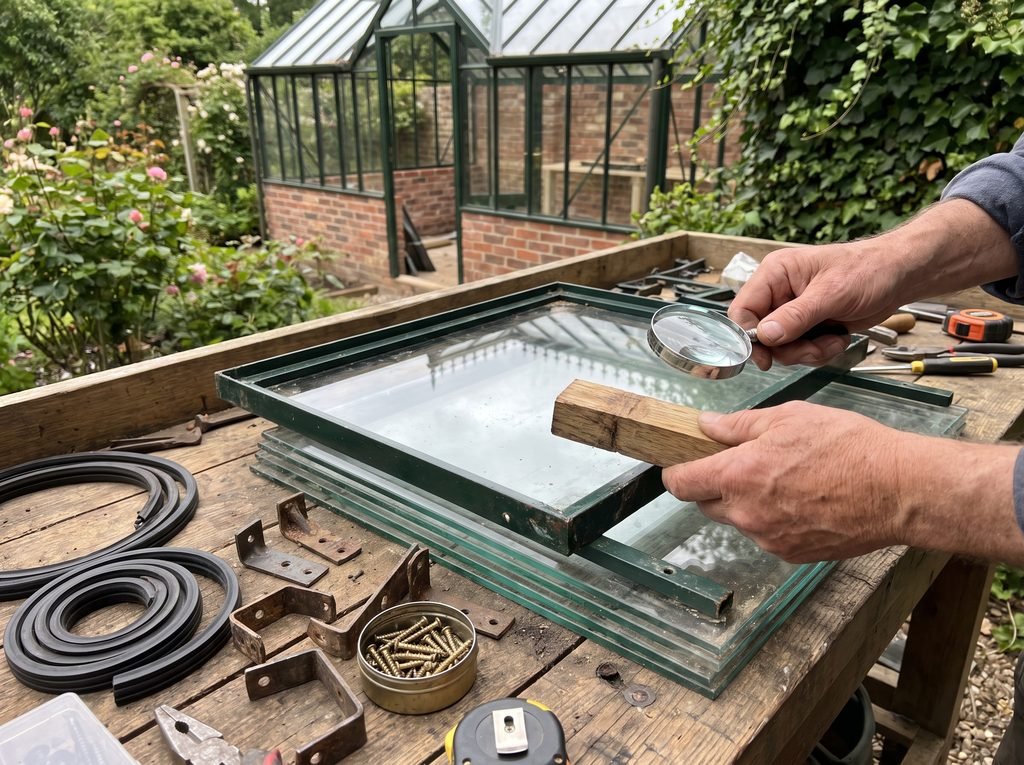
Materials have a major impact on the appearance, lifespan, maintenance requirements, and cost of a victorian greenhouse.
Traditional-looking metal frames can produce a particularly authentic appearance. Aluminium is relatively lightweight and can be finished in colours that resemble painted heritage metalwork. Steel can also offer a strong traditional visual style but may require careful protection against corrosion.
Timber is another attractive option. Wooden frames can create a warm, classic appearance and can blend beautifully into cottage gardens. However, wood needs regular inspection and maintenance, particularly in damp conditions.
For glazing, glass remains one of the most visually characteristic choices. Clear glass maximizes natural light and supports the traditional appearance. Safety considerations are especially important around doors and areas where people may come into direct contact with glazing.
Modern glazing alternatives can also be useful. Toughened or laminated glass can provide additional safety compared with ordinary horticultural glass, while some modern materials offer increased impact resistance. The best option depends on your budget, local weather, intended use, and design priorities.
For many DIY builders, the ideal solution is to combine traditional visual styling with modern performance where appropriate. A greenhouse can look historically inspired without needing to reproduce every original construction technique.
Building the Foundation
The foundation is one of the least glamorous parts of a victorian greenhouse DIY project, but it is one of the most important.
A greenhouse needs a stable base that can support the structure and keep the frame properly aligned. Even small movement can cause doors to stick, panes to shift, and joints to become stressed.
The exact foundation method depends on the size and design of the greenhouse, as well as the ground conditions. Options can include prepared slabs, concrete bases, masonry plinths, or engineered perimeter supports.
Start by measuring and marking the footprint carefully. Check the diagonals to confirm that the layout is square. Small errors at this stage can become much more obvious once the frame and glass are installed.
The foundation should also encourage good drainage. Water should not collect around the greenhouse walls or doorway.
A traditional masonry base can look particularly attractive beneath a victorian greenhouse. Brick or stone can visually connect the building with older garden structures and can provide an excellent transition between the greenhouse and surrounding landscaping.
Constructing the Frame Step by Step
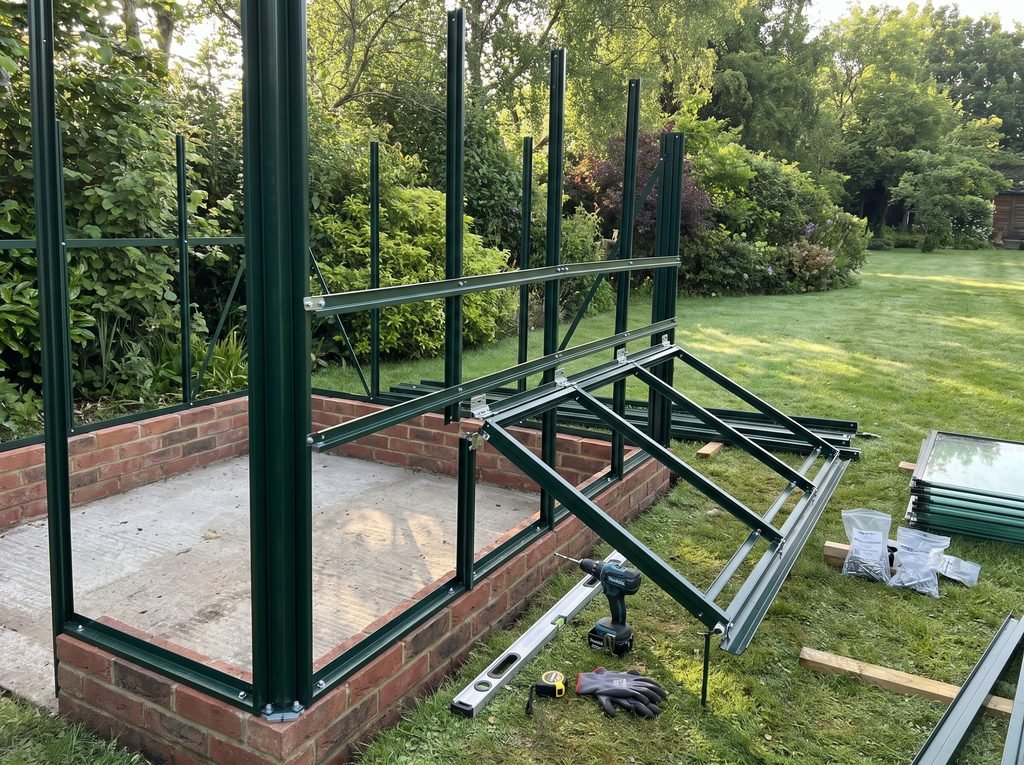
Once your foundation is ready, the next stage is constructing the frame. This is where careful measurement becomes essential.
Begin by assembling the base elements and confirming that everything is level. Follow this with the corner posts, wall sections, roof supports, and ridge structure according to your design.
Do not rush the frame assembly. Check measurements repeatedly as you work. A frame that is slightly out of square can create major problems later when you attempt to fit glass.
When building a Victorian greenhouse, pay particular attention to the slender framing members that create the traditional aesthetic. They may look delicate, but each one has an important structural role.
The roof should be securely attached and designed to accommodate ventilation. A properly supported roof also makes glazing installation easier.
If you are designing a completely custom structure, it is wise to prepare detailed drawings before cutting materials. Clearly label each component and record dimensions so mistakes are less likely.
Installing Glass Safely
Glazing is often the most delicate part of building a victorian greenhouse.
Glass panels should fit the frame correctly without being forced into position. Gaps that are too large can allow drafts and water infiltration, while panels that are too tight can create stress within the glazing.
Always use appropriate protective equipment when handling glass. Gloves, eye protection, safe lifting techniques, and a clean working area are essential.
Work carefully and avoid installing panels in unsuitable weather. Strong winds can make large glass sections difficult and dangerous to handle.
The glazing system should also allow for expected movement caused by temperature changes. Proper clips, seals, glazing compounds, or other appropriate fixing systems should be used according to the frame and glazing type.
Because glass is a critical safety component, builders without prior glazing experience may benefit from getting professional assistance with the most difficult sections.
Creating Proper Ventilation
A beautiful victorian greenhouse can quickly become too hot if ventilation is ignored.
Ventilation allows hot air to escape and helps reduce excessive humidity. It also supports healthy plant growth and can make the internal environment more comfortable for gardeners.
Roof vents are particularly useful because hot air naturally rises. Side vents can complement roof ventilation and create improved air movement through the greenhouse.
Automatic vent openers can be a worthwhile addition. These mechanisms can respond to temperature changes and open vents when the greenhouse becomes too warm.
Doors can also contribute to airflow, but relying on the main door alone is generally less effective than having dedicated vents.
During warm weather, you may find that ventilation is one of the most important systems in your victorian greenhouse. Good airflow can help reduce heat stress and create a healthier environment for plants.
Heating Your Victorian Greenhouse
A greenhouse can extend the growing season, but maintaining a suitable temperature during cold periods may require heating.
The right heating strategy depends on what you grow. Hardy plants may require little more than frost protection, while tropical or tender plants can need significantly warmer conditions.
Before buying a heater, improve insulation and reduce unnecessary heat loss first. Sealing obvious gaps, fitting suitable doors, and using appropriate insulating materials can make heating more efficient.
Electric greenhouse heaters are popular because they are relatively easy to manage and can work with thermostatic controls. However, every electrical installation should be suitable for the environment and installed safely.
Some gardeners use heated propagation benches, warming cables, or localized heating instead of heating the entire greenhouse.
The goal is not always to make the greenhouse warm like a living room. Often, the most efficient approach is to maintain a minimum temperature that matches the needs of the plants.
Watering and Irrigation for Your Greenhouse
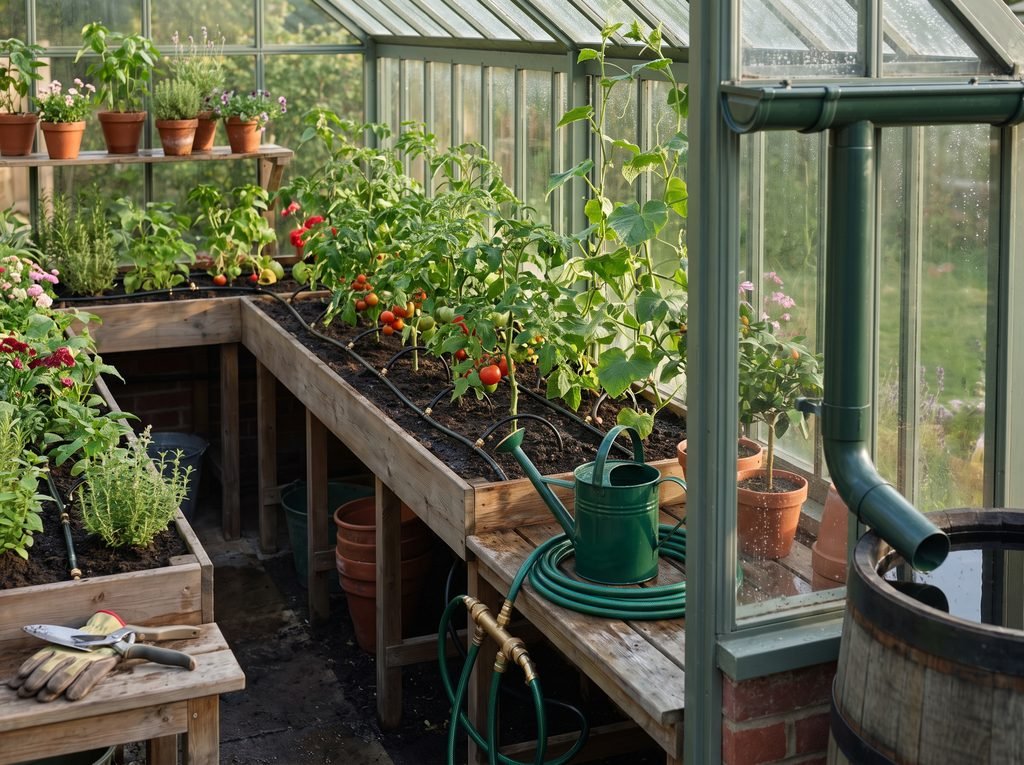
A well-designed Victorian greenhouse should make watering easy rather than turning it into a daily struggle.
For a small greenhouse, a watering can may be sufficient. Larger structures can benefit from a hose connection, drip irrigation, or automated watering system.
Watering early in the day can allow foliage and surfaces to dry before temperatures fall. However, the ideal schedule depends on your plants, growing medium, weather, and greenhouse conditions.
Rainwater harvesting can be an excellent addition to a traditional greenhouse. A water butt connected to guttering allows you to collect rainwater and reduce reliance on mains water.
This approach can also fit beautifully with the heritage character of a victorian greenhouse, particularly when paired with classic-looking containers and traditional garden features.
Interior Layout Ideas That Improve Usability
Interior planning can transform the way you use your victorian greenhouse.
A central walkway provides easy access and gives the space a strong symmetrical appearance. Benches can be placed along the sides, leaving the middle relatively open.
Raised benches make working more comfortable and can improve organization. Lower shelves can hold larger pots and heavier containers, while upper shelving is useful for seedlings and smaller plants.
Hanging baskets can take advantage of vertical space, but make sure they do not block light or ventilation.
A dedicated potting corner can also be helpful. Even a modest workbench can give you space to transplant seedlings, prepare containers, label plants, and store tools.
Try to keep frequently used items within easy reach. A beautiful greenhouse should also be practical enough to encourage you to spend time in it.
Choosing Plants for Your Victorian Greenhouse
One of the greatest advantages of a victorian greenhouse is the range of plants you can grow.
Tomatoes, cucumbers, peppers, aubergines, herbs, salad crops, strawberries, and many flowering plants can benefit from protected growing conditions. A greenhouse can also provide a controlled environment for propagation and early-season seedlings.
Tender plants that cannot tolerate outdoor winter temperatures may also be overwintered in a protected greenhouse, depending on local conditions and the structure’s temperature control.
Think about creating different zones based on plant requirements. Plants needing the brightest conditions can be positioned near suitable glazing, while species that prefer less intense light can be placed where they are naturally protected.
Vertical growing is particularly useful in smaller greenhouses. Trellises and supports allow climbing crops to use overhead space without consuming too much floor area.
Making a Small Victorian Greenhouse Work
You do not need a huge garden to enjoy a Victorian greenhouse.
A compact structure can still provide significant growing benefits when the internal layout is carefully planned. Use narrow shelving, wall-mounted storage, vertical supports, and compact containers to maximize every available area.
A small greenhouse may be especially suitable for gardeners who want a manageable project. It can also be easier to heat and maintain.
Avoid overcrowding. One of the most common mistakes in small greenhouse gardening is placing too many plants inside and leaving insufficient space for airflow and maintenance.
Use succession planting to make better use of the available area. As one crop finishes, another can take its place.
DIY Cost Planning and Budget Control
Cost is an important consideration when building a victorian greenhouse DIY project.
The final price can vary dramatically depending on the size, glazing, frame materials, foundation, doors, ventilation systems, interior fittings, heating, irrigation, and decorative details.
One way to control expenses is to separate essential components from optional upgrades.
A secure frame, suitable foundation, safe glazing, ventilation, and weather protection should take priority. Decorative items can be added gradually.
Reusing suitable materials can sometimes reduce costs, but only when those materials are structurally sound and appropriate for the intended application. Old windows, doors, bricks, and timber may provide character, but they must be inspected carefully.
Buying materials in stages can also spread out the project cost. However, make sure dimensions remain consistent so you do not end up with mismatched components.
Can You Build a Victorian Greenhouse From Reclaimed Materials?
Reclaimed materials can be an exciting option for a victorian greenhouse, especially when you want a genuinely aged appearance.
Old windows can provide character and can create a beautiful patchwork glazing effect. Reclaimed bricks can be used to build a traditional plinth. Old timber doors can add personality.
However, reclaimed materials are not automatically suitable. Inspect them for rot, cracks, corrosion, broken glass, warping, and structural weakness.
Measurements are another challenge. Modern greenhouse kits are designed around standardized components, while reclaimed materials are often inconsistent.
For that reason, reclaimed construction works best when you are comfortable modifying the design around the available materials.
The result can be extremely distinctive, but safety should remain the first priority.
Common Victorian Greenhouse DIY Mistakes to Avoid
Many greenhouse problems begin during planning rather than construction.
One common mistake is underestimating ventilation. Gardeners sometimes focus so heavily on appearance that they forget how quickly a glass structure can heat up.
Another problem is choosing a poor location. A greenhouse hidden behind buildings may look attractive from one angle but receive insufficient usable sunlight.
Inadequate foundations can also lead to movement and alignment problems.
Poorly designed access is another issue. A narrow door may look elegant but become frustrating when carrying large pots and bags of compost.
Overcrowding the greenhouse is a frequent mistake too. Plants need light, air circulation, and sufficient room for maintenance.
Finally, some DIY builders choose decorative features before solving practical engineering problems. The better approach is to create a strong, functional structure first and add decorative details once the essential systems are working.
How to Make Your Victorian Greenhouse More Energy Efficient
Energy efficiency is becoming increasingly important for greenhouse gardeners.
Start with passive measures. Use the greenhouse’s orientation, ventilation, thermal mass, and insulation opportunities effectively before relying heavily on mechanical heating.
Water-filled containers can provide thermal mass by absorbing heat during the day and releasing some of it later. Suitable insulating methods can reduce heat loss during colder periods.
Automatic ventilation can help prevent overheating without requiring constant manual adjustment.
When choosing a heater, use a thermostat so the system runs only when needed.
Your Victorian greenhouse does not need to consume large amounts of energy to be useful. Good design can reduce the amount of work required from heating and ventilation equipment.
Adding Traditional Garden Features Around the Greenhouse
The area surrounding the greenhouse can make a huge difference to the overall appearance.
Brick paths, gravel surfaces, stone edging, raised beds, espaliered fruit trees, climbing roses, and traditional planting schemes can all complement a victorian greenhouse.
Consider creating a small approach path leading directly to the door. This makes the greenhouse feel integrated into the wider garden rather than simply placed in an empty patch.
A small seating area nearby can also turn the greenhouse into a destination rather than just a functional structure.
Lighting should be subtle and practical. Warm exterior lighting can help illuminate pathways while preserving the traditional atmosphere.
The surrounding design does not need to be expensive. Even carefully chosen plants and reclaimed materials can create a convincing heritage garden setting.
Decorating the Interior Without Losing Functionality
A victorian greenhouse can be decorated in a way that feels elegant without compromising growing space.
Terracotta pots are an obvious choice for the traditional aesthetic. Wooden trays, painted metal containers, vintage-style labels, and classic shelving can also add character.
Keep decorative pieces away from areas where they could obstruct doors, vents, pathways, or plant maintenance.
Old gardening tools can be displayed on a wall, while seed packets, handwritten labels, and simple storage boxes can add visual interest.
A small stool or narrow chair can create a comfortable place to sit and enjoy the greenhouse.
The best interiors balance beauty with purpose. Every piece should either serve a function or contribute meaningful character without creating unnecessary clutter.
Maintaining the Frame and Glazing
Regular maintenance will help your Victorian greenhouse remain attractive and safe for years.
Inspect the frame periodically for corrosion, loose fittings, cracked components, or signs of movement.
Check glazing for chips and cracks, especially after severe weather.
Keep gutters and drainage channels clear. Blocked gutters can cause water to overflow near the foundation.
Clean the glass regularly because dirt can reduce the amount of light reaching plants.
Wooden frames require particular attention to paint, protective finishes, moisture damage, and possible rot.
Maintenance is much easier when small problems are handled early. A few minutes spent inspecting the greenhouse can prevent larger repairs later.
Cleaning Your Victorian Greenhouse
Cleaning should be treated as part of your regular greenhouse routine.
Dirty glazing can reduce natural light, while algae and organic debris can accumulate in damp areas.
Start by removing plant debris, empty pots, and loose materials. Clean the glass using suitable methods and avoid harsh techniques that could damage frames or seals.
Pay special attention to corners and joints where dirt can build up.
Disinfecting surfaces may be appropriate between growing cycles, especially when dealing with disease-prone plants. Use products and methods appropriate for the plants and materials in your greenhouse.
A clean victorian greenhouse is not only more attractive; it can also provide a healthier and more productive growing environment.
Using Your Greenhouse Throughout the Year
One of the biggest benefits of a victorian greenhouse is that it can remain useful beyond the main growing season.
In spring, it can provide a protected environment for starting seeds and young plants.
During summer, it can support heat-loving crops such as tomatoes and peppers while providing shelter from poor outdoor weather.
Autumn can be ideal for extending harvests and protecting tender crops.
Winter can turn the greenhouse into an overwintering space for selected plants or a protected area for hardy crops.
The specific possibilities depend on your local climate and greenhouse setup, but good planning can help you get value from the structure throughout the year.
Turning a Victorian Greenhouse Into a Garden Retreat
A victorian greenhouse does not have to be purely agricultural.
With careful design, it can become a peaceful retreat where you read, plan your garden, propagate plants, enjoy a morning drink, or simply spend time surrounded by greenery.
A narrow bench, comfortable stool, small table, or folding chair can create a simple sitting area.
However, keep furniture and personal items away from high-humidity zones where moisture can cause damage.
A retreat-style greenhouse works especially well when combined with attractive planting around the exterior. The building becomes part of the garden experience rather than merely a utility structure.
How to Add Value and Character to Your Garden
A thoughtfully designed Victorian greenhouse can become one of the most memorable visual elements in your garden.
Its architectural character can provide structure even during the colder months when many plants are dormant.
The glass reflects light throughout the day, while the framing adds texture and rhythm.
From a landscaping perspective, the greenhouse can also create a destination that draws the eye through the garden.
The key is to make it feel intentionally positioned. Surrounding planting, pathways, walls, raised beds, and garden furniture can help integrate the structure into its environment.
When a DIY Victorian Greenhouse Is the Right Choice
A victorian greenhouse DIY project is especially appealing to gardeners who enjoy hands-on work and want control over the finished design.
DIY can allow you to customize dimensions, materials, features, and decorative details.
It can also be rewarding because you are creating something that becomes a permanent part of the garden.
However, DIY is not necessarily the fastest or easiest route. A custom project can take more time than assembling a standardized greenhouse kit.
If you are comfortable with measuring, basic construction, careful planning, and routine maintenance, the project can be extremely satisfying.
For specialized areas such as structural engineering, difficult glazing, or electrical work, professional support can help ensure the finished greenhouse is safe.
When Buying a Greenhouse Kit May Be Better
Not every gardener needs to build a victorian greenhouse from scratch.
A professionally designed greenhouse kit can save significant time, particularly if you want traditional styling without designing every component yourself.
Kits are usually supplied with components intended to work together, which can reduce measurement errors and simplify assembly.
A hybrid approach may also be ideal. You could purchase the main greenhouse structure and then customize the interior with your own shelving, benches, storage, planting systems, and decorative features.
This can deliver many of the benefits of a DIY project without requiring you to design the entire structural system.
How to Create a Victorian Look on a Modern Structure
You can also transform a simpler greenhouse into something that has a more traditional appearance.
Decorative ridge details, classic colours, divided glazing patterns, traditional doors, brick bases, vintage-style hardware, and heritage-inspired planting can dramatically change the visual impression.
This approach can be more affordable than constructing a completely authentic historical reproduction.
The trick is consistency. Try to make the structural and decorative details work together rather than attaching random vintage accessories.
A restrained design often looks more convincing than one overloaded with ornament.
Safety Tips for Building and Using a Greenhouse
Safety should remain central throughout your Victorian greenhouse DIY project.
Wear suitable protection while cutting materials, handling glass, drilling, lifting, or working at height.
Make sure the structure is properly anchored and suitable for your local weather conditions.
Check doors and glazing regularly.
Keep walkways clear to prevent trips.
Any electrical equipment must be appropriate for the environment and installed in accordance with applicable safety requirements.
Children and pets should also be considered when selecting door hardware, glass, heaters, and sharp-edged materials.
The goal is to create a greenhouse that is not only attractive and productive but also safe for everyday use.
A Simple DIY Construction Timeline
Planning can make a large victorian greenhouse project feel more manageable.
Begin with research and measurements. Decide what you want to grow and how much interior space you realistically need.
Next, finalize the design and prepare a materials list.
The foundation can then be prepared before the frame is assembled.
After the frame is checked and secured, install the roof and wall glazing.
Ventilation, doors, drainage, heating, irrigation, and interior fittings can then be added.
Finally, complete the surrounding landscaping and decorative details.
Do not feel pressured to finish everything at once. A greenhouse can be developed in stages, allowing you to spread costs and refine the design as you learn how the space works.
How to Make Your Greenhouse Feel Truly Victorian
If the appearance matters as much as the growing performance, concentrate on details that create visual authenticity.
Use traditional proportions where practical. Choose slender framing, classic glazing patterns, heritage-inspired colours, and symmetrical design elements.
A brick or stone base can add architectural weight.
Decorative ridge elements can emphasize the roofline.
A multi-pane door can reinforce the traditional appearance.
Inside, use materials such as timber, terracotta, painted metal, and natural stone to support the visual theme.
You do not need to copy a specific historic greenhouse exactly. The most successful victorian greenhouse designs take traditional ideas and adapt them to modern gardening needs.
Why Traditional Design and Modern Function Work Well Together
One of the most appealing things about a modern victorian greenhouse is the opportunity to combine classic design with contemporary convenience.
You can have traditional-looking architecture alongside automatic vents, efficient heating, drip irrigation, modern safety glazing, digital thermometers, propagation systems, and organized storage.
This combination gives you the best of both worlds.
The greenhouse can look like it belongs in a traditional garden while operating with systems designed for modern gardeners.
That is one reason heritage-inspired greenhouse designs continue to attract attention. They provide emotional and visual appeal without requiring gardeners to give up practical technology.
Frequently Asked Questions About Victorian Greenhouses
What is a Victorian greenhouse?
A victorian greenhouse is a greenhouse inspired by the styles popular during the Victorian era. These structures are typically associated with detailed glazing patterns, traditional framing, pitched roofs, practical ventilation, and decorative architectural elements.
Can I build a Victorian greenhouse myself?
Yes, a Victorian greenhouse DIY project is possible, particularly for gardeners with suitable DIY experience. The difficulty depends on the size, materials, glazing system, foundation, and level of customization.
Is a Victorian greenhouse expensive?
The cost can vary widely. A simple DIY structure using carefully selected materials can cost considerably less than a premium heritage-style greenhouse, while custom structures with high-quality glazing and decorative features can become much more expensive.
Is glass better than polycarbonate for a traditional greenhouse?
Glass generally provides a more traditional appearance and is strongly associated with classic greenhouse design. Polycarbonate can be practical and impact-resistant, but the visual result may be different. Your choice should consider safety, climate, budget, insulation, and appearance.
What plants grow well in a Victorian greenhouse?
Many plants can thrive in a victorian greenhouse, including tomatoes, peppers, cucumbers, herbs, seedlings, flowering plants, and selected tender species. The ideal choices depend on the temperature, ventilation, light levels, and growing conditions you maintain.
Does a Victorian greenhouse need heating?
Not necessarily. Some plants require only protection from frost, while others need additional warmth. Heating needs depend on your crops, climate, greenhouse construction, and growing goals.
How can I keep a Victorian greenhouse cool in summer?
Use roof vents, side ventilation, shading where appropriate, good airflow, and careful watering. Automatic vent openers can also help manage temperature without requiring constant monitoring.
Can I use reclaimed windows?
Reclaimed windows can work in some DIY designs, but they must be checked carefully for safety, structural condition, suitable dimensions, and compatibility with the rest of the structure.
Final Thoughts: Build a Victorian Greenhouse That Works for You
Creating a victorian greenhouse DIY project is about much more than putting glass panels around a frame. It is an opportunity to combine traditional beauty with practical gardening.
The best greenhouse designs start with sensible planning. Choose a suitable location, determine the right size, prepare a stable foundation, select durable materials, provide adequate ventilation, and think about how you will actually move and work inside the building.
From there, you can introduce the elements that give a victorian greenhouse its distinctive character: elegant glazing, traditional framing, classic doors, decorative roof details, brick or stone foundations, heritage colours, and carefully selected interior furnishings.
You also do not need to complete every detail on day one. Start with a safe and functional structure, then improve it over time. Add shelving when you need more growing space. Install irrigation when watering becomes inconvenient. Introduce automatic ventilation when temperature management becomes a challenge. Enhance the surrounding garden as your budget and time allow.
Most importantly, design the greenhouse around your lifestyle and gardening goals. A greenhouse should encourage you to grow, experiment, propagate, relax, and enjoy your garden.
Whether you want a compact structure for seedlings or a larger centerpiece filled with tomatoes, flowers, herbs, and climbing plants, a well-planned victorian greenhouse can become one of the most rewarding additions to your outdoor space.
Do not focus only on how the greenhouse will look on the day it is finished. Think about how it will feel five years from now when the plants have matured, the surrounding garden has developed, and the greenhouse has become part of your daily routine.
That long-term perspective is what turns a DIY building project into a genuinely valuable garden feature.
Ready to Start Your Victorian Greenhouse DIY Project?
A beautiful greenhouse does not have to begin with an enormous budget or a complicated construction plan. Start by measuring your garden, choosing the right location, deciding what you want to grow, and sketching a practical design.
Then build around those needs.
Choose durable materials, prioritize safety, plan ventilation carefully, and leave room for future improvements. With patience and careful preparation, your own victorian greenhouse can become a stunning garden feature that combines old-world charm with modern gardening practicality.
Start planning your design today, make a realistic materials list, and turn that unused corner of your garden into a productive and beautiful growing space. Your ideal victorian greenhouse may be closer than you think.