A greenhouse is one of the best investments a plant lover, gardener, or grower can make, but it only works well when the temperature stays in the right range. That is exactly where a greenhouse heater becomes essential. Without reliable warmth, seedlings may stop growing, tropical plants can suffer damage, and cold nights can undo weeks or even months of hard work. Whether you grow flowers, vegetables, herbs, or rare plants, heating helps you create a stable environment that supports healthy growth all year long. In colder months, it also gives you the freedom to start planting earlier, extend the season later, and protect your crop from sudden frosts that can cause serious losses.
The real value of a greenhouse heater goes far beyond comfort. It helps regulate humidity, supports germination, reduces plant stress, and creates conditions that are much closer to a plant’s ideal climate. Many gardeners make the mistake of thinking a greenhouse alone is enough to keep plants safe, but glass and plastic only trap heat; they do not create it. On sunny days, a greenhouse may become warm quickly, but at night the temperature can drop fast. That sharp change can weaken plants and slow development. A well-chosen greenhouse heater solves that problem by keeping temperatures more consistent and giving plants the steady environment they need to thrive.
Greenhouse Heater Guide: Why It Matters, What to Buy, and How to Use It Right
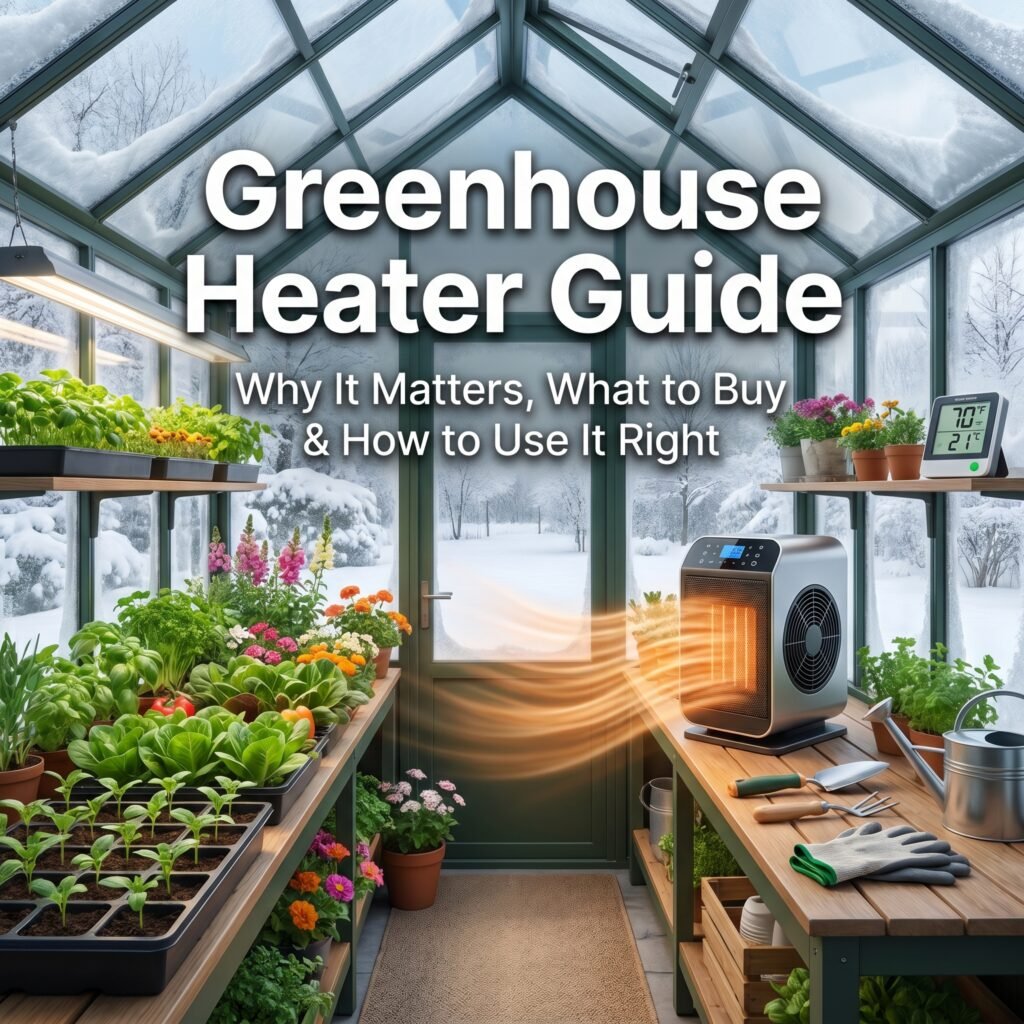
A greenhouse heater is not just for extreme winter weather. It is a practical tool for growers who want control, consistency, and better results. If you have ever lost seedlings to a cold snap, watched tender plants wilt overnight, or struggled with slow germination in early spring, you already understand why heating matters. A greenhouse is designed to capture sunlight, but sunlight is not always enough, especially on cloudy days, during long winters, or in regions where nighttime temperatures fall sharply. Heating bridges that gap and keeps the growing space stable enough for plants to continue developing without interruption.
One of the biggest reasons gardeners invest in heating is to protect young plants. Seedlings are especially vulnerable because their roots are small and their tissues are delicate. Even a brief drop in temperature can stunt growth or kill them outright. A greenhouse heater helps maintain the warmth needed for germination and early development, which means stronger plants later in the season. It also allows you to grow crops that would normally struggle in your local climate. If you want to keep citrus, orchids, succulents, tomatoes, peppers, or other warmth-loving plants healthy, the right heater can make that possible.
Heating also supports year-round gardening. Many people dream of harvesting fresh greens in winter, starting vegetable seeds early, or overwintering prized plants instead of losing them when the season ends. A greenhouse heater makes that possible by extending the growing calendar. Instead of being limited by outside weather, you can continue planting, propagating, and nurturing crops long after outdoor conditions become unsuitable. That flexibility makes your greenhouse more productive and your gardening more rewarding.
Another major benefit is plant health. Temperature swings can stress plants and increase the risk of disease. When plants are stressed, they are less able to resist pests, fungi, and other problems. A heater helps reduce those fluctuations, which can improve overall plant quality. In controlled conditions, plants often grow more evenly, flower more reliably, and produce better yields. For commercial growers, that can mean stronger returns. For home gardeners, it means fewer disappointments and better success with every season.
Choosing the right greenhouse heater starts with understanding your greenhouse size, climate, insulation level, and what you are growing. A small hobby greenhouse has very different needs from a large commercial structure. The colder your region, the more power you may need. If your greenhouse loses heat quickly because of gaps, thin glazing, or poor sealing, you may need a stronger unit than someone with a highly insulated setup. It is always smarter to think about heat retention first, because a heater works best when the greenhouse itself is designed to conserve warmth. Sealing drafts, using thermal curtains, and adding insulation can reduce the load on your heater and lower your energy bill.
There are several types of greenhouse heaters, and each has its own strengths. Electric heaters are popular because they are easy to use, relatively clean, and simple to control with thermostats. They are often a strong choice for small to medium greenhouses where electricity is available and cost-effective. Gas heaters, including propane and natural gas models, can produce a lot of heat and may be more suitable for larger spaces.
They are useful where electrical capacity is limited, but they require proper ventilation and safety precautions. Paraffin heaters are sometimes used in smaller setups, especially where electricity is unavailable, though they may require more monitoring and can add moisture or fumes to the air. Infrared and fan-assisted heaters are also common, each offering different ways to distribute heat efficiently. The best choice depends on your greenhouse goals, budget, and setup.
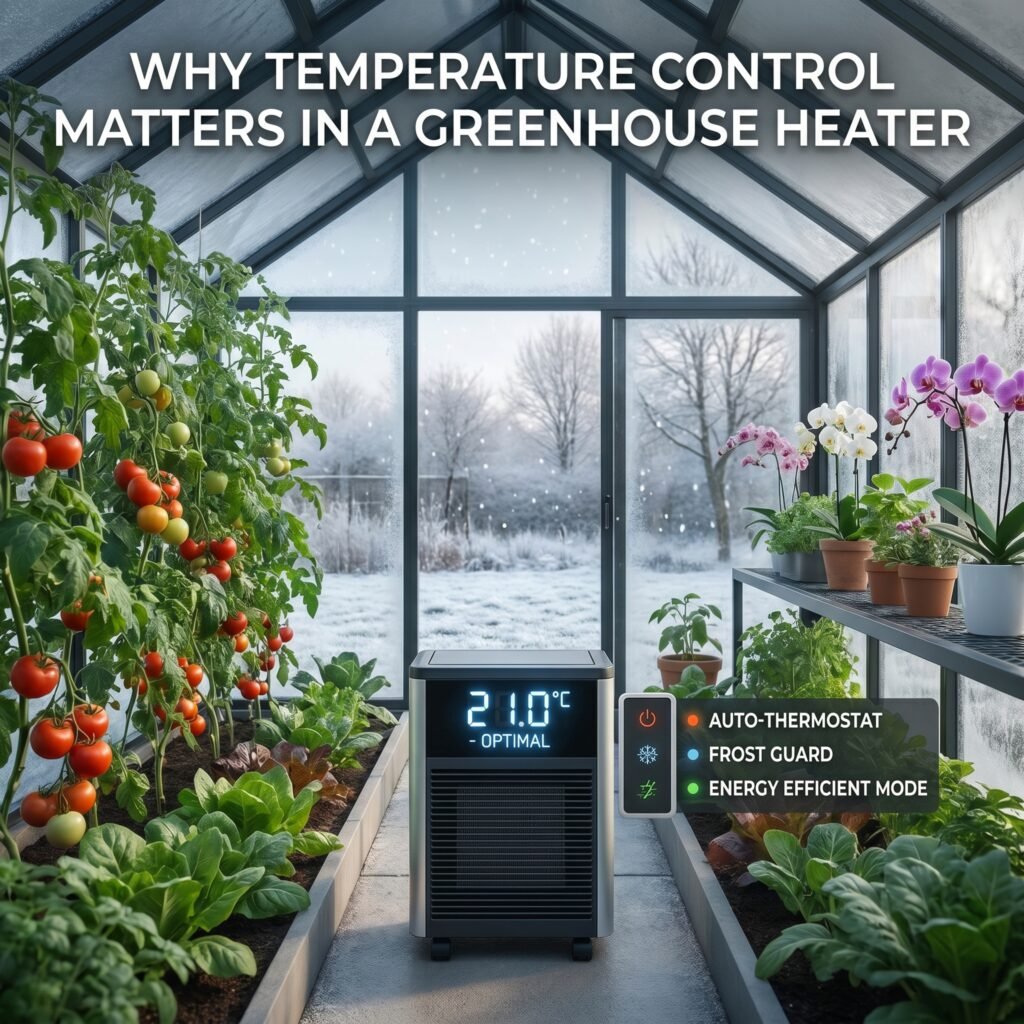
When comparing options, one of the most important features to look for is temperature control. A greenhouse heater with a built-in thermostat or compatible thermostat control allows you to maintain a steady temperature rather than constantly adjusting the heater manually. That consistency is better for plants and more efficient for energy use. Overheating can be just as harmful as cold, so precise control matters. A model with automatic shutoff, frost protection, and adjustable settings can give you peace of mind, especially if you do not check the greenhouse every hour.
Heat distribution is another key factor. A powerful heater is not useful if it warms only one corner of the greenhouse while the rest stays cold. For that reason, many growers use fans or circulation systems to move warm air evenly. Good airflow helps prevent hotspots, reduces condensation, and keeps the entire greenhouse more balanced. This is especially important in larger greenhouses or spaces with shelves and different plant heights. Uniform heating is better than intense heat in one place because it creates a more stable microclimate throughout the structure.
Energy efficiency should also be part of the decision. A greenhouse heater that wastes energy will quickly become expensive to run, especially in colder seasons. Look for insulated designs, efficient thermostats, and models made for greenhouse use rather than generic space heating. A more efficient heater can save money over time and reduce the environmental footprint of your gardening. If sustainability matters to you, consider combining heating with passive strategies like thermal mass, bubble wrap insulation, and proper sealing. These methods help hold heat inside the greenhouse, allowing the heater to work less and last longer.
How you use a greenhouse heater matters just as much as which one you buy. Placement is critical. The heater should be positioned where it can circulate warmth effectively without being blocked by plants, pots, shelves, or walls. It should never be placed too close to flammable materials, and it should always follow the manufacturer’s safety instructions. In many cases, elevating the heater slightly or placing it where air can flow freely helps improve its performance. If your greenhouse has several zones, you may need more than one heat source or a fan system to spread the warmth more evenly.
Ventilation is another part of the equation. Even though heating is important, a greenhouse also needs fresh air. Too much moisture trapped inside can lead to mold, mildew, and disease. Proper ventilation helps balance temperature and humidity, especially when the heater is running for long periods. This is one reason why a greenhouse heater should never be used in isolation. The best results come from combining heating with air movement, shading when necessary, and careful moisture control. A healthy greenhouse is a balanced greenhouse.
Safety should always come first. Any heater can become a hazard if it is used carelessly. Keep electrical cords dry and protected, make sure gas models are installed and maintained correctly, and never overload circuits. Regular inspection is important because dust, damaged wires, blocked vents, or worn parts can all create problems. If your heater has a thermostat, test it before peak winter conditions arrive. It is much easier to fix a small issue early than to lose plants in the middle of a cold spell. A greenhouse should be a place of growth, not risk, so make safety part of your routine.
One overlooked benefit of a greenhouse heater is how it can improve propagation. If you enjoy starting seeds, rooting cuttings, or overwintering tender plants, stable warmth can dramatically improve success rates. Many seeds germinate best in warm, consistent conditions. Cuttings often root faster when the surrounding temperature is steady. A heater can turn your greenhouse into a much more productive propagation space, helping you save money and grow stronger plants from the very beginning. That is why many serious gardeners consider heating not a luxury, but a core part of greenhouse performance.
If you are trying to decide whether you really need one, consider what your goals are. If you only use the greenhouse in mild weather and grow hardy plants, you may need less heating than someone growing tropical species or starting seedlings in early spring. But if frost, cold nights, or seasonal changes regularly threaten your plants, a greenhouse heater becomes a practical necessity. It gives you more control, more flexibility, and more confidence. Instead of worrying about overnight drops in temperature, you can focus on the joy of growing.
For many gardeners, cost is a major concern. The truth is that a greenhouse heater is an investment, but it can pay off in healthier plants, fewer losses, and a longer growing season. When you compare the price of a heater to the value of the plants it protects, the decision often becomes clear. One frost can destroy trays of seedlings, rare ornamentals, or a winter crop you have spent months raising. A reliable heater reduces that risk. It also helps you grow crops that may otherwise need expensive indoor lighting or climate-controlled spaces. Over time, the heater may save more than it costs.
Still, it is wise to manage expectations. A greenhouse heater is not a magic solution for bad greenhouse design. If the structure leaks badly, has broken panels, or lacks insulation, the heater will have to work harder and cost more to run. That is why the smartest approach is to think of heating as part of a complete system. Improve insulation where possible, block drafts, use thermal mass such as water barrels or stone, and keep the greenhouse as tight as practical. Then choose a heater that matches the environment you have created. This combination gives you the best results at the lowest operating cost.
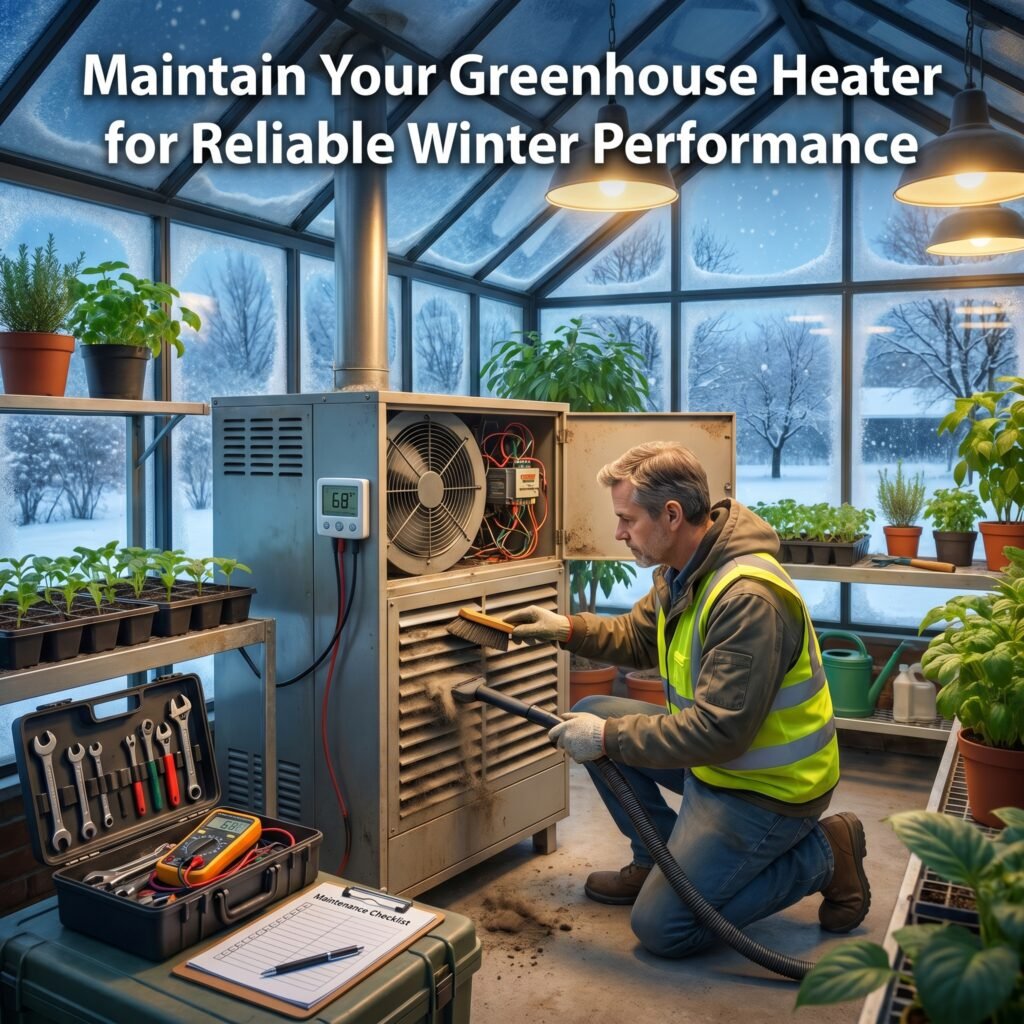
Maintenance is also important for long-term performance. Dust and dirt can reduce efficiency, so clean your heater regularly. Check thermostats, fans, vents, and power connections before cold weather arrives. If you use a fuel-based heater, follow all servicing recommendations carefully. Good maintenance helps the heater last longer and keeps it running safely when you need it most. It also prevents sudden breakdowns, which is especially important during frost-prone nights. A dependable greenhouse heater should be seen as part of your greenhouse care routine, not something you set and forget forever.
When using a heater, pay attention to your plants rather than assuming one temperature works for everything. Some plants prefer warmer conditions, while others do better in cool nights. A tomato seedling, a tropical fern, and a dormant citrus tree may all need different approaches. The best greenhouse growers learn to observe plant behavior and adjust conditions accordingly. Watch for signs of stress such as curling leaves, slow growth, condensation, or dry air. Use the heater to support the plants, not to force every species into the same environment. That flexibility is one of the real strengths of greenhouse growing.
If your greenhouse is used for food production, heating can also improve consistency and quality. Herbs, leafy greens, tomatoes, cucumbers, and other crops can continue growing when outdoor conditions are too harsh. That means more harvests, better planning, and a more reliable supply of fresh produce. For home gardeners, that can translate into fewer grocery runs and more flavorful harvests. For small growers, it can mean a stronger business model and better customer satisfaction. In both cases, the greenhouse heater plays a direct role in turning seasonal gardening into a more stable, productive system.
There is also a psychological benefit that many gardeners do not talk about enough. A warm greenhouse can be a peaceful, productive space during winter when outdoor gardening is impossible or unpleasant. It keeps the gardening habit alive through the colder months and makes the greenhouse feel like a living extension of your home and garden. Instead of shutting everything down until spring, you stay connected to your plants and your growing goals. That continuity can be deeply satisfying and can help make gardening a year-round passion rather than a seasonal hobby.
As you plan your setup, remember that a good greenhouse heater works best when paired with good habits. Check the forecast during cold seasons. Set alarms or automate controls where possible. Avoid overcrowding the space, because plants packed too tightly can restrict airflow and trap moisture. Use insulation strategically. Think ahead rather than reacting after the temperature already drops. These simple habits can make a dramatic difference in plant survival and overall greenhouse performance.
For anyone serious about greenhouse success, heating is not an optional extra; it is a strategic tool. It protects investments, extends growing time, improves propagation, and supports healthier plants across the season. Whether you are a beginner trying to keep seedlings alive or an experienced grower looking to maximize output, the right greenhouse heater can transform what your greenhouse is capable of doing. The key is to choose carefully, install safely, and use it as part of a smart growing system.
If your greenhouse has been underperforming in cold weather, now is the time to fix that problem. A suitable greenhouse heater can turn a chilly, vulnerable space into a dependable growing environment that works when the weather does not. The plants you save, the seeds you start, and the harvests you extend will quickly show the value of that decision. Instead of letting winter control your garden, you can take control of the climate inside your greenhouse and keep growing with confidence.
A greenhouse heater is one of the most effective ways to protect plants, increase productivity, and grow with greater freedom. From seedlings to mature crops, from ornamental flowers to edible harvests, the right temperature can make all the difference. If you are ready to build a stronger, more reliable greenhouse system, now is the perfect time to act. Choose a heater that fits your space, improve your insulation, and give your plants the stable environment they deserve. Your greenhouse will reward you with healthier growth, better results, and a longer season that makes every effort worthwhile.