When winter settles in, a greenhouse can quickly go from a plant paradise to a chilly space that puts your growing season at risk. Cold nights, frost, damp air, and sudden temperature drops can stress tender seedlings, slow growth, and even damage plants that would otherwise thrive. That is exactly why choosing the right greenhouse heater for winter matters so much. A good heater does more than simply raise the temperature. It helps create a stable growing environment, protects roots from freezing, reduces plant shock, and gives you confidence that your greenhouse is still working for you even when the weather outside is harsh.
If you are trying to keep herbs, vegetables, flowers, or young transplants alive through the cold months, the best greenhouse heaters for winter can make all the difference. But not every heater is the same. Some are designed for small hobby greenhouses, some are better for larger structures, and others focus on energy savings, automatic temperature control, or safety features. The right choice depends on the size of your greenhouse, the plants you grow, the local climate, and how much insulation your space already has. In this guide, we will walk through everything you need to know so you can choose the best option with confidence, keep your plants warm, and get the most value from your setup.
Why a Greenhouse Heater for Winter Is Worth the Investment
A greenhouse already gives plants an advantage by trapping sunlight and sheltering them from wind, rain, and snow. However, that protection is often not enough during winter, especially when nighttime temperatures drop below freezing. A greenhouse heater for winter helps bridge the gap between what the sun provides during the day and what your plants need to survive at night. That extra layer of warmth can be the difference between healthy growth and damaged leaves, stunted development, or total crop loss.
The biggest benefit of heating a greenhouse in winter is consistency. Plants do not just struggle with extreme cold; they also struggle with temperature swings. A space that warms up too much during the day and drops sharply overnight can create stress that slows growth and weakens plants over time. A reliable heater keeps conditions more stable, which is especially valuable if you are overwintering citrus, starting seedlings early, or growing cool-season crops that still need protection from frost.
Another major advantage is season extension. With the right greenhouse heater for winter, you can continue growing long after outdoor beds become unusable. This means more harvests, earlier transplanting in spring, and more control over your gardening calendar. For many growers, that alone justifies the cost. Instead of waiting months for warmer weather, you can keep your greenhouse active and productive throughout the year.
What Makes the Best Greenhouse Heaters for Winter Different
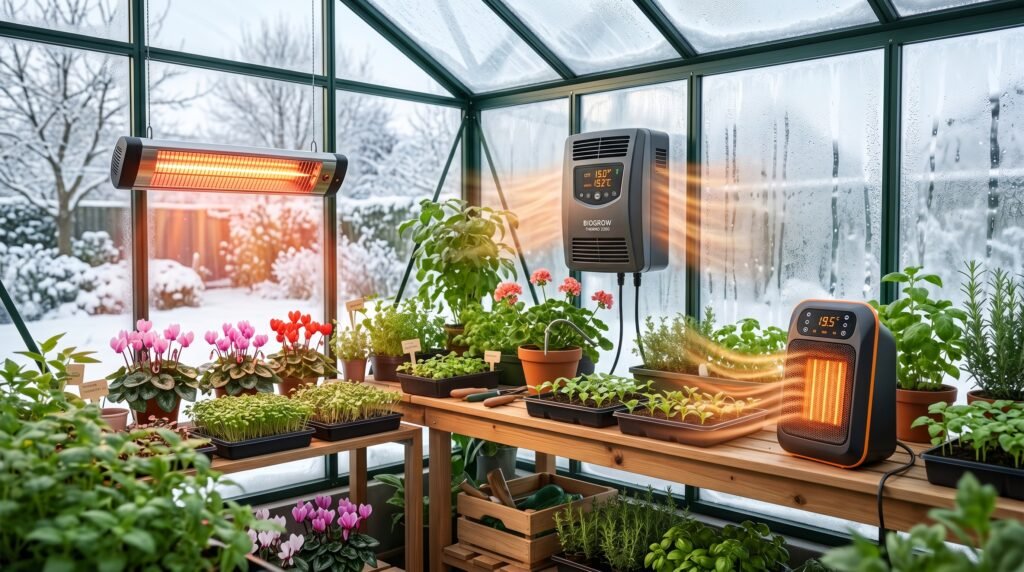
The best greenhouse heaters for winter are not always the largest or most expensive models. They are the ones that match your greenhouse size, power source, insulation level, and plant needs. A heater that is perfect for a small backyard greenhouse may be completely inadequate for a larger tunnel or glasshouse. Likewise, an oversized heater can waste energy and create hot spots that harm sensitive plants.
One of the most important features to look for is temperature control. A heater with a built-in thermostat or compatible thermostat control allows you to maintain a steady temperature rather than constantly adjusting the heater manually. That consistency is better for plants and more efficient for energy use. If you are growing seedlings or tropical plants, precise control is especially important because even a short cold spell can cause damage.
Safety is another key factor. Greenhouses often contain dry organic material, plastic coverings, water containers, and compact spaces, so a heater should include safety features such as overheat protection, tip-over shutoff, and durable construction. Moisture resistance is also important, since condensation is common in winter greenhouses. A quality greenhouse heater for winter should be built to handle damp conditions without becoming a hazard.
Energy efficiency matters too. If you plan to run a heater for long periods, you want a model that warms the space without driving your utility bill through the roof. Efficient heaters, smart thermostats, and good insulation all work together to reduce costs. In many cases, the best heater is not the one that produces the most heat, but the one that uses heat wisely and keeps losses to a minimum.
The Main Types of Greenhouse Heaters for Winter
There are several kinds of greenhouse heaters, and understanding the differences will help you make a smarter choice. Electric heaters are among the most popular for hobby growers because they are easy to install, simple to control, and often come with thermostats. They are especially useful in smaller greenhouses or in locations where electricity is already available and affordable. An electric greenhouse heater for winter can provide steady heat with minimal fuss, making it a practical choice for many gardeners.
Fan heaters are another common option. These move warm air around the greenhouse, helping distribute heat more evenly instead of creating one hot spot near the unit. This circulation can be useful in spaces where cold corners are a problem. Fan heaters are often appreciated for their quick response, and many gardeners like the fact that they can warm the greenhouse fairly fast during cold nights or early mornings.
Infrared heaters work differently. Rather than heating only the air, they warm surfaces and plants directly. This can be beneficial in some greenhouse setups because heat is less likely to rise immediately and escape. Infrared models may be a good fit for targeted warmth, especially if you are protecting specific plants in a section of the greenhouse. They may not be the right answer for every setup, but they can be effective when used correctly.
Paraffin or gas heaters are sometimes used in larger greenhouses or areas where electricity is limited, but they require extra caution and ventilation. They can produce useful heat, yet they also involve fuel management and indoor air quality concerns. For many home growers, electric options are safer and easier to manage, though some commercial growers still rely on fuel-based systems depending on their site and scale.
How to Choose the Right Greenhouse Heater for Winter
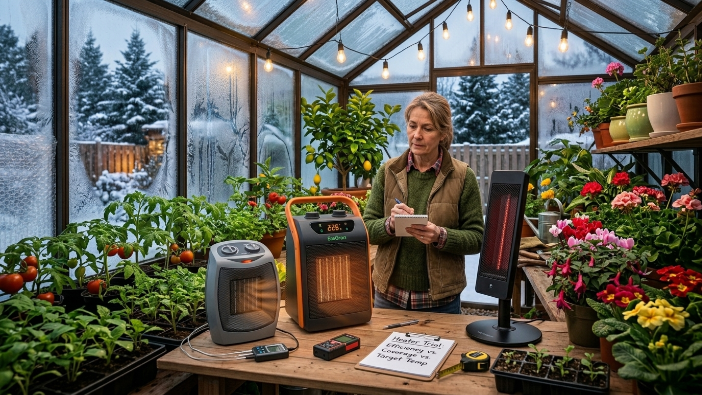
Choosing the right greenhouse heater for winter starts with your greenhouse size. A small lean-to greenhouse will not need the same heating power as a freestanding structure with tall ceilings. Measure your greenhouse carefully and think about how much air needs to be warmed. Bigger spaces usually require more powerful heaters, while smaller spaces can often be maintained with compact models.
You should also think about the lowest temperature your plants can tolerate. Hardier crops like some greens may need only frost protection, while tropical or semi-tropical plants require a warmer, more controlled environment. If your goal is simply to keep temperatures above freezing, a moderate heater may be enough. If you want to maintain a true growing climate through winter, you will need more heat and better insulation.
Insulation changes everything. A greenhouse heater for winter works much better in a structure that has sealed gaps, insulated panels, thermal curtains, or bubble wrap lining the walls. Without insulation, heat escapes too quickly and the heater has to work harder. Before buying a heater, it is wise to improve the greenhouse itself. A well-sealed space can often reduce heating needs dramatically and make your investment go further.
Power availability is another practical factor. Some growers have easy access to electricity, while others may only have limited outlets or rely on extension cords. You should always think about safe electrical setup, moisture protection, and whether your greenhouse wiring can handle the load. A heater is only useful if it can be run safely and consistently throughout the cold season.
Noise level may matter more than people expect. If your greenhouse is close to your home, patio, or workspace, a loud fan heater can become annoying over time. Some models are nearly silent, while others create noticeable airflow noise. The best greenhouse heaters for winter strike a balance between performance and comfort, especially if you spend a lot of time in the greenhouse yourself.
Best Features to Look for in a Greenhouse Heater for Winter
When comparing models, there are a few features that can make a big difference in daily use. A thermostat is one of the most valuable because it automatically turns the heater on and off according to your chosen temperature range. This prevents overheating and saves energy. For gardeners who are not always around to monitor conditions, that type of automation is especially helpful.
A frost protection setting is another useful feature. This setting allows the heater to activate when temperatures fall near freezing, which is ideal if you only need to protect plants from frost rather than maintain tropical warmth. For many growers, this is the simplest way to use a greenhouse heater for winter without overcomplicating the setup.
A durable casing and moisture-resistant design also matter. Greenhouses are humid environments, and heaters need to withstand condensation without failing. A sturdy exterior, stable base, and reliable internal components all contribute to long-term value. The best heaters may cost a little more upfront, but they often last longer and perform more consistently.
Portability can be important too. If your greenhouse layout changes seasonally, or if you move plants around, a lightweight heater can be easier to position. Some gardeners prefer wall-mounted units to save floor space, while others like compact portable models that can be shifted as needed. The right heater should fit the way you actually work, not just the way the product looks in a catalog.
How to Use a Greenhouse Heater for Winter More Efficiently
Even the best greenhouse heater for winter will perform better if you use it wisely. One of the simplest ways to improve efficiency is to heat only what needs heating. If you have a small propagation area, for example, you may not need to warm the entire greenhouse to the same level. Grouping plants by temperature need can help you avoid wasting energy.
Another smart step is to combine heat with insulation. Many gardeners are surprised by how much difference simple improvements can make. Sealing drafts, adding thermal mass such as water barrels, and using insulated coverings at night can help hold warmth inside longer. When the heat stays in the greenhouse, the heater does not have to work as hard, which saves money and reduces wear on the unit.
Air circulation also improves heating performance. Warm air rises, so without circulation the top of the greenhouse may become hot while the lower plant area stays cold. A gentle fan can help distribute warmth evenly and prevent moisture pockets that encourage mold or mildew. A greenhouse heater for winter often works best as part of a larger environmental system rather than as a stand-alone solution.
Timing matters too. Many growers let the greenhouse warm up just before the coldest part of the night rather than running the heater at full power all day. A thermostat can help automate this. By keeping temperatures in a healthy range instead of pushing them much higher than needed, you create a more natural and efficient growing environment. This approach protects plants while keeping costs under control.
Common Mistakes People Make When Heating a Greenhouse in Winter
One of the most common mistakes is buying a heater that is too small. A weak heater may technically run, but if it cannot keep temperatures stable during a freezing night, it will not protect your plants when they need it most. People often focus on the price tag rather than the true capacity of the heater, and that can lead to disappointment. A proper greenhouse heater for winter should be matched to your space and climate, not just your budget.
Another mistake is forgetting about ventilation. Heat is important, but stale, damp air can be just as harmful as cold. If your greenhouse becomes too humid, plants may develop disease problems even if they are warm enough. The solution is not to trap all air inside, but to balance warmth with airflow. Good heating and good ventilation can work together without canceling each other out.
Many growers also underestimate heat loss. Gaps around doors, weak glazing, unsealed vents, and thin walls all allow warmth to escape quickly. People sometimes blame the heater when the real problem is the greenhouse structure itself. Before investing in a more powerful model, it is worth improving insulation and sealing leaks. That often gives better results than simply turning up the heat.
Another mistake is placing the heater in the wrong spot. If it sits too close to plants, it can dry them out or create hot zones. If it is tucked into a corner with poor airflow, the warmth may never spread properly. Positioning matters just as much as power. The goal is gentle, even warmth throughout the growing space.
How a Greenhouse Heater for Winter Supports Different Types of Plants
Not all plants respond the same way to winter conditions, so your heating approach should reflect what you are growing. Seedlings are especially vulnerable because they are young and delicate. A stable greenhouse heater for winter can help them germinate and establish stronger roots without the stress of cold soil. Warmth is often just as important below the surface as it is in the air above it.
Herbs also benefit from steady winter heat. Many popular herbs do not like frost, and even hardy varieties grow better when temperatures remain consistent. If you want fresh basil, parsley, cilantro, or mint during colder months, a greenhouse heater can help keep the growing cycle active. The same is true for tomatoes and peppers if you are extending their season or starting them early for transplanting later.
Tropical and subtropical plants have the highest heating needs. Citrus, orchids, tender ornamentals, and exotic foliage plants often need much warmer conditions than a simple frost guard can provide. For these plants, choosing a dependable greenhouse heater for winter is essential, not optional. Without proper warmth, they may drop leaves, stop growing, or suffer long-term damage.
Even hardy plants can benefit from modest winter heating. Cold-tolerant greens and overwintered crops may not need tropical conditions, but they still grow better when the greenhouse environment stays above freezing. A little heat can mean healthier roots, less frost stress, and more predictable results. In that sense, a heater is not only a rescue tool for tender plants but also a performance tool for almost everything you grow.
Energy-Saving Tips for a Warmer Greenhouse Without High Bills
Heating a greenhouse in winter does not have to be wasteful. One of the best ways to save energy is to reduce how often your heater must run. The less heat that escapes, the less power or fuel you need. That starts with sealing leaks, improving coverings, and making sure doors close properly. Small improvements can produce surprisingly large savings over time.
Thermal mass is another useful strategy. Water absorbs heat during the day and releases it slowly at night, helping stabilize temperatures. Dark containers of water placed in sunny areas can act like a passive heating system. While they will not replace a heater, they can reduce how often the heater cycles on. That makes your greenhouse more efficient and can help soften sudden nighttime temperature drops.
Using layered protection can also help. Row covers, insulated benches, and bubble wrap around walls are all ways to preserve heat where it matters most. Instead of warming the whole structure to the same level, you can create zones that protect sensitive plants more effectively. A greenhouse heater for winter becomes far more efficient when it is supported by simple passive methods like these.
Finally, use the thermostat wisely. Many gardeners set temperatures higher than necessary because they want to be safe. While that instinct is understandable, every extra degree can increase energy use. It is usually better to find the lowest safe temperature for your plants and maintain that consistently. When you combine smart settings with good insulation, your heater becomes much more cost-effective.
Safety Tips for Using a Greenhouse Heater for Winter
Safety should always come first when using heat in an enclosed growing space. Greenhouses contain water, soil, plastic, wood, and dried plant material, all of which can create hazards if a heater is used carelessly. A dependable greenhouse heater for winter should have safety features, but you should still position and operate it carefully. Keep it away from fabrics, paper, dried leaves, and anything that could overheat.
Electrical safety is especially important. Use proper outdoor-rated equipment where needed, avoid overloaded circuits, and make sure cables are protected from moisture. Condensation can be common in winter greenhouses, so plugs and extension cords should never be exposed to standing water or dripping surfaces. If you are unsure whether your setup is safe, it is worth getting advice before relying on the heater full-time.
Regular maintenance also matters. Dust, dirt, and debris can reduce performance and create risk over time. Check your heater periodically to make sure vents are clear and parts are in good condition. Test the thermostat if your unit has one, and inspect the entire setup before the coldest part of the season arrives. Preventive care is much easier than dealing with a failure in the middle of a freeze.
Good placement supports safety and performance at the same time. A heater should sit on a stable surface or be mounted securely according to the manufacturer’s instructions. It should not be blocked by plants or stored materials. The better the airflow around it, the more evenly it will heat the greenhouse. Safe use is not complicated, but it does require attention.
The Best Way to Create a Winter Growing Environment That Works
The most successful winter greenhouses are not built on heat alone. They use a combination of warmth, insulation, airflow, and smart plant placement. The greenhouse heater for winter is the heart of the system, but it works best when everything around it supports efficiency. Think of it as part of a complete winter strategy rather than a single purchase.
Start by improving the structure of your greenhouse as much as possible. Seal drafts, add insulation, and make sure the covering material is in good condition. Then choose a heater that fits the size of the space and the types of plants you want to protect. After that, monitor temperature patterns for a few days so you can see how the greenhouse behaves during the coldest hours. This helps you fine-tune placement and thermostat settings.
Once your system is working, keep adjusting based on results. Every greenhouse behaves a little differently. Sunlight exposure, wind direction, floor material, and plant density can all affect warmth. The best growers observe, test, and improve over time. With a little attention, you can create a winter setup that is reliable, affordable, and productive.
Final Thoughts: Keep Your Plants Warm and Thriving All Winter Long
A cold season does not have to mean a dormant greenhouse. With the right greenhouse heater for winter, you can protect valuable plants, extend your growing season, and maintain a healthy environment even when outdoor temperatures drop sharply. The key is choosing a heater that matches your greenhouse size, your plants’ needs, and your budget, while also paying attention to insulation, airflow, and safety.
If you want stronger seedlings, healthier overwintered crops, and fewer losses during frost, now is the time to upgrade your setup. Do not wait until the first hard freeze to realize your greenhouse is underprepared. Choose a dependable greenhouse heater for winter, improve your insulation, and give your plants the warm, stable conditions they need to thrive. Your future harvests will thank you, and your greenhouse will become a more productive space all year long.
For gardeners who want better results this winter, the smartest move is to act early, choose carefully, and build a heating system that works with the greenhouse instead of fighting against it. A well-chosen heater is more than equipment. It is peace of mind, plant protection, and a path to healthier growing through the coldest months of the year.
Ready to keep your greenhouse growing through winter? Start by choosing the right greenhouse heater for winter today, and give your plants the warmth they need to stay healthy, safe, and productive.