Introduction
If you love gardening but have a small backyard, patio, balcony, or terrace, a mini greenhouse outdoor can completely transform the way you grow plants. Many people believe that gardening requires a large yard, but modern greenhouse designs prove that even the smallest outdoor spaces can become productive growing areas. Whether you dream of growing fresh vegetables, colorful flowers, herbs for cooking, or delicate seedlings, a compact greenhouse provides the perfect environment without taking up much room.
A mini greenhouse outdoor offers protection from unpredictable weather, extends the growing season, and creates ideal conditions for healthy plants. Instead of worrying about frost, heavy rain, strong winds, or pests damaging your crops, you can enjoy a controlled growing environment that encourages stronger roots, healthier leaves, and higher yields. This makes it an excellent investment for beginners and experienced gardeners alike.
As urban living continues to grow, more homeowners and apartment residents are looking for smart gardening solutions that fit limited spaces. Mini greenhouses have become one of the most popular options because they are affordable, easy to assemble, and suitable for almost any outdoor area. They allow people to enjoy home gardening without needing a large garden or expensive equipment.
In this comprehensive guide, you’ll discover everything you need to know about choosing, using, and maintaining a mini greenhouse outdoor. We’ll explore the different types available, discuss their advantages, explain how to select the right model, and share expert tips to help your plants thrive throughout the year.
Why a Mini Greenhouse Outdoor Is Perfect When Space Is Limited
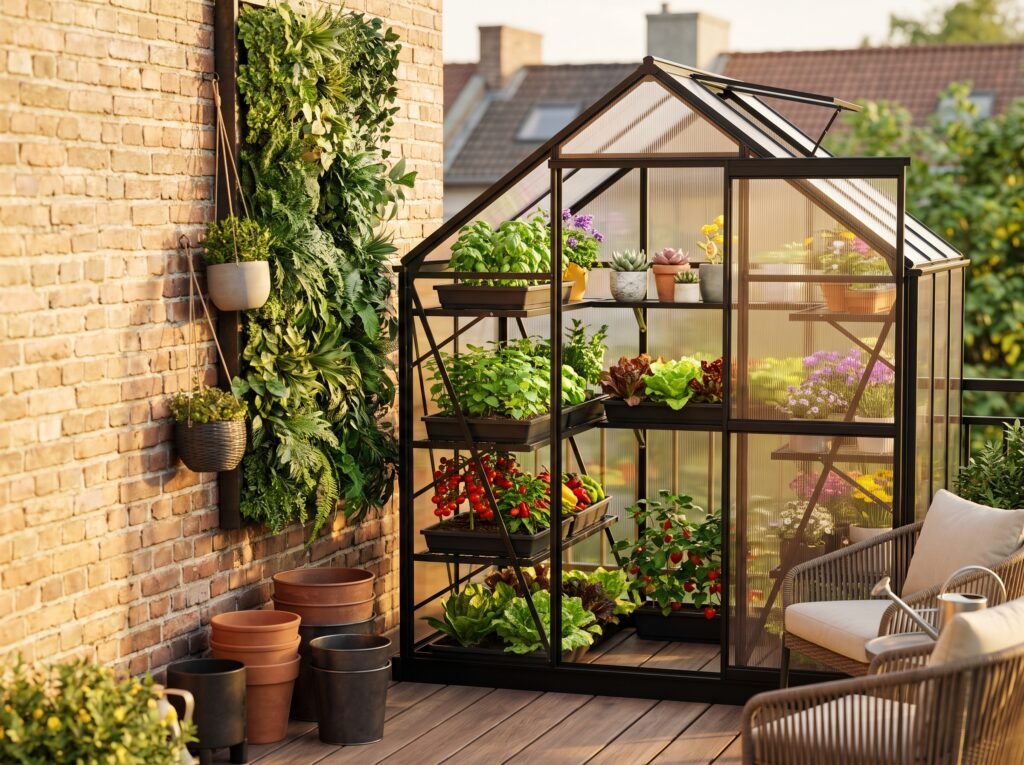
Finding enough space for gardening can be challenging, especially if you live in a city or suburban neighborhood where outdoor areas are small. Fortunately, a mini greenhouse outdoor is specifically designed to solve this problem by maximizing every square foot available.
Unlike traditional greenhouses that require significant land and investment, mini greenhouses fit comfortably on patios, balconies, decks, rooftops, and compact backyards. Their vertical shelving systems allow gardeners to grow multiple plants in a very small footprint. Instead of spreading plants across the ground, you can stack seedlings, herbs, vegetables, and flowers on several shelves, making efficient use of vertical space.
One of the biggest advantages of compact greenhouses is their ability to create a stable growing environment. During the day, sunlight enters through the transparent panels or polyethylene cover, warming the air inside naturally. This trapped warmth protects plants from cold nights and sudden temperature changes that often damage young seedlings.
Limited space often means limited exposure to sunlight due to surrounding buildings or fences. Many portable mini greenhouses can easily be repositioned throughout the day, allowing gardeners to maximize available sunlight. This flexibility gives plants the best chance to receive sufficient light for healthy growth.
Mini greenhouses also help organize gardening supplies neatly. Instead of pots being scattered across your patio or balcony, everything remains in one tidy structure. This organized appearance is especially appreciated by homeowners who want both beauty and functionality.
Because these greenhouses are relatively inexpensive compared to full-sized structures, they offer excellent value for anyone starting their gardening journey. Even people with very little gardening experience can quickly learn how to manage temperature, watering, and ventilation inside a compact greenhouse.
Perhaps most importantly, a mini greenhouse outdoor encourages year-round gardening. Instead of limiting your gardening activities to spring and summer, you can start seeds earlier, protect plants later into autumn, and even grow certain vegetables during winter in mild climates.
Benefits of Using a Mini Greenhouse Outdoor
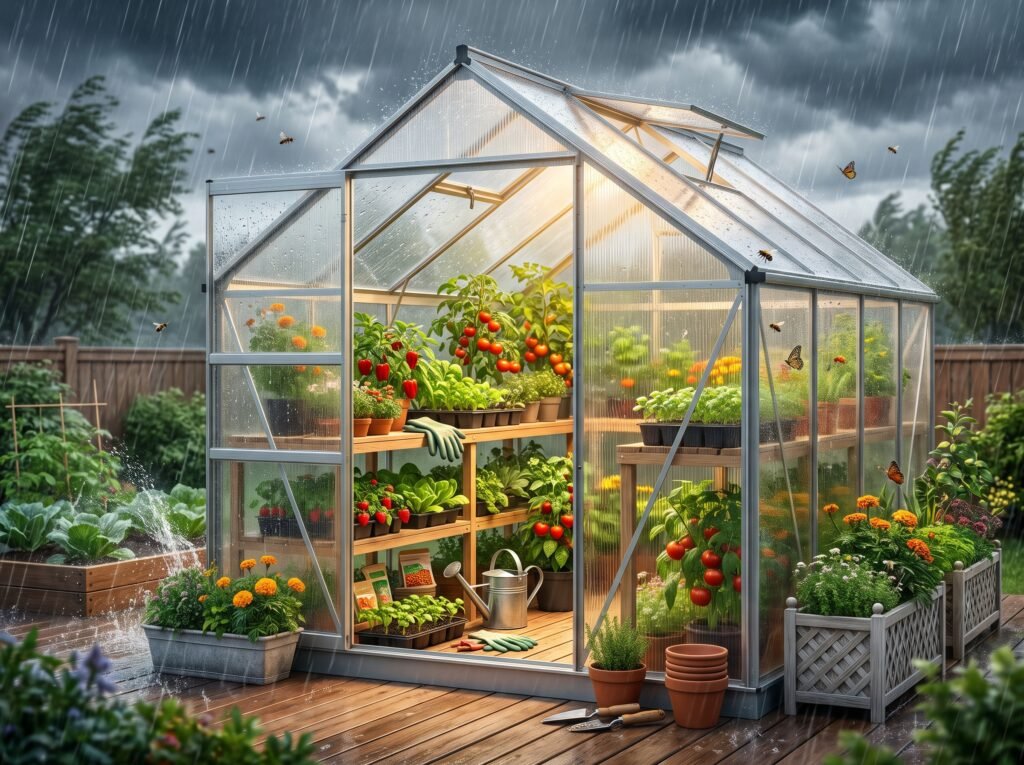
A mini greenhouse outdoor provides far more than just shelter for plants. It creates an environment where plants can flourish while reducing many of the common challenges gardeners face.
One of its greatest benefits is protection from harsh weather. Heavy rain can wash away seeds, hail can damage leaves, and strong winds can break delicate stems. Inside a greenhouse, plants remain protected while still receiving sunlight and fresh air through controlled ventilation.
Another major advantage is temperature regulation. Greenhouses naturally trap solar heat, creating warmer conditions than the surrounding environment. This warmth allows gardeners to extend both the beginning and end of the growing season, giving plants more time to mature and produce.
Pest control also becomes easier. While no greenhouse is completely pest-proof, it significantly reduces exposure to insects, birds, rabbits, squirrels, and other animals that commonly feed on young plants. Many gardeners find that seedlings survive at much higher rates inside a greenhouse.
Humidity control is another valuable feature. Many vegetables, herbs, and tropical plants prefer moderate humidity levels. A mini greenhouse helps maintain moisture around the plants, reducing stress during hot weather.
Gardeners who start plants from seed often experience much better germination rates inside a greenhouse. Seeds require consistent warmth and moisture, conditions that are much easier to maintain in an enclosed structure than in open garden beds.
Water conservation is another overlooked benefit. Since plants are protected from drying winds and excessive evaporation, soil retains moisture longer. This means less frequent watering and more efficient water usage throughout the growing season.
For families interested in growing fresh produce, a greenhouse provides a cleaner growing environment with fewer contaminants from dust and debris. This helps produce healthier vegetables and herbs that are ready for the kitchen.
Beyond the practical advantages, gardening inside a greenhouse is simply more enjoyable. Watching seedlings sprout, flowers bloom, and vegetables mature in a protected environment creates a rewarding experience that encourages people to spend more time outdoors.
Different Types of Mini Greenhouse Outdoor Models
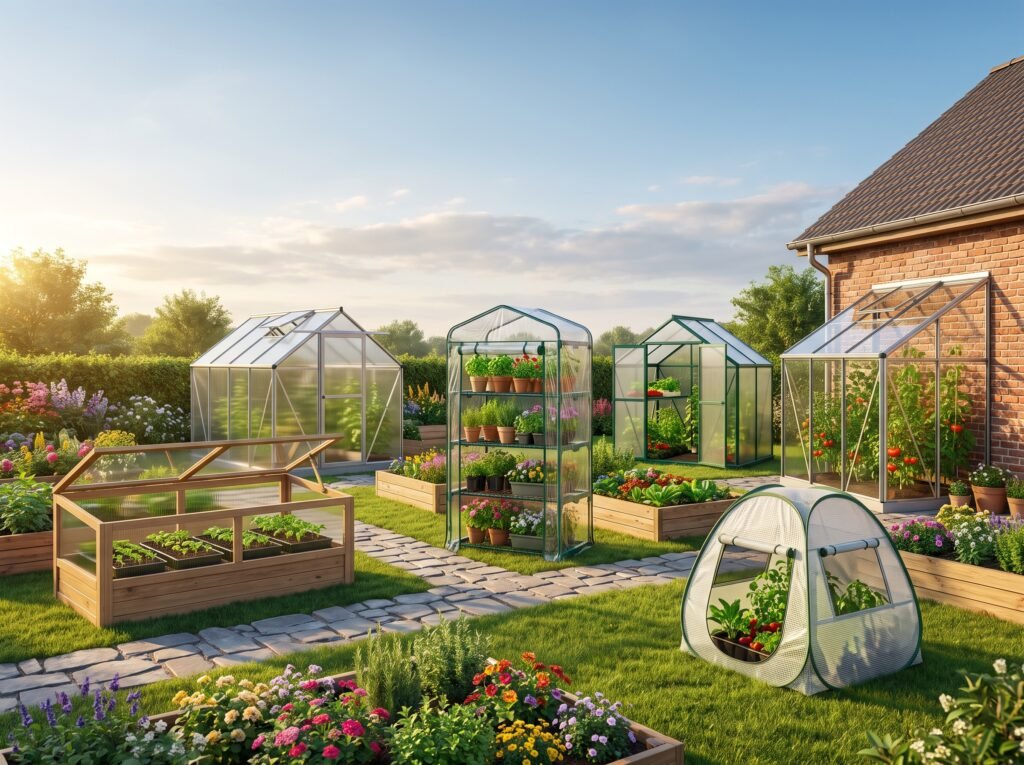
Choosing the right mini greenhouse outdoor begins with understanding the different styles available. Each type offers unique advantages depending on your available space, climate, and gardening goals.
The most common option is the portable shelving greenhouse. These lightweight models feature metal frames covered with transparent polyethylene material. Multiple shelves allow gardeners to organize plants vertically, making them ideal for patios and balconies. Their affordability makes them popular among beginners.
Cold frame mini greenhouses are another excellent choice. These low-profile structures sit directly over garden beds, protecting seedlings and vegetables from cold temperatures. Cold frames are especially useful for extending the growing season in spring and autumn.
Wooden mini greenhouses combine functionality with attractive design. Built using treated timber and transparent polycarbonate panels, they blend beautifully into gardens while offering excellent insulation. Although they cost more than plastic models, they are highly durable and can last for many years with proper care.
Polycarbonate greenhouses have become increasingly popular because of their strength and insulation. Unlike thin plastic covers, polycarbonate panels resist impact, block harmful UV rays, and maintain stable internal temperatures. They are ideal for gardeners seeking a long-term investment.
Walk-in compact greenhouses offer additional interior space while still maintaining a relatively small footprint. These allow gardeners to enter comfortably for watering, pruning, and harvesting. They are perfect for people who plan to grow a larger variety of plants throughout the year.
Lean-to mini greenhouses attach directly to an exterior wall of a home, garage, or shed. This design saves space while benefiting from the building’s stored warmth. They are particularly effective in colder climates because the wall helps reduce heat loss overnight.
Pop-up greenhouses provide the ultimate convenience. They can be assembled within minutes without specialized tools and folded away for storage when not needed. Gardeners who only need seasonal protection often prefer these lightweight structures.
Each type of mini greenhouse outdoor serves different gardening needs, so selecting the right one depends on your available space, budget, local climate, and long-term gardening plans.
How to Choose the Best Mini Greenhouse Outdoor for Your Garden
Buying the right mini greenhouse outdoor involves more than simply selecting the cheapest model. The best greenhouse should match your available space, gardening goals, and local weather conditions.
The first factor to consider is size. Measure your patio, balcony, deck, or backyard carefully before purchasing. Leave enough room around the greenhouse for easy access, ventilation, and maintenance. Even a compact greenhouse should allow you to comfortably water, prune, and harvest your plants.
The frame material plays a significant role in durability. Steel frames provide excellent strength and stability, making them suitable for windy locations. Aluminum frames resist rust and require very little maintenance, while wooden frames offer a classic appearance and excellent insulation. Lightweight plastic frames are affordable but may not withstand harsh weather as well as metal options.
The covering material is equally important. Polyethylene covers are inexpensive and lightweight, making them ideal for seasonal use. However, they may require replacement after prolonged exposure to sunlight. Polycarbonate panels are a premium option because they offer superior insulation, UV protection, and impact resistance, making them a worthwhile investment for year-round gardening.
Ventilation should never be overlooked. Proper airflow helps regulate temperature, prevents excess humidity, and reduces the risk of mold or fungal diseases. Look for a greenhouse with roll-up doors, adjustable vents, or zippered openings that allow fresh air to circulate when temperatures rise.
Another consideration is shelving. Multi-tier shelves maximize vertical growing space, enabling you to cultivate herbs, flowers, vegetables, and seedlings in a compact area. Ensure the shelves are sturdy enough to support the weight of fully watered pots and trays.
A stable foundation is also essential. Your greenhouse should be placed on a flat, level surface such as paving stones, concrete, gravel, or treated timber. This prevents the structure from shifting and improves overall stability during windy conditions.
Finally, think about your future gardening plans. If you expect your hobby to grow, choosing a slightly larger model now can save you the expense of upgrading later. A well-chosen mini greenhouse outdoor can provide years of productive gardening while fitting perfectly into even the smallest outdoor space.