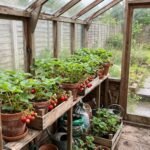
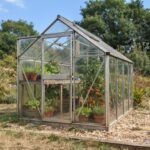
A garden can become much more useful when every part of the available space has a clear purpose. For many homeowners, the challenge is finding room for plants, gardening tools, pots, compost, equipment, and seasonal items without filling the garden with separate buildings. This is where an aluminium greenhouse shed combination can offer a practical and attractive solution. By bringing a greenhouse growing area and a shed-style storage space together in one structure, this type of garden building can help create a more organised outdoor space while giving gardeners somewhere to grow plants throughout the year.
Table of Contents
An aluminium greenhouse shed combination is especially appealing to people who want the benefits of a greenhouse but also need secure or sheltered storage. A traditional greenhouse is excellent for growing tomatoes, peppers, cucumbers, herbs, flowers, seedlings, and many other plants, but it usually does not provide much room for tools and garden equipment. A separate shed solves the storage problem, but it takes up additional garden space. Combining the two can reduce the need for separate structures while creating a multi-purpose area that works for both gardening and storage.
The idea is simple, but choosing the right design requires more thought than simply selecting the first combination building you see. The frame material, glazing, ventilation, layout, foundation, door arrangement, drainage, insulation, and available floor area can all influence how useful the building will be. You also need to think about how much growing space you actually need and how much storage is necessary for your tools and equipment.
This guide explores everything you should know before choosing an aluminium greenhouse shed combination. It looks at how these structures work, their advantages and limitations, design ideas, maintenance requirements, growing potential, storage options, UK weather considerations, and the practical features that can make a major difference to everyday use. Whether you are upgrading a small garden or creating a more organised gardening area, understanding these details can help you make a more confident decision.
Aluminium Greenhouse Shed Combination: Why This 2-in-1 Design Is Worth Considering
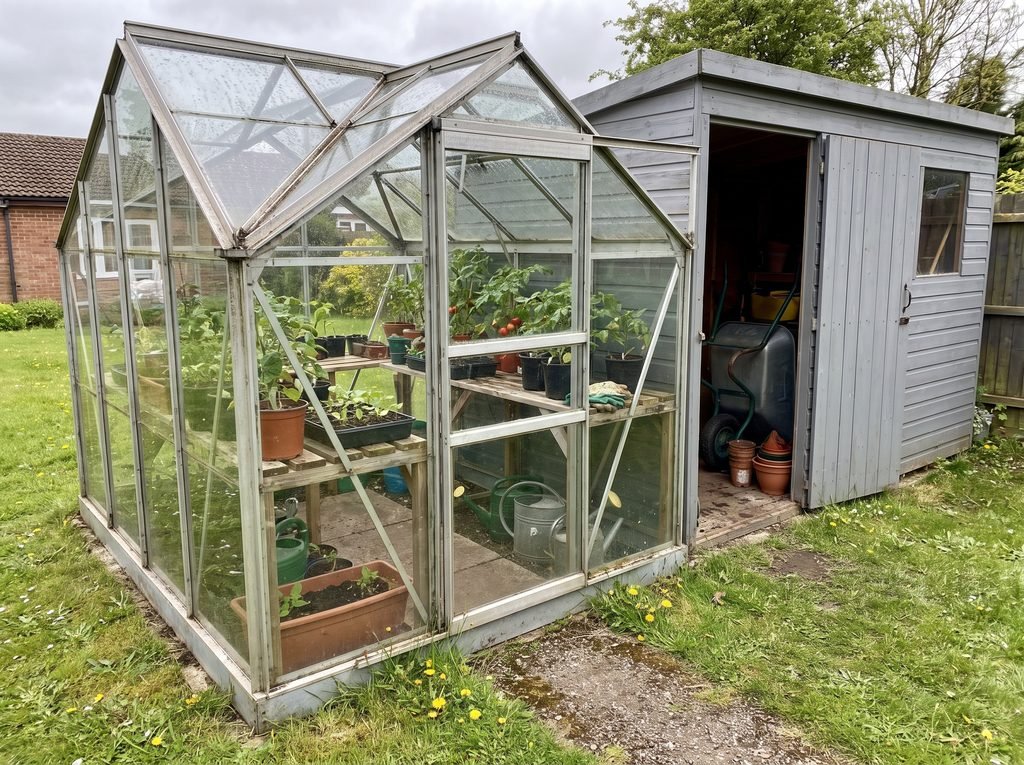
The biggest advantage of an aluminium greenhouse shed combination is the way it makes one building serve two important purposes. Instead of having a greenhouse positioned at one end of the garden and a shed at the other, you can bring both functions together. This can make better use of limited outdoor space and create a more efficient gardening environment.
For gardeners with smaller or medium-sized gardens, this can be particularly useful. Space that might otherwise be divided between two structures can be planned as a single footprint. The greenhouse section provides natural light and growing conditions, while the enclosed shed section can hold items that do not need to be exposed to direct sunlight or humidity.
Another benefit is convenience. Imagine finishing a gardening task and being able to move directly from your potting bench into the storage area without walking across the garden. Pots, hand tools, watering cans, compost bags, plant ties, gloves, trays, and other supplies can stay close to the plants that need them. This arrangement can make everyday gardening feel much easier.
An aluminium greenhouse shed combination can also look more coordinated than two completely different garden buildings. When both sections share the same frame and design language, the result can appear more intentional. Modern aluminium frames often have a neat, clean appearance, while glass or polycarbonate glazing can give the greenhouse side a bright and open feel.
What Exactly Is an Aluminium Greenhouse Shed Combination?
An aluminium greenhouse shed combination is a single garden structure divided into at least two functional spaces. One side is designed like a greenhouse, with transparent or translucent glazing for growing plants. The other side functions more like a shed, providing an enclosed area for storage, gardening preparation, or even a small workshop.
The division may be vertical, with a greenhouse room beside a storage room, or it may involve a more integrated layout. Some designs create a long structure with glazing across one section and solid panels across the other. Others may use partial partitions that create a separate work or storage zone without making the building feel completely divided.
The exact arrangement depends on the model. Some structures prioritise greenhouse space, while others provide a larger shed section. Before choosing a design, it is important to think about your actual gardening habits. A passionate vegetable grower may benefit from a larger growing area and smaller storage section, while someone with fewer plants but lots of equipment may prefer a more balanced layout.
The aluminium frame is one of the key characteristics of this type of building. Aluminium is widely used in greenhouse construction because it is lightweight, relatively easy to maintain, and naturally resistant to rust compared with many traditional ferrous metals. This makes it suitable for outdoor structures that face changing weather conditions.
Why Aluminium Is a Popular Greenhouse Frame Material
The frame is the skeleton of any greenhouse, and its quality influences stability, durability, appearance, and maintenance. Aluminium is a popular material because it combines strength with relatively low weight.
An aluminium frame can create a clean, modern look without making the structure feel visually heavy. This is helpful when a greenhouse is positioned close to a house, patio, lawn, or boundary. A bulky garden building may dominate the space, whereas a well-designed aluminium structure can feel more streamlined.
Another advantage is maintenance. Painted wooden structures may require periodic treatment, while some steel structures can require attention to prevent corrosion. Aluminium does not rust in the same way iron or ordinary steel does, making it a practical choice for a structure that is exposed to rain and moisture.
The frame also needs to support glazing, doors, roof vents, shelving, and other accessories. A well-designed aluminium system can provide enough strength for these features while remaining relatively manageable during installation.
However, not all aluminium structures are identical. The quality of the profiles, connectors, fixings, glazing support, and overall construction matters. A cheap frame may look good in photographs but feel less substantial when assembled. This is why shoppers should consider the complete system rather than focusing only on the word aluminium.
The Greenhouse Section: Making the Most of Natural Light
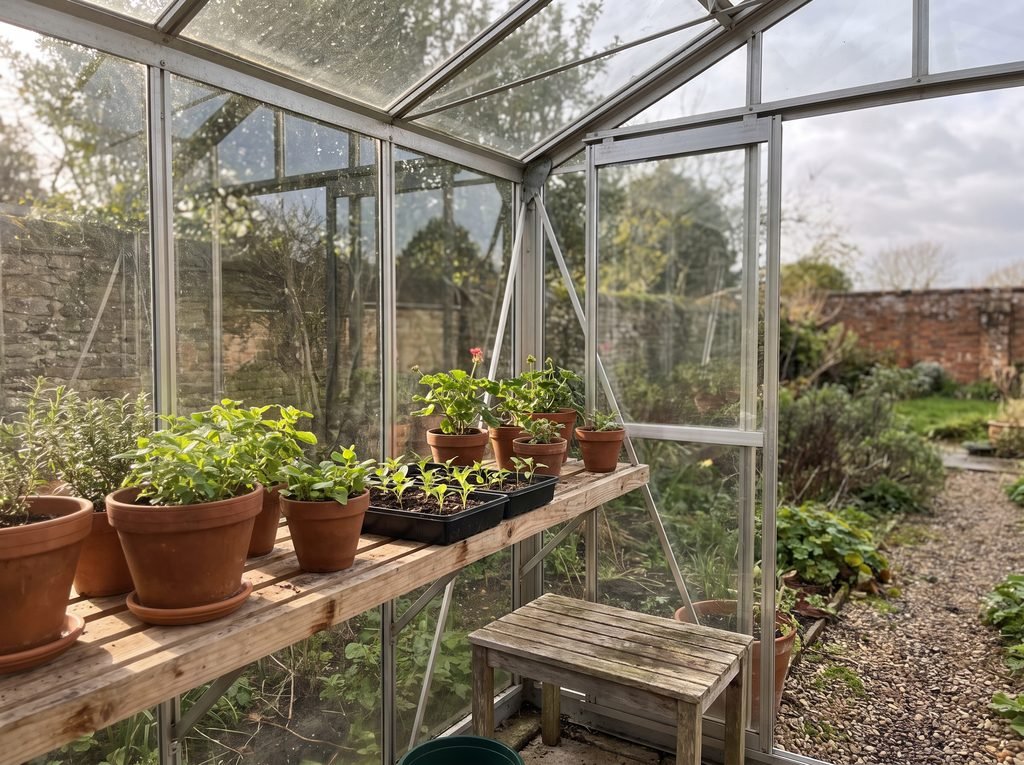
The greenhouse side of an aluminium greenhouse shed combination is where careful planning can make the greatest difference. Plants need suitable light, temperature, moisture, ventilation, and space, so the greenhouse should be positioned to create a healthy growing environment.
Natural light is one of the main reasons people invest in a greenhouse. A transparent roof and walls allow sunlight to enter and provide a protected environment for plants. In the UK, where weather conditions can change quickly, this sheltered environment can help gardeners extend the growing season.
The placement of shelving is important because excessive shelving can reduce usable floor space and block light. At the same time, vertical growing systems can be extremely useful when floor area is limited. A few carefully positioned shelves can provide room for seed trays, young plants, pots, and smaller containers without making the greenhouse feel overcrowded.
It is also useful to leave room for watering and maintenance. Plants are living things that require regular attention, so pathways should not be sacrificed simply to fit in another shelf or bench.
Using the Shed Area for Practical Gardening Storage
The storage side of an aluminium greenhouse shed combination can become one of the most valuable parts of the building. A greenhouse may help you grow more plants, but the shed section can help you keep the entire garden organised.
Long-handled tools can be stored vertically using wall-mounted hooks or holders. Smaller tools can be placed on shelves or inside cabinets. Pots and trays can be stacked carefully to save floor space, while bags of compost or gardening materials can be kept in a dry, accessible area.
Storage planning is especially important because clutter can quickly take over a small shed. Rather than throwing everything inside, it is better to decide which items need to be accessed frequently and which can remain on higher shelves or in less convenient locations.
The shed section can also be used as a small potting area. A sturdy workbench can provide a place for filling seed trays, transplanting seedlings, cleaning pots, preparing labels, or organising seeds. This creates a natural connection between storage and growing.
How an Aluminium Greenhouse Shed Combination Saves Garden Space
One of the strongest reasons to consider an aluminium greenhouse shed combination is space efficiency. A traditional approach might involve installing a greenhouse in one area and a shed elsewhere. Depending on the size of the garden, this can make the outdoor layout feel crowded.
A combination structure can reduce duplicated floor space. Instead of maintaining two separate footprints, you have one integrated structure serving both functions. This can free space for lawn, seating, flower beds, pathways, raised beds, or even outdoor entertaining.
The space-saving advantage is particularly noticeable in smaller gardens. A single long building placed along a suitable boundary may offer much more practical value than two smaller buildings squeezed into different areas.
The key is measuring carefully. Consider the external dimensions, not just the internal floor area. Doors may need additional clearance, roof overhangs can influence placement, and you should avoid positioning the structure where it interferes with access to other parts of the garden.
Choosing the Right Size for Your Garden
Size is one of the most important decisions when choosing an aluminium greenhouse shed combination. A structure that is too small can become frustrating, while one that is unnecessarily large may dominate the garden and cost more than necessary.
Think about how you intend to use each section. If you want to grow tomatoes, cucumbers, peppers, herbs, and seedlings, you may need a generous greenhouse area. If your main storage needs are limited to hand tools and a few pots, a smaller shed section may be enough.
On the other hand, gardeners with lawnmowers, strimmers, wheelbarrows, large pots, bags of compost, and seasonal equipment may need significantly more storage space.
A good way to plan is to list everything you expect to store. Then imagine where each item will be placed. This often reveals that vertical storage is just as important as floor area.
Remember that a greenhouse should also provide enough working space. A very narrow greenhouse may technically fit many plants but still be difficult to use comfortably.
Glass or Polycarbonate for the Greenhouse Side?
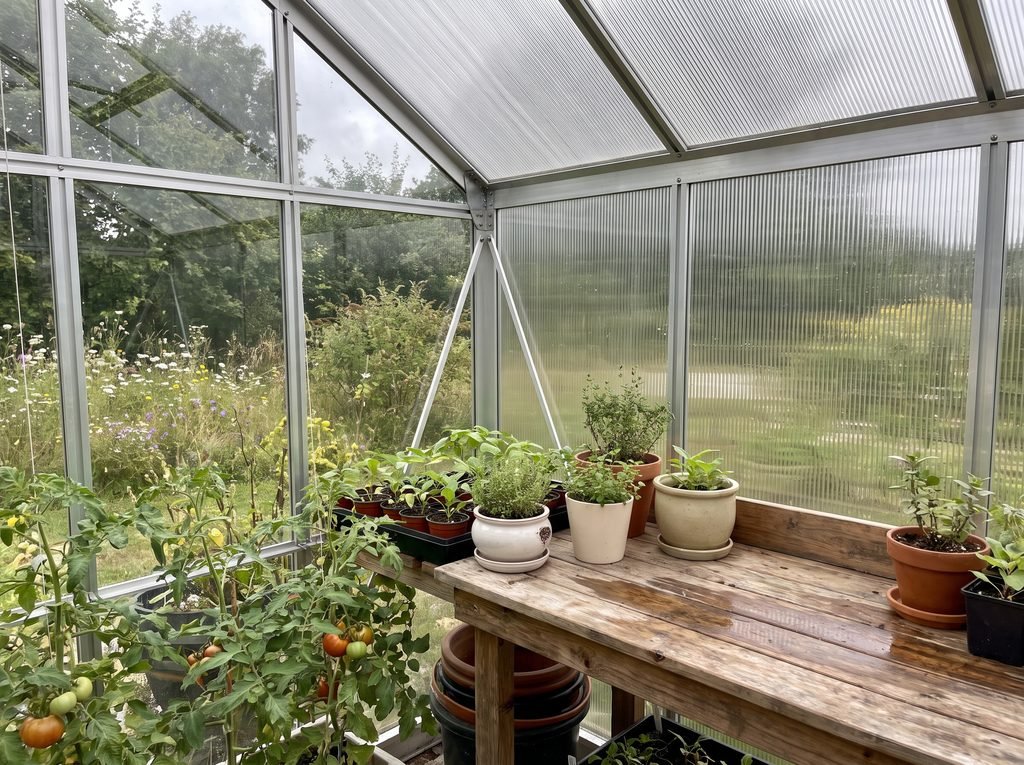
The choice of glazing can influence appearance, safety, light transmission, weight, and thermal performance. Glass has a classic greenhouse appearance and can create a bright, attractive growing space. It is particularly appealing to gardeners who want their greenhouse to become a visible feature of the garden.
Toughened or safety glass may be preferred where durability and safety are important. Glass panels can be relatively heavy, however, and installation needs to be handled carefully.
Polycarbonate is another popular option. It is lighter than glass and can provide a practical alternative for households where impact resistance is a priority. Multi-wall polycarbonate may also offer useful insulation characteristics compared with single glazing.
There is no universally perfect choice. The best option depends on the garden environment, personal preferences, budget, climate exposure, and the type of plants you plan to grow.
Ventilation Is Essential for Healthy Plants
An attractive greenhouse can still perform poorly if ventilation is ignored. A greenhouse naturally warms up when sunlight enters, and temperatures can rise quickly during brighter conditions.
Roof vents, side vents, louvre vents, and doors can help release excess heat and allow fresh air to move through the growing area. Good airflow can also reduce stagnant conditions and help maintain a healthier environment.
When choosing an aluminium greenhouse shed combination, inspect the ventilation design rather than assuming that all greenhouses provide the same airflow. Larger structures may benefit from several venting points.
Automatic vent openers can be useful because they respond to temperature rather than relying on the gardener to open the vents manually. This can provide additional peace of mind when the weather changes while you are away.
Managing Temperature Inside the Greenhouse
Temperature control is another important part of successful greenhouse gardening. A greenhouse can protect plants from cold winds and heavy rainfall, but it does not automatically maintain a perfect temperature.
During sunny periods, temperatures may rise quickly. During cold nights, the interior can become surprisingly chilly. Gardeners can improve conditions using ventilation, shading, thermal screens, insulation materials, or greenhouse heating where appropriate.
The storage section of an aluminium greenhouse shed combination can also play a role in organisation. Sensitive gardening equipment and materials can remain in the enclosed area, while the plants stay in the more suitable greenhouse environment.
For year-round use, it is important to understand the needs of the specific plants you are growing rather than expecting the structure itself to solve every temperature challenge.
Can You Grow Vegetables in an Aluminium Greenhouse Shed Combination?
Absolutely. The greenhouse side can support a wide variety of edible crops, depending on the available conditions and growing season.
Tomatoes are a classic greenhouse crop because they benefit from a protected environment and plenty of light. Peppers, chillies, cucumbers, lettuce, spinach, herbs, and many seedlings can also be grown successfully.
The storage side does not directly contribute to plant growth, but it helps keep the gardening system organised. Seeds, pots, support canes, tools, fertilisers, and other supplies can remain close at hand.
This arrangement can make crop production more efficient because many gardening tasks can happen within one small area. Instead of carrying equipment from a distant shed, you can prepare, plant, prune, water, and store supplies in the same general location.
Creating a Potting Area Between Storage and Growing
A potting bench can transform an aluminium greenhouse shed combination into a highly practical gardening centre.
You can place the bench within the storage section, against the dividing wall, or in a transitional area depending on the design. The goal is to create a dedicated surface for routine gardening work.
A good potting station may include containers for compost, hand tools, seed trays, plant labels, and watering equipment. Shelving above or below the bench can increase storage without taking up additional garden space.
This type of setup is especially useful during seed-starting season. Instead of working indoors and carrying dirty trays through the house, gardeners can complete many messy tasks directly in the garden building.
Planning Shelving Without Losing Valuable Space
Shelving is one of the easiest ways to expand the usefulness of your greenhouse and shed combination, but it should be installed thoughtfully.
On the greenhouse side, shelves can hold smaller pots and seedlings. However, placing too many shelves around the walls can reduce ventilation and create dark areas. Keep the needs of your plants in mind.
In the shed section, shelving can be more extensive. Strong shelves can hold storage boxes, pots, bottles, tools, and gardening accessories.
Adjustable systems are often more flexible because they can be changed as your needs evolve. A gardener starting with simple hand tools may eventually add seed trays, specialist equipment, irrigation products, and larger pots.
Doors, Access and Everyday Convenience
A building can have excellent materials and still be frustrating if its doors are poorly designed. When looking at an aluminium greenhouse shed combination, consider how you will actually move around the structure.
A wide entrance can make it easier to bring in large pots, compost bags, wheelbarrows, and equipment. Sliding doors may be useful where space is limited, while hinged doors can offer a familiar and straightforward design.
The location of the door between the greenhouse and shed areas matters too. A convenient internal connection can make the building feel like one integrated workspace instead of two unrelated rooms.
Good access also makes maintenance easier. Cleaning glazing, replacing shelves, bringing in seasonal equipment, and rearranging plants all become simpler when the entrances are practical.
Foundations and Ground Preparation Matter More Than You Think
Even the best greenhouse structure needs a suitable base. An uneven or unstable foundation can cause doors to stop aligning properly, frames to become stressed, and panels to fit poorly.
Before installing an aluminium greenhouse shed combination, prepare a firm, level surface appropriate for the building. This may involve paving slabs, a concrete base, or another suitable foundation system depending on the structure and local conditions.
Drainage should also be considered. Water should not collect around the building, especially near doors and stored equipment. A well-planned site can help protect both the structure and the contents over time.
It is often worth spending more effort on preparation than rushing through installation. A good foundation creates a much better starting point for the entire building.
Choosing the Best Position in the Garden
Position can have a huge effect on how well the greenhouse side performs. Ideally, the growing area should receive plenty of usable daylight while avoiding unnecessary obstruction from tall walls, dense trees, or nearby buildings.
The storage section may have fewer light requirements, so a combination building can sometimes be positioned creatively to balance the needs of both areas.
Think about the direction of the sun throughout the year rather than judging the location on one particular day. Shadows can move significantly as the seasons change.
Accessibility is equally important. A greenhouse placed at the far end of the garden may receive excellent light but become inconvenient if you constantly need to carry tools and water long distances.
The best location usually combines light, drainage, accessibility, ventilation, and practical garden layout.
Making an Aluminium Greenhouse Shed Combination Look Good
Garden structures do not need to be purely functional. An aluminium greenhouse shed combination can also become an attractive architectural feature.
A simple, symmetrical design can look clean and modern. Surrounding the structure with carefully planned paving, raised beds, gravel paths, or planting areas can integrate it into the wider garden.
Consider the colours of the frame, doors, fencing, patio, and garden furniture. A coordinated palette can make the building feel like part of the garden rather than an object added later.
You can also soften the structure with planting around its edges. However, avoid placing dense vegetation directly against areas where it blocks ventilation or creates maintenance problems.
Is an Aluminium Greenhouse Shed Combination Good for UK Gardens?
For many UK gardens, this type of structure can be particularly practical because it combines protection, growing space, and storage in one building.
The UK climate can bring rain, wind, temperature fluctuations, and occasional periods of bright sunshine. A greenhouse provides a sheltered environment for plants, while the storage section protects gardening equipment from regular outdoor exposure.
However, location and construction quality remain important. Areas that experience stronger winds require careful anchoring and a solid foundation. Glazing should also be selected with safety and local conditions in mind.
A combination structure should not be treated as completely maintenance-free. Gutters, glazing, vents, fixings, seals, doors, and drainage should all be checked periodically.
Maintenance Tips for Long-Term Use
One of the attractive features of aluminium is relatively straightforward maintenance. Even so, regular care can help keep the building functional and attractive.
Glazing should be cleaned periodically to maintain good light levels. Dirt, algae, and dust can gradually reduce the amount of useful light reaching plants.
Check vents and door mechanisms to make sure they open and close smoothly. Clear leaves and debris from drainage areas so water can escape properly.
Inspect fixings and connectors occasionally, especially after periods of strong wind. Look for any movement, loose panels, damaged seals, or signs of wear.
The storage section should also remain organised. Damp items should not be left against walls for long periods, and ventilation should be maintained where appropriate.
Making the Structure Work Through All Four Seasons
An aluminium greenhouse shed combination does not have to be used only during spring and summer. With sensible planning, it can become a year-round gardening space.
Spring is ideal for seed starting, young plants, herbs, and early crops. Summer can bring abundant tomatoes, cucumbers, peppers, and flowering plants. Autumn is useful for extending the growing period and protecting selected crops from worsening weather.
Winter is generally quieter, but the greenhouse can still have value. Hardy plants can be protected, overwintering plants can be sheltered, and gardening equipment can remain organised in the storage section.
The exact winter use depends on insulation, plant choice, ventilation, and whether heating is installed.
How to Organise the Storage Section Properly
Good organisation can make a surprisingly large difference. Instead of stacking everything randomly, divide the storage section according to how often you use each item.
Frequently used hand tools should be easy to reach. Larger equipment can occupy floor-level areas. Seasonal items can go on upper shelves or into labelled boxes.
Use wall space where possible. Hooks, rails, pegboards, and narrow shelving systems can create useful storage without reducing walking space.
It is also helpful to keep gardening products grouped by purpose. Seed-starting materials, watering equipment, plant supports, and pruning tools can each have their own section.
This creates a small gardening station where everything has a logical place.
Common Mistakes to Avoid When Buying One
One of the most common mistakes is focusing too heavily on appearance. A beautiful greenhouse may look impressive online but prove inconvenient if it lacks enough storage or working space.
Another mistake is underestimating the size required. Gardeners often buy based on the number of plants they have today rather than considering how their gardening interests may develop.
Ignoring ventilation is another problem. A greenhouse without adequate airflow can become difficult to manage during warm weather.
Buyers should also pay close attention to installation requirements. A structure may require a properly prepared base and suitable anchoring, particularly in exposed locations.
Finally, do not judge value based only on the purchase price. A cheaper structure that needs frequent repairs or replacement may cost more in the long run than a better-built option.
Who Should Consider an Aluminium Greenhouse Shed Combination?
This type of building can suit a wide range of gardeners. It is especially useful for people who want a greenhouse but do not have enough garden space for a separate shed.
It can also be appealing to vegetable growers who want tools and equipment close to their crops. Gardeners who enjoy propagation, seed starting, container gardening, or growing tender plants may find the integrated arrangement particularly convenient.
New gardeners can benefit too. Having one organised gardening building can make it easier to develop a routine without filling the rest of the garden with tools, trays, pots, and supplies.
Even experienced gardeners may appreciate the efficiency of having storage and growing areas together.
Aluminium Greenhouse Shed Combination vs Separate Greenhouse and Shed
The choice between a combination unit and two separate buildings depends largely on available space and personal preferences.
Separate buildings give you maximum freedom because each can be designed for a specific purpose. You could choose a large greenhouse and a different style of shed. However, this can require more garden space and often creates more distance between gardening and storage tasks.
An aluminium greenhouse shed combination creates a unified footprint. It may not provide exactly the same level of flexibility, but it can be more efficient in a compact garden.
For a gardener who values convenience and organisation, the combination format can be a very sensible compromise.
Budgeting for Your Garden Building
The total cost of a combination structure depends on dimensions, frame construction, glazing, doors, ventilation, foundation requirements, shelving, installation, and optional accessories.
When planning your budget, think beyond the main frame. The foundation may represent a meaningful part of the installation. Interior shelving, workbenches, automatic vent openers, gutters, rainwater collection systems, lighting, and storage fittings can also increase the overall cost.
It is better to create a realistic full-project budget rather than comparing only the headline price of different models.
A quality aluminium greenhouse shed combination should be viewed as a long-term garden investment rather than an impulse purchase.
How to Make Your Greenhouse More Productive
Once the structure is installed, productivity depends on how well you use the available space. Vertical growing can be extremely effective. Trellis systems, hanging baskets, shelves, and strategically placed benches can increase the number of plants you can accommodate.
Crop rotation can also help. Instead of growing the same plants in the same containers or soil year after year, changing your growing strategy can help maintain healthier conditions.
Good watering habits are important as well. Automatic irrigation or simple drip systems can save time and help maintain consistent moisture.
The shed section can support all of this by keeping irrigation equipment, spare trays, tools, growing media, and plant supports close to the greenhouse.
Adding Rainwater Collection
Watering a greenhouse can consume a surprising amount of time during the growing season. A guttering system connected to a water butt can make practical use of rainfall.
This can reduce reliance on mains water for suitable garden tasks and create a convenient supply close to the plants.
When planning an aluminium greenhouse shed combination, consider whether gutters can be integrated into the structure. The best solution depends on the design and drainage arrangement.
Keeping water storage close to the greenhouse can make routine watering easier, particularly when the building is located at the far end of the garden.
Lighting and Electrical Planning
While sunlight is the main source of greenhouse light, electrical access can make the building more versatile. Lighting can help with evening gardening tasks, while power may be useful for certain greenhouse equipment.
Any electrical installation in an outdoor garden building should be approached carefully and professionally where required. Outdoor conditions create additional safety considerations.
Even without permanent electrical systems, battery-powered lighting and rechargeable gardening tools can be useful.
The storage section is often a practical place for organising batteries, chargers, and smaller equipment, provided they are stored appropriately.
Security Considerations for the Shed Side
The storage area can contain valuable tools and equipment, so security should not be overlooked.
Door locks, durable hardware, good visibility, and sensible positioning can all contribute to a more secure garden building. Avoid creating unnecessary hiding spots around the structure.
You should also keep valuable equipment organised and secure rather than leaving expensive tools in visible locations.
A combination building is convenient because the same structure protects both your plants and your gardening equipment, but security measures should match the value of what you keep inside.
Making the Greenhouse Comfortable to Work In
An aluminium greenhouse shed combination should be more than a place to store things and grow plants. It can become a comfortable gardening workspace.
A suitable bench, an anti-fatigue mat, easy-to-reach tools, good airflow, and organised storage can make long gardening sessions much more enjoyable.
Think about movement through the structure. You should be able to reach plants without knocking over pots or stepping around equipment.
A little planning can transform an ordinary greenhouse into a productive and pleasant garden room.
How to Future-Proof Your Purchase
Your gardening interests may change over time. You may start with a few herbs and eventually decide to grow vegetables, raise seedlings, collect unusual plants, or build a more advanced gardening system.
For this reason, it can be worthwhile to choose a structure with some flexibility.
An expandable shelving system, strong frame, multiple ventilation points, and adaptable storage layout can make the building useful for longer.
Consider accessories that can be added later rather than trying to install everything immediately. This helps spread the cost while allowing the building to evolve with your gardening habits.
What to Check Before Placing an Order
Before purchasing an aluminium greenhouse shed combination, review the dimensions carefully. Check the internal floor area as well as the external footprint. Look at door dimensions, glazing specifications, ventilation options, frame construction, warranty information, foundation requirements, and installation guidance.
Think about your actual garden rather than the product photograph. Measure the intended location and mark out the footprint on the ground. This can give you a better understanding of how much space the structure will really occupy.
Also consider where you will walk, where water will come from, how tools will reach the storage area, and whether there is enough clearance to open doors fully.
These small details can make a major difference to satisfaction after installation.
A Practical Layout for a Family Garden
For a typical family garden, one useful arrangement is a larger greenhouse section combined with a compact storage room.
The greenhouse side can include a central path with growing beds or containers along each side. Shelves can be placed at one end for seed trays, while taller crops can grow toward the rear.
The shed side can contain a workbench, vertical tool storage, shelves, pots, and gardening supplies. Frequently used tools should remain at eye level, while seasonal items can be stored higher.
This layout creates a clear division of tasks without requiring two separate buildings.
A Practical Layout for Serious Vegetable Growers
More experienced growers may prefer a larger greenhouse section and a smaller but highly organised storage area.
The greenhouse can be divided into zones for propagation, mature crops, and general potting. Trellis systems can support climbing plants while shelves accommodate seedlings.
The storage area can house compost, pots, supports, irrigation parts, labels, trays, hand tools, and seasonal equipment.
In this arrangement, the combination structure becomes almost like a compact horticultural workspace.
How to Get Better Value From Your Investment
The best value does not necessarily come from choosing the cheapest aluminium greenhouse shed combination. It comes from selecting a structure that meets your needs and remains useful over time.
A strong frame, quality glazing, practical ventilation, durable doors, and a sensible layout may justify a higher upfront investment.
At the same time, avoid paying for features you will never use. If you only grow a few plants, an oversized structure with complex accessories may not provide meaningful value.
Focus on the features that directly improve the way you garden.
Final Thoughts on Choosing an Aluminium Greenhouse Shed Combination
An aluminium greenhouse shed combination can be an excellent way to make a garden more productive, organised, and versatile. Instead of choosing between growing space and storage, this 2-in-1 approach allows you to combine both.
The aluminium frame can provide a clean, modern appearance with relatively straightforward maintenance, while the greenhouse section creates a protected environment for plants. The storage side adds valuable room for tools, pots, compost, equipment, and gardening supplies.
The key to choosing the right structure is careful planning. Think about your garden size, plant requirements, storage needs, available light, access, foundation, ventilation, glazing, security, and long-term gardening goals.
A well-designed combination building can become much more than a greenhouse with a small storage room attached. It can act as the central workspace for your entire garden. From starting seeds and growing vegetables to storing tools and preparing plants, almost every stage of the gardening process can happen in one convenient location.
For homeowners who want to maximise their garden without filling it with several separate structures, this can be a smart and practical solution.
Frequently Asked Questions About Aluminium Greenhouse Shed Combination
Is an aluminium greenhouse shed combination durable?
A well-built aluminium structure can provide long-term outdoor use when it is properly installed, anchored, maintained, and matched to the conditions of the garden. The quality of the frame, glazing, fixings, doors, and foundation all influence durability.
Can I use the shed section as a potting room?
Yes. The enclosed section can be an excellent location for a potting bench, shelves, hand tools, containers, seed-starting equipment, and other gardening supplies. Good organisation can turn it into a very practical workspace.
Is aluminium better than wood for a greenhouse shed combination?
Aluminium and wood each have advantages. Aluminium generally offers a clean appearance and relatively low maintenance, while wood can provide a more traditional garden-building look. The right choice depends on your budget, style preference, maintenance expectations, and intended use.
Can I grow vegetables all year in a combination greenhouse?
A greenhouse can extend the growing season, but year-round growing depends on plant selection, available light, temperature management, ventilation, and potentially heating. Not every crop will thrive during every part of the year.
Does an aluminium greenhouse shed combination need a foundation?
Most permanent structures benefit from a firm, level, properly prepared base. The exact foundation requirement depends on the building design and installation method, so always follow the manufacturer’s instructions.
Can I install shelves inside the greenhouse section?
Yes. Shelving can make the growing area much more productive, especially for seedlings, herbs, small pots, and propagation trays. However, avoid overcrowding the space or blocking important light and airflow.
Is polycarbonate suitable for the greenhouse section?
Polycarbonate can be a practical glazing option because it is lightweight and impact resistant. Different polycarbonate constructions have different properties, so compare the glazing specification rather than choosing based on the material name alone.
Can I add heating to the greenhouse?
Heating can be added to many greenhouse setups, but the equipment should be selected according to the greenhouse size, plant requirements, ventilation, and safety considerations. Insulation and thermal management should also be considered.
How much storage space do I need?
That depends entirely on what you own and what you plan to buy in the future. Make a list of your gardening equipment and estimate where each item will be stored. This gives you a much better idea of the size required than guessing from the outside appearance.
Is a combination building suitable for a small garden?
Yes. In many cases, the main appeal of an aluminium greenhouse shed combination is its ability to combine two uses within a single footprint. Careful sizing and layout can make it particularly useful in gardens where space is limited.
Ready to Create a Better Garden Workspace?
Choosing the right garden structure can make gardening easier, more organised, and far more enjoyable. An aluminium greenhouse shed combination gives you the opportunity to grow plants in a protected environment while keeping tools and gardening equipment close at hand.
Before making your purchase, measure your space, consider your growing plans, estimate your storage requirements, and pay close attention to ventilation, glazing, access, foundation requirements, and frame quality. A little planning at the beginning can save you from costly mistakes later.
The right combination building can become the heart of your garden for years to come. Instead of working around limited storage or trying to fit separate structures into the same space, you can create one organised area where growing, potting, storing, and gardening all work together.
Take the time to compare designs carefully and choose the aluminium greenhouse shed combination that fits your garden, lifestyle, and future plans. A well-chosen structure is not simply an outdoor building; it is an investment in a more productive, organised, and enjoyable garden.