Victorian greenhouses have a distinctive charm that continues to captivate gardeners, homeowners, designers, and anyone who appreciates traditional garden architecture. With their elegant glass panels, slim structural lines, decorative details, and connection to the gardening traditions of the past, these structures offer much more than a place to grow plants. They create a sense of atmosphere, history, and character that can transform an ordinary garden into something genuinely memorable.
The appeal of a traditional glasshouse is also remarkably practical. A well-designed Victorian-style greenhouse can extend the growing season, protect delicate plants, provide controlled growing conditions, and create a dedicated space for propagation and gardening. At the same time, its appearance can complement period homes, country gardens, cottages, and even contemporary properties that need a distinctive architectural feature.
Table of Contents
For gardeners searching for a structure that combines beauty with purpose, a conservatory Victorian greenhouse concept can be especially appealing. It brings together the ornamental character of a conservatory with the growing potential of a traditional greenhouse. The result is a versatile garden building that can be used for plants, relaxation, entertaining, or simply enjoying the garden throughout more of the year.
This guide explores the history, design, benefits, construction, materials, planting possibilities, maintenance requirements, and modern uses of Victorian greenhouses and traditional glasshouses. Whether you are considering installing one or simply want to understand why these structures remain popular, there is plenty to discover.
What Makes a Victorian Greenhouse So Special?
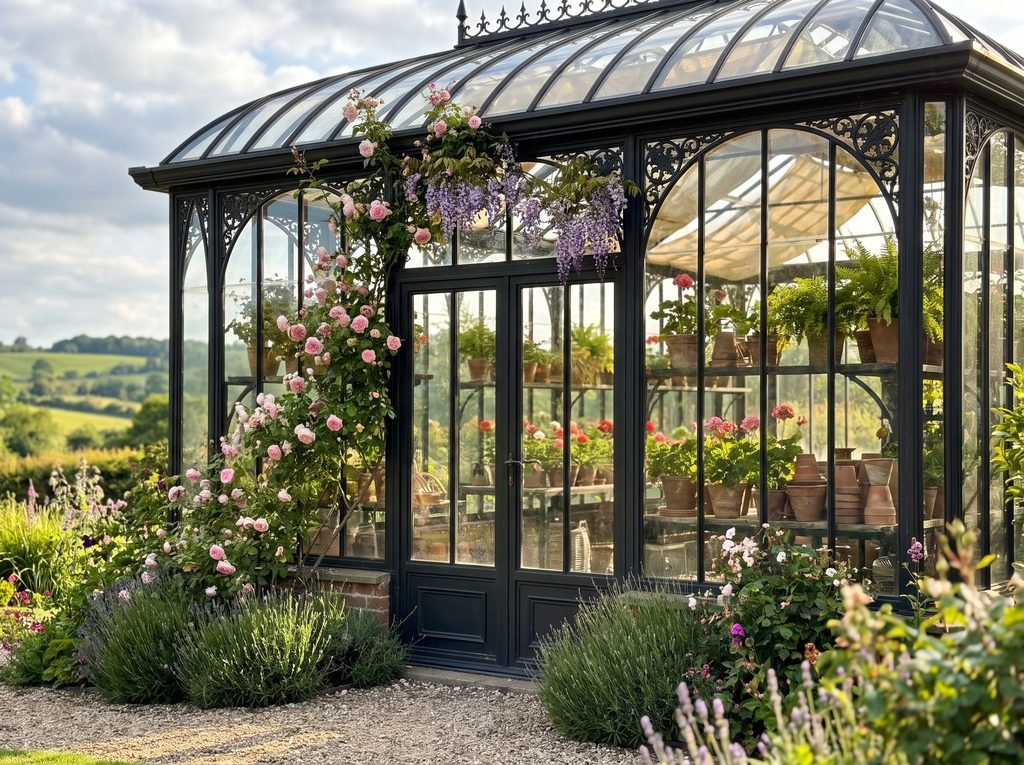
A Victorian greenhouse is defined by its combination of traditional architecture and horticultural function. Unlike many modern greenhouses, which are designed primarily around efficiency and simplicity, Victorian models often place equal importance on appearance.
Traditional proportions are usually an important part of the design. Tall glass panels, slender framing, pitched roofs, decorative ridge details, and carefully considered doorways can give the structure an almost conservatory-like appearance. Even relatively small buildings can have an impressive visual presence because the transparent walls allow the greenhouse to become part of the wider garden rather than looking like a separate utility building.
Another important feature is the way Victorian greenhouses interact with natural light. Large areas of glass allow sunlight to enter from several directions, helping plants receive the illumination they need while also creating a bright and pleasant interior environment.
A conservatory Victorian greenhouse can therefore serve two purposes at once. It can support serious gardening while also acting as an attractive garden room. This dual-purpose character is one of the main reasons traditional glasshouses remain desirable today.
The History Behind Traditional Victorian Glasshouses
The development of Victorian greenhouses is closely linked to the enormous growth of horticultural interest during the nineteenth century. Advances in glass production and structural engineering made it increasingly practical to construct larger glazed buildings.
During the Victorian era, wealthy estates, botanical gardens, public parks, and private homes embraced glasshouses as places where gardeners could cultivate plants that would otherwise struggle in the local climate. Exotic specimens, fruit, flowers, and delicate ornamentals could be protected from harsh weather while benefiting from the warmth and light inside.
Large estate glasshouses could be surprisingly sophisticated. Some incorporated heating systems, ventilation mechanisms, specialized planting areas, and multiple sections for different crops. Smaller versions brought some of these ideas into private gardens.
These structures were not simply practical sheds. They reflected the period’s fascination with science, exploration, botany, architecture, and technological progress. A greenhouse was often a statement of taste as well as a working garden building.
Today, a conservatory Victorian greenhouse draws on that historical aesthetic while using modern materials, improved glazing, better ventilation, safer construction, and more efficient climate-control options. Gardeners can therefore enjoy the appearance of the past without necessarily giving up the practical advantages of modern design.
Victorian Greenhouse vs. Traditional Glasshouse
The terms Victorian greenhouse and traditional glasshouse are sometimes used interchangeably, but there can be subtle differences.
A Victorian greenhouse generally refers to a structure inspired by the architecture and design language associated with the Victorian period. Decorative framing, high roofs, symmetrical layouts, and traditional detailing are often central to its appearance.
A traditional glasshouse is a broader term. It can refer to any greenhouse with a classic design approach, particularly one featuring extensive glass and a permanent framed structure. It does not necessarily have to recreate a specific Victorian style.
In many gardens, the two ideas overlap. A classic glasshouse may use Victorian-inspired details while incorporating contemporary doors, glazing, ventilation systems, and heating equipment.
For homeowners who want both architectural character and gardening functionality, the conservatory Victorian greenhouse style can offer an especially attractive compromise. It feels traditional without requiring the building to function exactly as it would have more than a century ago.
The Timeless Beauty of Victorian Greenhouse Design
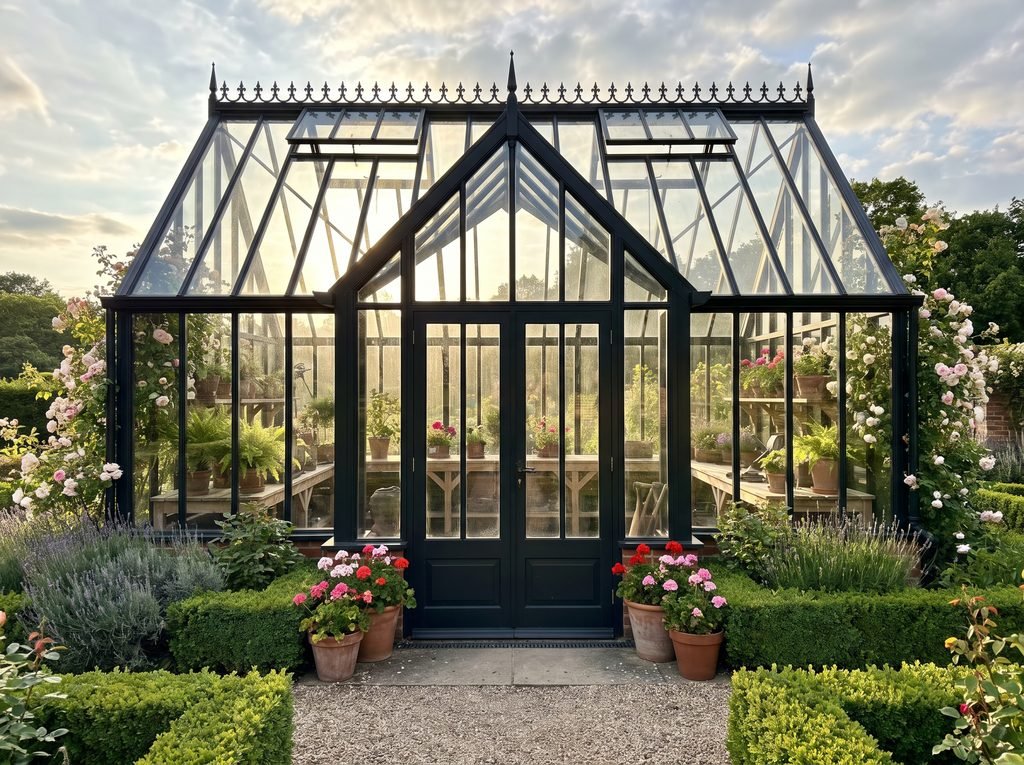
One of the strongest advantages of Victorian-inspired greenhouses is visual appeal. These structures often look elegant from every angle.
The roof is particularly important. Traditional pitched roofs provide visual height while creating a bright interior. Some designs include decorative ridge elements that emphasize the building’s historic character.
Framing is equally significant. Narrow metal or timber sections can create a grid-like pattern across the glass, adding visual rhythm without blocking too much sunlight. Compared with bulky modern structures, the lighter appearance can make the greenhouse feel more refined.
Doors also contribute to the overall character. Full-height glazed doors, traditional handles, and carefully proportioned frames can make the entrance feel more like the entrance to a garden room than a basic utility structure.
This architectural quality makes a conservatory Victorian greenhouse suitable for gardens where appearance matters just as much as growing capacity. The greenhouse itself can become a focal point, drawing attention from paths, lawns, patios, and planting borders.
Why Gardeners Still Choose Traditional Glasshouses
Modern gardening technology has transformed the way plants are grown, yet traditional glasshouses remain popular for several compelling reasons.
The first is flexibility. A greenhouse can support seed starting, propagation, overwintering, vegetable production, flowering plants, and specialist collections.
The second is season extension. Plants can often be started earlier and protected later than they would be outdoors.
The third is environmental control. A greenhouse gives gardeners greater influence over temperature, moisture, wind exposure, and growing conditions.
The fourth is the overall gardening experience. Working inside a beautiful glasshouse can make everyday tasks more enjoyable. Instead of feeling like another garden structure, it can become a place where people spend time simply because they enjoy being there.
A well-designed conservatory Victorian greenhouse can strengthen this experience by making the interior attractive enough to function as both a gardening space and a relaxing retreat.
Choosing the Right Size for Your Garden
Size is one of the most important decisions when choosing a Victorian greenhouse.
A small structure can be ideal for seed trays, herbs, seasonal flowers, and compact vegetable crops. However, limited floor space can quickly become frustrating when plants begin to grow.
A larger greenhouse gives you greater flexibility. It may allow room for raised beds, staging, shelving, potting benches, and comfortable walking areas.
The important point is to think beyond the number of plants you currently grow. Consider how your gardening interests might change over time. A gardener who begins with tomatoes and herbs may later become interested in propagation, citrus plants, orchids, or overwintering tender specimens.
When planning a conservatory Victorian greenhouse, think about how the building will be used throughout the year rather than simply measuring the available garden space. A slightly larger structure can often provide substantially more practical value.
Where Should a Victorian Greenhouse Be Positioned?
Placement has a major influence on greenhouse performance.
The ideal location usually receives a generous amount of sunlight while remaining reasonably sheltered from strong winds. Easy access from the house can also be valuable, especially if you expect to use the greenhouse during cold or wet weather.
Ground conditions matter too. A greenhouse requires a stable, level foundation. Drainage should be considered because standing water can create problems around the structure and its foundation.
Think about nearby trees carefully. Large trees can provide shade, drop leaves, interfere with gutters, and potentially create a risk of falling branches.
The relationship between the greenhouse and the rest of the garden is also important. A traditional structure can look particularly attractive when surrounded by established planting, gravel paths, clipped hedges, flowering borders, or formal landscaping.
A carefully positioned conservatory Victorian greenhouse can become an architectural centerpiece rather than something that appears awkwardly placed at the edge of the garden.
Glass Choices for Traditional Greenhouses
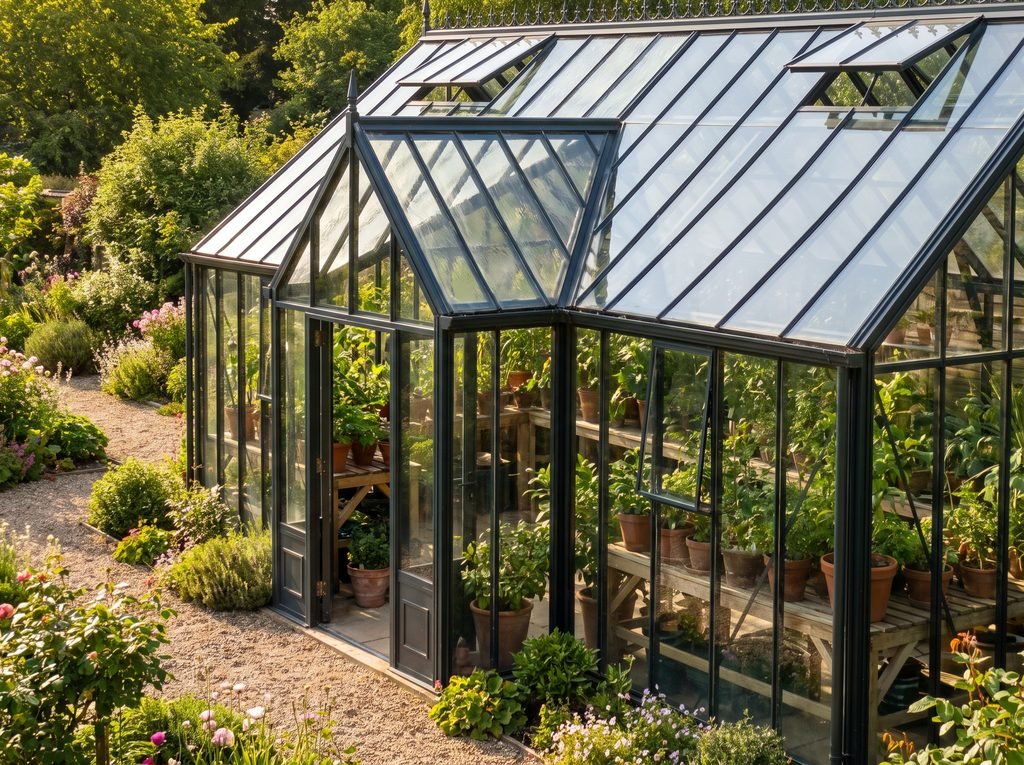
Glass is central to the identity of a traditional glasshouse, but modern greenhouse glazing is not limited to one option.
Horticultural glass remains popular because it provides a crisp, traditional appearance. Toughened safety glass may be preferred where increased resistance to impact is important.
Modern glazing can also improve insulation and safety. Depending on the design, homeowners may choose upgraded glass systems that reduce heat loss while preserving the transparent appearance associated with classic greenhouses.
The choice should consider the intended use of the building. A greenhouse used mainly for summer crops may have different glazing requirements from one that needs to remain warm through winter.
For homeowners seeking authentic character, glazing should also be considered from an aesthetic perspective. The glass should complement the frame and preserve the elegant proportions that make Victorian-style structures so appealing.
Timber or Metal Frames?
Traditional greenhouses can be constructed using timber, metal, or combinations of different materials.
Timber offers a warm, natural appearance and can work beautifully in cottage gardens and heritage landscapes. It may require regular maintenance, especially in exposed environments.
Metal framing is often associated with the classic Victorian greenhouse aesthetic. It can create clean, slender profiles and strong structural support while allowing extensive glazing.
The decision should not be based purely on appearance. Longevity, maintenance, weather exposure, local conditions, and the intended use of the building should all be considered.
A well-built conservatory Victorian greenhouse should feel visually appropriate while also providing the strength and durability needed for year-round use.
Ventilation Is Essential
One of the biggest mistakes inexperienced greenhouse owners make is underestimating ventilation.
Glasshouses can heat up rapidly when sunlight hits the glazing. Without sufficient airflow, temperatures may rise to levels that stress or damage plants.
Traditional ventilation typically relies on roof vents and side vents. Automatic vent openers can provide additional convenience by responding to changing temperatures.
Good airflow can also reduce stagnant conditions and help create a healthier growing environment. Ventilation works alongside shading and watering to maintain more stable conditions.
Even a beautifully designed Victorian greenhouse needs practical climate management. The conservatory Victorian greenhouse concept should therefore include ventilation from the beginning rather than treating it as an optional upgrade.
Heating a Victorian Greenhouse
Heating is useful when the greenhouse is expected to operate throughout colder months.
The level of heating required depends on what you are growing. Hardy plants may require little or no additional warmth, while tropical and tender species may need carefully controlled temperatures.
Electric greenhouse heaters are one option, particularly when combined with thermostatic controls. Other approaches include heating benches, soil-warming systems, or improved insulation around vulnerable areas.
The goal should not necessarily be to make the greenhouse hot. In many situations, maintaining a stable minimum temperature is more useful than creating consistently warm conditions.
A thoughtfully planned conservatory Victorian greenhouse can support a wide range of plants when heating, ventilation, glazing, and insulation are considered together.
What Can You Grow in a Victorian Greenhouse?
The list of possibilities is extensive.
Tomatoes are classic greenhouse crops because they benefit from protection and warmth. Peppers, cucumbers, aubergines, and other warm-season vegetables can also perform well under suitable conditions.
A greenhouse can also be useful for growing herbs, annual flowers, cut flowers, seedlings, and young plants before they are moved outdoors.
For gardeners who enjoy ornamental planting, the structure may become home to geraniums, fuchsias, begonias, climbing plants, succulents, and many other species.
Some gardeners use their glasshouse primarily for propagation. Starting seeds in a controlled environment can provide an earlier growing season and stronger young plants.
The versatility of a conservatory Victorian greenhouse makes it particularly attractive for gardeners whose interests extend beyond one type of crop.
Creating a Victorian-Style Interior
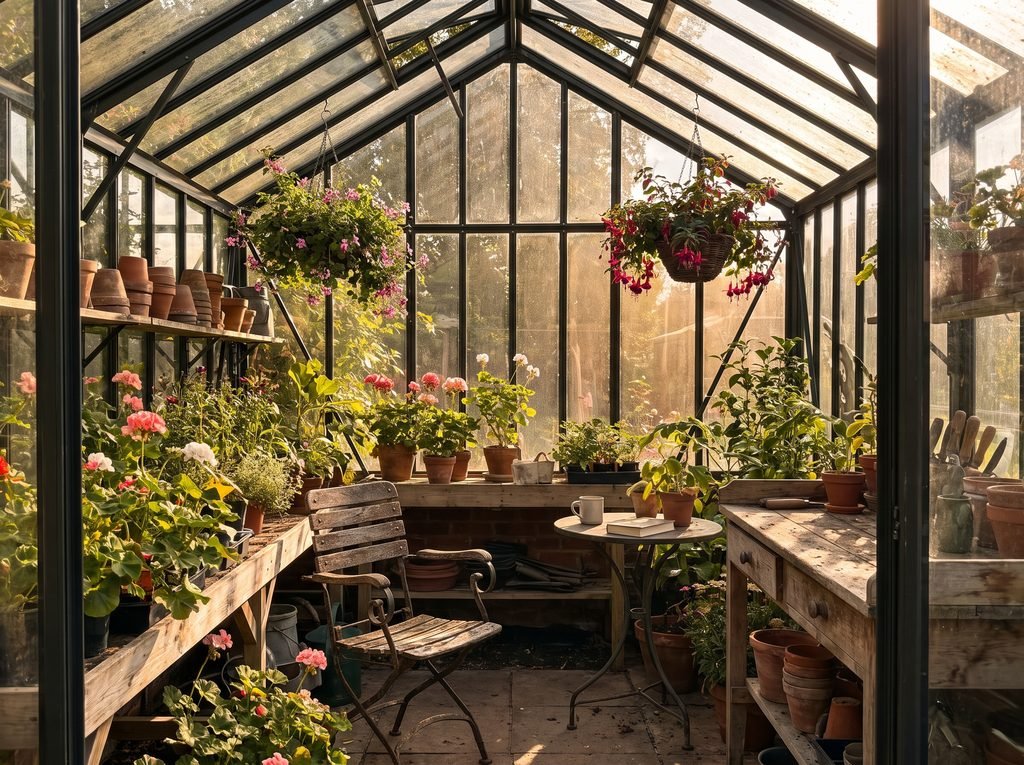
The inside of a traditional greenhouse deserves as much attention as the exterior.
Classic staging can provide practical growing space while reinforcing the period-inspired aesthetic. Timber benches, painted shelving, terracotta pots, hanging baskets, traditional tools, and decorative containers can all contribute to the look.
You do not need to turn the greenhouse into a museum. Modern features can coexist with traditional details.
For example, discreet irrigation systems can make watering easier while traditional terracotta pots maintain visual character. Modern lighting can improve evening use without overwhelming the architecture.
A conservatory Victorian greenhouse can also include a small chair, bench, or table. This can turn part of the structure into a peaceful place to sit among plants.
Using the Greenhouse as a Garden Retreat
One of the most interesting developments in modern greenhouse design is the growing interest in multifunctional garden buildings.
A conservatory Victorian greenhouse does not necessarily have to be used solely for plant production. With enough space, it can become a peaceful place for reading, relaxing, enjoying morning coffee, or simply spending time surrounded by greenery.
The transparent walls create a strong connection with the garden. Even in poor weather, you can remain surrounded by natural light and plants.
This is another reason the conservatory Victorian greenhouse approach has such enduring appeal. It combines the practicality of a greenhouse with some of the comfort and atmosphere normally associated with a conservatory.
Victorian Greenhouses and Cottage Gardens
Victorian-style glasshouses fit naturally into cottage garden settings.
The formal lines of the structure can create a strong architectural contrast with softer planting. Roses, lavender, foxgloves, climbing plants, ornamental grasses, herbs, and informal flower borders can all complement the glasshouse.
Gravel paths and brick edging can reinforce the historic feel without making the garden look overly formal.
A weathered-looking structure can also work beautifully with mature planting because it appears as though it has always belonged there.
For anyone developing a traditional landscape, a conservatory Victorian greenhouse can become a visual bridge between the house and garden, connecting architectural heritage with practical horticulture.
Victorian Greenhouses for Contemporary Homes
Traditional style does not necessarily require a traditional property.
A Victorian-inspired greenhouse can provide an interesting contrast against a modern house. The combination of classic glazing and contemporary architecture can create a distinctive garden design.
The key is balance. Choose proportions, colours, materials, and landscaping that allow the greenhouse to relate naturally to its surroundings.
Modern technology can also be incorporated discreetly. Automated ventilation, irrigation controls, efficient heaters, and modern safety glazing can be included without destroying the traditional appearance.
This combination of old and new is one of the strengths of the conservatory Victorian greenhouse style.
How to Maintain a Traditional Glasshouse
Regular maintenance helps preserve both performance and appearance.
Glass should be cleaned periodically so that dirt does not reduce available light. Gutters and drainage channels should also be checked and cleared.
Frames should be inspected for damage, corrosion, loose fixings, or signs of deterioration. Timber components may require protective treatment and repainting at appropriate intervals.
Ventilation mechanisms should be checked to make sure vents open and close correctly. Automatic systems should also be tested before the growing season becomes demanding.
Doors should close properly, while glazing seals and joints should be inspected as necessary.
A little routine maintenance can prevent small problems from becoming expensive repairs. This is particularly important for larger structures where access to high glazing or roof areas may require specialist equipment.
Keeping the Greenhouse Comfortable in Summer
Summer greenhouse management can be challenging because internal temperatures can rise rapidly.
Ventilation should begin early when daytime temperatures are expected to increase. Roof vents are especially useful because warm air naturally rises.
Shading may also be necessary for particularly bright or hot conditions. The exact approach depends on the crops being grown.
Watering should be consistent but carefully managed. Overwatering can create problems, while letting plants become severely dehydrated can cause stress.
Good air circulation is particularly important in warm conditions.
A well-managed conservatory Victorian greenhouse should feel like a controlled growing environment rather than a heat trap. Ventilation, shading, plant positioning, and watering all contribute to that balance.
Using a Victorian greenhouse in Winter
Winter changes the priorities inside a greenhouse.
Light levels are generally lower, temperatures are colder, and many plants enter dormancy or slow growth.
Gardeners should monitor minimum temperatures according to the needs of their plants. Some species may be perfectly comfortable in cool conditions, while tender plants may require heating.
Condensation can also become noticeable during colder months. Good ventilation on appropriate days can help regulate humidity, while avoiding unnecessary moisture around leaves and surfaces.
A traditional glasshouse can remain useful in winter even when plant growth is limited. It can provide a protected space for overwintering, storing tools, taking cuttings, and preparing for the next season.
How Much Does a Victorian Greenhouse Cost?
The cost of a Victorian greenhouse can vary substantially.
Size, frame material, glazing specification, foundation requirements, decorative details, ventilation, heating, installation, and optional accessories all influence the final price.
A small basic structure may be relatively accessible, while a large custom-designed glasshouse with detailed architectural features can represent a significant investment.
It is important to consider total ownership cost rather than only the initial purchase price. Foundation work, installation, heating, maintenance, repairs, and internal equipment can all contribute to the final expense.
When comparing products, look beyond appearance and headline price. Structural quality, glazing, warranties, ventilation, available replacement parts, and manufacturer support can have a major effect on long-term value.
For buyers investing in a conservatory Victorian greenhouse, quality is particularly important because the structure is intended to provide both functional and visual value over many years.
Should You Buy a Victorian Greenhouse or Build One?
There is no single answer that suits every gardener.
A prefabricated greenhouse can simplify installation and provide predictable dimensions and costs. It may also come with standardized components and replacement parts.
A custom-built structure can provide greater freedom over dimensions, materials, decorative features, door placement, ventilation, and interior layout.
Custom construction may be especially attractive when working with a period property or an unusual garden space.
However, bespoke projects usually require more planning and may involve higher costs.
The right choice depends on your budget, garden, architectural preferences, and intended use.
What to Look for When Choosing a Victorian greenhouse
A good Victorian greenhouse should combine attractive design with practical performance.
Look closely at the quality of the frame, glazing, joints, doors, ventilation systems, and foundation requirements. Consider whether replacement glass and other components are readily available.
Think carefully about how you will use the building in five or ten years rather than only how you intend to use it today.
A structure that looks beautiful but has inadequate ventilation may become frustrating during summer. Likewise, a greenhouse with excellent growing conditions but poor visual proportions may disappoint in a highly visible garden.
The most successful designs balance appearance, durability, usability, and environmental performance.
For this reason, a conservatory Victorian greenhouse should be selected as a complete garden environment rather than simply as a collection of glass panels and frames.
Sustainable Gardening in a Traditional Glasshouse
Victorian aesthetics can also work alongside environmentally conscious gardening.
Rainwater collection is one practical approach. A greenhouse roof can provide a useful surface for collecting water, which can then be stored for use in the garden.
Efficient irrigation can reduce unnecessary water use. Drip systems and carefully timed watering can direct moisture closer to plant roots.
Composting and peat-free growing media can also support more sustainable gardening practices.
Energy efficiency matters too. Improved glazing, careful sealing, insulation where appropriate, and thermostatic heating controls can reduce unnecessary energy use.
Traditional design and sustainable gardening do not have to conflict. A thoughtfully planned conservatory Victorian greenhouse can combine classic aesthetics with modern environmental priorities.
Common Mistakes to Avoid
One common mistake is choosing a greenhouse that is too small. Once a gardener starts using shelving, staging, pots, propagation trays, and climbing plants, available space can disappear surprisingly quickly.
Another mistake is ignoring ventilation. Beautiful glasshouses still need airflow.
Poor placement is another issue. A greenhouse hidden in excessive shade or exposed to strong winds may perform poorly regardless of how attractive it looks.
Some buyers also focus heavily on decorative features while overlooking practical details such as drainage, foundation quality, glazing specifications, and access.
Finally, it is easy to underestimate maintenance. Traditional structures require care, especially if they are expected to look attractive for many years.
Avoiding these mistakes can make your greenhouse much more enjoyable and productive.
How to Make Your Victorian Greenhouse a Focal Point
A greenhouse can become the centerpiece of your garden through thoughtful landscaping.
Create a clear path leading toward the entrance. Use surrounding plants to frame the structure while keeping doors and ventilation areas accessible.
Brick, stone, gravel, timber, and traditional paving can all reinforce the architectural character.
Lighting can also make a difference. Soft outdoor lighting around pathways or near the entrance can allow the greenhouse to remain visually attractive after sunset.
Inside, plants with different heights and textures can create depth. Tall climbers can draw attention upward while lower pots and benches create layers.
The result can be much more than a growing space. A conservatory Victorian greenhouse can become a destination within the garden.
Is a Victorian Greenhouse Worth the Investment?
For many gardeners, the value of a traditional glasshouse goes beyond crop production.
It can increase the amount of time you spend gardening, provide protected growing space, add architectural character, and give you the opportunity to experiment with plants that may be difficult to grow outdoors.
It may also improve the appearance and usability of the garden throughout the year.
However, the investment makes the most sense when the greenhouse is well matched to your needs. Choosing the right size, location, materials, glazing, ventilation, and heating system is essential.
A high-quality conservatory Victorian greenhouse can remain useful for many years, making it a long-term garden feature rather than a short-lived purchase.
Final Thoughts on Victorian Greenhouses and Traditional Glasshouses
Victorian greenhouses continue to attract attention because they offer a rare combination of practicality and beauty. Their traditional glass architecture creates an unmistakable connection to the history of gardening, while modern construction methods allow them to meet contemporary expectations for comfort, safety, durability, and performance.
Whether you dream of growing tomatoes and peppers, raising seedlings, protecting tender plants, or simply creating a beautiful retreat in the garden, a traditional glasshouse can provide an adaptable solution.
The charm of a conservatory Victorian greenhouse lies in its ability to make gardening feel like part of the architecture of the home. It does not have to be hidden behind a shed or treated as a purely functional structure. With the right design, it can become one of the most attractive and useful features in your outdoor space.
Before making a purchase, consider your garden’s size, sunlight, drainage, access, climate, planting ambitions, and future needs. Take time to compare materials, glazing, ventilation, heating options, maintenance requirements, and installation costs.
Most importantly, choose a structure that you will enjoy using. The best greenhouse is not simply the one with the most features or the highest price. It is the one that fits naturally into your garden and encourages you to spend more time growing, experimenting, relaxing, and enjoying the space.
A well-planned Victorian glasshouse can bring together heritage-inspired design and modern gardening possibilities in a way that remains both useful and beautiful. For gardeners who value timeless style, natural light, and flexible growing space, the traditional glasshouse remains an excellent choice.
Ready to Bring Victorian Character Into Your Garden?
A beautiful greenhouse can completely change the way you use your garden. From early-season seedlings to summer vegetables and winter protection, the possibilities extend far beyond simple plant storage.
Explore different Victorian greenhouse designs, compare glazing and frame options, consider the ideal position in your garden, and plan the interior around the way you actually want to garden. Choosing carefully today can help you create a glasshouse that remains attractive, useful, and enjoyable for years to come.
When classic architecture meets thoughtful garden planning, the result can be truly special. A conservatory Victorian greenhouse is not simply a place to grow plants—it can become a defining feature of the garden and a space you look forward to using in every season.
Start planning your traditional glasshouse today and turn your garden into a more beautiful, productive, and inspiring place to grow.