A sage green house can bring a sense of calm, warmth, and timeless style to both traditional and modern interiors. Soft green tones have become a popular choice for homeowners who want a colour that feels natural without being too bold. Unlike brighter greens, sage has a muted, earthy quality that works beautifully with wood, stone, cream, white, black, brass, and many other finishes. It can make a room feel connected to nature while still looking sophisticated and welcoming.
Choosing the right colour for your home is not only about following a trend. The best shade should fit your lifestyle, architecture, lighting, furniture, and personal taste. Sage green is especially flexible because it can be used in subtle ways or as a dramatic design statement. You can paint an entire exterior, highlight a front door, create a feature wall, update your kitchen cabinets, or introduce the colour through furniture and accessories.
Table of Contents
In this guide, we explore how to create a beautiful sage green house, where this colour works best, which shades complement it, how lighting changes its appearance, and how to avoid common decorating mistakes. Whether you are planning a complete home makeover or simply searching for one inspiring idea, these practical suggestions can help you create a home that feels fresh, peaceful, and thoughtfully designed.
Why a Sage Green House Feels So Timeless and Inviting
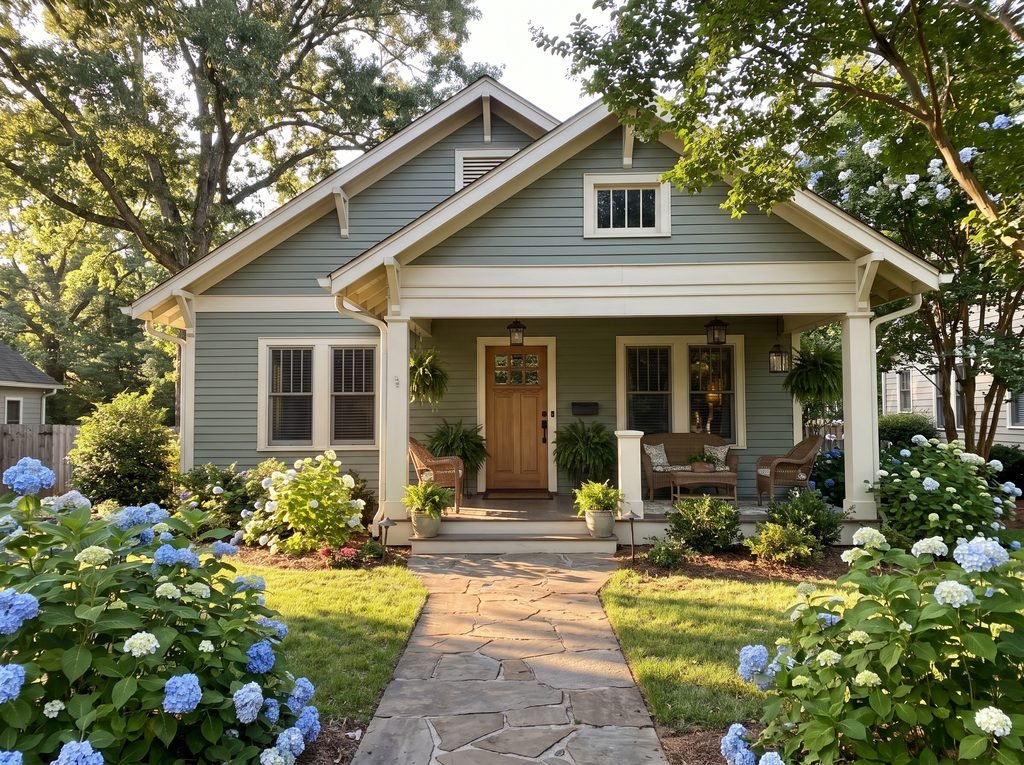
A sage green house has an advantage that many trendy colours do not: it can look current without feeling temporary. Sage sits between green, grey, and earthy neutral tones, giving it a balanced appearance. Because of its softness, it usually does not dominate a room or exterior. Instead, it creates a background that allows architectural details, furniture, plants, artwork, and materials to stand out.
The natural character of sage green is another reason it remains appealing. Green is strongly associated with gardens, leaves, forests, and the outdoors. A muted sage version introduces those natural associations in a quieter way. The result can be a home that feels relaxed rather than overly decorated.
The colour can also suit many different architectural styles. It can look charming on a cottage, refined on a Victorian property, understated on a contemporary home, or welcoming on a suburban house. The final effect depends on the exact shade and the colours used alongside it.
For homeowners who want a colour that feels both distinctive and practical, sage green offers a useful middle ground. It has more personality than beige or plain white but is generally easier to live with than highly saturated colours.
How to Choose the Right Sage Green Shade for Your Home
Not every sage green looks the same. Some shades have more grey, while others have stronger yellow or blue undertones. The differences can become surprisingly noticeable once the paint is applied across a large surface.
Before choosing a shade for your sage green house, look at paint samples in several areas. A colour that appears perfect on a small card can look lighter, darker, cooler, or warmer when it covers a wall. Natural daylight, artificial lighting, nearby furniture, flooring, and even the surrounding landscape can influence how the colour appears.
A sage with grey undertones can create a sophisticated and modern atmosphere. It often pairs particularly well with charcoal, white, natural oak, and black accents. A warmer sage with slightly yellow undertones may feel more traditional and cosy, especially when combined with cream, tan, and warm wood.
For exterior projects, view samples throughout the day. Morning light, midday sun, cloud cover, and evening shadows can make the same colour appear very different.
Do not choose based only on photographs found online. Screens can change colour dramatically depending on brightness and display settings. A physical sample is much more reliable when making a long-term investment.
Soft Sage for a Relaxed Interior
Soft sage is ideal for bedrooms, living rooms, hallways, and spaces where you want a peaceful atmosphere. It has enough colour to create interest but remains quiet enough to work as a near-neutral.
Deeper Sage for More Character
A darker sage can create a richer and more dramatic look. It works particularly well on cabinetry, built-in shelves, dining rooms, studies, and statement walls. When used outdoors, a deeper tone can make a property feel established and elegant.
Grey-Green Sage for a Modern Look
Grey-green shades are excellent for contemporary interiors because they have a refined, understated appearance. They can be matched with clean lines, simple furniture, and minimalist accessories without making the room feel cold.
Sage Green House Exterior Ideas That Make a Strong First Impression
The exterior is one of the first things people notice, so colour selection can have a significant visual impact. A sage green house exterior can look welcoming, distinctive, and natural without appearing overly bright.
One of the easiest approaches is to combine sage siding or render with crisp white trim. White around windows, doors, and architectural details provides contrast and helps define the structure. This combination is especially effective on traditional homes.
Another option is pairing sage with warm natural wood. Timber doors, wooden shutters, cedar details, or exposed beams can reinforce the organic feel of the colour. The combination feels connected to nature and works particularly well when the home is surrounded by mature landscaping.
Black accents can create a more contemporary result. Black window frames, exterior lighting, house numbers, or a dark front door can give a sage exterior a sharper appearance. The contrast is particularly attractive on modern properties.
For a softer approach, cream and warm beige are excellent partners. They produce a more traditional and welcoming appearance than bright white.
The Front Door Can Transform a Sage Green House
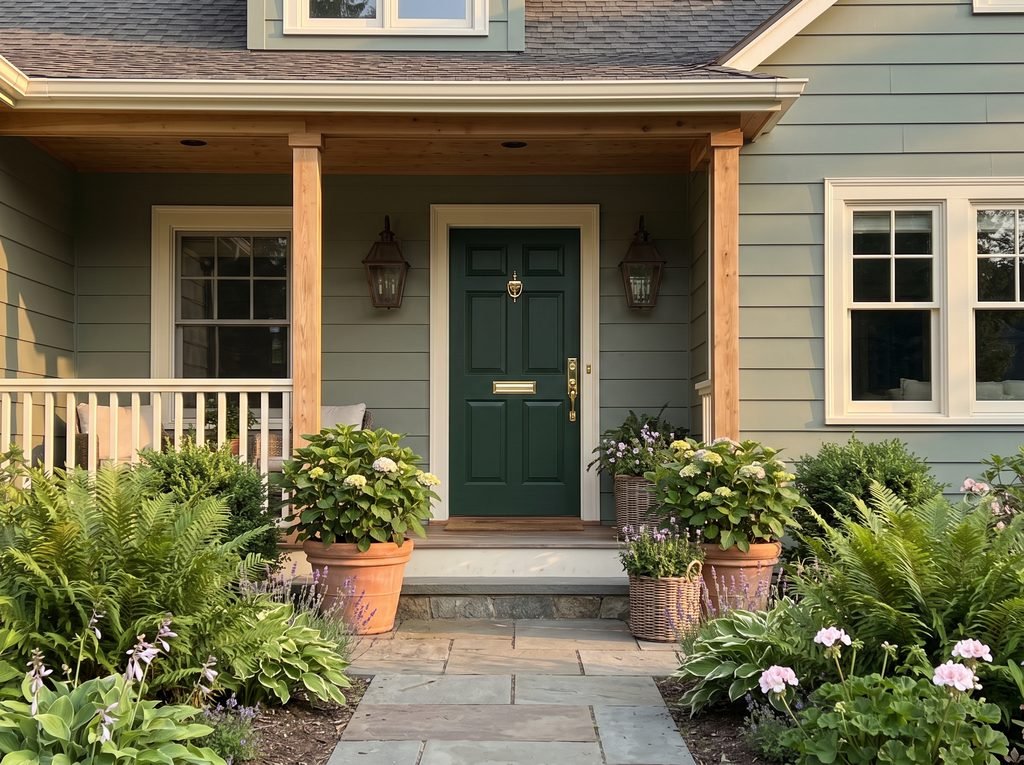
You do not need to paint the entire exterior to enjoy the character of sage green. A front door can become a relatively simple way to introduce the colour.
A sage green front door against a neutral exterior can create a subtle but memorable focal point. This works especially well with white, cream, light grey, stone, or natural brick walls.
Another option is to use a slightly deeper green on the door than on the rest of the property. The tonal variation adds depth without introducing a completely different colour.
Hardware also matters. Brushed brass can make sage feel warmer and more traditional, while matte black provides a cleaner contemporary effect. Antique bronze can work beautifully on cottages and period-style homes.
Add simple planters around the entrance to reinforce the natural theme. Lavender, grasses, white flowers, herbs, and leafy plants can complement the green without competing with it.
Creating a Beautiful Sage Green House Living Room
The living room is one of the easiest places to experiment with sage because the colour works well with many materials and textures.
A sage green house living room can feel especially inviting when the walls are paired with cream sofas, natural wood tables, woven baskets, linen curtains, and soft rugs. These materials help prevent the green from feeling flat.
For a more modern result, consider sage walls with a neutral sofa, black metal details, clean-lined furniture, and simple artwork. The contrast creates a sophisticated room without excessive decoration.
If painting all four walls feels too strong, use sage on one feature wall. You can then repeat the colour in cushions, throws, artwork, or a chair to create visual consistency.
Texture is particularly important. A room decorated entirely in flat surfaces may look less interesting, regardless of how attractive the paint colour is. Combine smooth finishes with knitted fabrics, linen, timber, ceramics, and woven accessories.
Designing a Serene Sage Green House Bedroom
Bedrooms benefit from calming colours, which makes sage an excellent choice. Its muted quality can create a peaceful environment that feels comfortable at the end of the day.
Try pairing sage walls with warm white bedding and natural wood furniture. Linen duvet covers, cotton sheets, woven lampshades, and soft rugs can make the room feel relaxed and comfortable.
For a more sophisticated bedroom, combine sage with dusty rose, muted terracotta, cream, or warm taupe. These colours can add warmth without overwhelming the calming green foundation.
Lighting should be soft and layered. Bedside lamps, wall lights, and warm ambient lighting can make sage appear more inviting in the evening than bright overhead lighting.
Avoid filling the bedroom with too many competing colours. A calm palette generally works best when sage remains the main feature and supporting shades are used carefully.
A Sage Green House Kitchen Can Look Fresh and Sophisticated
Kitchens often contain many hard surfaces, making colour particularly useful for adding warmth. Sage cabinets are one of the most popular ways to bring this tone into the kitchen.
Pair sage cabinetry with light stone countertops, warm white walls, natural wood shelves, or brushed metal hardware. The combination feels fresh without looking overly clinical.
For a classic kitchen, consider shaker-style sage cabinets with brass knobs and handles. For a modern kitchen, flat-front cabinetry with black handles can create a cleaner appearance.
Sage does not have to cover every cabinet. Another approach is to use sage on lower cabinets while keeping upper cabinets white or natural wood. This can visually lighten the room while still giving the kitchen plenty of character.
A tiled backsplash can also influence the overall result. Cream, off-white, soft beige, handmade-look tiles, and subtle green tiles can all complement sage.
Styling a Sage Green House Bathroom
Bathrooms are another excellent space for muted green. A sage bathroom can feel like a relaxing retreat, especially when paired with natural textures.
Sage walls work beautifully with warm white tiles, stone-effect flooring, light oak cabinetry, and brass fixtures. Add plants that tolerate bathroom conditions to reinforce the natural theme.
For a more dramatic look, use a deeper sage with patterned tiles or darker flooring. A large mirror can help reflect light and prevent a smaller bathroom from feeling enclosed.
If the room has limited daylight, test the paint carefully. Some sage shades can appear significantly darker in low light. A lighter version may create a more balanced effect.
Using Sage Green Furniture Without Repainting Your Home
Not every homeowner wants to commit to painted walls. Fortunately, you can create the look of a sage green house through furniture and decorative details.
A sage sofa, armchair, cabinet, dining chairs, or upholstered headboard can become the main colour feature in a neutral room.
Smaller items are even easier to change. Cushions, blankets, vases, lampshades, artwork, curtains, and tableware can introduce sage without requiring a major renovation.
This approach is particularly useful for renters or people who enjoy changing their decor regularly. You can test the colour before committing to larger projects.
The key is repetition. Instead of placing one isolated sage item in the room, echo the colour in two or three smaller details. This creates a more intentional appearance.
The Best Colours to Pair With Sage Green
The versatility of a sage green house comes partly from the number of colours that can work alongside it.
White creates a fresh and clean contrast. Warm white is usually softer than stark, cool white and can make sage feel more welcoming.
Cream provides a classic combination. It reduces contrast while maintaining enough definition to keep the room interesting.
Natural wood is one of the strongest partners for sage. Oak, walnut, pine, and other timber finishes can add warmth and texture.
Terracotta introduces earthy warmth. It works particularly well in rooms inspired by Mediterranean or rustic design.
Dusty pink can create a softer and slightly more romantic effect. Use muted versions rather than extremely bright pinks for a sophisticated result.
Black can add drama and structure. It is particularly effective with modern furniture, lighting, and window frames.
Brass and bronze are excellent metallic accents. They help warm the overall palette and can make sage look more luxurious.
How Natural Light Changes a Sage Green House
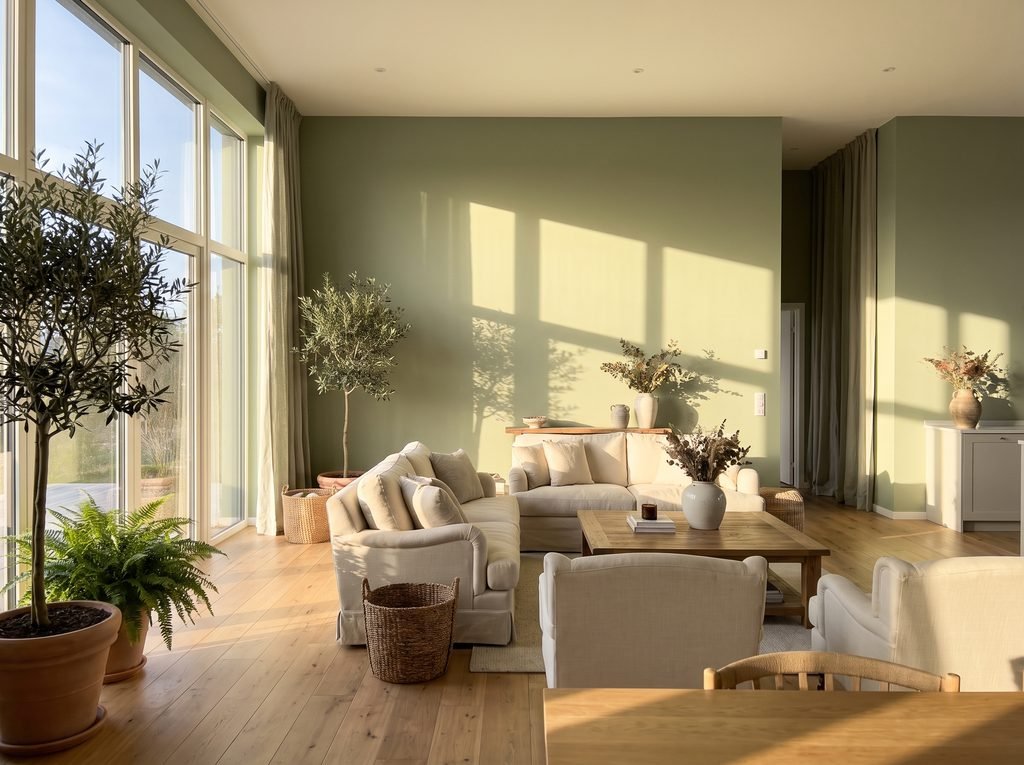
Light can dramatically affect paint colour. This is one of the most important details to consider before painting a home.
Rooms facing strong daylight may make sage appear brighter and warmer. North-facing rooms can make colours appear cooler and sometimes darker. Artificial lighting can also affect the final appearance.
A sample should therefore be tested directly on the wall rather than judged from a catalogue.
Watch the colour at different times of day. Spend time looking at it in the morning, afternoon, and evening before deciding.
If a room receives limited light, a lighter sage may be more suitable. If a room receives abundant natural light, you can often use a stronger or deeper shade without making the space feel too dark.
Sage Green House Landscaping Ideas for a Natural Exterior
The outdoor environment can make a major difference to the appearance of your home. A sage green house surrounded by carefully selected plants can look remarkably cohesive.
Consider planting greenery with different leaf shapes and textures rather than relying on one type of plant. Grasses, shrubs, herbs, flowering plants, and small trees can create layers around the property.
White flowers can provide an elegant contrast. Lavender can introduce soft purple tones that work naturally with sage. Terracotta planters can add warmth.
Avoid making everything green. Too much of the same colour can reduce contrast and make architectural details disappear. Use variations in plant height, leaf texture, and flower colour to create visual interest.
Pathways made from stone, brick, or gravel can complement a sage exterior beautifully. Natural materials often reinforce the earthy character of the paint.
Common Mistakes to Avoid When Decorating With Sage
Although sage is versatile, it is still possible to use it poorly.
One common mistake is choosing a colour without considering undertones. A shade that looks green and warm in one room may become grey or blue in another.
Another mistake is using too much of the same tone. If the walls, sofa, curtains, rug, and accessories are all identical sage, the room can lose depth. Introduce contrasting neutrals and natural materials.
Ignoring lighting is another problem. Always test samples in the actual environment where the paint will be used.
Some homeowners also combine too many accent colours. Sage already has a distinctive identity, so it usually benefits from a restrained supporting palette.
Finally, do not choose a colour solely because it is popular. Your home should reflect your taste and lifestyle first.
How to Make a Sage Green House Look More Expensive
A sophisticated home is not necessarily about spending more money. It is often about creating consistency and choosing materials thoughtfully.
Use fewer decorative pieces but make each one meaningful. Quality-looking lighting, natural fabrics, well-finished hardware, and coordinated furniture can make a room feel more polished.
Repeat colours throughout the home. For example, sage in the kitchen could connect visually with a sage accent in the hallway or bedroom.
Layer textures rather than relying only on colour. Linen, wool, timber, ceramic, stone, metal, and woven materials can add richness.
Pay attention to proportions. Oversized artwork, appropriately sized rugs, and correctly scaled furniture often make a room look more intentional.
Good maintenance is also part of the look. Clean walls, fresh paintwork, tidy landscaping, and well-kept doors can make any colour feel more luxurious.
Small Homes Can Benefit From Sage Green Too
A common misconception is that dark or colourful homes are unsuitable for smaller properties. A carefully selected sage can actually make a compact home feel warm and distinctive.
In smaller rooms, lighter sage shades can help maintain an airy atmosphere. Continue the same colour through connected spaces to create visual flow.
You can also use sage strategically instead of painting every wall. Cabinets, doors, alcoves, or one feature wall may provide enough colour.
Mirrors, light flooring, and carefully positioned lighting can further improve the sense of space.
The goal is not to make every room look larger at any cost. A small home can be attractive because it feels comfortable, cohesive, and thoughtfully designed.
Modern Sage Green House Design Ideas
Modern architecture often relies on simple shapes, and sage green can soften those forms beautifully.
A contemporary exterior with sage panels, black-framed windows, timber details, and minimalist landscaping can feel stylish without looking overly industrial.
Inside, combine sage with clean-lined furniture, simple pendant lights, smooth surfaces, and limited decorative clutter.
Large areas of glass can also work particularly well because the natural outdoor views reinforce the connection with green tones.
Use contrast thoughtfully. A modern home does not need to be completely neutral. Sage can become the defining colour while black, white, stone, and wood provide structure.
Traditional Sage Green House Design Ideas
Sage is equally effective on traditional properties. Its connection with nature gives older architectural styles a natural and authentic appearance.
Panelled walls, shaker cabinetry, wooden doors, vintage-inspired hardware, floral fabrics, and classic furniture can all work with sage.
For cottages and heritage-inspired homes, combine sage with cream, natural stone, timber, and muted earthy shades.
Avoid excessively bright accessories if the goal is a timeless appearance. Soft colours tend to work better with the understated nature of traditional architecture.
Budget-Friendly Ways to Refresh a Sage Green House
You do not need a complete renovation to transform your home.
Painting a single room can create a noticeable change. Replacing cabinet handles, adding new cushions, updating curtains, or introducing plants can also make a significant difference.
For the exterior, refreshing the front door may be more affordable than repainting the entire property.
Second-hand furniture can also be painted sage. A previously plain cabinet or side table can become a feature piece with the right preparation and finish.
Styling shelves with ceramics, books, plants, and framed artwork in complementary colours can further reinforce the theme.
Small improvements can produce a surprisingly large visual effect when the colours and materials work together.
Is a Sage Green House a Good Long-Term Design Choice?
Trends change, but certain colours continue to work because they are adaptable. Sage is attractive precisely because it behaves more like a muted neutral than an intense statement colour.
Its connection with nature can give it a lasting quality. It can also transition between design styles. A room that feels modern today can still accommodate different furniture or accessories later.
That flexibility makes sage an appealing choice for homeowners who want personality without committing to an extremely bold colour.
For major exterior projects, however, always consider the surrounding buildings and local character. A beautiful colour may not be the best choice if it clashes with the architecture or neighbourhood.
How to Build a Cohesive Sage Green House Colour Palette
A cohesive home does not require every room to use the same paint. Instead, create a relationship between colours.
Start with sage as the main inspiration and select a few supporting shades. Warm white, cream, natural wood, soft brown, black, or muted terracotta can form a reliable foundation.
Use variations in tone rather than introducing a completely different palette in every room.
For example, the kitchen could use sage cabinetry, while the bedroom uses a lighter green accent and the hallway includes sage artwork or furniture. The colours do not need to match perfectly. They simply need to feel connected.
This approach creates a home that feels deliberately designed rather than decorated room by room without an overall vision.
Frequently Asked Questions About Sage Green House Design
What colours go best with a sage green house?
White, cream, warm beige, natural wood, black, terracotta, muted pink, and soft brown are among the most adaptable combinations. The best pairing depends on whether you want a traditional, modern, rustic, or contemporary result.
Is sage green suitable for a house exterior?
Yes. Sage can work beautifully on exterior walls, siding, doors, shutters, and trim. The most suitable shade depends on the architectural style, local surroundings, natural light, and surrounding materials.
Is sage green too dark for a small room?
Not necessarily. Light sage shades can work very well in small rooms. Deeper versions can also be effective when balanced with good lighting, lighter furniture, and contrasting materials.
Does sage green go with white?
Yes. White creates a clean contrast that highlights the muted quality of sage. Warm white often creates a softer result than a very bright cool white.
Can sage green work in a modern home?
Absolutely. Grey-leaning sage paired with black details, timber, stone, glass, and minimalist furniture can create a sophisticated contemporary look.
Can sage green look outdated?
Like any colour, the result depends on how it is used. Sage usually feels more timeless when paired with natural materials, restrained accessories, and a balanced palette rather than too many trend-specific elements.
Final Thoughts on Creating a Beautiful Sage Green House
A well-designed sage green house can feel peaceful, welcoming, sophisticated, and connected to nature. Its greatest strength is flexibility. The colour can support contemporary architecture, traditional homes, cosy cottages, elegant interiors, and practical family spaces.
The secret is not simply choosing sage paint. It is about understanding the shade, testing it in real lighting, selecting complementary materials, and creating balance throughout the home. Wood can add warmth, white can add freshness, black can provide contrast, and plants can strengthen the natural character.
You can also start small. A front door, kitchen island, bedroom wall, cabinet, or collection of accessories can introduce sage without requiring a major renovation. Once you see how the colour behaves in your home, you can decide whether to expand it.
The most attractive homes rarely depend on one dramatic feature. Instead, they combine colour, light, texture, architecture, furniture, and personal details in a way that feels effortless.
That is why a sage green house can be more than a passing decorating trend. With the right shade and thoughtful styling, it can become a long-lasting foundation for a home that feels comfortable today and attractive for years to come.
Ready to bring this calming colour into your own space? Start with one wall, one room, or even the front door. Test a few sage shades, compare them in different lighting, and choose the one that feels most natural in your home. A small colour change can be the first step toward creating a space that feels fresher, warmer, and completely your own.