Growing fresh vegetables, colorful flowers, and healthy herbs has become more popular than ever. Whether you have a large backyard or a compact patio, investing in a small greenhouse can transform the way you garden. Instead of depending on unpredictable weather, you can create a controlled environment where plants thrive throughout the year.
A small greenhouse is one of the smartest investments for beginner and experienced gardeners alike. It protects delicate plants from frost, heavy rain, pests, and strong winds while giving you greater control over temperature, humidity, and ventilation. However, with so many sizes, materials, and designs available, choosing the right one can feel overwhelming.
Table of Contents
This guide will help you understand everything you need to know before purchasing a greenhouse. By the end, you’ll know exactly what features matter most, which greenhouse suits your garden, and how to make a purchase that offers long-term value.
Why Choosing the Right Small Greenhouse Matters More Than You Think
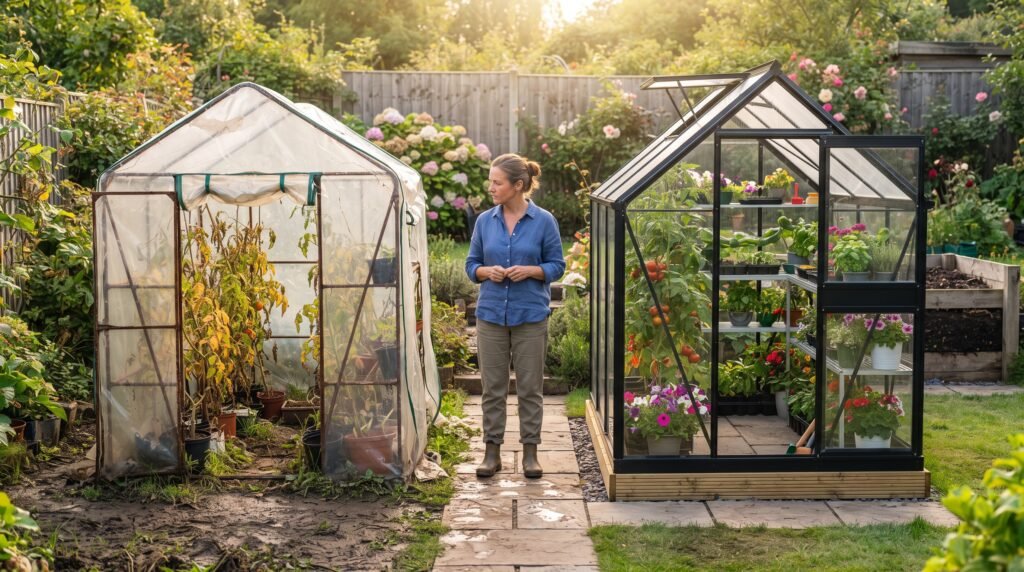
Buying a greenhouse isn’t simply about finding one that fits your garden. The right greenhouse can improve plant health, increase harvests, reduce maintenance, and save money over time. On the other hand, choosing the wrong model may lead to overheating, poor ventilation, structural damage, or limited growing space.
Every gardener has different goals. Some want to grow fresh vegetables year-round, while others prefer exotic flowers or seedlings for the spring season. Understanding your gardening needs before buying makes all the difference.
A high-quality small greenhouse creates a stable growing environment that extends your growing season by weeks or even months. It also gives you the flexibility to experiment with plants that normally wouldn’t survive in your local climate.
Instead of replacing a poor-quality greenhouse every few years, investing in the right model from the beginning provides better durability, healthier plants, and greater peace of mind.
Why More Gardeners Are Choosing a Small Greenhouse
The popularity of compact greenhouses continues to grow because they are practical, affordable, and suitable for almost any outdoor space.
Unlike large commercial structures, a small greenhouse doesn’t require a huge investment or extensive installation. Homeowners can easily place one in a backyard, on a patio, beside a garage, or even on a balcony if space allows.
Modern greenhouse designs also look more attractive than ever. Many manufacturers now offer elegant aluminum frames, stylish wooden structures, and crystal-clear glazing panels that complement modern gardens rather than looking purely functional.
As gardening continues to become both a hobby and a way to reduce grocery costs, small greenhouses have become one of the most valuable additions to a home garden.
Benefits of Owning a Small Greenhouse
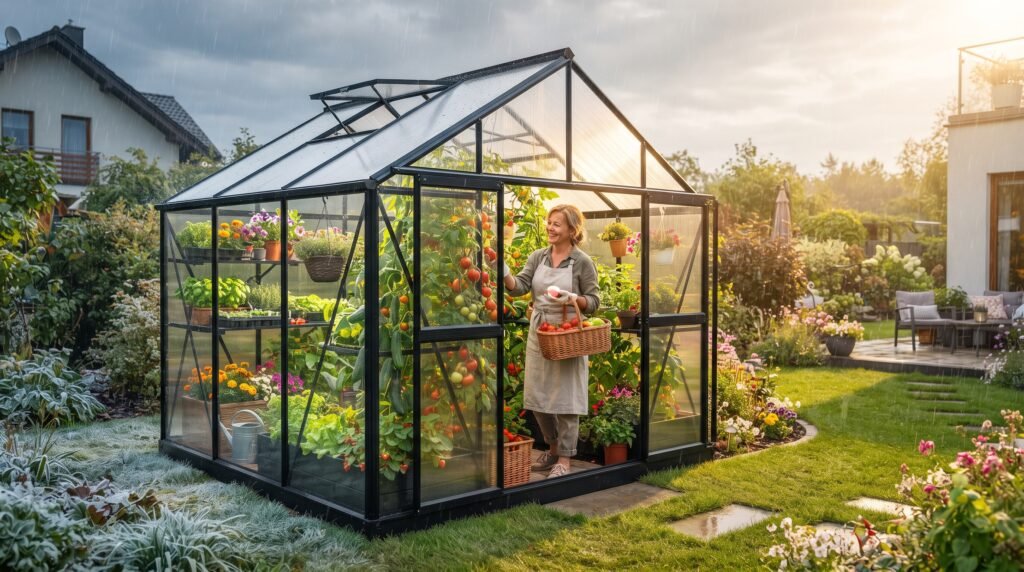
One of the biggest advantages of owning a greenhouse is having greater control over the growing environment. Plants are no longer exposed directly to sudden weather changes that can damage leaves, flowers, or developing fruit.
A small greenhouse helps maintain consistent temperatures, making it easier to grow healthy crops from early spring through late autumn. In many regions, gardeners can even continue growing during winter with the help of simple heating systems.
Another major benefit is protection from pests. While no greenhouse is completely pest-proof, it significantly reduces exposure to insects, birds, rabbits, and other animals that often damage outdoor gardens.
You’ll also spend less money replacing damaged plants after storms or unexpected frosts. Over time, this can offset much of the initial investment.
Many gardeners also appreciate the ability to start seeds earlier than usual. Instead of waiting for outdoor temperatures to rise, seedlings can develop safely inside the greenhouse before being transplanted outdoors.
Is a Small Greenhouse Right for You?
Before purchasing a greenhouse, it’s important to think about your gardening goals rather than simply choosing the largest or cheapest option.
Ask yourself a few practical questions:
- Do you mainly grow vegetables?
- Are you interested in flowers or tropical plants?
- Do you want year-round gardening?
- How much outdoor space do you actually have?
- How much maintenance are you willing to perform?
If you enjoy growing herbs, tomatoes, peppers, lettuce, strawberries, cucumbers, or seedlings, a small greenhouse is often more than enough.
Compact greenhouses are especially suitable for beginners because they are easier to manage than large walk-in structures. Heating, watering, and ventilation are all simpler, making it easier to learn successful greenhouse gardening without feeling overwhelmed.
Understanding Your Gardening Goals Before Buying
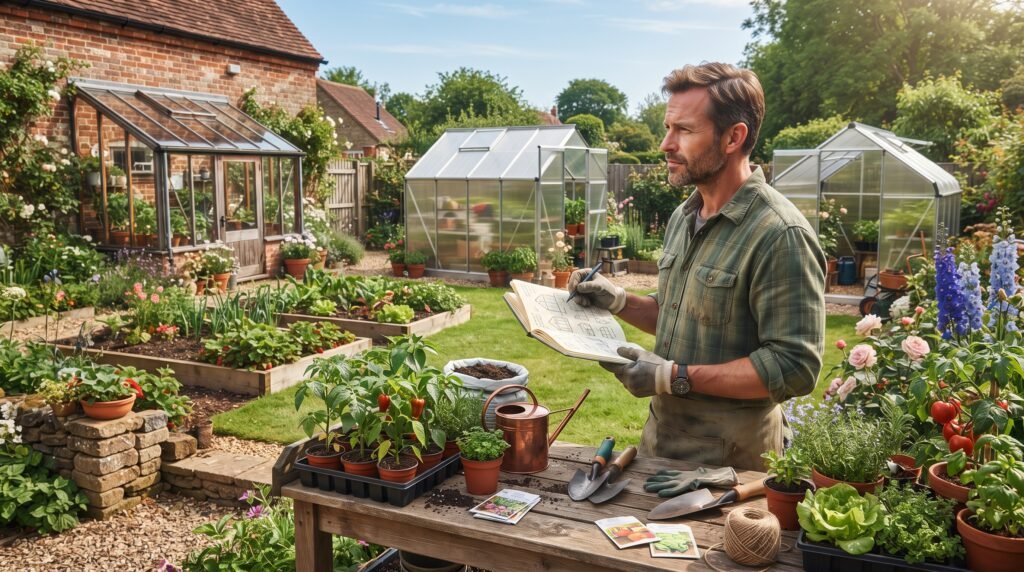
Every greenhouse purchase should begin with a clear purpose.
Some gardeners want to extend their growing season. Others want to protect expensive plants during winter. Many simply want a dedicated space where young plants can develop before moving outdoors.
Knowing your priorities helps narrow your choices significantly.
If vegetables are your primary focus, you’ll need enough height for tomatoes and climbing cucumbers. If flowers are your passion, shelving becomes more important than floor space.
Gardeners interested in propagation often prioritize excellent light transmission and efficient ventilation to encourage healthy seedling growth.
Your future plans matter too. If you expect your gardening hobby to expand, purchasing a slightly larger small greenhouse now can prevent needing an upgrade later.
How Much Space Do You Really Need?
Many first-time buyers underestimate the amount of growing space they’ll eventually require.
Plants that begin as tiny seedlings often become much larger within a few months. Tomatoes, peppers, squash, cucumbers, and climbing beans can quickly fill a compact greenhouse if spacing isn’t planned carefully.
Rather than measuring only the greenhouse footprint, think about how you’ll move inside it.
Can you comfortably water plants?
Will you have room for shelves?
Can taller plants grow without touching the roof?
Choosing a greenhouse that’s slightly larger than your current needs often proves to be the better investment. The additional growing space usually becomes valuable much sooner than expected.
Choosing a Location Before Choosing a Greenhouse
One of the biggest mistakes people make is buying a greenhouse first and deciding where to place it afterward.
The location should always come first.
A small greenhouse performs best when it receives plenty of direct sunlight throughout the day. Ideally, it should receive at least six hours of sunlight, although eight hours is even better for vegetables.
Avoid placing your greenhouse beneath large trees because falling branches, excessive shade, and leaf buildup can reduce both safety and plant growth.
Good drainage is equally important. Standing water around the base can weaken foundations and create excessive humidity that encourages mold and fungal diseases.
Access to water and electricity should also be considered if you plan to install irrigation systems, fans, lighting, or greenhouse heaters in the future.
Understanding Your Local Climate
Climate plays a major role in selecting the best greenhouse.
Gardeners living in colder regions need stronger insulation and better heat retention, while those in warmer climates should focus on excellent ventilation and shade management.
If your area experiences heavy snowfall, choose a greenhouse with a strong roof design capable of supporting snow loads.
Wind is another important factor. Lightweight greenhouses may require additional anchoring to prevent movement during storms.
For rainy climates, proper drainage and rust-resistant frames become especially valuable.
Selecting a small greenhouse that matches your local weather conditions will improve durability and reduce maintenance costs over the years.
Setting a Realistic Budget
Many buyers focus only on the purchase price without considering long-term costs.
A greenhouse is more than just the structure itself.
Additional expenses may include:
- Foundation materials
- Shelving
- Automatic window openers
- Irrigation systems
- Heating equipment
- Shade cloth
- Plant benches
- Grow lights
- Thermometers
- Hygrometers
While it may be tempting to purchase the cheapest greenhouse available, higher-quality materials often save money over time by lasting much longer and requiring fewer repairs.
Think of your greenhouse as a long-term investment rather than a seasonal purchase.
Why Quality Always Beats the Cheapest Option
Budget models may seem attractive initially, but they often use thinner frames, weaker connectors, and lower-quality glazing materials.
After only a few seasons, many inexpensive greenhouses begin developing problems such as loose panels, rust, warped doors, or damaged coverings.
A premium small greenhouse generally offers:
- Better insulation
- Stronger frames
- Improved weather resistance
- Longer lifespan
- Easier maintenance
- Better plant-growing conditions
Although the initial investment is higher, quality materials usually deliver greater value throughout the greenhouse’s lifetime.
Think About Future Expansion
One common regret among greenhouse owners is purchasing one that’s too small.
As gardening skills improve, most people naturally want to grow more varieties of vegetables, herbs, flowers, and fruit.
Planning for future expansion helps avoid replacing your greenhouse after only a year or two.
If space allows, selecting a slightly larger small greenhouse gives you additional flexibility without dramatically increasing costs.
It also provides room for accessories such as staging benches, shelving, compost bins, propagation trays, and watering systems.
Types of Small Greenhouses, Materials, Ventilation, and Essential Features
Small Greenhouse Types Explained: Which One Is Right for Your Garden?
Now that you understand your gardening goals, available space, and budget, the next step is choosing the right type of small greenhouse. This decision has a direct impact on how well your plants grow, how easy the greenhouse is to maintain, and how long it will last.
There is no one-size-fits-all solution. The best greenhouse depends on your garden layout, local climate, and the plants you intend to grow. Some gardeners need a compact structure for herbs and seedlings, while others require enough height for tomatoes, cucumbers, and climbing vegetables.
Understanding the strengths and weaknesses of each greenhouse style will help you invest wisely.
Lean-To Small Greenhouses
A lean-to greenhouse is one of the most practical choices for homeowners with limited outdoor space. As the name suggests, this greenhouse is built against an existing wall, such as your home, garage, or garden shed.
Because one side of the structure shares a wall with another building, it usually costs less than a freestanding greenhouse while also benefiting from extra protection against strong winds. The wall can absorb heat during the day and slowly release it at night, helping to maintain a more stable temperature.
A lean-to small greenhouse is ideal for gardeners who want easy access from the house, especially during colder months. It also works well in urban gardens where every square metre counts.
However, placement is important. If the attached wall receives very little sunlight, plant growth may be limited. Choosing a south-facing location in the Northern Hemisphere generally provides the best results.
Freestanding Small Greenhouses
Freestanding greenhouses are among the most popular options because they can be positioned almost anywhere in the garden.
Unlike lean-to designs, these structures receive sunlight from every direction, improving light distribution throughout the day. This creates a more balanced growing environment for vegetables, flowers, herbs, and fruit.
A freestanding small greenhouse also provides better airflow around the structure, reducing excess moisture that can contribute to fungal diseases.
Another advantage is flexibility. You are not restricted by the location of your house or garage, allowing you to place the greenhouse in the sunniest part of your garden.
Although they often cost slightly more than lean-to models, many gardeners find the added flexibility well worth the investment.
Mini Walk-In Greenhouses
For gardeners who want enough room to move comfortably while still keeping costs low, a mini walk-in greenhouse is an excellent compromise.
These compact structures usually include shelving along both sides while leaving enough space in the middle for watering, pruning, and harvesting.
A walk-in small greenhouse is particularly useful for growing taller vegetables like tomatoes, peppers, aubergines, and cucumbers. It also allows better organization because plants can be arranged according to their light and watering requirements.
Many gardeners eventually appreciate having enough room to work inside without constantly moving trays or bending awkwardly.
Portable Greenhouses
Portable greenhouses are lightweight, affordable, and easy to assemble.
Most use a metal frame covered with reinforced polyethylene or PVC. They are ideal for beginners who want to experiment with greenhouse gardening before investing in a permanent structure.
A portable small greenhouse works well for protecting seedlings during spring or extending the growing season into autumn.
The biggest advantage is mobility. You can move the greenhouse to different parts of your garden as sunlight changes throughout the year.
However, these structures generally have shorter lifespans than permanent greenhouses and may require additional anchoring during windy weather.
Cold Frames and Compact Propagation Houses
Some gardeners don’t need a full greenhouse at all.
Cold frames and compact propagation houses provide basic protection for seedlings and young plants without taking up much space.
Although they cannot replace a traditional small greenhouse, they are excellent for hardening off seedlings before transplanting them into outdoor beds.
They are also useful for overwintering hardy vegetables and extending the harvest season for lettuce, spinach, and herbs.
Choosing the Best Frame Material
The greenhouse frame provides the strength and stability needed to withstand years of weather exposure. While many buyers focus on appearance, frame material has a significant impact on durability and maintenance.
Aluminum Frames
Aluminum remains one of the most popular greenhouse materials for good reason.
It is lightweight, rust-resistant, and requires very little maintenance. Modern aluminum frames are strong enough to support polycarbonate panels or glass while remaining easy to assemble.
A small greenhouse with an aluminum frame is ideal for gardeners who want durability without regular painting or treatment.
Although aluminum conducts heat more than wood, many modern designs include thermal breaks that improve insulation.
Wooden Frames
Wooden greenhouses have a timeless appearance that blends beautifully into traditional gardens.
Natural timber offers excellent insulation because wood does not transfer heat as quickly as metal.
A wooden small greenhouse often stays warmer during cool evenings and creates an attractive garden feature.
However, wood requires regular maintenance. Protective treatments help prevent rot, insect damage, and weathering over time.
Gardeners who appreciate natural aesthetics often find the extra maintenance worthwhile.
Steel Frames
Galvanized steel provides exceptional strength and is commonly used in larger or commercial greenhouses.
For home gardeners, steel-framed small greenhouses offer outstanding durability, particularly in regions with heavy snow or strong winds.
The main disadvantage is weight. Steel structures can be more difficult to install and usually cost more than aluminum alternatives.
Choosing the Best Glazing Material
Glazing refers to the material covering your greenhouse. It affects light transmission, insulation, safety, and energy efficiency.
Choosing the right glazing is just as important as selecting the frame.
Polycarbonate Panels
Polycarbonate has become one of the most popular greenhouse materials in recent years.
Twin-wall and multi-wall polycarbonate panels provide excellent insulation while diffusing sunlight evenly throughout the greenhouse.
Instead of allowing harsh direct sunlight to create hot spots, the panels spread light more evenly across all plants.
A polycarbonate small greenhouse is also much safer than glass because the panels are extremely impact-resistant.
This makes polycarbonate ideal for families with children or gardens exposed to hail and strong winds.
Glass Greenhouses
Glass remains the premium choice for gardeners who prioritize maximum light transmission.
Clear glass provides exceptional visibility while creating an elegant appearance that complements many gardens.
A glass small greenhouse allows the highest percentage of sunlight to reach plants, making it particularly suitable for vegetables that require abundant light.
The main disadvantages are cost and fragility.
Although modern toughened safety glass is much stronger than standard glass, it still requires careful installation.
Polyethylene Covers
Many entry-level greenhouses use reinforced polyethylene covers.
These are lightweight, inexpensive, and easy to replace if damaged.
A polyethylene-covered small greenhouse works well for seasonal gardening but usually doesn’t last as long as polycarbonate or glass.
Gardeners looking for a permanent structure often choose more durable materials instead.
Why Ventilation Is One of the Most Important Features
Many beginners assume keeping the greenhouse warm is the main objective.
In reality, proper ventilation is equally important.
Without fresh airflow, temperatures can rise surprisingly quickly, even on mild spring days.
Poor ventilation may lead to:
- Overheating
- High humidity
- Fungal diseases
- Mold growth
- Weak plant development
- Poor pollination
A high-quality small greenhouse should include roof vents, side vents, or adjustable windows that allow hot air to escape naturally.
Automatic window openers are especially useful because they respond to temperature changes without requiring electricity.
Temperature Control Makes All the Difference
Healthy plants require stable growing conditions.
Rapid temperature fluctuations can stress vegetables, flowers, and seedlings.
Although greenhouses naturally trap heat, additional temperature management may sometimes be necessary.
During summer, shade cloth helps reduce excessive heat buildup.
During colder months, greenhouse heaters or thermal mass containers filled with water can help maintain more consistent temperatures.
A properly managed small greenhouse creates an environment where plants continue growing steadily instead of experiencing repeated stress.
Shelving and Growing Space
When comparing greenhouse models, many buyers only consider floor space.
Vertical growing space is equally valuable.
Well-designed shelving increases the usable growing area while keeping seedlings organized.
Higher shelves can support herbs and propagation trays, while lower levels accommodate larger pots and containers.
A thoughtfully arranged small greenhouse maximizes productivity without making the space feel overcrowded.
Leaving enough room to move comfortably inside also simplifies watering, pruning, harvesting, and cleaning.
Doors and Accessibility Matter More Than You Think
A greenhouse should be easy to enter, even while carrying watering cans, compost bags, or trays of seedlings.
Wide doors improve convenience and allow better ventilation during warm weather.
Sliding doors are ideal for compact gardens because they don’t require additional clearance.
Hinged doors provide a wider opening but need enough surrounding space to operate comfortably.
Choosing a small greenhouse with a sturdy, well-designed entrance improves daily gardening and reduces long-term wear.
Don’t Forget the Foundation
A greenhouse is only as stable as the surface beneath it.
Installing the structure on a level, well-drained foundation prevents movement and extends its lifespan.
Popular foundation options include concrete slabs, paving stones, timber bases, or compacted gravel.
A solid base also improves door alignment and prevents rainwater from pooling around the greenhouse.
Even the highest-quality small greenhouse will struggle to perform well if installed on uneven ground.
Essential Accessories, Common Mistakes, Maintenance, FAQs, and Final Buying Advice
Essential Features and Accessories That Make a Small Greenhouse Even Better
Buying the greenhouse itself is only the beginning. The right accessories can improve plant health, simplify maintenance, and make your gardening experience much more enjoyable. While not every accessory is essential from day one, adding a few carefully chosen items can dramatically increase the efficiency of your small greenhouse.
One of the first upgrades many gardeners make is installing sturdy shelving. Quality shelves help maximize vertical space, allowing you to grow more plants without overcrowding the greenhouse floor. Seed trays, herbs, and young seedlings are especially suited to elevated shelves where they receive plenty of sunlight and are easy to monitor.
A reliable thermometer and hygrometer are equally valuable. These simple tools help you track temperature and humidity levels so you can respond quickly if conditions become unsuitable for your plants. Consistent monitoring prevents many common greenhouse problems before they become serious.
Watering systems are another worthwhile investment. Drip irrigation or automatic watering systems deliver moisture directly to plant roots while reducing water waste. If you’re away from home regularly, an automated system can help ensure your plants continue to receive proper care.
Shade cloth is particularly useful during summer. While a greenhouse captures sunlight effectively, excessive heat can damage plants just as easily as frost. Shade cloth reduces intense sunlight and helps maintain healthier growing conditions during hot weather.
Finally, consider adding automatic vent openers. These clever devices open roof vents when temperatures rise and close them again as temperatures fall, improving airflow without requiring constant supervision.
Common Mistakes to Avoid When Buying a Small Greenhouse
Choosing the wrong greenhouse often leads to disappointment, but most mistakes are entirely avoidable with a little planning.
One of the biggest errors is purchasing the cheapest option available without considering long-term durability. A low-quality greenhouse may initially save money, but frequent repairs or replacement can make it far more expensive over time.
Another common mistake is underestimating the amount of growing space required. Many gardeners discover within a single season that their greenhouse is already full. Choosing a slightly larger small greenhouse than your current needs often provides much better long-term value.
Poor placement is another frequent issue. Installing the greenhouse in a shaded area limits plant growth regardless of how well the structure is built. Always prioritize a location that receives plenty of direct sunlight throughout the day.
Ventilation is also commonly overlooked. A greenhouse without adequate airflow can quickly become excessively hot and humid, increasing the risk of mold, mildew, and plant diseases.
Ignoring local weather conditions is another mistake. Gardeners living in windy or snowy regions should choose stronger frames and more durable glazing materials capable of withstanding challenging conditions.
Finally, many beginners forget to budget for accessories such as shelving, watering equipment, and temperature monitoring tools. Including these items in your overall budget helps avoid unexpected expenses later.
How to Maintain Your Small Greenhouse
A well-maintained small greenhouse can last for many years while continuing to provide excellent growing conditions. Fortunately, routine maintenance is straightforward and doesn’t require a great deal of time.
Cleaning the glazing panels regularly is one of the simplest yet most important tasks. Dust, algae, and dirt reduce the amount of sunlight entering the greenhouse, limiting photosynthesis and slowing plant growth. Washing the panels several times a year helps maximize light transmission.
Inspect the frame periodically for signs of loose bolts, damaged seals, or wear caused by weather exposure. Addressing small issues early prevents more expensive repairs later.
Ventilation systems should also be checked to ensure windows and roof vents open and close properly. Proper airflow remains one of the most effective ways to reduce humidity and prevent fungal diseases.
Watering equipment, if installed, should be inspected for leaks or blockages. Keeping irrigation systems in good condition helps maintain consistent moisture levels and reduces water waste.
At the end of each growing season, remove dead plant material, disinfect benches and shelves, and clean pots before reuse. Good hygiene helps minimize pests and diseases, giving next season’s crops the healthiest possible start.
Seasonal Tips for Getting the Most from Your Greenhouse
Your greenhouse requirements change throughout the year, so adapting your gardening routine to the seasons will improve both plant health and productivity.
During spring, focus on starting seeds early and preparing young plants for outdoor transplanting. A small greenhouse provides the ideal environment for germination, protecting seedlings from late frosts while encouraging vigorous growth.
Summer often brings the opposite challenge. High temperatures can quickly build up inside the greenhouse, making effective ventilation and shade essential. Watering may also need to increase during prolonged hot weather.
Autumn is an excellent time to grow cool-season vegetables such as spinach, lettuce, and kale. The greenhouse extends the harvest season long after outdoor temperatures begin to drop.
Winter allows gardeners to protect tender plants, overwinter herbs, or continue growing cold-tolerant crops. In colder climates, adding insulation or a greenhouse heater can maintain suitable temperatures for year-round gardening.
By adjusting your greenhouse management to match each season, you can enjoy fresh produce and healthy plants throughout much of the year.
How a Small Greenhouse Saves Money Over Time
Although purchasing a greenhouse requires an initial investment, many gardeners recover those costs over time.
Growing vegetables at home reduces grocery bills, especially for crops like tomatoes, cucumbers, peppers, herbs, and leafy greens that can be expensive to buy regularly.
A small greenhouse also reduces losses caused by frost, storms, and pests. Healthier plants mean fewer replacements, less wasted compost, and more productive harvests.
Starting your own seedlings instead of purchasing mature plants each spring is another effective way to save money. Many gardeners produce dozens or even hundreds of healthy seedlings at a fraction of the cost of buying them from garden centres.
In addition to financial savings, homegrown produce offers fresher flavour, greater variety, and the satisfaction of harvesting food you’ve grown yourself.
Frequently Asked Questions About Small Greenhouses
What is the best size for a small greenhouse?
The ideal size depends on your available space and gardening goals. For most homeowners, a greenhouse between 6×4 feet and 8×6 feet provides enough room for vegetables, herbs, flowers, and seedlings while remaining easy to manage.
Is polycarbonate better than glass?
Both materials have advantages. Polycarbonate offers better insulation and excellent impact resistance, making it ideal for many home gardens. Glass provides superior light transmission and a classic appearance but usually costs more and requires greater care during installation.
Can I use a small greenhouse all year?
Yes. With proper ventilation during summer and suitable insulation or heating during winter, a small greenhouse can support year-round gardening in many climates.
Where should I place my greenhouse?
Choose a location that receives at least six to eight hours of direct sunlight each day. Ensure the ground is level, well-drained, and protected from strong winds whenever possible.
What can I grow in a small greenhouse?
A wide variety of plants thrive inside a greenhouse, including tomatoes, cucumbers, peppers, lettuce, spinach, herbs, strawberries, flowers, seedlings, and many ornamental plants.
Do I need heating?
Not always. Many gardeners successfully use greenhouses without heaters during spring, summer, and autumn. Heating becomes beneficial if you want to grow tender plants throughout winter or live in an area with prolonged freezing temperatures.
Final Thoughts: Invest in the Right Small Greenhouse for Years of Successful Gardening
Choosing the best small greenhouse is about much more than selecting an attractive structure. It’s about creating an environment where plants flourish, harvests improve, and gardening becomes more enjoyable throughout the year.
By carefully considering your available space, gardening goals, local climate, frame material, glazing, ventilation, and long-term needs, you can choose a greenhouse that delivers lasting value. While it may be tempting to focus on price alone, investing in quality often results in fewer repairs, healthier plants, and greater satisfaction.
Whether you’re growing fresh vegetables for your family, nurturing delicate flowers, or starting seedlings for the next gardening season, the right greenhouse opens up exciting possibilities. With thoughtful planning and regular maintenance, your greenhouse can remain productive for many years.
Ready to Choose Your Perfect Small Greenhouse?
Now is the perfect time to turn your gardening ambitions into reality. Compare different greenhouse styles, measure your available space carefully, and invest in a model that matches your needs today while leaving room for future growth.
A high-quality small greenhouse isn’t just another garden accessory—it’s an investment in healthier plants, bigger harvests, and year-round gardening success. Start planning today and enjoy the rewards of growing in a protected environment, whatever the season.