Introduction
Gardening has become more than just a hobby. For many people, it is a way to enjoy fresh vegetables, beautiful flowers, and a healthier lifestyle. However, changing weather conditions, limited outdoor space, and seasonal challenges often make gardening difficult. This is where a small greenhouse becomes a valuable investment.
A small greenhouse allows gardeners to create a controlled environment where plants can grow healthier and faster regardless of outdoor weather. Whether you have a compact backyard, a patio, a balcony, or a small garden, a greenhouse helps maximize every inch of available space while protecting plants from harsh environmental conditions.
Unlike large commercial greenhouses that require significant investments, a small greenhouse is affordable, easy to install, and suitable for beginners and experienced gardeners alike. It extends the growing season, reduces plant losses, and provides an ideal environment for vegetables, herbs, flowers, seedlings, and even tropical plants.
If you’ve ever dreamed of harvesting fresh tomatoes during cooler months or keeping delicate flowers thriving throughout the year, a small greenhouse can help make that dream a reality.
In this comprehensive guide, you’ll discover the many benefits of owning a small greenhouse, how it improves plant health, saves money, increases harvests, and transforms even the smallest outdoor spaces into productive gardens.
Why More Gardeners Are Choosing a Small Greenhouse
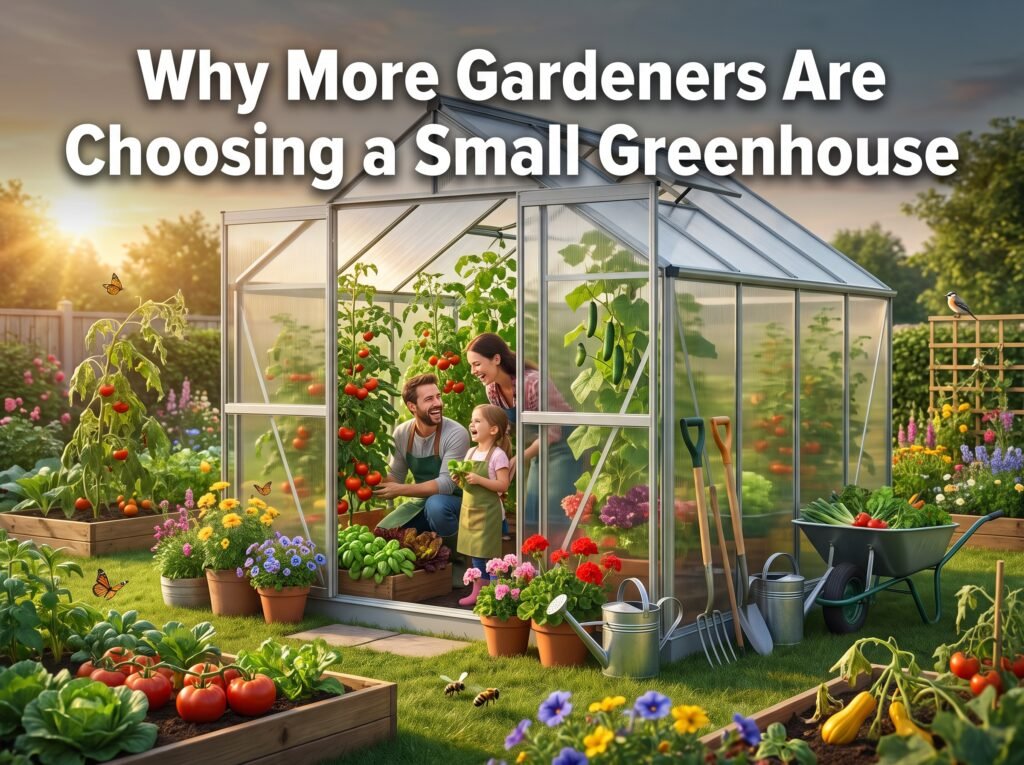
Gardening trends have changed significantly over the past decade. Urban living has reduced backyard sizes, while interest in home-grown food has increased dramatically. People now want practical gardening solutions that require less space but produce better results.
A small greenhouse perfectly meets these needs.
Instead of depending entirely on seasonal weather, gardeners gain much greater control over their plants’ environment. This control leads to healthier growth, higher productivity, and fewer gardening frustrations.
Small greenhouses are particularly attractive because they are:
- Affordable
- Easy to assemble
- Suitable for beginners
- Low maintenance
- Space-efficient
- Energy-efficient
- Highly versatile
Whether someone wants to grow vegetables for their family or simply enjoy beautiful flowers year-round, a small greenhouse provides an excellent starting point.
Small Greenhouse Benefits That Every Gardener Should Know
The greatest advantage of a small greenhouse is its ability to create an ideal growing environment while taking up very little space. Even a greenhouse measuring just a few square feet can dramatically improve gardening success.
Let’s explore the most important benefits in detail.
Extends the Growing Season
One of the biggest challenges gardeners face is the limited growing season. Outdoor gardens often depend entirely on spring and summer temperatures.
A small greenhouse changes that completely.
The transparent covering captures sunlight during the day and retains warmth overnight. This creates a warmer environment where plants continue growing even when outside temperatures begin to fall.
Instead of waiting until spring, gardeners can start seedlings weeks earlier. Likewise, vegetables and flowers can continue growing well into autumn and, in some climates, throughout winter.
This extended season means:
- Earlier harvests
- Longer harvest periods
- More planting opportunities
- Increased annual production
For many home gardeners, this benefit alone makes investing in a small greenhouse worthwhile.
Protects Plants from Harsh Weather
Weather is unpredictable.
Heavy rain, hailstorms, frost, high winds, and sudden temperature changes can destroy weeks or even months of gardening work.
A small greenhouse acts as a protective shield.
Inside the greenhouse, plants remain safe from:
- Strong winds
- Heavy rainfall
- Frost
- Snow
- Hail damage
- Sudden cold nights
This protection significantly reduces plant stress and increases survival rates.
Gardeners also avoid many common weather-related problems such as broken stems, waterlogged soil, and damaged flowers.
Creates a Stable Growing Environment
Healthy plants thrive in stable conditions.
Outdoor gardens experience constant fluctuations in:
- Temperature
- Humidity
- Wind
- Moisture
These changes often slow plant growth.
A small greenhouse creates a much more consistent environment where plants receive:
- Better temperature regulation
- Higher humidity
- Less environmental stress
- Improved moisture retention
This stability allows plants to spend more energy producing leaves, flowers, fruits, and vegetables instead of recovering from weather damage.
Produces Healthier Seedlings
Growing plants from seeds outdoors can be difficult.
Cold temperatures, heavy rain, insects, and birds often damage young seedlings before they become established.
Inside a small greenhouse, seedlings enjoy ideal conditions.
The warmer environment encourages faster germination while protecting delicate sprouts during their most vulnerable stage.
Healthy seedlings often develop:
- Stronger roots
- Thicker stems
- Better disease resistance
- Faster growth
Once transplanted outdoors, these stronger plants usually outperform those started directly in garden beds.
Increases Plant Survival Rates
Every gardener experiences plant losses.
Sometimes seedlings die after frost.
Sometimes vegetables fail because of pests.
Sometimes flowers struggle after heavy rain.
A small greenhouse greatly improves survival rates by reducing these risks.
Because plants remain protected during critical growth stages, fewer replacements are needed, saving both money and effort.
Makes Gardening Easier for Beginners
Many beginners become discouraged after repeated gardening failures.
Weather, pests, poor soil conditions, and unpredictable temperatures can make learning difficult.
A small greenhouse simplifies many of these challenges.
Instead of constantly fighting outdoor conditions, beginners enjoy a controlled environment where plants have a much higher chance of success.
This early success builds confidence and encourages people to continue gardening.
How a Small Greenhouse Saves You Money Throughout the Year
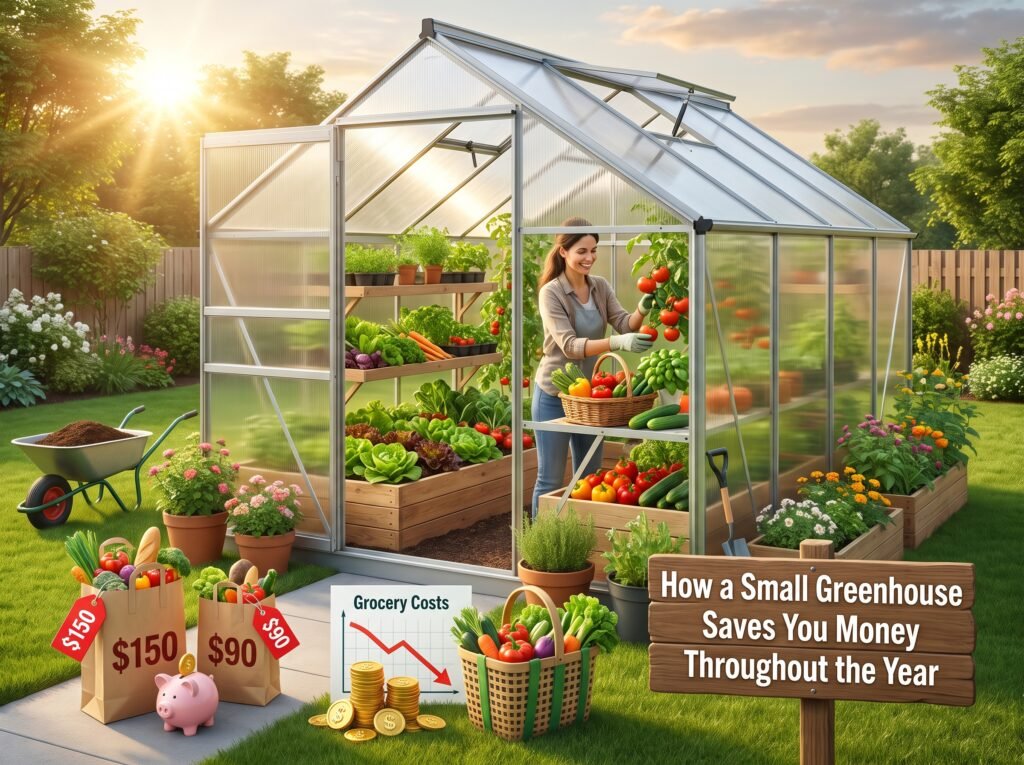
Many people assume buying a greenhouse is expensive.
In reality, a small greenhouse often pays for itself surprisingly quickly.
Let’s look at the financial advantages.
Reduces Grocery Bills
Fresh vegetables continue becoming more expensive every year.
Growing produce at home helps reduce household food expenses.
Common greenhouse crops include:
- Tomatoes
- Lettuce
- Spinach
- Cucumbers
- Bell peppers
- Herbs
- Strawberries
Instead of purchasing these regularly, gardeners can harvest fresh produce directly from their greenhouse.
Over time, these savings add up considerably.
Fewer Plant Replacements
Outdoor gardens frequently lose plants due to weather damage.
Replacing seedlings every season becomes expensive.
A small greenhouse protects plants during vulnerable stages, reducing unnecessary replacement costs.
Lower Pest Damage
Many insects find it harder to reach greenhouse plants.
Although greenhouses are not completely pest-free, they often experience fewer infestations than open gardens.
This means gardeners spend less money on pesticides and replacement plants.
Saves Water
Water conservation has become increasingly important.
A small greenhouse naturally reduces water loss because enclosed spaces experience lower evaporation.
Moisture remains in the soil longer, allowing gardeners to water less frequently.
Lower water usage benefits both the environment and household utility bills.
Grow Expensive Herbs at Home
Fresh herbs can be surprisingly expensive.
A greenhouse allows continuous production of:
- Basil
- Mint
- Rosemary
- Thyme
- Oregano
- Parsley
- Cilantro
Having fresh herbs available year-round adds value while reducing grocery expenses.
Why a Small Greenhouse Is Perfect for Limited Spaces
Not everyone owns a large backyard.
Fortunately, modern small greenhouse designs fit almost anywhere.
Whether someone lives in a suburban home or an apartment, compact greenhouse options make gardening accessible.
Popular installation locations include:
- Small patios
- Balconies
- Decks
- Side yards
- Courtyards
- Rooftops
- Tiny backyards
Even a greenhouse occupying only a few square feet can produce an impressive amount of fresh food.
This efficient use of space makes greenhouse gardening ideal for urban living.
Vertical Gardening Opportunities
One advantage of enclosed spaces is the ability to grow upward instead of outward.
Shelving systems allow multiple growing levels.
Hanging baskets provide additional planting areas.
Wall-mounted planters increase production without increasing floor space.
A small greenhouse encourages gardeners to think vertically, maximizing every available inch.
Better Organization
Unlike outdoor gardens where tools and plants may become scattered, a greenhouse encourages better organization.
Gardeners can create designated areas for:
- Seed trays
- Watering supplies
- Pots
- Fertilizers
- Gardening tools
- Plant labels
This organized layout makes daily gardening more enjoyable and efficient.
Enjoy Fresh Vegetables Nearly All Year with a Small Greenhouse
Nothing compares to harvesting fresh vegetables from your own garden.
With a small greenhouse, many crops can be grown far beyond their normal outdoor seasons.
Popular greenhouse vegetables include:
- Tomatoes
- Cucumbers
- Lettuce
- Kale
- Swiss chard
- Carrots
- Radishes
- Green onions
- Spinach
- Peppers
Instead of relying solely on grocery stores, families can enjoy healthier, fresher produce harvested just minutes before mealtime.
Home-grown vegetables often taste better because they are allowed to fully ripen before harvesting.
They also contain fewer preservatives and require less transportation, making them an environmentally friendly choice.
Start Growing Flowers Earlier Than Ever
Flowers benefit tremendously from greenhouse protection.
Annual flowers can be started weeks before outdoor planting.
This provides earlier blooms and a longer flowering season.
Popular greenhouse flowers include:
- Petunias
- Marigolds
- Begonias
- Geraniums
- Pansies
- Lavender
- Snapdragons
- Zinnias
Gardeners enjoy more colorful landscapes while reducing the cost of purchasing mature flowering plants from nurseries.
Grow Delicate Plants That Normally Wouldn’t Survive
Some plants simply cannot tolerate local climates.
A small greenhouse allows gardeners to grow species that would otherwise struggle outdoors.
Examples include:
- Orchids
- Citrus trees
- Tropical flowers
- Exotic herbs
- Succulents
- Rare ornamental plants
The controlled environment protects these sensitive plants from temperature extremes while providing ideal humidity levels.
Conclusion
A small greenhouse is far more than a simple garden structure. It is a practical solution for gardeners who want healthier plants, longer growing seasons, greater harvests, and better protection from unpredictable weather. Whether your goal is to grow fresh vegetables, vibrant flowers, aromatic herbs, or delicate tropical plants, a small greenhouse makes gardening more productive and enjoyable.
By creating a stable growing environment, reducing weather-related risks, saving money on groceries and plant replacements, and maximizing limited space, a small greenhouse becomes an investment that continues to deliver value year after year.
How to Choose the Best Small Greenhouse for Your Garden
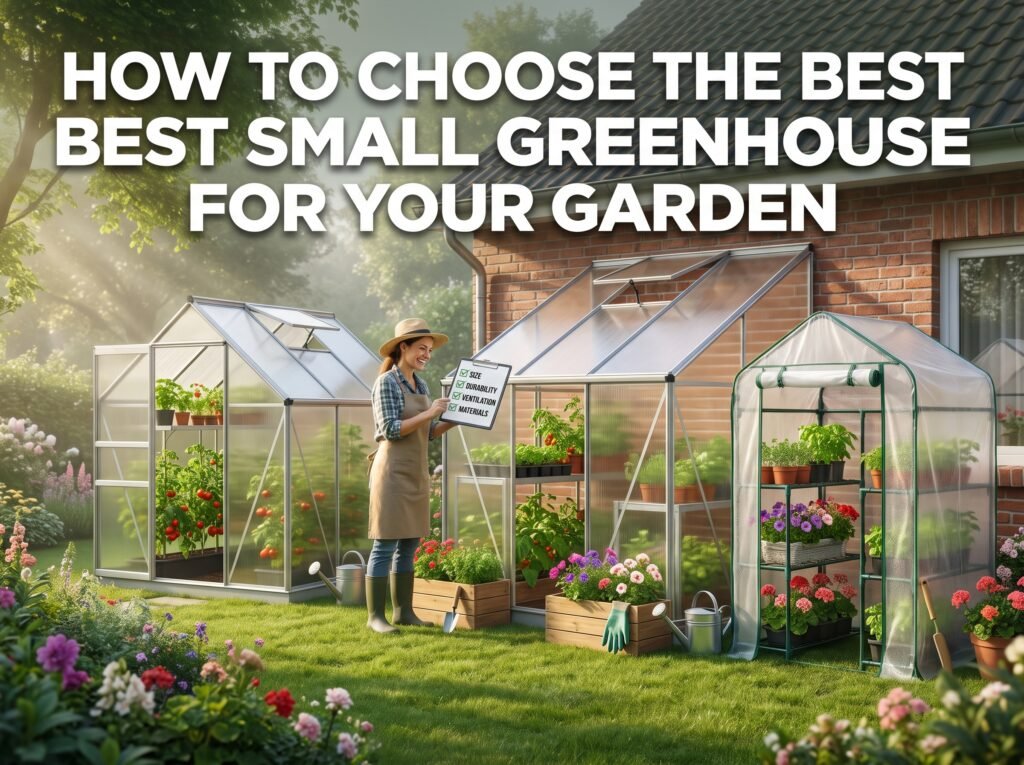
Selecting the right small greenhouse is one of the most important decisions you’ll make as a gardener. The ideal greenhouse should suit your available space, gardening goals, budget, and local climate. While many models look similar, the materials, design, ventilation, and durability can vary significantly.
Before making a purchase, think about what you plan to grow. If your primary goal is to start seedlings and grow herbs, a compact walk-in greenhouse may be enough. However, if you want to grow tomatoes, cucumbers, peppers, or climbing plants, you’ll need a taller model with more headroom and sturdy shelving.
The greenhouse frame also matters. Aluminum frames are lightweight, rust-resistant, and require little maintenance, while galvanized steel offers extra strength for areas with heavy winds or snow. Wooden frames provide a traditional appearance but need regular treatment to resist moisture.
The covering material is equally important. Polycarbonate panels are popular because they provide excellent insulation, diffuse sunlight evenly, and resist impacts better than glass. Plastic covers are more affordable but generally have a shorter lifespan. Glass offers exceptional clarity and an attractive appearance but is heavier and more fragile.
Choosing a quality small greenhouse from the beginning will save money, reduce maintenance, and provide years of successful gardening.
The Best Plants to Grow in a Small Greenhouse
One of the biggest advantages of owning a small greenhouse is the wide variety of plants you can successfully grow throughout the year. With controlled temperatures and better protection from the elements, many plants thrive far better than they would outdoors.
Vegetables are among the most rewarding greenhouse crops. Tomatoes, cucumbers, peppers, lettuce, spinach, kale, carrots, radishes, and green onions all grow exceptionally well. Many gardeners enjoy harvesting fresh produce months before their neighbors begin planting outdoors.
Herbs are another excellent choice because they require little space while providing fresh flavors for everyday cooking. Basil, parsley, cilantro, thyme, oregano, rosemary, dill, sage, and mint flourish in greenhouse conditions and can often be harvested repeatedly.
Flower lovers can enjoy colorful blooms throughout much of the year by growing petunias, geraniums, marigolds, pansies, begonias, impatiens, and snapdragons inside their greenhouse. These flowers also attract beneficial pollinators once moved outdoors.
Gardeners who enjoy experimenting can even grow citrus trees, orchids, succulents, tropical plants, and exotic flowers that would normally struggle in cooler climates.
Because growing conditions remain more stable, a small greenhouse opens opportunities that traditional outdoor gardening simply cannot provide.
Essential Maintenance Tips for a Small Greenhouse
A small greenhouse requires regular care to remain productive. Fortunately, maintenance is simple when performed consistently.
Cleaning should be one of your top priorities. Dirt and algae reduce the amount of sunlight entering the greenhouse, slowing plant growth. Washing the panels several times each year keeps light transmission high while improving the overall appearance of the structure.
Ventilation is equally important. Warm sunny days can quickly raise internal temperatures to unhealthy levels. Opening roof vents, side windows, or doors allows fresh air to circulate, preventing overheating while reducing humidity-related diseases.
Watering practices should also be monitored carefully. Greenhouse plants generally dry out differently than outdoor plants. Instead of following a fixed schedule, gardeners should check soil moisture regularly and water only when needed.
Regular inspections help identify pests before they become serious problems. Even though greenhouses reduce many insect issues, aphids, whiteflies, spider mites, and fungus gnats occasionally appear. Catching infestations early makes them much easier to control.
Shelves, benches, pots, and tools should also remain organized and sanitized. Clean growing areas reduce disease while making gardening more enjoyable.
With only a small amount of weekly maintenance, a small greenhouse can remain productive for many years.
Common Mistakes to Avoid When Using a Small Greenhouse
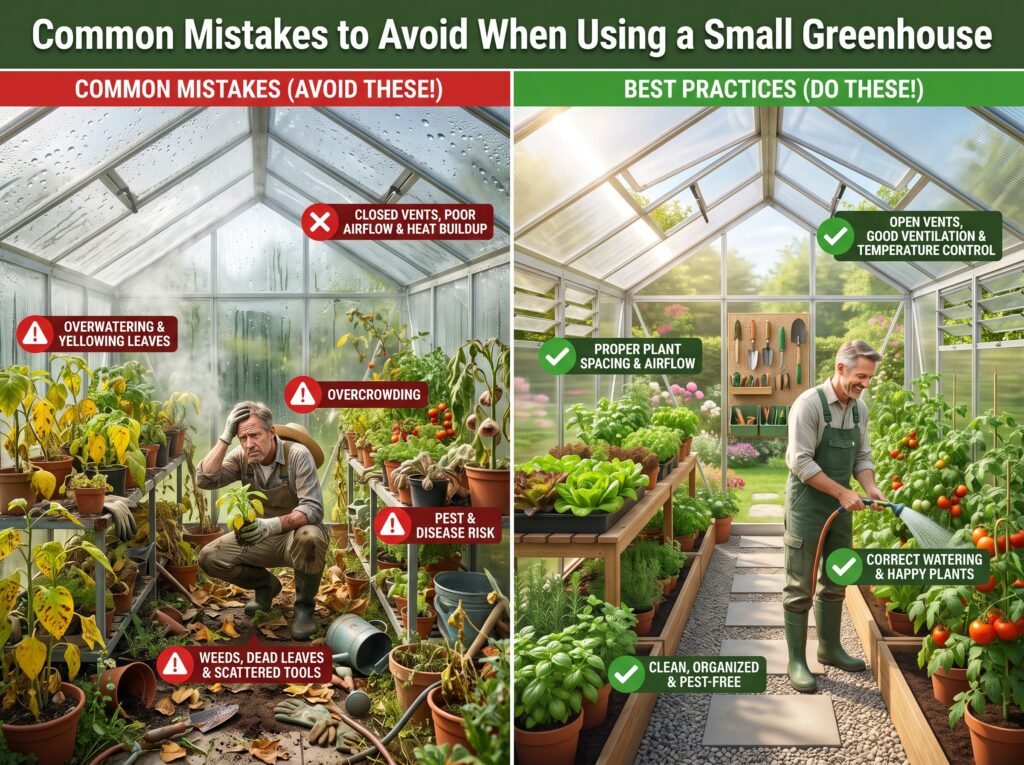
Many new greenhouse owners become so excited about planting that they overlook basic management practices. Avoiding a few common mistakes can dramatically improve your gardening success.
One frequent error is overcrowding. Filling every available space may seem efficient, but plants need proper airflow to reduce disease and encourage healthy growth. Leave enough room between containers to allow air circulation and easy maintenance.
Another mistake is ignoring ventilation. During sunny weather, greenhouse temperatures can rise rapidly. Without fresh air, plants may wilt, flowers may drop, and diseases can spread more easily.
Overwatering is another common problem. Because the greenhouse protects plants from rain, many gardeners assume they should water frequently. In reality, excessive watering often causes root rot and fungal diseases. Always check soil moisture before watering.
Poor sanitation can also create problems. Dead leaves, weeds, and old plant debris provide hiding places for insects and diseases. Cleaning regularly helps maintain a healthier growing environment.
Finally, many beginners neglect temperature monitoring. A simple thermometer allows gardeners to quickly recognize temperature changes and adjust ventilation or shading when necessary.
Learning from these common mistakes helps ensure your small greenhouse remains productive throughout every season.
How a Small Greenhouse Supports Sustainable Gardening
Sustainability has become an important goal for modern gardeners, and a small greenhouse supports environmentally friendly practices in many ways.
Growing food at home reduces the environmental impact associated with transporting produce over long distances. Vegetables harvested directly from your greenhouse require no commercial packaging, refrigeration, or lengthy shipping.
Water conservation is another major advantage. Because greenhouse conditions reduce evaporation, less water is needed to maintain healthy plants. Many gardeners also collect rainwater for greenhouse irrigation, further reducing water consumption.
Home composting becomes more valuable when combined with greenhouse gardening. Compost provides nutrient-rich organic matter that improves soil health while reducing household waste.
Growing your own herbs, vegetables, and flowers also decreases reliance on commercially grown plants, many of which require significant transportation and packaging before reaching garden centers.
By choosing a small greenhouse, gardeners contribute to a more sustainable lifestyle while enjoying fresher, healthier harvests.
Is a Small Greenhouse Worth the Investment?
For most home gardeners, the answer is yes.
Although purchasing a greenhouse requires an initial investment, the long-term benefits usually outweigh the cost. A well-maintained small greenhouse can provide years of productive gardening, healthier plants, reduced grocery expenses, and greater gardening satisfaction.
Instead of replacing weather-damaged plants each season, gardeners enjoy stronger seedlings, longer harvest periods, and more reliable growing conditions.
Many greenhouse owners also discover unexpected benefits. Gardening becomes less stressful, seasonal limitations become less restrictive, and experimenting with new plant varieties becomes much easier.
Whether you’re growing food for your family or flowers for enjoyment, a small greenhouse adds value to both your garden and your lifestyle.
Frequently Asked Questions About a Small Greenhouse
Can a small greenhouse stay outside all year?
Yes. Most quality greenhouses are designed for year-round outdoor use. Choosing a durable frame and covering material ensures better performance in changing weather conditions.
What vegetables grow best in a small greenhouse?
Tomatoes, cucumbers, peppers, lettuce, spinach, kale, carrots, herbs, radishes, and green onions are among the easiest and most productive greenhouse crops.
Does a small greenhouse need electricity?
No. Most home greenhouses rely entirely on sunlight and natural ventilation. However, gardeners in colder regions may choose to install heaters, fans, or grow lights for additional climate control.
How often should I water greenhouse plants?
Watering depends on the plant type, temperature, humidity, and soil conditions. Always check the soil before watering rather than following a fixed schedule.
Can beginners use a small greenhouse?
Absolutely. A small greenhouse is one of the easiest ways for beginners to improve gardening success because it protects plants from many common outdoor challenges.
How long does a small greenhouse last?
A high-quality greenhouse made with durable materials can last well over ten years, and many premium models remain functional for decades with proper maintenance.
Final Thoughts
A small greenhouse proves that successful gardening doesn’t require a large backyard or years of experience. With its ability to protect plants, extend growing seasons, improve harvests, and create an ideal growing environment, it offers tremendous value for gardeners of every skill level.
Whether your goal is harvesting fresh vegetables, growing fragrant herbs, nurturing colorful flowers, or experimenting with tropical plants, a greenhouse gives you greater control and more consistent results. It also encourages sustainable gardening by reducing waste, conserving water, and lowering dependence on store-bought produce.
Instead of letting changing weather determine your gardening success, you can create your own productive growing environment and enjoy healthier plants throughout much of the year.
Strong Call-to-Action (CTA)
Are you ready to transform your gardening experience? Investing in a small greenhouse is one of the smartest decisions you can make for healthier plants, longer growing seasons, and bigger harvests. Start by choosing a greenhouse that fits your space and gardening goals, then begin growing fresh vegetables, herbs, and flowers with confidence. Your future self—and your garden—will thank you.