A productive garden does not have to stop when the weather becomes unpredictable. With the right protection, you can start seedlings earlier, shield tender plants from wind and cold, and continue harvesting fresh crops well beyond the traditional growing season. The challenge is choosing the right structure for your space, budget, climate, and gardening goals.
That is where greenhouse kits, growing domes, and cold frames come in. Each option creates a useful growing environment, but they are not interchangeable. A greenhouse kit gives you a walk-in space for raising, protecting, and managing a wide range of plants. A growing dome provides a compact protective cover for individual plants or small beds. A cold frame offers a low-profile, efficient way to harden off seedlings and grow cool-season crops.
In this guide, you will learn how these three season-extending solutions work, what makes each one valuable, what to look for before buying, and how to use your chosen setup successfully. Whether you garden on a balcony, manage a large backyard plot, or want a simpler way to grow herbs and vegetables, this comparison will help you make a confident decision.
Greenhouse Kits That Make Year-Round Gardening Easier
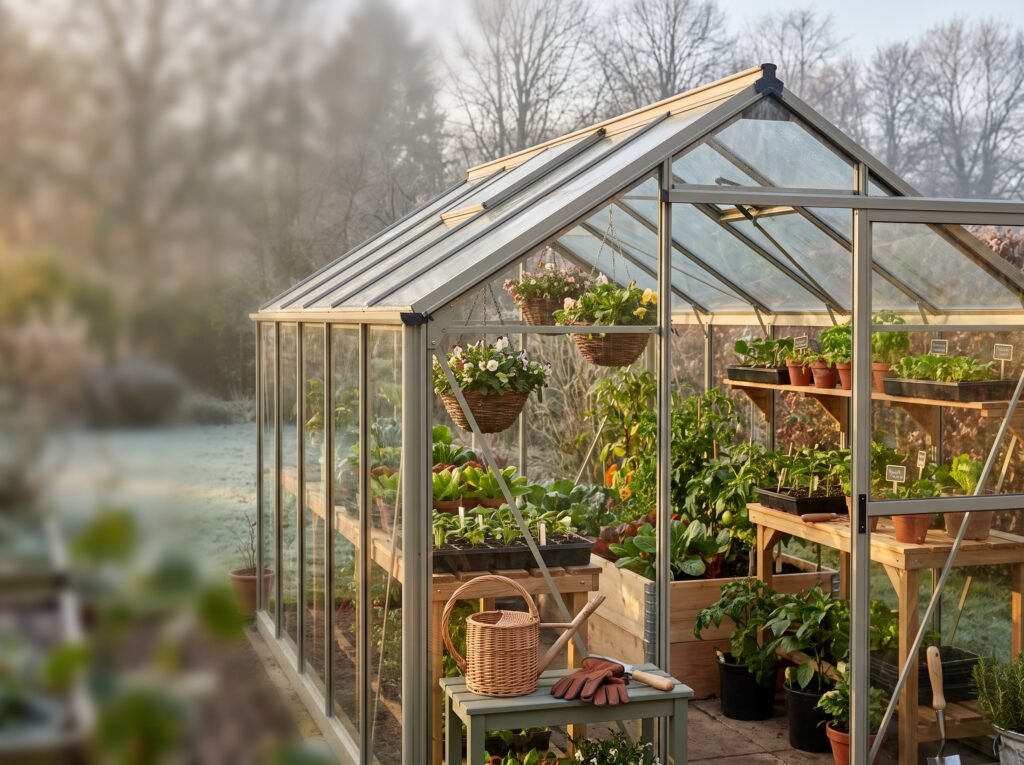
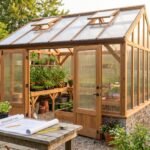
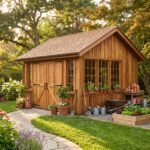
Among the many season-extending tools available, greenhouse kits are often the most versatile. Instead of designing a structure from individual materials, a kit usually provides the frame, covering, connectors, fittings, and basic instructions needed to assemble a ready-made growing space. Depending on the model, you may also find shelves, staging, doors, roof vents, automatic vent openers, or raised bases included in the package.
The main advantage is flexibility. Inside a greenhouse, you can start seeds, grow potted plants, protect young transplants, overwinter selected crops, and create separate areas for different stages of growth. You can also stand inside many greenhouse designs, making everyday tasks such as watering, pruning, tying, inspecting, and harvesting far more comfortable than working beneath a small cover.
A greenhouse does not eliminate the need for gardening knowledge. It creates a more controllable environment, but the gardener still has to manage temperature, moisture, airflow, light, pests, and plant spacing. In fact, the enclosed nature of a greenhouse makes observation especially important. On a bright day, temperatures can rise quickly, while still air and excess humidity may encourage plant problems. Effective ventilation is therefore an essential part of greenhouse management, not an optional extra.
What Is Included in a Greenhouse Kit?
Greenhouse kits vary widely, so reading the product specifications carefully is important. The frame may be made from aluminum, galvanized steel, wood, or another coated material. The covering may be glass, twin-wall polycarbonate, multiwall panels, or flexible polyethylene film. Each material affects light transmission, insulation, durability, appearance, maintenance, and price.
Small hobby kits are often designed for patios, balconies, and compact gardens. They may include a lightweight frame and transparent cover, with several shelves inside for trays and pots. Larger kits may have sliding doors, roof vents, full-height walls, reinforced panels, and enough room for benches or raised beds. Some are intended to sit on soil, while others need a firm foundation or prepared base.
Before purchasing, check whether the kit includes everything shown in the product photos. A base, shelving, anchoring hardware, staging, ventilation equipment, and rainwater accessories may be sold separately. Understanding the complete cost helps you compare products fairly and prevents an unpleasant surprise during installation.
How to Choose the Best Greenhouse Kit for Your Space
Start by measuring the area you have available, then allow additional room around the structure for assembly, cleaning, ventilation, and access. A greenhouse that technically fits into a narrow corner may be difficult to use if the door cannot open fully or if you cannot reach the panels for maintenance.
Sunlight is equally important. In most situations, a bright position with good daily light is preferable, but the exact placement depends on your local climate and the crops you plan to grow. Observe the proposed site at different times of day. Nearby walls, fences, trees, and buildings can cast seasonal shadows, and a position that looks sunny in summer may be much darker in winter.
Wind exposure should also influence your decision. A lightweight greenhouse kit needs reliable anchoring, especially in open areas. Even a strong frame can fail if the structure is not secured to a suitable base. If your garden experiences heavy snow, intense rain, or strong winds, look for a kit designed for those conditions and follow the manufacturer’s anchoring guidance.
Finally, think about your habits. If you prefer low-maintenance gardening, choose a design with durable panels, accessible vents, a wide door, and simple cleaning requirements. If you enjoy starting many plants from seed, prioritize usable internal space rather than exterior height alone. The best greenhouse kit is not necessarily the largest or most expensive option; it is the one you can comfortably maintain and use throughout the year.
Growing Domes for Compact, Targeted Plant Protection
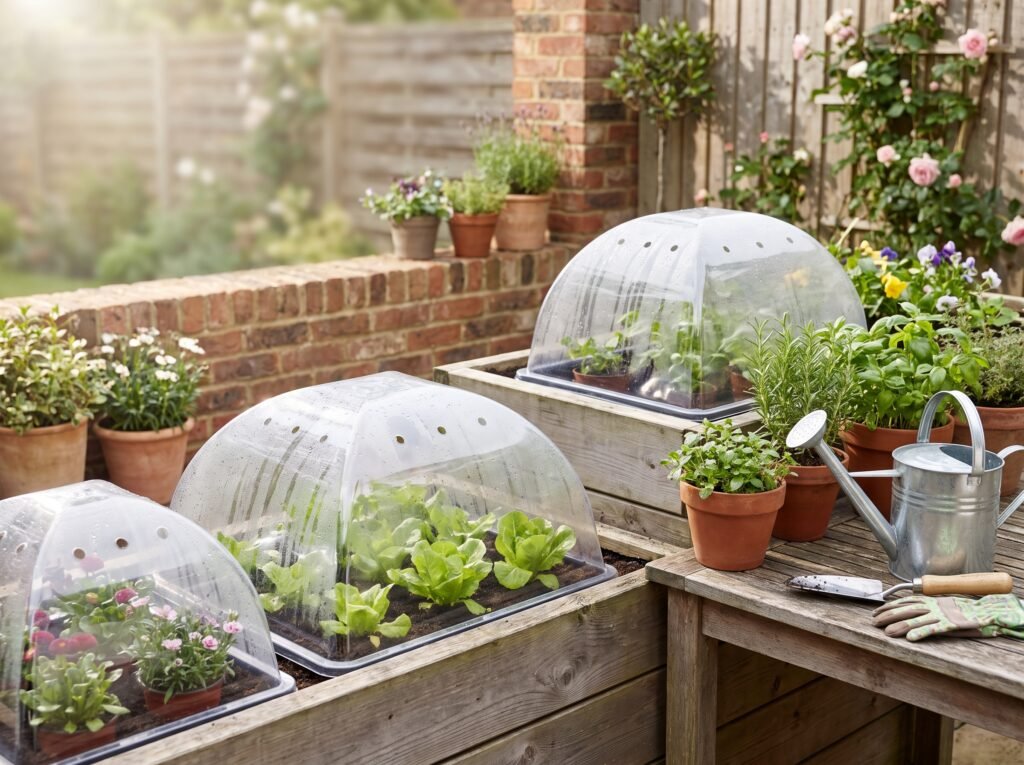
Growing domes are a practical choice when you want protection without committing to a full-size structure. They are transparent covers placed over individual plants, containers, propagation trays, or small sections of a garden bed. By creating a sheltered pocket of air, a dome can reduce exposure to cold wind, light frost, drying conditions, and sudden weather changes.
Their compact size makes them especially useful for gardeners who have limited room. A growing dome can sit on a balcony planter, a raised bed, or a container collection. It can also be placed over valuable seedlings during the vulnerable transition between indoor growing and outdoor planting.
The simplicity of a dome is its greatest strength. It can be installed quickly, moved as needed, and stored when the weather improves. It is also possible to use several domes in different parts of the garden, giving you targeted protection instead of heating and managing a larger enclosed space.
However, a growing dome has a smaller air volume than a greenhouse, which means conditions inside can change quickly. A sunny morning may create excessive heat by midday. Moisture can also collect on the inside surface, particularly when the soil is wet or airflow is limited. Check covered plants regularly and open or remove the dome when temperatures rise. A cover should protect plants, not trap them in a hot, stagnant environment.
When Should You Use a Growing Dome?
Growing domes are useful when plants need a temporary advantage. They can protect newly transplanted seedlings while roots become established, provide a buffer for sensitive herbs, and help extend the season for selected vegetables. They are also convenient for short-term weather protection when a late cold snap, strong wind, or heavy rain is forecast.
A dome is particularly helpful for gardeners who do not need a permanent growing structure. If your main goal is protecting a few tomato seedlings in spring or keeping a container of salad greens productive during a cool spell, a full greenhouse may be more capacity than you need.
Look for sturdy, transparent materials that allow good light penetration and resist cracking or becoming brittle. Ventilation openings, adjustable panels, secure edges, and sufficient height are valuable features. A dome should not press against foliage, because crowded leaves remain damp longer and may suffer physical damage.
Cold Frames: A Simple Way to Extend the Growing Season
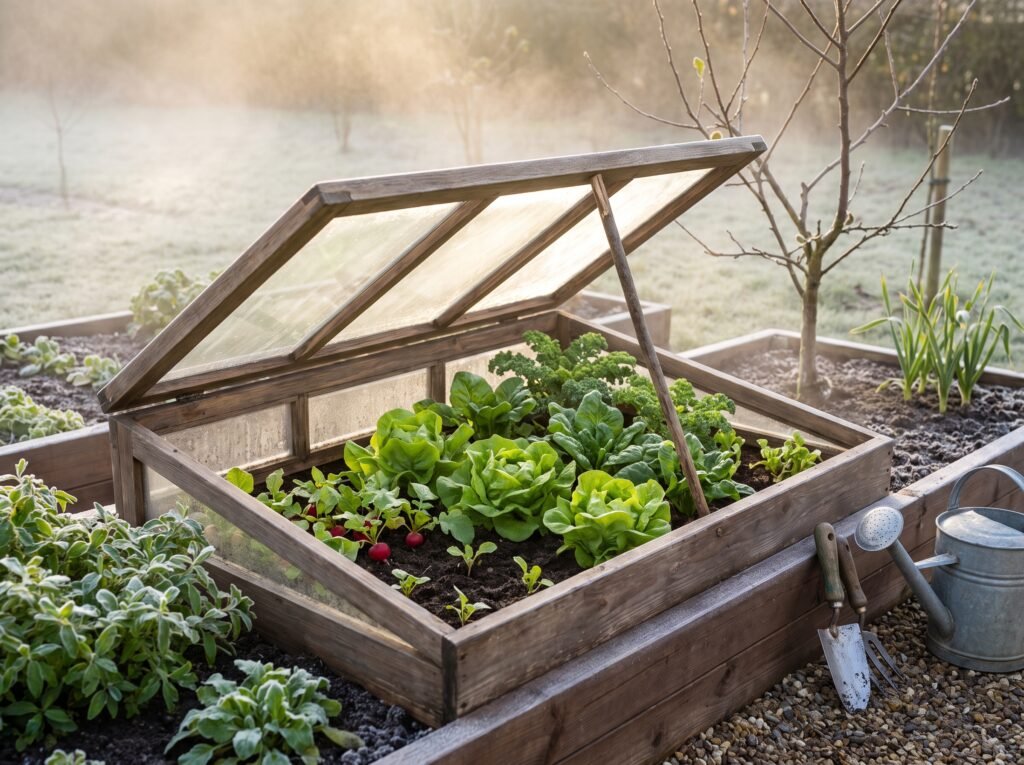
A cold frame is a low, transparent-topped structure that sits close to the ground. Traditionally, it consists of a box with a hinged lid, although modern versions may use polycarbonate panels, lightweight frames, or modular designs. Unlike a heated greenhouse, a cold frame generally relies on sunlight and the insulation provided by its enclosure rather than artificial heat.
Cold frames are well suited to cool-season crops such as lettuce, spinach, radishes, and other hardy greens. They can also be used to harden off seedlings before planting them permanently outdoors. Extension gardening guidance commonly identifies cold frames as useful tools for both cool-season production and transplant preparation.
Because cold frames are low and compact, they are efficient to operate. They require less covering material than a walk-in greenhouse, fit neatly beside raised beds, and can be positioned close to the kitchen for convenient harvesting. Their low profile may also reduce wind exposure, although the frame still needs to be stable and properly placed.
The lid is central to cold-frame success. Open it to release heat and humidity on mild or sunny days, then close it before temperatures fall. Automatic vent openers can reduce the risk of overheating if you are away during the day, but they should not replace regular inspection. A thermometer placed near plant height gives you a clearer picture of the conditions your crops are experiencing than an estimate based on outdoor temperature alone.
Cold Frame Versus Growing Dome
A cold frame and a growing dome perform similar protective roles, but their shapes and uses differ. A dome is usually placed over a plant, pot, or small area, while a cold frame provides a more stable bed-like growing space. Cold frames are often easier to organize for multiple trays or rows of greens, whereas domes are easier to move and deploy in different locations.
Choose a cold frame when you want a defined mini-bed for repeated seasonal use. Choose a dome when you value portability, quick installation, and individual plant protection. Both options can work well alongside greenhouse kits, creating several layers of protection across the garden.
Greenhouse Kits, Growing Domes, or Cold Frames: Which Is Right for You?
The best choice depends on how much space you have, how many plants you want to protect, and how involved you want your growing system to be. A greenhouse kit offers the greatest capacity and versatility. A growing dome is the most targeted and portable. A cold frame occupies the middle ground by offering a dedicated, low-maintenance growing area without requiring a walk-in structure.
| Feature | Greenhouse kits | Growing domes | Cold frames |
| Best for | Seed starting, potted plants, larger collections, overwintering | Individual plants, containers, temporary protection | Cool-season crops, hardening off, compact garden beds |
| Space required | Moderate to large, depending on design | Very small | Small to moderate |
| Portability | Usually limited after installation | High | Moderate |
| Access | Walk-in or full-height access on larger models | Lift-off or hinged access | Hinged top access |
| Climate control | Highest potential, with vents and accessories | Limited and fast-changing | Moderate, mainly through lid management |
| Ideal gardener | Anyone wanting a flexible growing workspace | Anyone needing simple targeted protection | Anyone wanting an efficient mini growing space |
Many gardeners do not have to choose only one. A greenhouse kit can serve as the main propagation and growing area, while cold frames harden off plants before they move outdoors. Growing domes can then protect newly planted specimens in the garden. This layered approach makes it easier to match the level of protection to each plant’s stage of growth.
How to Get Better Results from Any Protected Growing Space
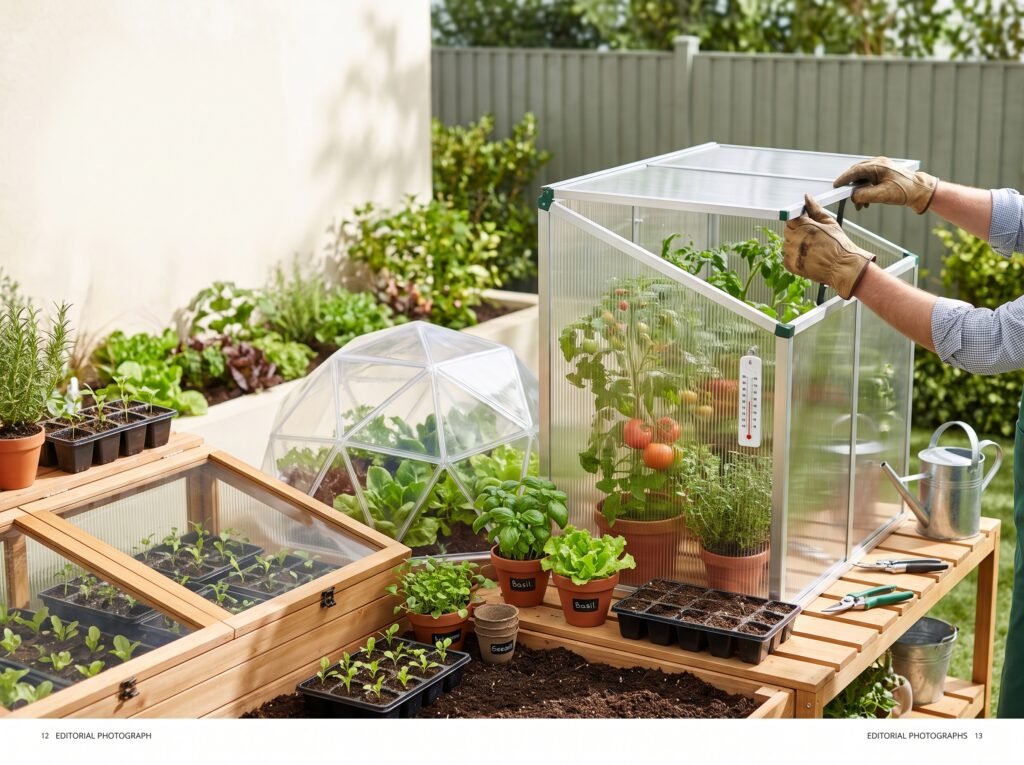
Good results begin with preparation. Before placing plants inside a greenhouse, dome, or cold frame, clean the structure and remove old leaves, weeds, and damaged plant material. A tidy environment makes it easier to spot pests and disease early. Use clean containers and fresh, suitable growing media for seedlings, and avoid crowding plants simply because protected space feels valuable.
Water thoughtfully. Enclosed structures often dry out differently from open beds, and the surface of the soil may not tell you what is happening deeper down. Check moisture at root level and water according to the crop, container, weather, and stage of growth. Avoid creating persistently wet conditions, particularly where airflow is poor.
Ventilate before plants show stress. Open greenhouse doors, roof vents, cold-frame lids, or dome vents when conditions become warm and close them again as temperatures drop. Ventilation brings in outdoor air, releases excess heat, and helps reduce humid, stagnant conditions around foliage.
Plan for temperature swings rather than focusing only on cold weather. Protection from frost is valuable, but overheating can damage plants just as quickly. Use shade cloth where appropriate, monitor temperatures, and learn how fast your structure warms on bright days. A maximum-minimum thermometer is a simple investment that can reveal patterns you would otherwise miss.
Pest prevention also matters. A protected space is not automatically pest-free. Inspect the undersides of leaves, new growth, stems, and soil surfaces. Isolate suspicious plants before problems spread. Keep doors, covers, and vents in good condition, but remember that healthy airflow and sensible spacing are as important as physical barriers.
A Practical Buying Checklist for Greenhouse Kits and Protective Covers
When comparing products, look beyond the advertised dimensions. Ask how much usable growing room remains after shelves, supports, and paths are installed. Consider whether the door is wide enough for trays and equipment, whether vents are positioned to encourage airflow, and whether replacement panels or covers can be purchased later.
Durability should be assessed in relation to your local weather. Lightweight materials may be appropriate for sheltered patios, while exposed gardens may require reinforced frames and strong anchoring. Read the installation requirements before ordering. Some structures are straightforward weekend projects; others may need a prepared foundation and more than one person to assemble safely.
Think about future needs as well. If you expect your collection of seedlings, herbs, or container plants to grow, a slightly larger structure may be more economical than replacing a small one quickly. At the same time, avoid buying a structure so large that it becomes difficult to heat, ventilate, clean, or fill productively.
A useful buying decision balances four questions: What will you grow? Where will the structure go? How much time can you spend managing it? What weather must it withstand? Answering these questions first will help you choose with confidence instead of selecting a product based only on appearance or price.
Common Mistakes to Avoid with Greenhouse Kits, Growing Domes, and Cold Frames
One of the most common mistakes is assuming that a transparent cover provides automatic protection in every situation. Covers change the environment, but they also introduce new responsibilities. Plants still need appropriate light, water, nutrients, spacing, and airflow.
Another mistake is placing a greenhouse or cold frame in a convenient but overly shaded location. Easy access is important, yet insufficient light can limit growth and make the structure less useful. Take time to observe the site before installation.
Gardeners also sometimes close structures tightly at the first sign of cold weather. While this may conserve warmth overnight, it can lead to excessive daytime heat and humidity. Develop a routine of checking the weather and inspecting the plants rather than relying on a fixed schedule alone.
Finally, do not underestimate anchoring and maintenance. Tighten loose fittings, repair torn covers, clean transparent panels, clear blocked vents, and inspect hinges before severe weather arrives. A few minutes of maintenance can protect your investment and keep the growing environment more consistent.
Build a More Productive Garden with the Right Protection
The right season-extending structure can change how you garden. Greenhouse kits provide room to experiment, propagate, and grow a wider range of plants. Growing domes offer quick, focused protection when a few plants need extra help. Cold frames create an efficient microclimate for hardy greens, seedlings, and transitional crops.
Instead of asking which option is universally best, ask which option best matches your garden. If you want a dedicated growing workspace, begin by comparing greenhouse kits with strong frames, practical ventilation, and enough usable room for your plans. If you need a simple solution for containers or a small bed, explore growing domes. If you want compact season extension with minimal construction, a cold frame may be the ideal starting point.
Your garden does not need to be large to benefit from protected growing. Start with the crops you use most, choose a structure you can manage consistently, and expand your system as your confidence grows. With thoughtful placement, regular monitoring, and the right level of protection, you can enjoy healthier plants, earlier harvests, and a more rewarding growing season.
Ready to grow for longer? Explore greenhouse kits, growing domes, and cold frames today, then choose the solution that gives your plants the dependable protection they need. Make your next season more productive by investing in a growing setup designed around your garden, your climate, and your goals.
Frequently Asked Questions About Greenhouse Kits and Season Extension
Are greenhouse kits suitable for beginners?
Yes. A greenhouse kit can be an excellent introduction to protected growing because the main structural components are designed to work together. Beginners should start with easy crops, monitor temperature and moisture regularly, and learn how ventilation affects the space before adding more demanding plants.
Do greenhouse kits need a foundation?
The answer depends on the model, location, and local weather. Some small kits can be secured to a firm surface, while larger or exposed structures benefit from a stable base and reliable anchoring. Always follow the installation instructions supplied with the specific kit.
Can a cold frame replace a greenhouse?
A cold frame can replace a greenhouse for certain goals, especially growing cool-season greens, hardening off seedlings, or protecting a small number of plants. It cannot provide the same headroom, capacity, or access as a walk-in greenhouse, so the best choice depends on what you want to grow.
How do I stop a growing dome from overheating?
Monitor the temperature inside the dome and use vents or lift the cover during warm, bright periods. Remove or reposition the dome when plants no longer need protection. Regular observation is more reliable than leaving a cover closed all day throughout the season.
Are greenhouse kits worth the investment?
They can be worthwhile when you use the space regularly for propagation, container growing, plant protection, or season extension. Compare the total cost, including the base, shelves, anchoring, ventilation, and possible replacement parts, with the value and convenience the structure will provide over time.