A greenhouse can completely change the way you grow plants, vegetables, herbs, flowers, and seedlings at home. However, one of the most important parts of any greenhouse is often the part that receives the least attention: the glazing. The type of greenhouse glass you choose affects light levels, temperature control, strength, safety, appearance, maintenance, and even how comfortable the greenhouse is to use throughout the year. Choosing the right glass can therefore make a major difference to the performance and lifespan of your greenhouse.
For many gardeners, greenhouse glass remains one of the most attractive and practical glazing options because it provides excellent visibility and a traditional appearance. Glass can allow plenty of natural light into the growing space while creating the classic look associated with high-quality garden greenhouses. It is also available in several forms, including standard horticultural glass, toughened glass, and specialist options designed for improved safety or insulation.
The challenge is knowing which type is suitable for your greenhouse. A small greenhouse in a sheltered garden has different requirements from a large aluminium greenhouse exposed to strong winds. A family garden may place a higher priority on safety, while a serious grower may be more concerned about light transmission, cleaning, heat retention, and year-round performance.
This detailed guide explains what you need to know before choosing greenhouse glass. You will learn how different types compare, what makes one option safer than another, how glass affects plant growth, how to clean and maintain it, what to look for when replacing damaged panes, and whether investing in better glazing is worthwhile.
Why Greenhouse Glass Matters More Than You Think
The glazing of a greenhouse is not simply there to keep rain and cold air out. It plays an active role in creating the environment inside the structure. Sunlight passes through the glazing and warms the growing area, while the structure helps protect plants from wind and sudden weather changes. The quality and design of the glazing influence how effectively this environment works.
Table of Contents
Good greenhouse glass can provide excellent levels of natural light while allowing you to enjoy clear views of your plants and growing space. This is one reason traditional glass greenhouses remain popular even with the availability of polycarbonate and other modern materials.
Glass also has a timeless appearance. A well-maintained glass greenhouse can look like a permanent feature of the garden rather than a temporary growing structure. For homes with traditional gardens, patios, period properties, or carefully designed outdoor spaces, the appearance of glass can be especially appealing.
Another major advantage is durability. Although glass can break under impact, quality greenhouse glazing can last for many years when properly installed and maintained. It does not become cloudy in the same way as some plastics can, and its transparency can remain excellent over a long period.
This makes greenhouse glass an important investment rather than a minor accessory. Selecting the right glazing at the beginning can help you avoid unnecessary replacement costs later.
Greenhouse Glass: Which Type Is Best for Your Garden?
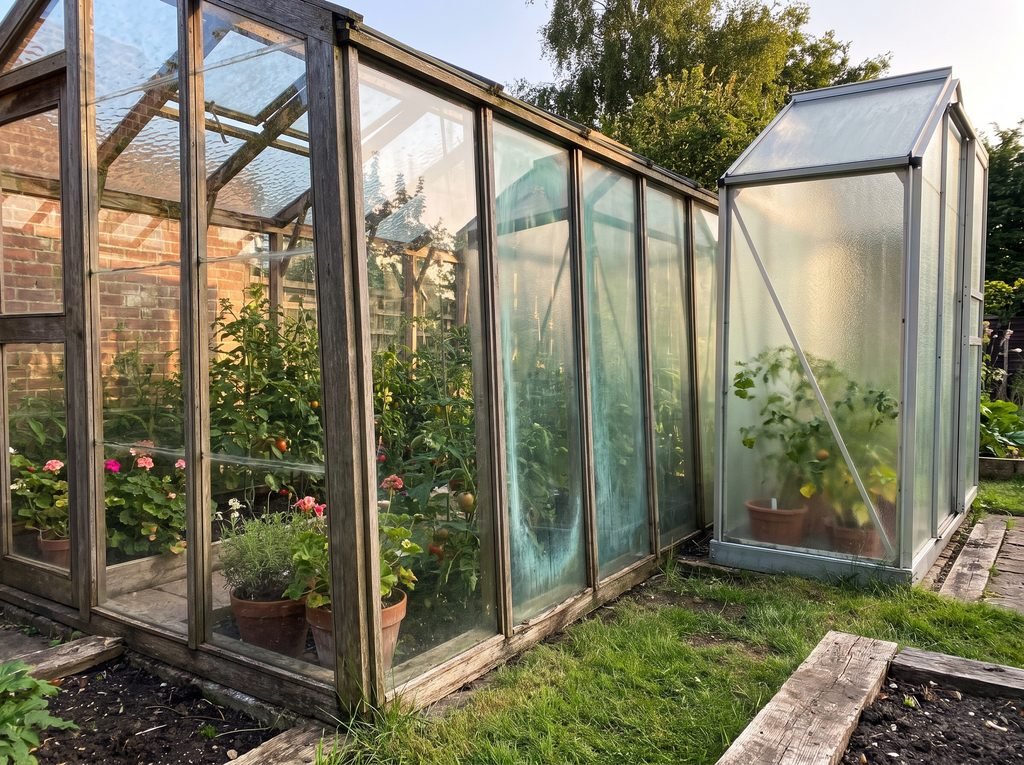
There is no single glazing solution that is perfect for every gardener. The best greenhouse glass depends on the greenhouse design, location, budget, safety requirements, and plants you intend to grow.
Standard Horticultural Glass
Standard horticultural glass is a traditional option that has been used for garden greenhouses for many years. It is designed to provide a clear growing environment while maintaining the classic appearance associated with conventional greenhouses.
One of the main attractions of horticultural glass is its clarity. It can allow strong levels of natural daylight into the greenhouse, which is useful for plants that need plenty of light. Clear glazing can also make the greenhouse feel open and bright rather than enclosed.
The downside is that standard glass is more vulnerable to impact than toughened alternatives. This means gardeners need to pay attention to location and maintenance. A greenhouse positioned near active play areas, paths, pets, or equipment may require a safer glazing option.
Toughened Greenhouse Glass
Toughened glass is designed with safety and durability in mind. It undergoes a special heat-treatment process that increases its strength compared with ordinary glass.
When toughened greenhouse glass does break, it is designed to crumble into many smaller pieces rather than producing the large sharp shards associated with ordinary broken glass. This makes it a popular choice for gardeners who want additional safety around the greenhouse.
Toughened glazing can be especially useful for family gardens, busy outdoor spaces, and larger greenhouses where accidental impact is more likely. It can also be a sensible long-term upgrade if safety is one of your main concerns.
Although toughened glass usually costs more than basic horticultural glazing, many gardeners consider the additional peace of mind worthwhile.
Safety Glass for Busy Gardens
A greenhouse located beside a lawn, walkway, children’s play area, or frequently used patio should receive extra consideration when selecting its glazing. In these situations, safety can become just as important as appearance or price.
Choosing a suitable safety-focused form of greenhouse glass can reduce the potential danger associated with accidental breakage. The correct option will depend on the manufacturer’s design and the greenhouse frame, so always check compatibility before purchasing replacement panes.
Specialist Greenhouse Glazing
Some greenhouse manufacturers offer specialist glass designed around particular performance goals. These products may be intended to manage sunlight, improve safety, reduce glare, or offer other benefits.
Specialist glazing can make sense for dedicated growers, but it is important to avoid paying for features that do not provide meaningful value for your particular garden. A good quality standard or toughened product may be more than enough for many home growers.
How Greenhouse Glass Affects Plant Growth
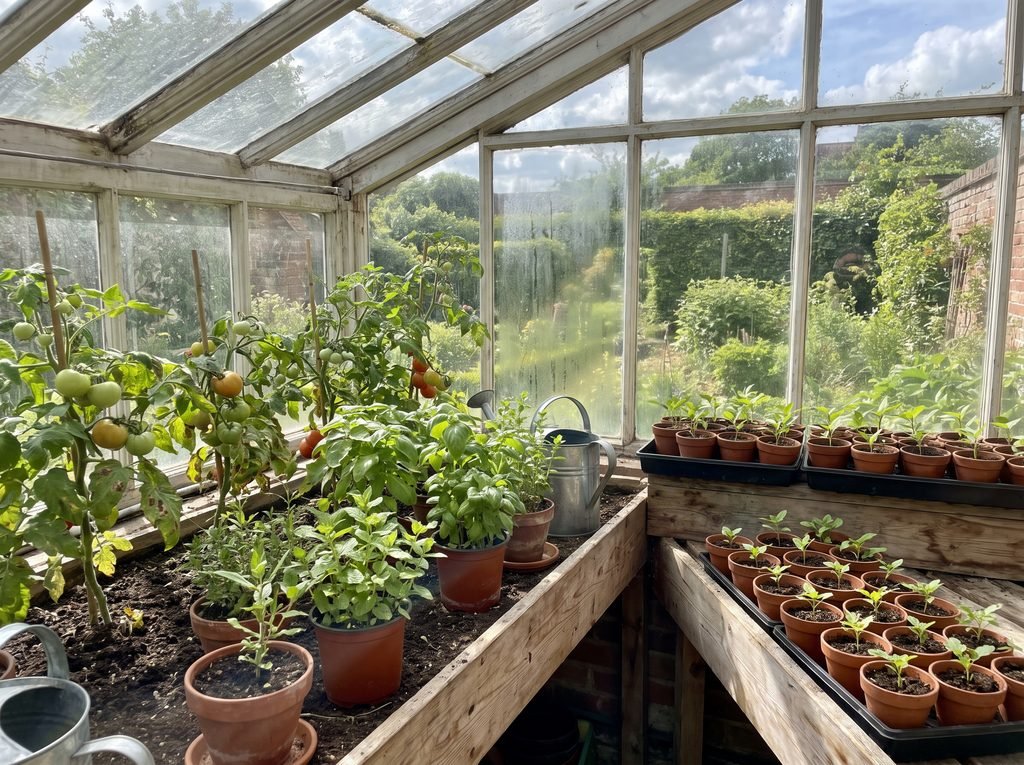
Light is one of the foundations of successful greenhouse growing. Plants use light to drive photosynthesis, which allows them to produce energy for growth. Because greenhouse glass controls how much daylight enters the structure, glazing can have a direct influence on growing conditions.
Clear glass is particularly attractive because it can provide a bright and natural environment. This can be beneficial for vegetables, flowers, herbs, and seedlings that require good levels of light.
However, more light does not automatically mean better growth. Excessive heat and intense sunlight can create problems during warmer months. A greenhouse that receives strong sunlight for long periods may need ventilation, shading, or other methods of temperature management.
The best approach is to think of greenhouse glass as one part of the overall growing system. Ventilation, shading, watering, insulation, greenhouse orientation, and plant selection all work together.
Does Thicker Greenhouse Glass Mean Better Performance?
Thickness alone is not always the deciding factor. The quality, type, treatment, installation, and suitability of the glazing matter as well.
A thicker pane may provide useful physical properties, but the correct specification depends on the greenhouse design and manufacturer. Using glass that is too heavy or unsuitable for the frame can create installation and structural issues.
For replacement work, it is much better to use the exact glazing specification recommended for your greenhouse rather than choosing a pane simply because it appears stronger.
How Greenhouse Glass Handles Different Weather Conditions
One of the main jobs of a greenhouse is to provide shelter from changing outdoor conditions. Rain, wind, frost, sunlight, and temperature swings can all affect the growing environment.
Quality greenhouse glass can handle normal outdoor exposure for many years when installed correctly. However, the frame and installation system are just as important as the glazing itself.
Strong winds can place pressure on greenhouse panes, particularly if clips, seals, glazing beads, or frame components are damaged. Loose panes should never be ignored because movement can increase the risk of breakage.
During winter, frost and low temperatures create additional challenges. Glass itself does not suddenly become unusable in cold weather, but the greenhouse can lose heat quickly because glass is not an especially strong thermal insulator compared with some multi-layer plastic materials.
This does not mean glass greenhouses cannot be used successfully in winter. Many gardeners grow winter salads, herbs, hardy vegetables, and overwintering plants in them. The key is to understand how quickly the interior temperature can fall and use appropriate ventilation, insulation, or heating when necessary.
Is Greenhouse Glass Better Than Polycarbonate?
The comparison between glass and polycarbonate is one of the most common questions asked by greenhouse owners. Both materials have advantages, and the right choice depends on what matters most to you.
Glass generally offers superior clarity and a more traditional appearance. It can make the greenhouse feel bright, elegant, and visually connected to the garden. For gardeners who value aesthetics and long-term transparency, greenhouse glass can be difficult to beat.
Polycarbonate is typically lighter and more impact-resistant. It can also offer useful insulating properties depending on the type and structure of the sheet. These characteristics may appeal to gardeners who are particularly concerned about safety, weight, or heat retention.
However, polycarbonate can have a different appearance from glass, and some products may gradually show signs of weathering over time.
For a classic garden greenhouse where appearance, clarity, and long-term visual quality matter, glass is often the preferred choice. For environments where impact resistance and insulation are higher priorities, polycarbonate can be worth considering.
Greenhouse Glass and Heat Retention
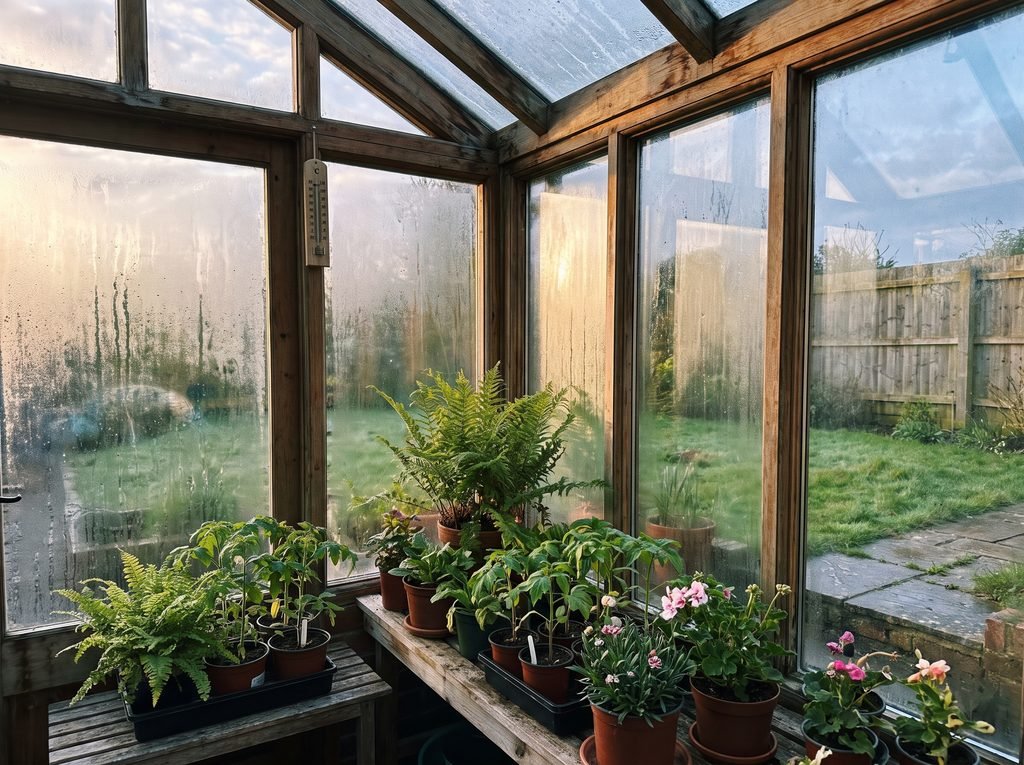
One common misunderstanding is that glass itself keeps a greenhouse warm simply because it lets sunlight in. The reality is more complicated.
During the day, sunlight passes through the glazing and helps warm the internal environment. But after sunset, the greenhouse can lose heat relatively quickly. This is particularly noticeable during colder nights.
The thermal performance of a greenhouse depends on the glazing, frame, ventilation, gaps, insulation measures, and heating system. Standard greenhouse glass offers clarity but does not provide the same insulation characteristics as some multi-wall polycarbonate systems.
Gardeners who want to extend the growing season can improve performance with methods such as horticultural fleece, bubble wrap designed for greenhouse use, insulated areas, thermal screens, or efficient heating systems.
The aim is not necessarily to prevent all heat loss but to manage it intelligently according to the plants you are growing.
Can Greenhouse Glass Keep Plants Warm in Winter?
A glass greenhouse can certainly be used during winter, but it should not be treated as a naturally warm environment.
On sunny winter days, the greenhouse may warm considerably above the outside temperature. At night, however, the interior temperature can fall rapidly. This makes crop selection especially important.
Cold-tolerant crops such as winter lettuce, spinach, certain herbs, onions, and hardy seedlings can be easier to manage than tropical plants.
If you are growing plants that require consistently warm conditions, you may need supplementary heating and additional insulation.
Choosing Greenhouse Glass for Safety
Safety deserves serious attention when buying or replacing glazing. Broken glass can create hazards, particularly in areas used by children, pets, or visitors.
Toughened greenhouse glass can provide an important safety advantage because of the way it breaks when subjected to significant impact. Even so, gardeners should not assume any glass is completely impact-proof.
Safe installation is equally important. Every pane should be correctly fitted into the frame, and damaged clips or seals should be repaired promptly.
Never attempt to force an incorrectly sized pane into a greenhouse frame. A pane that does not fit properly can become unstable and may be more likely to crack.
How to Measure Greenhouse Glass Correctly
Replacing broken glazing requires accurate measurements. Taking shortcuts here can lead to the wrong pane being ordered.
Start by identifying whether you are measuring the actual glass or the opening in the frame. Manufacturers may specify glass dimensions differently, so always check their instructions before ordering.
Measure width and height carefully, preferably in several places. If the opening is slightly irregular, record the smallest dimensions rather than assuming the entire area is perfectly square.
It is also helpful to identify the exact greenhouse model and manufacturer where possible. Many companies offer replacement greenhouse glass specifically designed for their products.
If a pane is broken and measurement is difficult, check whether the manufacturer provides a replacement glazing chart. This can be more reliable than guessing dimensions yourself.
Replacing Broken Greenhouse Glass
A broken greenhouse pane should be dealt with as soon as possible. Leaving a damaged section exposed can allow rain and wind to enter and may create further structural problems.
Before replacing the pane, clear the area carefully and remove all broken pieces using appropriate protective equipment. Do not handle broken glass with bare hands.
Inspect the frame after removing the old pane. Check for bent aluminium, damaged timber, worn clips, cracked seals, or other problems that could affect the replacement.
The new piece of greenhouse glass should fit correctly without excessive force. Once installed, make sure it is properly secured according to the greenhouse manufacturer’s method.
If you are uncomfortable working with glass, hiring an experienced glazing professional can be a sensible choice. A correctly installed pane is safer and more likely to last.
How to Clean Greenhouse Glass for Better Light
Clean glazing allows more natural light into the greenhouse, which is why regular cleaning can be surprisingly valuable.
Dust, dirt, algae, bird deposits, and other debris can accumulate on the roof and side panes. Over time, this can reduce the amount of light reaching your plants.
Cleaning greenhouse glass does not need to be complicated. A soft brush or sponge, clean water, and a suitable mild cleaning method can often remove everyday dirt. Avoid harsh techniques that could scratch the surface or damage seals and surrounding materials.
Spring and early autumn are convenient times for thorough cleaning, although the actual schedule depends on the location and surrounding trees.
Be particularly careful when cleaning roof panes. Never place your weight directly on greenhouse glazing or climb onto the roof unless the structure has been specifically designed for safe access.
Greenhouse Glass and Condensation
Condensation is common in greenhouses, particularly when warm moist air meets cooler glass surfaces. It can appear on the inside of the glazing during mornings or overnight.
A small amount of condensation is normal. The bigger concern is persistent moisture combined with poor ventilation.
Excess humidity can encourage fungal problems, algae, and other unwanted conditions. It can also make the greenhouse feel damp and uncomfortable.
Good ventilation can make a major difference. Opening roof vents and doors at appropriate times allows moist air to escape and helps regulate temperature.
The goal is not to eliminate every drop of condensation but to maintain a balanced growing environment.
Improving Greenhouse Glass Performance in Summer
Summer introduces the opposite challenge to winter. Instead of trying to retain warmth, gardeners often need to prevent the greenhouse from becoming excessively hot.
Strong sunlight passing through greenhouse glass can quickly raise internal temperatures. On very warm days, the greenhouse may become too hot for some plants.
Automatic roof vents can be especially helpful because they open as the temperature increases. Manual doors and vents can also be used to create airflow.
Shading can provide another layer of protection. Shade paint, blinds, mesh, or other suitable greenhouse shading systems can reduce intense sunlight during the hottest periods.
Watering should also be managed carefully. Plants may require more frequent moisture in hot weather, but overwatering can create a different set of problems.
The Importance of Greenhouse Orientation
The type of greenhouse glass you choose is only part of the equation. The position of the greenhouse can strongly influence the amount of light it receives.
A greenhouse placed where it receives useful natural light can perform far better than one surrounded by heavy shade.
Avoid locations where nearby buildings, dense trees, or tall fences block sunlight for much of the day, especially if you plan to grow light-demanding crops.
At the same time, a completely exposed position may experience strong wind and greater temperature fluctuations. A sheltered but bright position is often a useful compromise.
Greenhouse Glass for Small Greenhouses
Small greenhouses can benefit greatly from quality glazing because they often heat up and cool down faster than large structures.
For compact garden greenhouses, clear glass can create a pleasant bright environment without making the structure visually heavy. Toughened options can be particularly attractive where the greenhouse is close to paths or active parts of the garden.
Because small greenhouses have limited internal space, ventilation is especially important. Temperatures can rise rapidly when sunlight hits the greenhouse glass.
Even a well-glazed mini greenhouse can become extremely warm if the doors and vents remain closed during strong summer sunshine.
Greenhouse Glass for Large Greenhouses
Large greenhouses may require more careful planning because they contain more glazing and have greater structural demands.
Wind exposure, frame design, roof dimensions, ventilation systems, and maintenance access can all become more important.
The total investment in greenhouse glass can also be significant for a large structure, so it makes sense to choose the glazing specification carefully rather than focusing only on the cheapest initial price.
A large greenhouse can be an excellent long-term investment for serious gardeners, particularly when it is designed for efficient ventilation and easy maintenance.
Greenhouse Glass for Growing Vegetables
Vegetables such as tomatoes, cucumbers, peppers, aubergines, and many salad crops can perform very well under greenhouse conditions.
Clear glazing can help provide the natural light needed for strong growth. However, vegetables also require good airflow and temperature management.
Tomatoes, for example, can suffer when humidity remains high and air circulation is poor. A greenhouse with clean greenhouse glass, effective vents, and sensible plant spacing can provide a much more productive growing environment.
The glazing itself cannot guarantee a good harvest, but it contributes to the overall conditions that make successful growing possible.
Greenhouse Glass for Flowers and Ornamental Plants
Flower growers can benefit from the visual clarity of glass because it creates a bright and attractive environment for ornamental plants.
A glass greenhouse can also make it easier to observe plant health, identify pests, inspect new growth, and enjoy the appearance of flowers throughout the year.
Plants with different light requirements may need separate positioning or shading. Some flowers prefer bright conditions, while others may perform better with protection from intense direct sunlight.
Using greenhouse glass effectively therefore involves understanding both the glazing and the plants themselves.
Greenhouse Glass for Seedlings
Seedlings are often more sensitive than established plants. They need sufficient light but can also be damaged by excessive heat, poor airflow, or inconsistent moisture.
A clean glass greenhouse can give seedlings access to strong natural daylight. However, young plants should still be monitored carefully, particularly during spring when sunlight becomes stronger.
Ventilation is essential. A greenhouse can become surprisingly hot even when the outside air still feels relatively cool.
Keeping greenhouse glass clean can support better light levels, while careful management of temperature and watering helps seedlings develop into strong plants.
How Long Does Greenhouse Glass Last?
The lifespan of greenhouse glazing depends on its quality, installation, exposure, maintenance, and the condition of the frame.
Glass does not degrade in the same way as many plastic materials, and high-quality glazing can remain clear for many years.
The biggest risks tend to come from breakage, poor installation, impact, movement in the frame, or neglected maintenance.
Regular inspection is therefore worthwhile. Look for cracks, chips, loose panes, missing clips, damaged seals, and signs that the structure has shifted.
A small problem can often be corrected before it becomes a much larger repair.
Common Greenhouse Glass Mistakes to Avoid
One of the most common mistakes is buying replacement glazing based only on approximate size. Even a small difference can create fitting problems.
Another mistake is assuming that all glass products are interchangeable. Different greenhouses may have different frame systems, clip arrangements, and glazing requirements.
Some gardeners also overlook ventilation and expect the glazing alone to control the internal climate. Even excellent greenhouse glass cannot prevent a greenhouse from overheating if airflow is inadequate.
A further mistake is delaying repairs. A cracked pane or loose section may become more dangerous during windy weather.
Finally, avoid choosing the cheapest possible option without considering long-term value. An inexpensive pane may not always provide the safety, appearance, or durability you actually need.
How to Choose the Right Greenhouse Glass for Your Needs
The best approach is to consider the complete growing environment rather than comparing prices in isolation.
Start with the greenhouse itself. Identify the manufacturer, model, frame material, panel dimensions, and existing glazing type.
Next, consider safety. If the greenhouse is in a busy family garden, toughened greenhouse glass may be worth the additional investment.
Then think about your priorities. Do you want maximum visual clarity? A traditional appearance? Easier maintenance? Additional safety? Long-term durability?
Budget should obviously be part of the decision, but it should not be the only factor.
A slightly more expensive glazing choice can prove better value when it performs well for years and reduces the need for frequent replacement.
Greenhouse Glass and the Overall Look of Your Garden
A greenhouse is often visible from the house, patio, or main garden area, so appearance matters.
Glass can create an elegant structure that blends well with both traditional and contemporary garden designs. Clean panes reflect light while allowing plants and shelving to remain visible.
This visual quality is one reason greenhouse glass continues to be popular despite the increasing availability of alternative materials.
A well-positioned greenhouse can become a focal point rather than simply a functional growing space.
Choosing attractive framing, maintaining clean glazing, and keeping the surrounding area tidy can make the entire structure look more polished.
Is Greenhouse Glass Worth the Investment?
For many gardeners, the answer is yes.
The value of glass comes from its combination of clarity, appearance, durability, and familiarity. A good-quality glass greenhouse can provide a pleasant growing space for many years.
However, the best investment is not necessarily the most expensive glass available. It is the glazing that matches your greenhouse, location, plants, safety needs, and maintenance expectations.
For some gardeners, basic horticultural glass will be sufficient. Others may prefer toughened options for increased safety and peace of mind.
The important thing is to choose deliberately rather than simply replacing damaged panes with whatever happens to be available.
A Practical Greenhouse Glass Buying Checklist
Before buying greenhouse glass, confirm the exact greenhouse model and panel dimensions. Check whether the manufacturer specifies horticultural, toughened, or another type of glazing.
Look carefully at the measurements and verify them before ordering. Consider the location of the greenhouse and whether accidental impact could be a concern.
Think about future maintenance as well. A greenhouse with easy access to its roof vents, panels, and cleaning areas will be easier to manage over time.
Do not forget the small components. Clips, seals, glazing beads, and other fixing systems can affect the stability of the panes.
Finally, look beyond the initial purchase price and consider expected lifespan, safety, installation quality, and overall value.
Frequently Asked Questions About Greenhouse Glass
What is the best glass for a greenhouse?
The best greenhouse glass depends on your priorities. Standard horticultural glass can be suitable for traditional home greenhouses, while toughened glass is often preferred where increased safety is important.
Is greenhouse glass better than plastic?
Glass offers excellent clarity, a classic appearance, and long-term transparency, while plastic glazing options such as polycarbonate can offer advantages in impact resistance and insulation. Neither is automatically better for every situation.
Does greenhouse glass block sunlight?
Clear glazing allows significant natural daylight into the greenhouse. However, the exact amount of light entering the structure depends on the glazing type, cleanliness, frame design, and environmental conditions.
Can greenhouse glass break easily?
Glass can break when hit by a sufficiently strong impact. Toughened options are designed to provide improved safety characteristics compared with standard glass.
How often should greenhouse glass be cleaned?
There is no single schedule for every greenhouse. Many gardeners benefit from a thorough cleaning at least once or twice a year, with additional cleaning when dirt, algae, or bird deposits noticeably reduce clarity.
Can you replace one pane of greenhouse glass?
Yes. Individual panes can often be replaced, provided you obtain the correct size and glazing specification for the greenhouse.
Does greenhouse glass keep a greenhouse warm?
Glass allows sunlight to enter and can help warm the interior during daylight hours, but the greenhouse may lose heat quickly at night. Winter growing may require insulation or heating depending on the plants and local conditions.
Is toughened glass worth it for a greenhouse?
For many gardeners, especially those with children, pets, active garden areas, or larger structures, the additional safety characteristics of toughened glazing can make it worthwhile.
Final Thoughts on Choosing Greenhouse Glass
Choosing the right glazing is one of the smartest decisions you can make when building, upgrading, or repairing a greenhouse. Greenhouse glass affects much more than the appearance of the structure. It influences natural light, safety, maintenance, weather protection, and the overall growing environment.
A high-quality glass greenhouse can provide an attractive and productive space for growing vegetables, flowers, herbs, seedlings, and many other plants. With regular cleaning, sensible ventilation, careful temperature management, and timely repairs, the glazing can remain an important part of the greenhouse for many years.
The most important lesson is that there is no universal “best” greenhouse glass for every gardener. The right choice depends on your greenhouse design, location, budget, plant collection, and safety priorities. Standard horticultural glazing may be suitable for one garden, while toughened glazing may be the better solution for another.
Take time to identify your greenhouse model, confirm the correct dimensions, understand the glazing options, and consider how the structure will be used throughout the year. A thoughtful choice at the beginning can save money, reduce maintenance problems, and give you a more enjoyable growing space.
If you are planning to replace broken panes, upgrade an existing greenhouse, or buy a completely new structure, do not treat the glazing as an afterthought. The right greenhouse glass can help create a brighter, safer, more attractive, and more productive greenhouse that you will enjoy season after season.
Ready to Improve Your Greenhouse?
Your greenhouse has the potential to become one of the most useful spaces in your garden. Whether you are growing fresh vegetables, raising seedlings, protecting tender plants, or simply creating a beautiful year-round garden feature, choosing the right glazing is a decision worth getting right.
Before making your purchase, compare the available greenhouse glass options carefully, check compatibility with your frame, and choose quality over a rushed bargain. A stronger and better-suited glazing solution can make your greenhouse easier to maintain and more enjoyable to use for years to come.
Start by checking your current panes, measuring the required sections, and deciding what matters most for your garden. Once you understand your greenhouse’s needs, choosing the right glazing becomes much easier. Make the upgrade carefully, maintain the glass regularly, and give your plants the bright, protected growing environment they deserve.