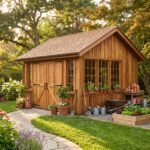
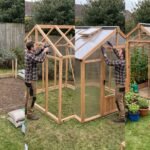
A large greenhouse can completely change the way you garden. Instead of being limited by unpredictable weather, short growing seasons, or a lack of outdoor space, you can create a controlled environment where vegetables, fruits, herbs, flowers, and ornamental plants have room to thrive. With more space comes more flexibility, but choosing and using a larger structure successfully requires careful planning.
Whether you are an experienced gardener, a small-scale grower, or someone dreaming of a productive year-round garden, understanding how large greenhouses work can help you make a smarter investment. The right greenhouse can provide protection from rain, wind, frost, pests, and temperature swings while giving you valuable growing space throughout the year.
Table of Contents
This complete guide explains what to look for when choosing a large greenhouse, how much space you may need, which materials and designs are worth considering, how to prepare the site, and how to get the best performance from your greenhouse once it is installed.
Why a Large Greenhouse Can Transform Your Gardening Experience
One of the biggest advantages of a large greenhouse is the amount of growing flexibility it provides. A small greenhouse may be ideal for seedlings, herbs, or a limited number of plants, but larger structures allow you to grow several types of crops at once without constantly moving containers or overcrowding benches.
Extra space also makes it easier to organize your growing area. You can create separate zones for seed starting, mature plants, propagation, tools, and storage. This organization can make routine gardening tasks more efficient and can reduce the frustration of working in a cramped environment.
A large greenhouse can also support a longer growing season. Instead of waiting for perfect outdoor conditions, you can start seeds earlier in the year and continue growing later into autumn or winter. With suitable heating, insulation, ventilation, and lighting, some growers can maintain productive conditions well beyond the traditional growing season.
Another major benefit is environmental control. Outdoor gardens are exposed to temperature changes, heavy rain, strong winds, and other conditions that can damage delicate crops. A greenhouse provides a layer of protection while allowing you to influence temperature, humidity, airflow, and watering.
For gardeners who want to grow more food at home, a larger structure can also improve productivity. Tomatoes, peppers, cucumbers, aubergines, salad crops, herbs, strawberries, and other plants can all benefit from a protected growing environment.
Large Greenhouse Buying Guide: How to Choose the Perfect Size and Design
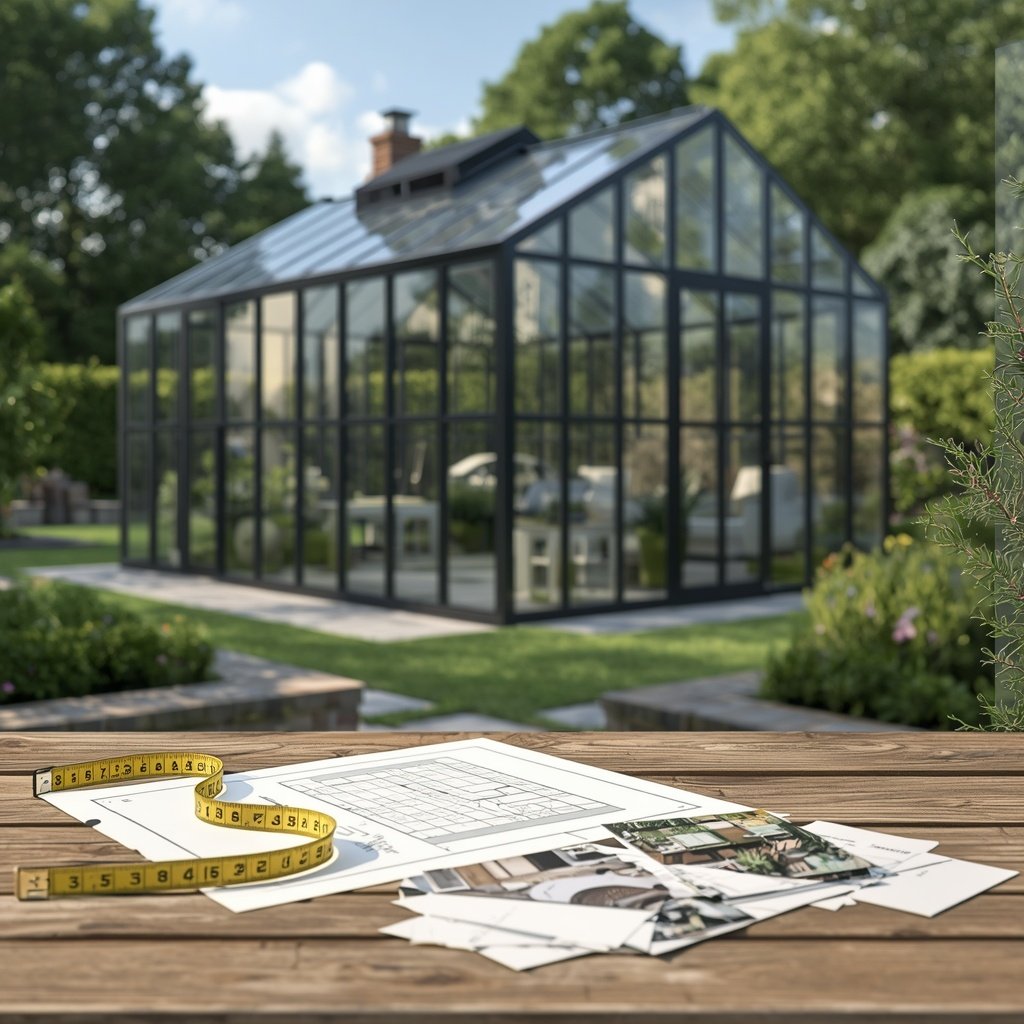
Choosing a large greenhouse is not simply a matter of buying the biggest model that fits your budget. The best structure depends on your garden, growing goals, available space, local weather, and the amount of maintenance you are prepared to manage.
Start by deciding what you want to grow. If your main goal is growing vegetables, you may need generous floor space for beds, containers, trellises, and pathways. If you are focused on flowers and propagation, shelving and benches may be more important than open soil beds.
Think about how you will use the greenhouse several years from now, not just this season. Many gardeners underestimate how quickly their collection of plants, pots, trays, tools, and accessories can grow. A greenhouse that seems enormous at first can eventually feel surprisingly small.
The shape of the greenhouse matters as well. Traditional rectangular designs are popular because they make efficient use of interior space and are easy to organize. Lean-to structures can work particularly well when attached to a suitable wall, while freestanding models provide greater flexibility in placement.
Height is another important consideration. A greenhouse with a high roof gives plants more vertical growing space and can improve air circulation. Tall crops such as tomatoes and climbing cucumbers benefit from extra headroom, while gardeners often appreciate the additional working space.
Before purchasing, measure the proposed location carefully. Remember that you may need room around the greenhouse for access, cleaning, maintenance, drainage, and ventilation. A structure that technically fits into a garden may still be inconvenient if there is no room to open doors or work around the sides.
How Big Should Your Greenhouse Be?
There is no universal answer to the ideal greenhouse size because every gardener has different goals. However, a useful approach is to think about how much usable growing space you need rather than focusing only on the external dimensions.
For example, a greenhouse that appears large from the outside may have surprisingly little usable area if much of the interior is taken up by benches and equipment. Planning your layout before you buy can help you choose a more practical size.
Consider the number of plants you expect to grow, how much space each crop requires, and whether you want permanent beds or movable containers. Include pathways because you need enough room to walk comfortably while watering, pruning, harvesting, and checking for pests.
It is also worth planning for future expansion. If you are already close to the maximum size your site can accommodate, choosing the largest practical greenhouse now may save the cost and inconvenience of replacing a smaller structure later.
A larger greenhouse can offer more value per square metre when it is efficiently designed and actively used. However, larger structures may also require stronger foundations, more heating, more ventilation, and greater maintenance. The goal is to find the best balance between capacity and running costs.
Choosing the Right Greenhouse Frame Material
The frame is one of the most important structural components of a greenhouse. Common choices include aluminium, galvanized steel, timber, and other engineered materials.
Aluminium is popular because it is lightweight, relatively low maintenance, and resistant to corrosion. It is often used in modern greenhouse designs and can provide a clean appearance while offering good structural support.
Steel can provide excellent strength, making it useful for larger structures that need to withstand more challenging conditions. Galvanized finishes can help protect steel from corrosion and improve longevity.
Timber frames offer a more traditional appearance and can complement cottage-style gardens or natural landscapes. Wood can also provide a warm, attractive aesthetic, although it usually requires more ongoing care than low-maintenance metal frames.
When selecting a frame, consider your local weather conditions. Areas exposed to strong winds, heavy snow, or severe storms may require a more robust structure. It is important to select a greenhouse designed for the environmental conditions where it will be installed rather than choosing based on appearance alone.
Greenhouse Glazing and Covering Options Explained
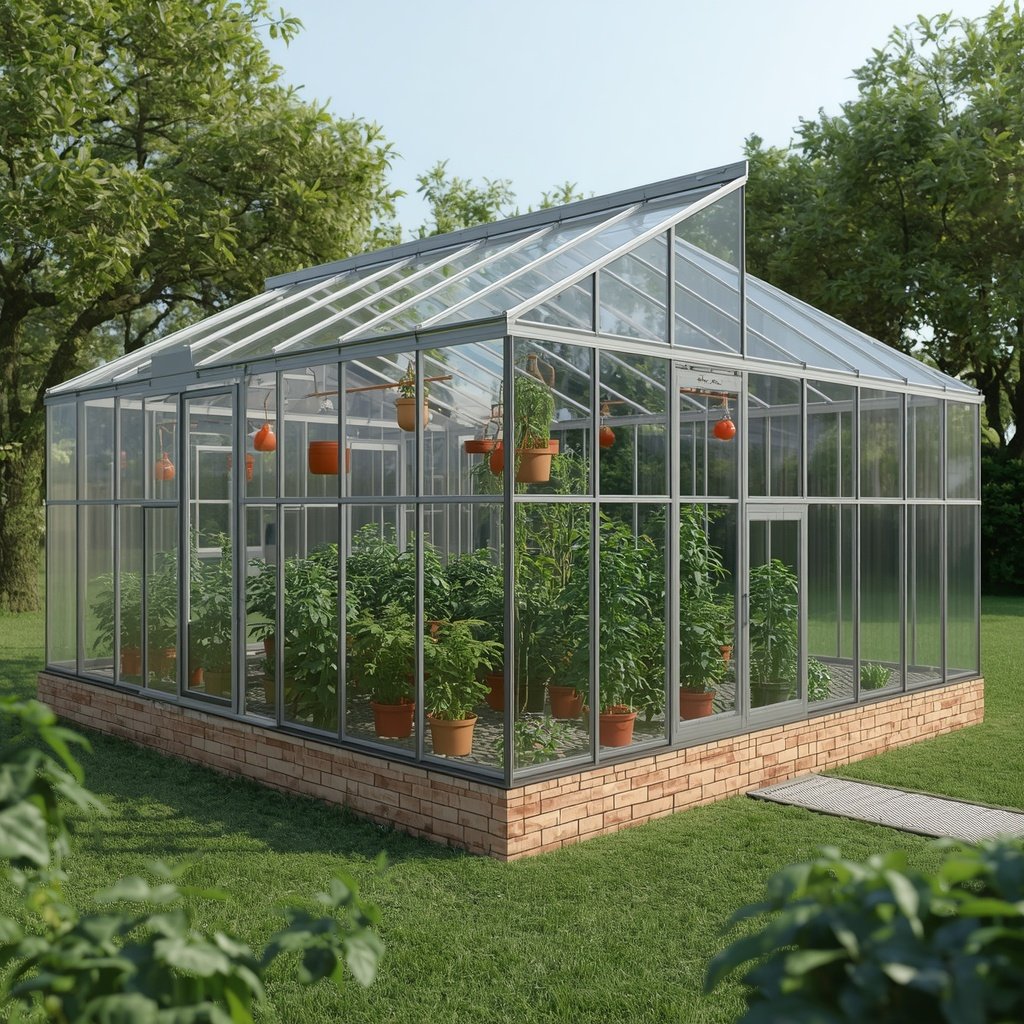
The covering determines how light enters the greenhouse and how effectively the structure retains heat and resists damage.
Glass remains a popular option because it allows excellent light transmission and has a classic appearance. Horticultural glass can create a bright growing environment and can last for many years when properly maintained. Toughened safety glass may provide additional safety and durability depending on the design.
Polycarbonate is another widely used choice, particularly for gardeners who prioritize strength and thermal performance. Multi-wall polycarbonate can diffuse light and help reduce heat loss compared with some single-layer coverings. Its impact resistance can also make it attractive in locations where breakage is a concern.
The right glazing depends on your climate, budget, crop choices, and priorities. If thermal performance is especially important, compare the insulation properties of the materials rather than choosing solely on the basis of appearance.
It is also important to think about light diffusion. Some plants benefit from bright, direct light, while others can perform well under more evenly distributed light. Understanding your crops can help you choose the most suitable covering.
Where Should You Install a Large Greenhouse?
The location of a greenhouse can have a major effect on how efficiently it performs. A site with good sunlight is generally desirable because plants depend on sufficient light for healthy growth.
Avoid placing the greenhouse where large buildings, mature trees, or other structures create significant shade for long periods. Morning and midday sunlight can be particularly valuable, although the best orientation depends on your specific location, climate, and greenhouse design.
Drainage should also be considered. The site should not remain waterlogged after heavy rain. Persistent moisture around the foundation can create structural and maintenance problems over time.
Think about access too. A greenhouse should be reasonably close to your home or garden workspace if you expect to use it frequently. You may need convenient access to electricity, water, compost, tools, and storage.
Wind exposure deserves attention as well. Large greenhouses have more surface area and can experience significant wind loading. A sheltered site may reduce stress on the structure, although the greenhouse should still be properly anchored and engineered for local conditions.
Preparing the Foundation for a Large Greenhouse
A solid foundation is essential for a large greenhouse. The foundation keeps the structure level, improves stability, and can help protect the greenhouse from movement caused by wind and changing ground conditions.
The appropriate foundation method depends on the greenhouse design and the ground conditions at your site. Options may include concrete slabs, perimeter foundations, paving systems, or manufacturer-specific foundation kits.
The surface should be level and stable before assembly begins. Even a high-quality greenhouse can become difficult to operate if the base is uneven. Doors may not close correctly, frames may become stressed, and glazing can be harder to install properly.
Foundation preparation is an area where cutting corners can become expensive. Spending time on the base can improve the overall installation and help extend the life of your greenhouse.
Ventilation Is Essential in a Large Greenhouse
One of the most common mistakes new greenhouse owners make is underestimating ventilation. A greenhouse can heat up rapidly when the sun is shining, even if the outside temperature feels comfortable.
Effective ventilation helps remove excess heat and moisture while improving air circulation. Roof vents, side vents, louvred openings, and powered extraction fans can all play a role depending on the size and design of the structure.
Large greenhouses often have greater ventilation requirements because there is more internal air volume and more plant material producing moisture. Automatic vent openers can make temperature management easier by opening vents as the greenhouse warms.
Air circulation can also reduce stagnant conditions that contribute to fungal problems. Fans can be useful for moving air throughout the structure, particularly when the greenhouse is densely planted.
For best results, ventilation should be considered when choosing the greenhouse rather than treated as an afterthought.
Heating a Large Greenhouse for Year-Round Growing
A large greenhouse provides protection from outdoor weather, but it does not automatically stay warm during cold periods. If you plan to grow throughout winter, heating may become an important part of your setup.
The heating system you choose should match the size of the structure, the crops you are growing, the desired temperature, and the level of insulation. Electric heaters are popular for smaller controlled areas within larger greenhouses, while other systems may be suitable for more extensive growing operations.
Good insulation can reduce the amount of energy required to maintain suitable temperatures. Insulated polycarbonate, thermal screens, improved door seals, and appropriate ventilation controls can all contribute to better energy efficiency.
It is also important to use a thermostat or suitable climate-control system. Constant manual adjustment can be inconvenient and may lead to unnecessary energy consumption.
Rather than heating the entire greenhouse to a high temperature regardless of the crop, consider grouping plants according to their temperature requirements. This approach can make climate management more efficient.
Watering and Irrigation Systems for Larger Greenhouses
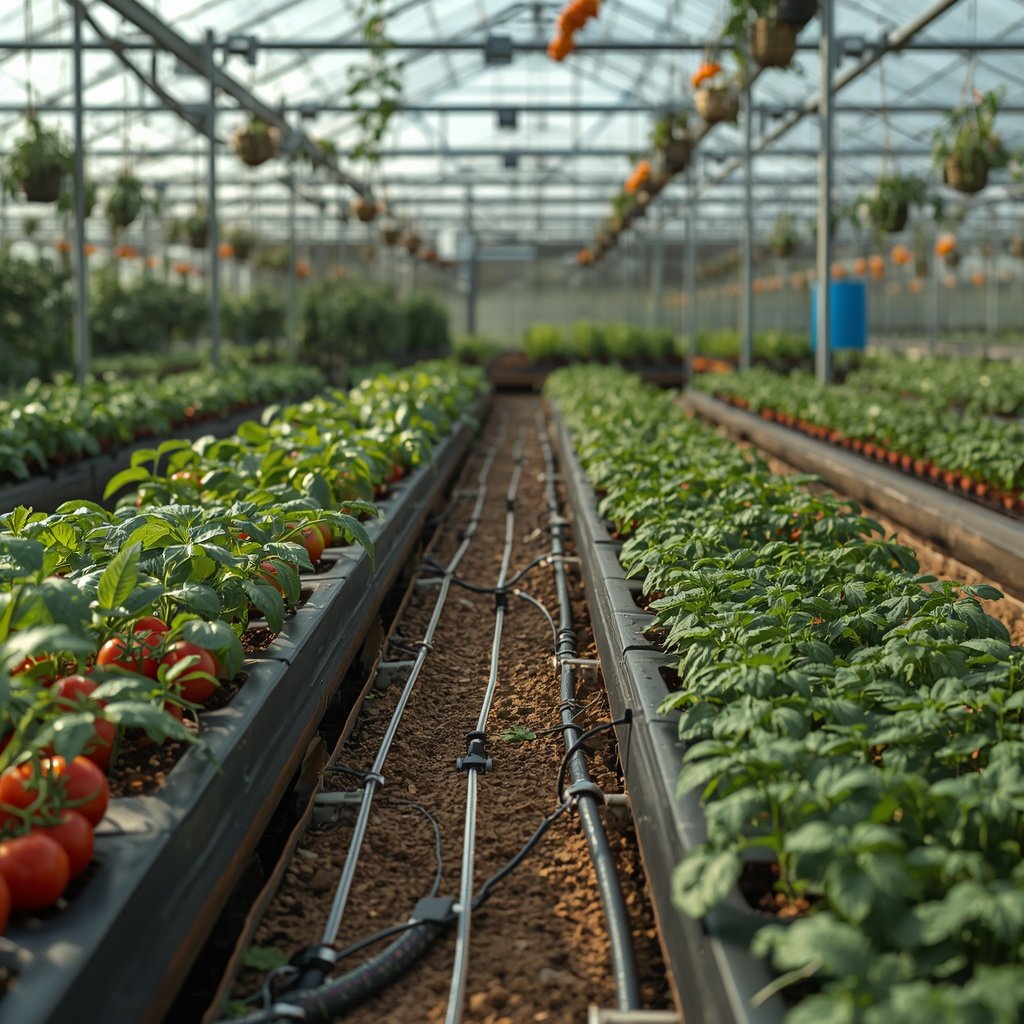
As greenhouse size increases, watering can become one of the most time-consuming routine tasks. A larger structure may contain dozens or even hundreds of plants, making manual watering less practical.
Drip irrigation is a popular solution because it can deliver water directly to the root zone. This may help reduce water waste while maintaining more consistent moisture.
Soaker systems and automated irrigation controllers can also be useful depending on the crop layout. Rainwater collection may provide an additional water source, subject to local rules and the quality requirements of your plants.
Avoid allowing water to sit around plant roots for extended periods. Good drainage is just as important as reliable irrigation. Containers should have appropriate drainage holes, and beds should be designed to prevent persistent saturation.
Automation can be especially valuable when you travel or have limited time. A well-designed irrigation system can make the greenhouse easier to manage while supporting consistent plant growth.
Creating an Efficient Layout Inside Your Greenhouse
A large greenhouse gives you the opportunity to create a highly organized growing environment. The key is to design the interior around how you actually work.
Begin with clear paths that allow you to move comfortably between plants. Narrowing every pathway to maximize plant count may appear efficient, but it can make maintenance frustrating and increase the risk of damaging plants.
Use the vertical space whenever possible. Trellises, hanging baskets, shelves, and overhead supports can increase growing capacity without expanding the footprint.
Permanent beds can be excellent for crops such as tomatoes, peppers, cucumbers, and leafy greens. Raised beds can improve accessibility and drainage, while containers allow you to move plants and change the layout more easily.
Keep frequently used tools and supplies within easy reach, but avoid turning the greenhouse into a storage shed. A large greenhouse still performs best when the majority of the space is dedicated to healthy plant growth.
What Can You Grow in a Large Greenhouse?
The range of crops suitable for a large greenhouse is one of its biggest attractions. Warm-season crops such as tomatoes, peppers, cucumbers, aubergines, and chillies are among the most popular choices because they benefit from protected conditions.
You can also grow salad leaves, spinach, herbs, strawberries, beans, seedlings, and ornamental flowers. Some gardeners use different sections of the greenhouse for different crops, creating a flexible environment that changes throughout the year.
A large structure can also allow succession planting. Instead of harvesting one crop and leaving the area unused, you can plan successive plantings so that different vegetables mature at different times.
Propagation is another valuable use. Shelving or dedicated benches can provide space for seed trays, cuttings, and young plants before they are moved into larger growing areas.
Managing Temperature and Humidity More Effectively
Successful greenhouse gardening requires balancing temperature and humidity. Excessively high temperatures can stress plants, while excessive humidity can encourage disease.
Monitoring equipment such as thermometers, humidity meters, and automated controllers can make climate management much easier. Data can help you understand how your greenhouse behaves at different times of day and under changing weather conditions.
Morning ventilation can help reduce overnight humidity, while shade may become useful during the hottest part of the day. On colder nights, doors and vents may need to be closed to retain warmth.
Do not rely on guesswork when the greenhouse is large. Conditions can vary significantly between different areas, especially if the structure is densely planted. Monitoring multiple points may provide a clearer picture of the growing environment.
Large Greenhouse Maintenance: Protect Your Investment
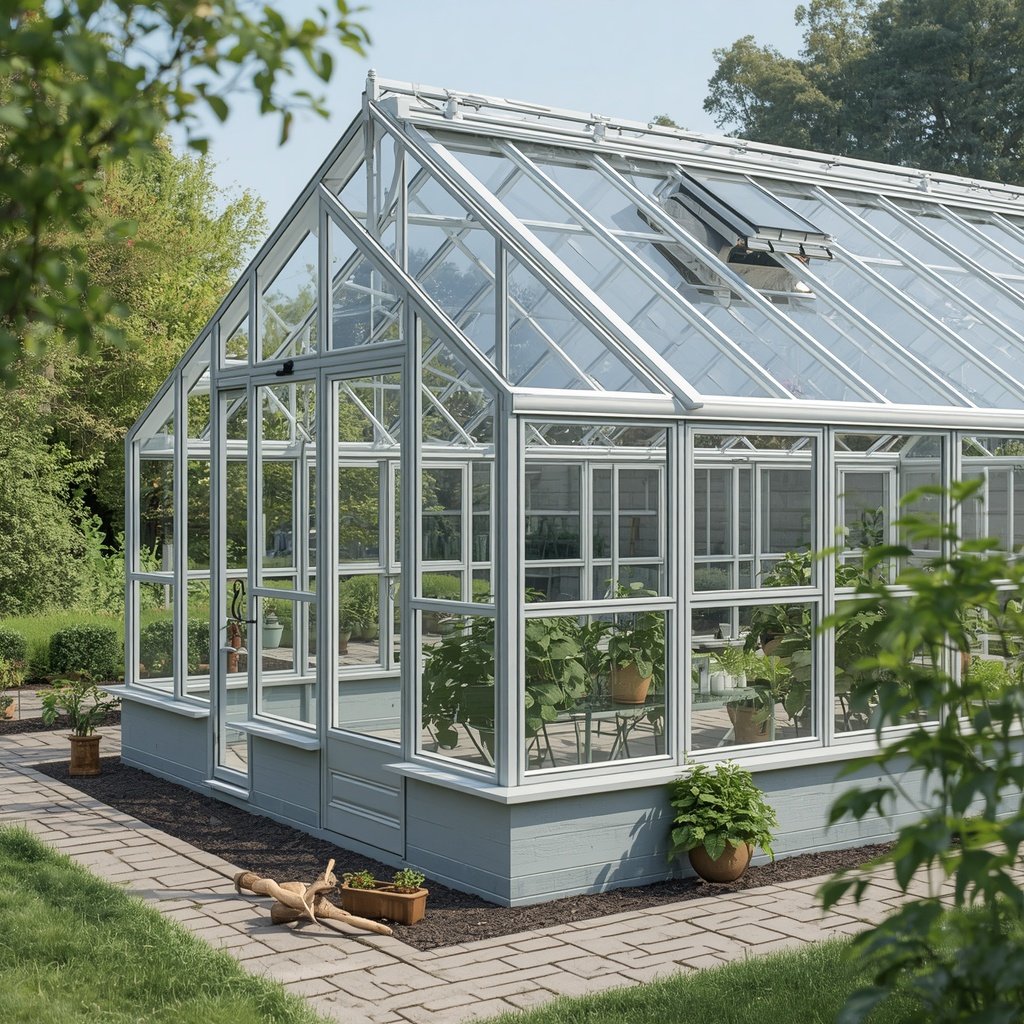
Regular maintenance can extend the useful life of a greenhouse and keep it performing efficiently. Inspect the frame periodically for corrosion, loose fasteners, cracks, or other signs of damage.
Clean the glazing to maximize light transmission and remove algae, dirt, and debris. Dirty panels or glass can reduce the amount of light reaching your plants.
Check doors, vents, hinges, automatic openers, and seals to ensure they operate correctly. Blocked vents can create serious temperature problems during sunny weather.
Gutters and drainage systems should also be kept clear. If your greenhouse uses rainwater collection, inspect tanks, filters, and connections regularly.
Plant health is part of greenhouse maintenance too. Remove dead leaves and diseased plant material promptly, and inspect plants regularly for pests such as aphids, whiteflies, spider mites, and other common problems.
How to Make a Large Greenhouse More Energy Efficient
Running a large greenhouse throughout the year can increase energy use, especially in colder climates. Fortunately, there are several ways to improve efficiency without sacrificing growing performance.
Start by preventing unnecessary heat loss. Properly fitted doors, intact glazing, insulated sections, and thermal screens can help retain warmth.
Use ventilation strategically rather than leaving vents open unnecessarily. Automated systems can respond to changing temperatures and help maintain a more stable environment.
Heating should be targeted to the needs of your crops. Plants that tolerate cooler conditions do not necessarily require the same temperatures as tropical or warm-season crops.
Solar energy may also be worth considering for some greenhouse setups, particularly where electricity use is significant. The feasibility depends on local sunlight, equipment costs, and your overall energy needs.
Is a Large Greenhouse Worth the Investment?
For many gardeners, the answer is yes, particularly when the greenhouse will be used throughout the year. The value is not limited to the structure itself. A greenhouse can provide longer harvest periods, more growing choices, protection from difficult weather, and greater control over plant production.
However, larger is not automatically better. A greenhouse that is too large for your needs may require more heating, more maintenance, and more time than you realistically want to invest.
Before purchasing, calculate the total cost rather than focusing only on the advertised greenhouse price. Include the foundation, glazing, ventilation, heating, irrigation, shelving, lighting, installation, and future maintenance.
A thoughtful investment can produce years of enjoyment and fresh harvests, while an unsuitable greenhouse may become an expensive structure that is rarely used.
Common Mistakes to Avoid When Choosing a Large Greenhouse
One frequent mistake is choosing a greenhouse based entirely on its appearance. A beautiful structure is useful only if it performs well in your climate and supports your growing goals.
Another mistake is failing to plan ventilation and heating early. Climate control should be part of the design rather than something added after the greenhouse is already installed.
Ignoring the foundation can create structural problems, while selecting a site without considering sunlight, wind, and drainage can make the greenhouse harder to manage.
Overcrowding is another common issue. Once gardeners have extra space, it can be tempting to fill every available corner with plants. However, overcrowding can limit airflow, increase humidity, make pest management harder, and reduce access.
Finally, many people forget to plan for the future. Your gardening interests may expand over time, so choosing a flexible design and leaving room for changes can be a smart long-term strategy.
How to Get the Most From Your Large Greenhouse All Year
The best way to maximize your investment is to create a seasonal growing plan. Use the greenhouse for seed starting and early crops in spring, productive warm-season crops during summer, and cold-tolerant vegetables or protected plants during autumn and winter.
Keep records of planting dates, varieties, temperatures, harvests, watering patterns, and pest problems. Over time, these notes can help you improve your greenhouse management and avoid repeating mistakes.
Experiment gradually. You do not need to fill your greenhouse with dozens of different crops immediately. Start with plants you know you enjoy growing and expand your range as you gain confidence.
Also, make the greenhouse pleasant to work in. Good lighting, practical benches, storage, comfortable pathways, and easy access to water can transform it from a simple growing structure into an enjoyable year-round gardening space.
Final Thoughts on Choosing the Best Large Greenhouse
A large greenhouse can become one of the most useful and rewarding additions to a garden. It offers room to grow more plants, extend the growing season, protect valuable crops, and experiment with varieties that may struggle outdoors.
The best greenhouse is not necessarily the biggest one available. It is the structure that matches your growing goals, available space, climate, budget, and willingness to manage the environment. Pay close attention to frame strength, glazing, ventilation, heating, drainage, foundation quality, and interior layout before making your decision.
Most importantly, think beyond the initial purchase. Your greenhouse should be designed as a complete growing environment rather than simply a glass or polycarbonate structure placed in the garden.
Ready to take your gardening to the next level? Start by measuring your available space, defining what you want to grow, and planning your ideal greenhouse layout. With the right design and thoughtful preparation, a large greenhouse can give you more growing freedom, better protection, and a productive garden that works for you in every season.