Introduction
If you dream of creating a garden space that combines timeless elegance with practical growing benefits, a traditional orangery greenhouse could be the perfect addition to your home. An orangery is much more than a greenhouse—it is a sophisticated structure that blends classic architecture with modern functionality, offering the ideal environment for growing citrus trees, exotic plants, flowers, herbs, and even vegetables throughout the year.
Originally designed centuries ago to protect delicate orange and lemon trees from harsh European winters, orangeries have evolved into luxurious garden buildings that add beauty, value, and versatility to any property. Today, homeowners appreciate an orangery not only for gardening but also as a relaxing retreat, entertainment space, home office, or stylish extension of their living area.
Unlike standard greenhouses, a traditional orangery features solid walls, large glass windows, decorative columns, and an elegant roof lantern that fills the space with natural light. This unique combination creates a comfortable environment where plants flourish while people enjoy a bright, inviting atmosphere regardless of the season.
Whether you have a spacious country estate or a compact backyard, investing in a beautifully designed orangery offers long-term benefits. In this comprehensive guide, you’ll discover everything you need to know about traditional orangery greenhouses, including their fascinating history, standout features, benefits, construction materials, design ideas, and why they remain one of the most desirable garden structures available today.
What Is a Traditional Orangery Greenhouse?
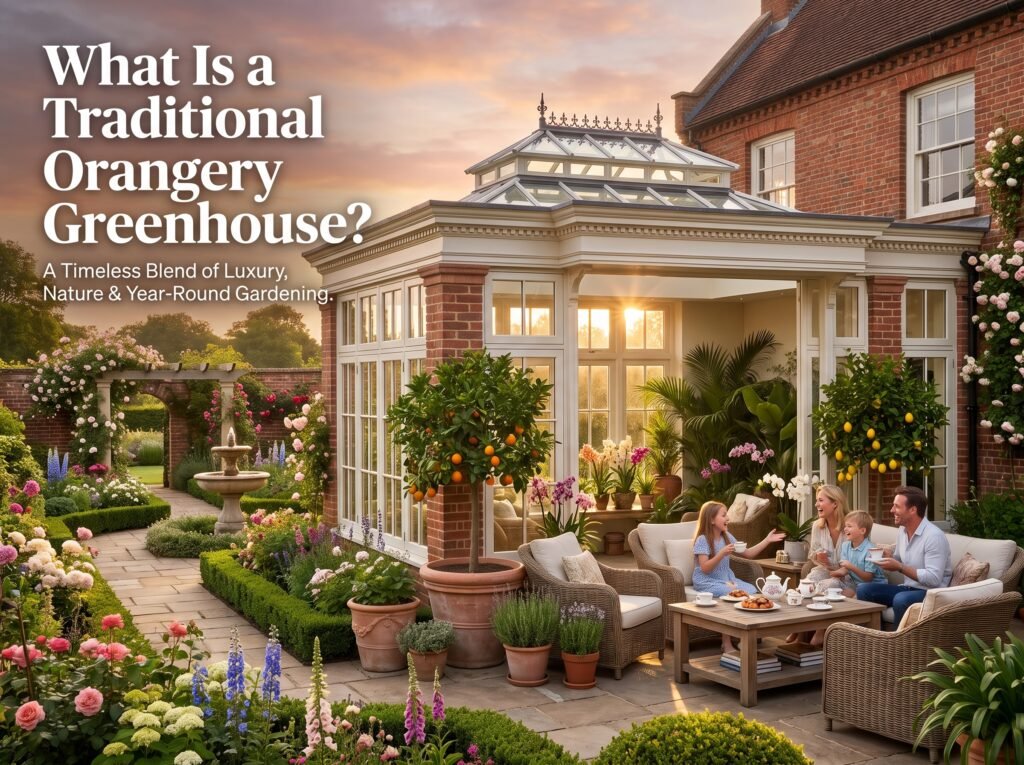
A traditional orangery is a glazed garden building that combines the elegant appearance of a conservatory with the functionality of a greenhouse. Historically, wealthy European families built these impressive structures during the 17th and 18th centuries to shelter citrus trees during cold winters.
At that time, oranges, lemons, and other tropical fruits symbolized wealth and prestige because they were difficult to grow in colder climates. Instead of allowing these valuable plants to die during freezing temperatures, gardeners created protected environments with thick insulated walls and expansive glass windows that maximized sunlight while retaining warmth.
Today’s traditional orangery greenhouse follows the same architectural principles while incorporating modern construction materials and energy-efficient glazing. The result is a stunning structure that supports year-round gardening while enhancing the overall appearance of a property.
Unlike ordinary greenhouses made almost entirely of glass, an orangery balances masonry and glazing. This combination provides superior insulation, greater durability, and a luxurious aesthetic that complements both traditional and contemporary homes.
Orangery Designs That Transform Your Garden into a Luxury Retreat
One of the biggest reasons homeowners choose an orangery is its incredible ability to transform an ordinary outdoor space into a breathtaking garden sanctuary. Whether attached to your house or built as a standalone structure, an orangery instantly becomes the focal point of your landscape.
Large floor-to-ceiling windows allow abundant sunlight to flood the interior, creating the ideal growing conditions for plants while providing spectacular views of your garden. During colder months, the insulated structure keeps warmth inside, allowing you to enjoy lush greenery when the rest of the landscape appears dormant.
Many homeowners decorate their orangery with comfortable seating, elegant furniture, decorative lighting, stone flooring, and mature citrus trees to create a luxurious environment suitable for both relaxation and entertaining guests.
The timeless architectural style also complements various garden themes, including:
- Victorian gardens
- English cottage gardens
- Mediterranean landscapes
- Contemporary outdoor spaces
- Formal estate gardens
- Botanical-inspired gardens
An orangery serves as both a practical gardening solution and an impressive architectural statement that increases the beauty of your property.
The Rich History of Traditional Orangeries
The story of the orangery dates back to Renaissance Europe, when explorers introduced exotic citrus fruits from warmer climates into northern countries. Wealthy families quickly became fascinated by these vibrant trees but struggled to keep them alive through harsh winters.
To solve this challenge, architects designed special garden buildings that featured:
- Thick stone or brick walls
- South-facing glass windows
- High ceilings
- Decorative classical architecture
- Heating systems using fireplaces or stoves
These structures became symbols of wealth, sophistication, and botanical achievement.
By the 18th century, magnificent orangeries could be found throughout England, France, Germany, and the Netherlands. Some royal estates built enormous orangeries capable of housing hundreds of citrus trees alongside rare tropical plants collected from around the world.
Although modern heating systems have replaced traditional fireplaces, today’s luxury orangeries still embrace the same elegant design principles established hundreds of years ago.
Owning an orangery continues to represent refined taste, appreciation for architecture, and a passion for gardening.
Why Traditional Orangeries Are Becoming Popular Again
In recent years, traditional orangeries have experienced a remarkable resurgence among homeowners, landscape designers, and gardening enthusiasts.
Several factors contribute to their growing popularity.
First, people increasingly seek multifunctional outdoor spaces that can be enjoyed throughout the year. Unlike seasonal greenhouses, an orangery offers a comfortable environment in every season.
Second, homeowners value investments that increase property appeal. A professionally designed orangery often enhances curb appeal while creating additional usable living space.
Third, gardening itself has become increasingly popular as people prioritize healthier lifestyles, sustainable food production, and stress relief. An orangery provides the perfect environment for cultivating plants regardless of weather conditions.
Finally, modern construction technology allows today’s orangeries to be far more energy-efficient than historic versions, reducing heating costs while improving comfort.
As a result, the traditional orangery greenhouse has become one of the most sought-after garden structures available.
Key Architectural Features of an Orangery
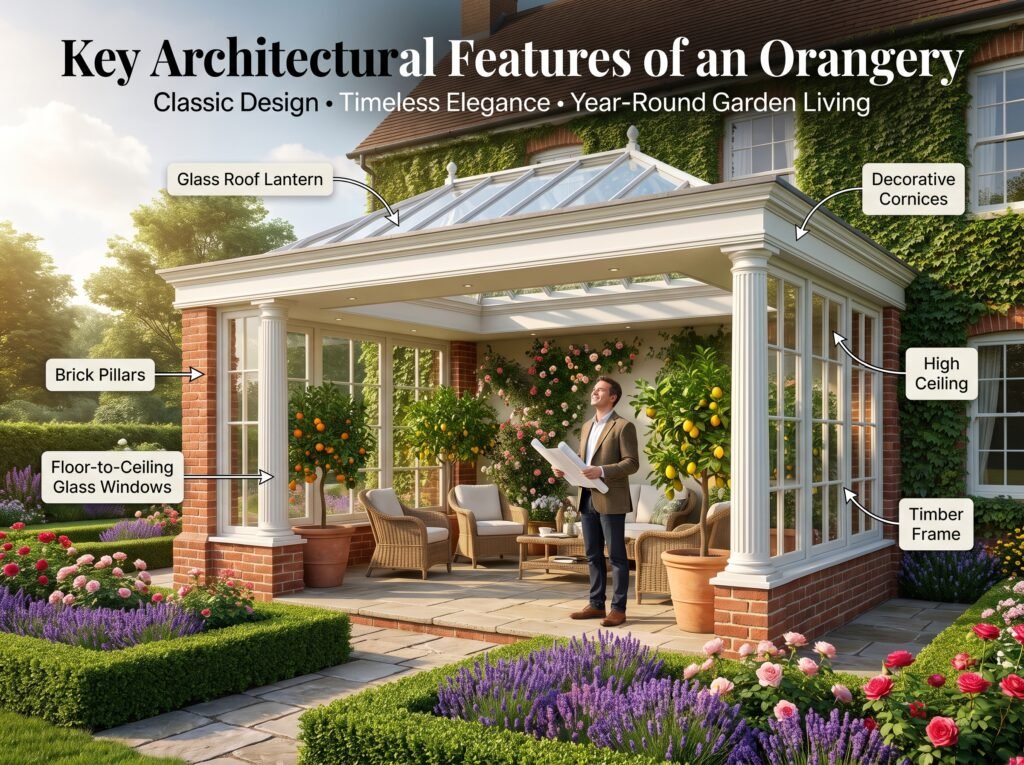
The distinctive appearance of an orangery sets it apart from standard greenhouses and conservatories.
Its architecture combines elegance, durability, and practicality through several defining features.
Brick or Stone Base
Traditional orangeries usually feature solid masonry walls that improve insulation, structural strength, and visual appeal. These walls also create space for shelving, seating, or decorative displays.
Large Glass Panels
Expansive windows maximize natural daylight while providing uninterrupted garden views. Modern double or triple glazing improves thermal efficiency without sacrificing brightness.
Roof Lantern
Perhaps the most recognizable feature of an orangery is the raised glass roof lantern positioned above the central roof.
This elegant design floods the interior with sunlight while improving airflow and creating a spacious atmosphere.
Decorative Cornices
Classic architectural details such as cornices, pilasters, and columns contribute to the luxurious appearance associated with traditional European garden buildings.
High Ceilings
Tall ceilings improve air circulation, accommodate larger plants, and create an impressive sense of openness.
Durable Construction
Traditional orangeries are built to last for decades using premium materials such as hardwood, aluminum, engineered timber, brick, and stone.
Benefits of Choosing a Traditional Orangery
A traditional orangery offers numerous advantages that extend far beyond plant cultivation.
One of its greatest strengths is year-round usability. Unlike standard greenhouses that often become excessively hot during summer or too cold in winter, an orangery maintains a far more comfortable internal climate through improved insulation and ventilation.
The additional living space is another significant benefit. Many homeowners transform their orangery into a garden lounge, breakfast room, reading area, artist’s studio, yoga retreat, or elegant dining room without sacrificing its gardening function.
Natural light also contributes to improved wellbeing. Spending time in a bright environment surrounded by greenery can reduce stress, increase relaxation, and create a stronger connection with nature.
An orangery can also increase property value. Buyers often view these premium structures as desirable lifestyle features that distinguish a home from others on the market.
From a gardening perspective, the controlled environment enables longer growing seasons, healthier plants, and greater flexibility when cultivating delicate species.
Best Plants to Grow Inside an Orangery
One of the greatest joys of owning an orangery is the wide variety of plants that thrive within its carefully controlled environment.
Citrus trees remain the classic choice and continue the historical purpose of these elegant structures. Orange, lemon, lime, grapefruit, and mandarin trees flourish when provided with abundant sunlight and protection from frost.
Mediterranean plants such as olive trees, bay laurel, lavender, rosemary, and jasmine also perform exceptionally well inside an orangery because they enjoy warm, bright conditions.
Flowering plants add seasonal color and fragrance throughout the year. Orchids, camellias, gardenias, hibiscus, bougainvillea, and fuchsias create stunning displays while benefiting from the stable temperatures an orangery provides.
For edible gardening enthusiasts, herbs such as basil, thyme, parsley, mint, oregano, and chives grow vigorously in the bright environment. Many gardeners also cultivate tomatoes, peppers, cucumbers, strawberries, and leafy greens for extended harvests.
Tropical foliage plants, including monstera, bird of paradise, palms, and ferns, bring an exotic atmosphere to the space while thriving in the warm, humid conditions that can be maintained within an orangery.
By combining ornamental and edible plants, you can create a beautiful indoor garden that remains productive and visually appealing throughout every season.
Why an Orangery Is Worth the Investment
Choosing an orangery is about more than adding another garden structure. It is an investment in your lifestyle, your home’s value, and your enjoyment of gardening all year round. From its rich architectural heritage to its ability to create the perfect environment for both plants and people, a traditional orangery offers benefits that few other outdoor structures can match.
Whether you envision sipping coffee among fragrant citrus trees, harvesting fresh herbs in winter, or hosting family gatherings in a sunlit garden room, an orangery makes those experiences possible.
Best Materials for Building a Traditional Orangery
Selecting the right materials is one of the most important decisions when building an orangery. The materials determine not only the appearance of the structure but also its durability, insulation, maintenance requirements, and overall lifespan. A well-built orangery can last for decades, making quality construction a worthwhile investment.
Hardwood Frames
Hardwood remains one of the most prestigious materials for traditional orangeries. Oak, mahogany, and other premium hardwoods provide exceptional strength and timeless beauty. Their natural grain complements classic architecture while offering excellent structural integrity.
Properly maintained hardwood frames can last for generations. Although they require occasional painting or staining, many homeowners appreciate the authentic appearance that only natural timber can provide.
Aluminum Frames
Modern aluminum has become increasingly popular because it combines strength with minimal maintenance. Powder-coated aluminum resists rust, fading, and corrosion while supporting large glass panels with slim profiles.
For homeowners seeking a traditional appearance with modern performance, aluminum is an outstanding option.
Brick and Stone
Solid brick or natural stone walls are defining characteristics of a traditional orangery. These materials improve insulation, create a luxurious appearance, and blend beautifully with older homes.
Brick also stores heat during the day and gradually releases it at night, helping stabilize interior temperatures.
Modern Glass
Today’s high-performance glazing is dramatically more efficient than historic glass panels.
Common options include:
- Double glazing
- Triple glazing
- Low-E insulated glass
- Solar control glass
- Self-cleaning glass
These technologies reduce heat loss during winter while minimizing excessive heat gain in summer.
Choosing the Perfect Location for Your Orangery
The location of your orangery plays a major role in its long-term performance.
Sunlight is the most important consideration.
A south-facing position generally provides maximum sunlight throughout the day, making it ideal for growing citrus trees and tropical plants.
East-facing orangeries receive pleasant morning sun and cooler afternoon temperatures, which suit many flowering plants.
West-facing structures benefit from afternoon warmth but may require additional ventilation during summer.
North-facing locations can still work, particularly when used as elegant garden rooms, although supplemental lighting may be beneficial for certain plants.
Accessibility also matters. Building your orangery near the house creates a seamless connection between indoor and outdoor living while making year-round use much more convenient.
Take time to consider nearby trees, fences, neighboring buildings, and drainage before construction begins.
Designing an Orangery That Matches Your Home
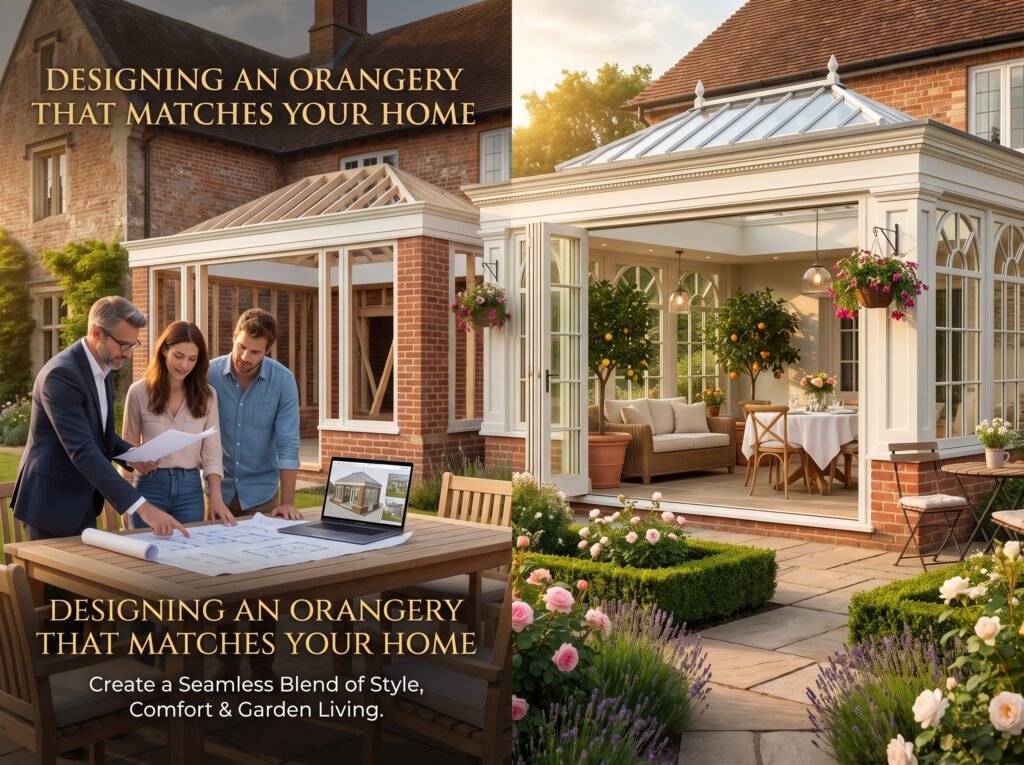
One of the greatest advantages of a traditional orangery is its ability to complement virtually any architectural style.
When planning your design, consider how the structure will integrate with your home’s existing character.
A period property often looks best with decorative cornices, stone detailing, timber frames, and classic roof lanterns.
Modern homes may benefit from cleaner lines, larger glass panels, and subtle architectural detailing while maintaining traditional proportions.
Interior finishes also deserve careful attention.
Popular flooring choices include:
- Natural stone
- Porcelain tile
- Limestone
- Slate
- Hardwood flooring
These materials withstand changing temperatures while creating an elegant atmosphere.
Adding comfortable seating, indoor trees, decorative planters, and tasteful lighting transforms the orangery into a relaxing extension of your living space.
Heating an Orangery Throughout the Year
Maintaining comfortable temperatures is essential for both plants and people.
Fortunately, modern heating options make year-round use easier than ever.
Underfloor heating has become one of the most popular choices because it distributes warmth evenly throughout the room without occupying valuable floor space.
Traditional radiators remain effective and can be styled to complement period architecture.
Many homeowners also install energy-efficient heat pumps, which provide both heating and cooling while reducing energy costs.
For occasional winter use, electric panel heaters offer a simple solution.
The ideal temperature depends on what you’re growing.
Citrus trees generally thrive between 50°F and 65°F (10°C to 18°C) during winter, while tropical plants may require slightly warmer conditions.
Installing a programmable thermostat helps maintain consistent temperatures automatically.
Ventilation: Keeping Your Orangery Comfortable
Good ventilation is just as important as heating.
Without proper airflow, excessive humidity can lead to mold, mildew, fungal diseases, and overheating during summer.
Traditional roof lanterns naturally encourage warm air to rise and escape.
Modern automatic roof vents further improve airflow by opening when temperatures increase.
Opening side windows creates cross-ventilation that quickly refreshes the interior.
Many luxury orangeries also include climate-control systems with automated ventilation and humidity sensors.
Proper ventilation benefits both plant health and human comfort.
Lighting Your Orangery Beautifully
Natural daylight is one of an orangery’s greatest features, but thoughtful lighting extends its usefulness into the evening.
Layered lighting creates the best results.
Pendant lights suspended beneath the roof lantern provide dramatic focal points.
Wall sconces add warmth while highlighting architectural details.
Floor lamps create comfortable reading corners.
LED spotlights can illuminate specimen plants or decorative features.
Soft warm lighting transforms the orangery into a welcoming retreat long after sunset.
Decorating a Traditional Orangery
Decorating your orangery allows you to create a space that reflects both your personality and gardening style.
Many homeowners embrace classic English elegance by combining natural materials with lush greenery.
Comfortable sofas, woven chairs, antique tables, and handcrafted pottery create a timeless atmosphere.
Large citrus trees placed in decorative terracotta pots instantly establish the traditional character associated with historic orangeries.
Additional decorative elements may include:
- Indoor fountains
- Botanical artwork
- Vintage lanterns
- Persian rugs
- Hanging baskets
- Iron plant stands
- Wooden shelving
- Stone sculptures
These features transform an ordinary greenhouse into a luxurious garden room.
Growing Food Inside an Orangery
Although orangeries are famous for citrus trees, they also support productive edible gardens.
Fresh herbs flourish throughout much of the year.
Vegetables that perform particularly well include:
- Tomatoes
- Bell peppers
- Chili peppers
- Cucumbers
- Lettuce
- Spinach
- Kale
- Eggplants
Fruit crops such as strawberries, figs, grapes, and dwarf peach trees also thrive in the protected environment.
Growing your own produce reduces grocery costs while providing fresh, flavorful ingredients just steps from your kitchen.
Seasonal Care for Your Orangery
Each season presents different maintenance priorities.
Spring
Spring is the ideal time for deep cleaning, pruning, repotting, and introducing new plants.
Inspect glazing, seals, gutters, and ventilation systems after winter.
Summer
Monitor temperatures carefully.
Increase ventilation, water plants consistently, and provide shade if necessary during heat waves.
Autumn
Prepare for colder weather by checking heating systems, insulating vulnerable plants, and removing fallen leaves from gutters.
Winter
Reduce watering frequency while maintaining stable temperatures.
Clean glass regularly to maximize limited winter sunlight.
Inspect plants frequently for pests that often appear indoors during colder months.
Common Mistakes to Avoid
Even experienced gardeners occasionally make mistakes when managing an orangery.
One common error is overcrowding plants.
While a lush appearance is attractive, poor spacing restricts airflow and increases disease risk.
Another frequent mistake is inconsistent watering.
Different plant species require different moisture levels, so avoid treating every plant the same.
Neglecting ventilation can quickly create excessive humidity.
Ignoring maintenance also shortens the lifespan of the building itself.
Regular inspections help identify minor issues before they become expensive repairs.
Finally, many homeowners underestimate future growth.
Small citrus trees eventually become substantial specimens requiring generous spacing.
Planning ahead creates a healthier, more balanced environment.
How Much Does a Traditional Orangery Cost?
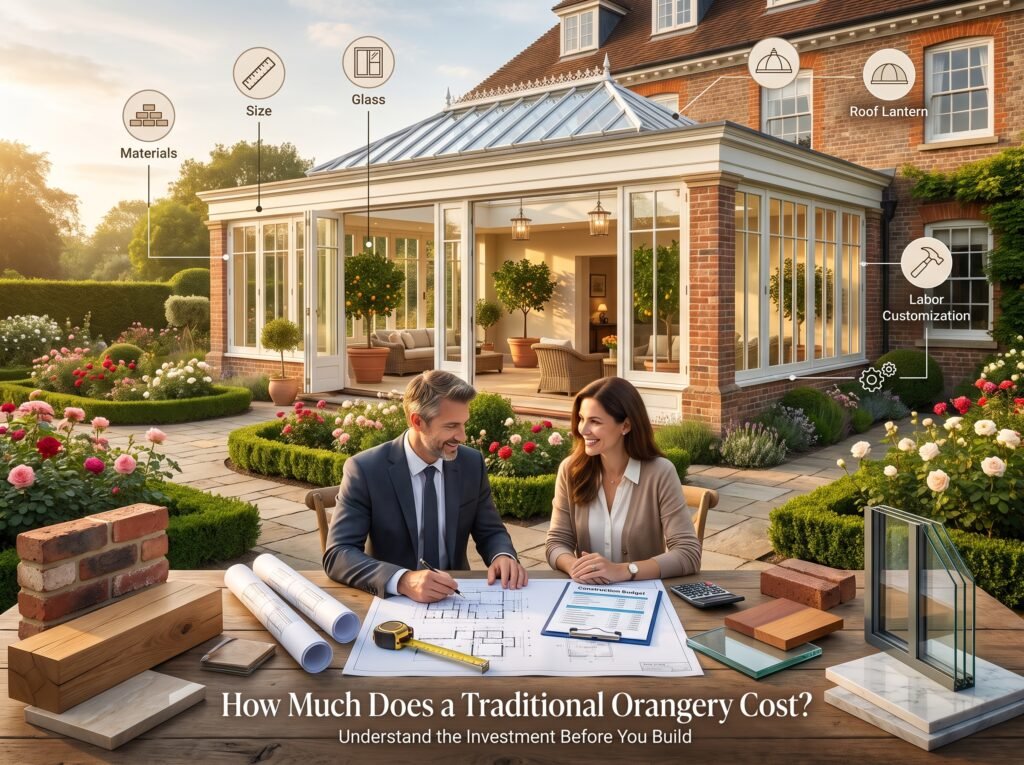
The cost of an orangery varies depending on size, materials, customization, and installation.
Smaller prefabricated models are often more affordable, while fully bespoke luxury orangeries require a larger investment.
Factors influencing price include:
- Foundation work
- Brick or stone construction
- Roofing system
- Glazing quality
- Heating installation
- Electrical work
- Flooring
- Interior finishes
- Custom architectural detailing
Although the initial investment may exceed that of a standard greenhouse, the added living space, increased property value, and year-round functionality often justify the cost.
Many homeowners view an orangery as a long-term enhancement rather than simply another garden building.
Is an Orangery Better Than a Standard Greenhouse?
The answer depends on your goals.
If your primary objective is maximizing plant production at the lowest cost, a standard greenhouse may be sufficient.
However, if you want a beautiful space where gardening, relaxation, entertaining, and everyday living come together, an orangery offers unmatched versatility.
Its superior insulation, elegant architecture, comfortable climate, and premium appearance create an environment that can be enjoyed every month of the year.
Rather than serving only as a place to grow plants, an orangery becomes an extension of your home and lifestyle.
How to Choose the Best Traditional Orangery
Choosing the right orangery requires more than selecting a beautiful design. It should complement your home, meet your gardening goals, and provide a comfortable environment for years to come. Before making a decision, consider how you intend to use the space. Some homeowners primarily want to grow citrus trees and exotic plants, while others envision a luxurious garden room for entertaining guests, working from home, or relaxing with family.
Start by evaluating the available space in your garden. A larger orangery offers greater flexibility but should remain proportional to your property. An oversized structure can overwhelm a small garden, while one that is too small may not meet your future needs.
The quality of materials is equally important. High-quality hardwood, durable aluminum, premium glazing, and solid brick construction ensure longevity and reduce maintenance costs. Investing in better materials often saves money over time by minimizing repairs and improving energy efficiency.
You should also think about insulation, ventilation, and heating. These features determine how comfortable the orangery remains throughout changing seasons. Modern energy-efficient glazing, automated roof vents, and underfloor heating can significantly improve year-round usability.
Finally, choose a design that complements your home’s architectural style. A traditional orangery should look like a natural extension of your property rather than an afterthought.
Custom-Built vs. Prefabricated Orangery
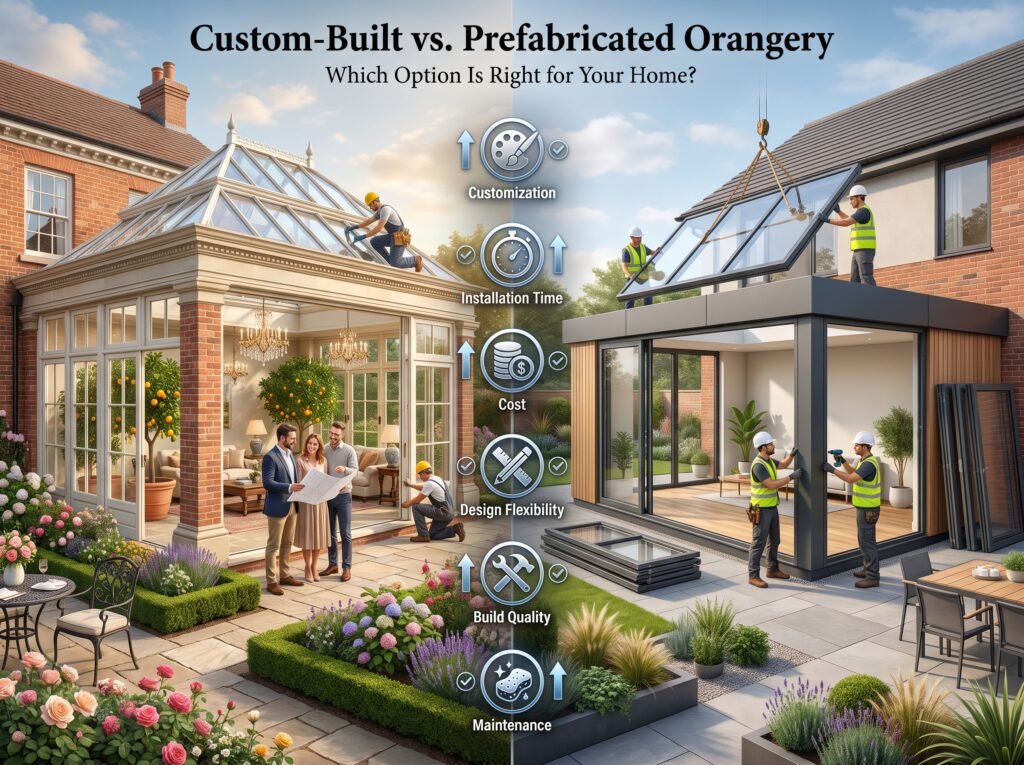
One of the biggest decisions homeowners face is whether to purchase a custom-built orangery or a prefabricated model.
A custom-built orangery is designed specifically for your property and personal preferences. You can choose every detail, including dimensions, roofing style, glazing options, flooring, and decorative features. This approach creates a unique space that perfectly matches your home, although it generally requires a larger investment and a longer construction timeline.
Prefabricated orangeries are manufactured in standard sizes and assembled on-site. They are often quicker to install and more budget-friendly while still offering excellent quality. Many modern prefabricated models include customizable options such as frame colors, glazing upgrades, and roof lantern designs.
If you have a unique property layout or specific design vision, a custom orangery is often the better choice. However, if you want a faster and more affordable solution, a high-quality prefabricated orangery can still deliver exceptional results.
Sustainable Features for Modern Orangeries
Sustainability has become an important consideration for homeowners, and today’s orangeries can incorporate a wide range of eco-friendly features without sacrificing their traditional appearance.
Energy-efficient double or triple glazing helps retain warmth during winter while reducing overheating in summer. This lowers energy consumption and creates a more stable environment for plants.
Many homeowners choose sustainably sourced timber certified by responsible forestry organizations. Recycled aluminum frames are another environmentally friendly option because aluminum can be reused repeatedly without losing strength.
Rainwater harvesting systems can collect water from the roof and store it for irrigation, reducing household water consumption. Solar-powered ventilation systems and LED lighting further improve energy efficiency while lowering operating costs.
Adding insulated foundations and high-performance roofing materials also contributes to a greener, more sustainable orangery that remains comfortable in every season.
Maintaining Your Orangery for Decades
A well-maintained orangery can remain beautiful and functional for generations. Regular maintenance not only protects your investment but also ensures healthy plant growth and a pleasant indoor environment.
Clean the glass several times a year to maximize sunlight. Dust, pollen, and algae reduce light transmission and can affect plant growth. Check window seals and roof joints annually to prevent water leaks and drafts.
Inspect the brickwork, timber, or aluminum frames for signs of wear. Hardwood should be refinished when necessary, while aluminum frames usually require only occasional cleaning with mild soap and water.
Keep gutters and downpipes free from leaves and debris to prevent water damage. Test heating and ventilation systems before winter begins, ensuring they operate efficiently during colder months.
Plants also benefit from regular care. Remove dead leaves, monitor for pests, repot larger specimens when needed, and rotate containers occasionally so plants receive even sunlight.
With consistent maintenance, your orangery can remain an attractive centerpiece of your garden for many years.
Why an Orangery Adds Value to Your Property
An orangery is often considered one of the most desirable home improvements because it combines visual appeal with practical functionality. Unlike many garden structures, it creates additional living space while enhancing the property’s overall character.
Potential buyers appreciate the versatility of an orangery. It can serve as a garden room, dining area, home office, reading lounge, art studio, or indoor garden. This flexibility broadens its appeal and can make a property stand out in the real estate market.
The elegant architectural design also contributes to improved curb appeal. Features such as brick pillars, decorative roof lanterns, and expansive glazing create a premium appearance that complements both traditional and modern homes.
While the exact increase in property value varies by location and market conditions, a professionally designed orangery is widely regarded as a worthwhile long-term investment.
Frequently Asked Questions About Orangeries
Are orangeries suitable for small gardens?
Yes. Modern manufacturers offer compact designs that fit comfortably into smaller outdoor spaces while still providing excellent growing conditions and additional living space.
Can an orangery be used all year?
Absolutely. With proper insulation, heating, and ventilation, an orangery remains comfortable throughout every season.
What plants grow best in an orangery?
Citrus trees, olive trees, orchids, lavender, rosemary, jasmine, tomatoes, peppers, herbs, strawberries, and many tropical houseplants thrive in the bright, protected environment.
Is an orangery warmer than a greenhouse?
Generally, yes. Because an orangery combines insulated walls with modern glazing, it maintains more stable temperatures than a traditional all-glass greenhouse.
How long does an orangery last?
A professionally built orangery constructed from high-quality materials can easily last 40–60 years or longer with proper maintenance.
Does an orangery require planning permission?
Planning requirements vary depending on your location, property size, and the design of the structure. Always check local building regulations before beginning construction.
Final Thoughts: Why a Traditional Orangery Is a Timeless Investment
A traditional orangery is much more than a greenhouse. It represents centuries of architectural heritage, practical gardening innovation, and elegant outdoor living. Whether you are passionate about cultivating citrus trees, growing fresh vegetables, or simply creating a peaceful retreat filled with natural light, an orangery offers unmatched versatility.
Its combination of classic design, durable construction, and modern technology makes it one of the most valuable additions you can make to your home. Unlike ordinary greenhouses, an orangery provides a comfortable space for both plants and people, allowing you to enjoy your garden throughout every season.
From its rich history to its enduring beauty, the orangery continues to captivate homeowners around the world. By choosing quality materials, thoughtful design, and regular maintenance, you can create a space that brings enjoyment for decades while increasing your property’s value and appeal.
Whether you’re building your first garden structure or upgrading an existing greenhouse, a traditional orangery is an investment in comfort, elegance, and year-round gardening success.
Ready to Build Your Dream Orangery? (CTA)
Imagine stepping into a sun-filled garden room where fragrant citrus trees, colorful flowers, and lush greenery surround you in every season. A beautifully designed orangery can transform that vision into reality.
Whether you want to grow exotic plants, create a relaxing retreat, entertain family and friends, or add lasting value to your home, now is the perfect time to start planning your project.
Explore different orangery styles, compare quality materials, and choose a design that reflects your lifestyle. With the right planning and expert craftsmanship, your dream orangery can become the most loved space in your home for years to come.