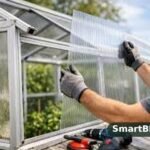
Polycarbonate greenhouse panels are a popular choice for gardeners who want a durable, practical and affordable alternative to traditional glass glazing. Whether you are replacing a few damaged sheets or building a new greenhouse, the right panels can help protect your plants, improve insulation and make routine maintenance easier.
Table of Contents
Glass greenhouses still have plenty of advantages, particularly when it comes to clarity and long-term durability. However, polycarbonate has become an appealing option for home gardeners because it is lightweight, impact-resistant and generally easier to handle. It is also less likely to shatter into dangerous fragments if something strikes the greenhouse.
I would not automatically choose the thickest or most expensive panels available. A small greenhouse used for starting seeds in spring has different requirements from a larger structure where you intend to grow tomatoes throughout the year. Your budget, local weather, greenhouse frame and the plants you grow should all influence your decision.
In this guide, I will explain the main types of polycarbonate glazing, compare common thicknesses, look at standard panel sizes and discuss approximate UK prices. I will also cover fitting, cleaning and the common purchasing mistakes worth avoiding.
What Are Polycarbonate Greenhouse Panels?
Polycarbonate is a strong, transparent thermoplastic used for greenhouse glazing, roofing, protective screens and other applications. Greenhouse panels are manufactured in different forms, ranging from lightweight sheets containing internal air channels to solid, clear sheets.
Their main attraction is a useful combination of low weight and impact resistance. Polycarbonate is considerably less likely to shatter than ordinary greenhouse glass, making it a practical option for family gardens, exposed areas and greenhouses where accidental knocks are possible.
Another advantage is that certain polycarbonate designs provide better insulation than single-pane glass. This is particularly true of twin-wall and multi-wall panels, which contain air spaces between their outer surfaces. These spaces slow heat transfer and can help keep the greenhouse warmer than single glazing under comparable conditions.
Polycarbonate is not completely problem-free, though. The surface can scratch, some panels gradually become less clear, and the sheets expand and contract as temperatures change. Their performance also depends on the quality of the material, the UV protection and the way they are installed.
For a typical hobby greenhouse, 4mm twin-wall polycarbonate is a common starting point. It can be suitable for seasonal growing and straightforward replacement jobs. Thicker multi-wall products may make more sense if you need improved insulation or are glazing a larger structure designed for them.
Before purchasing polycarbonate greenhouse panels, check whether your greenhouse manufacturer specifies a particular panel thickness, shape or fixing method. A sheet that looks suitable on paper may not fit your frame properly.
Types of Polycarbonate Greenhouse Panels
The word polycarbonate describes the material rather than one particular panel design. Choosing the correct structure matters because different designs offer different levels of insulation, clarity, flexibility and impact resistance.
1. Twin-wall polycarbonate
Twin-wall sheets have two outer layers joined by internal ribs. These ribs create narrow air channels running through the sheet.
This construction offers a useful balance between affordability, insulation and weight. It is one of the most common options for greenhouse replacement glazing, particularly at 4mm thickness.
Advantages:
- Generally affordable and lightweight.
- Provides better insulation than a comparable single pane of glass.
- Resistant to many everyday impacts.
- Relatively easy to cut when the correct tools are used.
Disadvantages:
- The internal ribs can make the view less clear than through glass.
- Dirt, insects and moisture can enter the channels if the edges are not sealed appropriately.
- Thin sheets may need close support to prevent excessive movement.
Twin-wall panels are a sensible choice for many small greenhouses, cold frames and replacement glazing projects. They are particularly useful when practicality matters more than having a perfectly clear view.
2. Multi-wall polycarbonate
Multi-wall panels have three or more layers, depending on the product design. They contain more internal cavities than twin-wall sheets and are commonly available in thicknesses such as 8mm and 10mm, as well as thicker specialist options.
The additional air spaces can improve thermal performance. However, the actual insulation depends on the construction, thickness and manufacturer’s specifications, not simply the number of walls.
Advantages:
- Often offers better insulation than thinner twin-wall panels.
- Suitable for some larger or more substantial greenhouse structures.
- Can reduce heat loss where the glazing and overall greenhouse design are appropriate.
- Available in several thicknesses for different requirements.
Disadvantages:
- Usually costs more than basic 4mm glazing.
- May be too thick for existing glazing channels or clips.
- Can require particular connecting profiles, edge tapes and support spacing.
Choose multi-wall panels when warmth is important and your frame has been designed to accommodate them. They are not necessarily the best-value upgrade for a greenhouse used only during the warmer months.
3. Solid polycarbonate sheets
Solid polycarbonate is a single, continuous sheet without internal air channels. Clear solid sheets can look more like conventional glazing because there are no ribs interrupting the view.
They are also highly impact-resistant, although the precise performance depends on the grade and thickness.
Advantages:
- Clear appearance, especially with high-quality transparent sheets.
- No hollow channels for moisture or insects to enter.
- Good impact resistance.
- Suitable for some specialist greenhouse designs.
Disadvantages:
- Generally much more expensive than twin-wall glazing.
- Provides less insulation than a suitably designed multi-wall sheet of comparable overall dimensions.
- Can scratch, so cleaning needs care.
- May need specific fixing arrangements to accommodate thermal movement.
Solid sheets are worth considering where clarity and impact resistance are priorities. For most budget-conscious hobby gardeners, their additional cost may not be justified.
4. Corrugated polycarbonate sheets
Corrugated sheets have a wavy or ribbed profile. They are common in lightweight roofing applications, sheds, lean-tos and some DIY greenhouse constructions.
Their ridged design helps provide stiffness, while their low weight makes them convenient to handle. However, they are not interchangeable with flat twin-wall panels.
Advantages:
- Lightweight and relatively straightforward to handle.
- Available in different profiles and light-transmission options.
- Useful for some DIY structures and sloping greenhouse roofs.
- Can suit simple roofing projects where the frame is designed for corrugated sheets.
Disadvantages:
- The ridges may distort the view.
- Insulation varies and is often limited compared with insulated multi-wall panels.
- Different profiles need compatible fixing points and overlapping arrangements.
- They may not fit a standard aluminium greenhouse frame.
Before buying corrugated sheets, check their profile, fixing requirements and suitability for your intended structure. If you are replacing flat greenhouse glazing, do not assume corrugated roofing sheets will fit.
For a broader look at available products and glazing options, browse a supplier’s greenhouse glazing and panels range and compare the specifications rather than choosing on appearance alone.
What Thickness Is Best for Polycarbonate Greenhouse Panels?
Thickness is one of the most important decisions when choosing polycarbonate greenhouse panels. Four common options are 4mm, 6mm, 8mm and 10mm, although availability and construction vary between suppliers.
A thicker sheet is not automatically better in every situation. A 10mm panel may offer improved insulation, but it can be unnecessary for a greenhouse used mainly for spring seedlings. Likewise, a thin sheet may be perfectly suitable for seasonal gardening but less appropriate where warmth retention is a priority.
| Thickness | Typical benefits | Best suited to |
|---|---|---|
| 4mm twin-wall | Lightweight and usually economical | Small greenhouses, cold frames and seasonal growing |
| 6mm twin-wall | A balance of insulation, weight and cost | Hobby greenhouses needing a modest upgrade |
| 8mm multi-wall | Greater insulation potential than thinner panels | Structures used for longer growing seasons |
| 10mm multi-wall | Often better heat retention, depending on design | Suitable larger greenhouses and more demanding growing needs |
Is 4mm polycarbonate thick enough?
For many traditional hobby greenhouses, 4mm twin-wall panels are a practical choice. They are relatively affordable and commonly available as cut-to-size replacements.
They work well for protecting seedlings, raising young plants and extending the growing season. However, they should not be treated as equivalent to insulated greenhouse glazing designed for year-round temperature control.
Check the panel’s rigidity and the spacing between frame supports, particularly if your greenhouse is exposed to strong winds.
Should you choose 6mm panels?
Six-millimetre panels can be a useful middle option when you want more substantial glazing without moving straight to thicker multi-wall sheets.
The real benefit depends on the particular product. A well-made 6mm twin-wall sheet and a different 6mm construction may not perform identically, so look at the manufacturer’s insulation and load information.
They are worth comparing when your greenhouse has longer growing seasons, but you should confirm that the frame and glazing bars are compatible.
When are 8mm and 10mm panels worthwhile?
Thicker multi-wall glazing is worth considering when you want improved heat retention and your greenhouse is designed to accept it. This may apply to gardeners who raise plants earlier in the spring, keep sensitive crops for longer or grow throughout much of the year.
Remember that glazing alone cannot maintain a warm greenhouse. Draughts, ventilation, the floor, the frame and the weather all affect the internal temperature.
My practical advice: start with the thickness recommended for your greenhouse, then upgrade only when the extra insulation or strength is useful. Do not buy thicker panels before checking the fixing channels and manufacturer’s guidance.
Standard Panel Sizes and How to Measure Your Greenhouse
Polycarbonate greenhouse panels are sold in standard dimensions, cut-to-size sheets and large-format boards. Common replacement sizes include approximately 610 × 610mm, 610 × 1,220mm and 730 × 1,422mm, but these are examples rather than universal dimensions.
Some suppliers also sell large sheets measuring around 2,100mm wide by 6,000mm long. These can be cut into the required shapes, but they may be unnecessary for a small replacement job.
The important point is to measure the actual glazing opening rather than rely on a general greenhouse size.
Measure each panel individually
Start by checking the width and length of the space where the panel sits. If the greenhouse uses retaining clips or glazing bars, determine whether the measurements need to include any overlap or insertion into a channel.
Do not automatically measure the visible area of the existing sheet. The portion hidden under the frame may be needed for a secure fit.
Measure more than one panel, even when they appear identical. Older greenhouse frames can become slightly distorted, and roof sections may differ from side panels.
Check the roof angle and panel orientation
Roof panels may need to run from the ridge towards the eaves, depending on the design. For twin-wall and multi-wall sheets, the internal channels should generally run in the direction of drainage, following the roof slope on sloping sections. This helps condensation and water move towards the appropriate edge.
On vertical walls, the channels are normally arranged vertically where the product instructions specify this.
Allow for thermal movement
Polycarbonate expands and contracts with changes in temperature. Your supplier’s fitting instructions should specify the required clearances, hole sizes and fixing method.
Do not cut every sheet to a tight, exact opening and then fasten it rigidly. Insufficient allowance for movement can lead to buckling, stress around fixings or damage over time.
If your greenhouse has unusual roof sections, curved surfaces or proprietary clips, confirm the measurements before ordering. A cut-to-size service may reduce waste, but you are still responsible for supplying accurate dimensions.
Polycarbonate Greenhouse Panels vs Glass
Both materials have strengths, and neither is the right choice for every gardener. The best option depends on your growing needs, budget and willingness to maintain the glazing.
| Feature | Polycarbonate | Traditional single-pane glass |
|---|---|---|
| Light | Usually good transmission, depending on design; multi-wall sheets diffuse light | Generally excellent clarity and direct light transmission |
| Insulation | Multi-wall designs can provide better insulation | Single glazing usually loses heat relatively quickly |
| Safety | Highly impact-resistant; less likely to shatter | Can break into sharp pieces unless safety glazing is used |
| Lifespan | Varies by quality, UV protection, installation and maintenance | Often lasts for decades if it remains intact and the frame is sound |
| Cost | Twin-wall options are commonly affordable; solid sheets can be expensive | Basic horticultural glass can be economical, but specialist glass costs more |
| Appearance | Internal ribs may affect the view | Clear, traditional appearance |
| Maintenance | Can scratch and needs gentle cleaning | Usually easy to clean but requires care to avoid breakage |
| Weight | Lightweight | Heavier than typical twin-wall polycarbonate panels |
A good-quality glass greenhouse can remain useful for many years, especially if the frame and glazing are properly maintained. Polycarbonate may be more forgiving where impacts are likely, but it can become scratched, weathered or less transparent over time.
Light transmission also needs careful consideration. A clear solid sheet and an opal or multi-wall product will not necessarily deliver the same light to your plants. Diffused light can be useful for some growing situations, but the specific product’s transmission rating matters.
For most gardeners, twin-wall polycarbonate is a sensible option when ease of handling and impact resistance are important. Glass remains attractive if a clear view, traditional appearance and long service life are the priorities.
How to Choose Polycarbonate Greenhouse Panels for Your Greenhouse
The right polycarbonate greenhouse panels should suit your growing habits, local weather and existing structure. Work through these considerations before placing an order.
1. Set a realistic budget
Calculate how many panels you need and whether the price includes cutting, delivery, tapes, clips and connecting profiles.
Replacing two damaged sheets is very different from re-glazing an entire greenhouse. If you need many panels, compare the cost of standard sizes with cut-to-size sheets. Buying a large sheet can be economical, but only when the dimensions allow you to use most of the material.
Avoid comparing prices by thickness alone. A price for solid polycarbonate cannot be compared fairly with a price for a square metre of twin-wall sheet.
2. Consider your local climate
In exposed gardens, panel strength, secure fixings and frame condition are particularly important. Choose a product suitable for the expected wind and other loads, and follow the specified support spacing.
Thicker panels do not automatically make an inadequate frame storm-proof. The complete structure, including its anchoring and glazing bars, must be suitable for local conditions.
In colder areas, multi-wall glazing may be worth considering because it can reduce heat loss. However, if you only use your greenhouse between spring and early autumn, the additional cost may offer limited practical value.
3. Think about what you grow
For seedlings, herbs, salad leaves and ordinary seasonal crops, basic twin-wall sheets may be sufficient.
Heat-loving plants such as tomatoes and cucumbers benefit from a warm growing environment, but good ventilation remains essential. Insulation can help reduce heat loss; it cannot replace suitable daytime temperatures or prevent overheating in strong sunshine.
For plants that need particularly stable temperatures, assess the entire greenhouse setup before investing heavily in glazing.
4. Check light transmission
Different polycarbonate panels allow different amounts of light through. Clear sheets generally provide a more transparent appearance, while tinted, opal or heavily structured products may reduce direct light.
Read the light-transmission figures where available. Do not assume two sheets of the same thickness will deliver identical light levels.
5. Match the existing frame
This is one of the easiest details to overlook. Check the glazing-bar width, retaining clips, channel depth and frame manufacturer’s requirements.
A replacement panel that does not fit securely can move in the wind or allow rain into the greenhouse. Using incompatible fixings may also damage the sheet.
If the greenhouse was originally designed for glass, check whether its clips will safely accommodate the thickness and flexibility of the polycarbonate you intend to use.
6. Buy UV-protected material
Outdoor polycarbonate is exposed to sunlight year after year. UV protection helps reduce deterioration, which can otherwise result in yellowing, brittleness and loss of performance.
Check whether the panel is UV-protected on one side or both sides. For panels with one-sided UV protection, the marked UV-protected side must face outwards towards the sun. Follow the manufacturer’s instructions and do not guess from the sheet’s appearance.
7. Compare the complete specification
Before buying, check the thickness, panel structure, dimensions, light transmission, warranty, installation instructions and recommended applications.
A cheaper sheet might be perfectly suitable for your greenhouse. However, savings are less attractive if the material is not UV-protected for outdoor use or is incompatible with the frame.
How Much Do Polycarbonate Greenhouse Panels Cost in the UK?
The cost of polycarbonate greenhouse panels varies according to thickness, construction, sheet size, quality and whether the panels are cut to your measurements. The following are approximate UK retail guide ranges, not guaranteed quotes. Prices vary by supplier, VAT treatment, delivery costs and quantity ordered.
| Panel type | Approximate price per m² |
|---|---|
| 4mm twin-wall | £15–£25 |
| 6mm twin-wall | £18–£30 |
| 8mm multi-wall | £18–£32 |
| 10mm multi-wall | £20–£40 |
| Solid polycarbonate, around 4–6mm | £70–£130 |
| Corrugated polycarbonate | £10–£25 |
These ranges are intended to help you compare options, rather than suggest that every product within a thickness will cost the same. Standard small-panel packs may work out differently per square metre, and specialist grades can sit outside these ranges.
What affects the final price?
Panel thickness and structure: Multi-wall sheets with additional cavities may cost more than basic twin-wall glazing. Solid polycarbonate is often substantially more expensive.
Cutting to size: Some suppliers charge extra for bespoke cutting, while others include it in the sheet price. Check whether the quoted price includes your required dimensions.
Accessories: Clips, glazing bars, edge tapes and suitable profiles may be additional purchases. These are easy to overlook when comparing panel prices.
Delivery: Large sheets may need specialist transport or careful handling. Delivery can make a noticeable difference to the total cost of a small order.
Quantity: Buying enough panels to re-glaze a greenhouse can produce a different price per square metre from ordering one or two replacements.
To keep costs under control, measure carefully, choose the construction that suits your needs and avoid paying for extra thickness without a clear reason. Also inspect the greenhouse frame before ordering, so you do not buy new panels only to discover that the clips or glazing bars need replacing.
Cutting and Fitting Basics
Polycarbonate greenhouse panels can often be cut to size, but the safest method depends on the sheet construction and the manufacturer’s guidance. Thin twin-wall sheets may be manageable with suitable hand tools, while thicker sheets may require a fine-toothed saw and more careful support.
Work on a stable, flat surface and protect the sheet from scratches. Wear appropriate eye protection and follow the tool manufacturer’s safety instructions. Never force a panel into a frame that is too small.
Before fitting, check which side carries the UV protection. The marked UV-protected side must face outwards towards the sun when protection is provided on one side only.
Multi-wall panels also need correctly finished edges. Suitable solid or breather tapes and compatible profiles help limit the entry of dirt, insects and water while allowing the design to manage condensation appropriately. Follow the panel supplier’s fitting instructions, including requirements for clearances and thermal movement.
Do not overtighten screws or fixings, because this can restrict expansion or damage the sheet. Make sure the panels are properly supported and that the roof layout allows water to drain.
For a full walkthrough covering removal and replacement, read the guide on how to replace greenhouse panels.
How to Clean and Care for Polycarbonate Panels
Regular, gentle cleaning helps maintain light transmission and prevents dirt from building up on polycarbonate greenhouse panels. Fortunately, the job does not usually require specialist cleaning products.
Use mild soap and lukewarm water
Rinse loose grit from the surface before wiping it. Use lukewarm water, a small amount of mild washing-up liquid and a soft cloth or sponge.
Avoid scrubbing dry dirt, as particles trapped beneath a cloth can scratch the surface. Once clean, rinse away the soap and allow the sheets to dry naturally or use a clean, soft cloth.
Do not use abrasive pads, scouring powders or aggressive solvents unless the manufacturer specifically confirms that they are compatible with your panel. Harsh chemicals can damage the surface or its protective coating.
Reduce algae and moisture problems
Algae and green deposits tend to develop where moisture, shade and organic dirt persist. Keeping the outside surface clean helps, but internal condensation can also encourage dirt and growth inside hollow channels if the edges are not properly finished.
Check the edge tapes and profiles on multi-wall sheets periodically. Replace damaged or unsuitable edge protection in accordance with the manufacturer’s instructions.
Good greenhouse drainage and ventilation also help control persistent dampness. Remove fallen leaves and plant debris from roof edges, gutters and surrounding areas rather than allowing wet material to sit against the panels.
If algae appears inside a sealed panel, do not immediately drill holes or pour cleaning products into the channels. This can compromise the sheet and make the problem worse. Check whether the edges have failed and seek advice on suitable repair or replacement.
Prevent yellowing and scratching
UV-resistant panels are designed to resist weathering, but they are not immune to ageing. Buying outdoor-grade material and fitting the UV-protected surface correctly are two important ways to protect its lifespan.
Keep sharp garden tools away from the glazing and avoid leaning ladders against unsupported panels. If a sheet develops cracks, significant cloudiness or loose fixings, investigate the cause before deciding whether it can remain in use.
A brief seasonal inspection is usually enough to identify loose clips, damaged seals and dirt that needs attention.
Common Mistakes When Buying Greenhouse Panels
A few simple checks can prevent unnecessary expense and disappointing results.
Choosing by thickness alone
A 10mm panel is not automatically the best option for every greenhouse. Structure, material quality, UV protection and compatibility all matter.
Start with the manufacturer’s specification, then choose a suitable upgrade if you need better insulation or another measurable benefit.
Measuring the visible opening instead of the full fitting
The edges of a sheet are often hidden under a frame or retaining clip. Measuring only the exposed area can produce panels that are too small.
Check the fitting arrangement and required insertion depth before ordering. Measure each different shape rather than assuming all roof and wall panels match.
Buying sheets without UV protection
Ordinary indoor-grade sheet material may not be suitable for long-term exposure to sunlight. Outdoor greenhouse glazing should have suitable UV protection for its intended use.
Where the protection is on one side, fit the marked side facing outwards. Reversing it can lead to premature deterioration.
Ignoring expansion and drainage
Polycarbonate changes dimensions as temperatures vary. Panels fixed too tightly can buckle or suffer damage around fixings.
For multi-wall sheets, incorrect channel orientation or unsuitable edge sealing can also encourage moisture and debris problems. Follow the supplied instructions rather than using a one-size-fits-all fitting method.
Forgetting the accessories
A panel price does not always include clips, tapes or connecting profiles. Check your greenhouse design and identify the necessary components before comparing suppliers.
Using the wrong accessories to save a small amount can leave glazing insecure or poorly sealed.
Expecting polycarbonate to eliminate winter heating needs
Even insulated multi-wall panels cannot guarantee a frost-free greenhouse. Heat retention depends on the complete building, including gaps, doors, ventilation and the surrounding conditions.
If you intend to keep tender plants through winter, think about suitable insulation, temperature monitoring and safe heating arrangements as well as glazing.
Choosing the wrong sheet profile
Corrugated panels cannot automatically replace flat glazing, and thicker multi-wall products may not fit standard clips. Always compare the panel profile and dimensions with the frame before paying for the material.
Taking a few minutes to check the details is much easier than dealing with an unsuitable delivery or having to reorder the whole set.
Conclusion
The best polycarbonate greenhouse panels are those that suit your greenhouse rather than simply having the greatest thickness or the lowest price. For many small hobby greenhouses, 4mm twin-wall glazing provides a practical and affordable starting point. Six-millimetre, 8mm and 10mm options are worth comparing when you need different levels of rigidity or insulation and the frame supports them.
Measure carefully, check compatibility, compare approximate prices and pay attention to UV protection. With suitable panels, correct fitting and gentle maintenance, you can keep your greenhouse glazing useful for years while protecting the plants inside.
Frequently Asked Questions
1. Are polycarbonate greenhouse panels better than glass?
They can be better for gardeners who prioritise impact resistance, lighter weight and easier handling. Glass offers excellent clarity and can last for decades if it remains intact. The better choice depends on your budget, greenhouse design and growing needs.
2. How long do polycarbonate greenhouse panels last?
Their lifespan varies with material quality, UV protection, weather exposure and installation. Good-quality outdoor panels can remain serviceable for many years, but there is no single lifespan that applies to every product. Check the manufacturer’s warranty and inspect the glazing regularly.
3. What thickness of polycarbonate panel is best for a greenhouse?
Four-millimetre twin-wall panels are a common choice for small hobby greenhouses and seasonal growing. Six-millimetre, 8mm or 10mm multi-wall panels may be more suitable when better insulation is needed. Always check frame compatibility before upgrading.
4. Do polycarbonate greenhouse panels turn yellow over time?
They can become yellow or cloudy as they age, particularly if they lack suitable UV protection or are installed incorrectly. Choose outdoor-grade UV-protected sheets, fit the protected side outwards when specified and clean the surface gently to help maintain clarity.
5. Can you cut polycarbonate greenhouse panels to size?
Yes. Many panels can be cut with suitable tools, following the manufacturer’s instructions for the sheet type and thickness. Support the material securely, protect your eyes and leave the required expansion clearance when fitting. You can also order cut-to-size panels from specialist suppliers.