Searching for the best humintas near me usually means you want more than a random corn dish from the closest restaurant. You are probably looking for a warm, soft huminta with a clear fresh-corn flavor, good seasoning, and, depending on the style, melted cheese or a gently sweet filling.
Table of Contents
The challenge is that humintas are not available everywhere, and the name can change from one country or restaurant to another. In Bolivia, huminta is a common name for the dish, while humita is widely used in Argentina and several other South American countries. Bolivia’s La Paz tourism authority describes huminta as a preparation made from corn dough that can be wrapped and cooked in corn leaves. Argentina’s official tourism website describes regional humitas based on fresh corn, sometimes combined with squash, cheese, peppers, and other seasonings.
That difference in spelling is important when searching online. If “humintas near me” gives you few results, try humitas near me, Bolivian huminta, humita en chala, Bolivian food near me, or South American corn dishes near me.
This guide explains what you are looking for, nine practical ways to find it, how to judge quality, and what to expect in the USA, UK, Bolivia, Argentina, and other locations.
What Are Humintas?
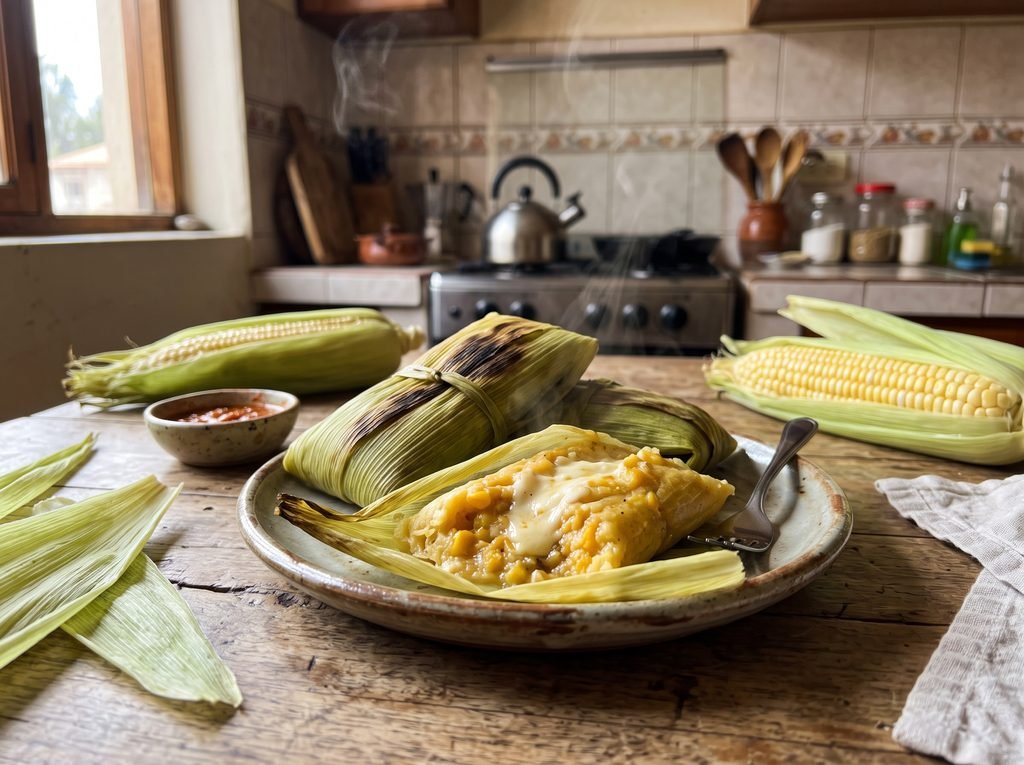
Humintas are traditional South American corn preparations closely associated with Andean cooking. Fresh corn is normally ground or grated into a moist mixture and cooked in or with corn husks. Ingredients and cooking methods change considerably between countries, regions, restaurants, and families.
The municipal tourism authority of La Paz describes Bolivian huminta as a corn-based preparation using ingredients such as corn, cheese, anise, sugar, raisins, salt, and corn leaves in one traditional version. Bolivia also has different cooking styles, including humintas cooked in a pot or oven.
In northern Argentina, humita can be prepared either in a pot or wrapped inside corn husks. Argentina’s official tourism information describes one version using grated fresh corn, squash, cheese, onion, pepper, basil, paprika, cumin, and other seasonings.
That means there is no single recipe you should expect everywhere.
A Bolivian huminta from a family-run bakery may taste very different from an Argentine humita served at a restaurant. Neither is automatically more authentic. They can simply belong to different culinary traditions.
Best Humintas Near Me: 9 Practical Ways to Find Them
Finding great humintas is easier when you search by the food’s culture and alternative names instead of relying only on the exact phrase best humintas near me.
1. Search Several Spellings, Not Just “Humintas”
Start with the exact phrase best humintas near me, but do not stop there.
Try these searches:
- Humintas near me, humitas near me, Bolivian huminta near me, humita en chala near me, Bolivian restaurant near me, Andean restaurant near me, South American bakery near me, and Bolivian food near me.
This simple change can reveal places that your first search misses.
The spelling difference matters because Bolivia commonly uses huminta, while humita is used across Argentina and elsewhere in South America. Historical and modern descriptions also show that the dish appears in several Andean countries rather than belonging to one standardized recipe.
Restaurant owners may also list the dish in Spanish without translating it, so checking both singular and plural forms can help.
2. Look for Bolivian and Andean Restaurants First
If you specifically want Bolivian-style humintas, a Bolivian restaurant, café, bakery, or grocery store is one of the most logical places to begin.
Do not assume every Latin American restaurant will offer them. A Mexican restaurant, for example, may specialize in tamales but not humintas. The dishes may look similar because both can involve corn and husks, yet their ingredients and preparation traditions are different.
Bolivian tourism information confirms that huminta remains part of regional food culture. The official tourism information for Cliza in Cochabamba, for example, highlights a local fair connected with huminta and other traditional foods.
Search restaurant menus before making a trip. If the menu does not mention huminta, calling or messaging the business can save time because some restaurants prepare traditional foods only on particular days.
3. Check Photos Before Choosing a Place
Restaurant photographs can tell you quite a bit before you order.
Look for photos showing the actual huminta rather than only exterior restaurant shots. A traditional husk-wrapped version should usually show the corn preparation enclosed in corn leaves, though baked and pot-cooked versions also exist.
Pay attention to the inside of the huminta if customers have uploaded photos. You generally want it to look moist and tender rather than dry or crumbly.
Do not judge authenticity from appearance alone. Regional recipes are different. Some humintas are pale yellow, while others can appear deeper yellow or orange because of the corn, seasonings, cheese, or other ingredients.
Photos are most useful for answering practical questions: Does the restaurant actually serve the dish? What size is it? Is it wrapped in corn husks? Does it contain visible cheese? Is it presented as a snack, side, or full meal?
Those details can help you decide whether a place offers the style you want.
4. Read Recent Reviews Carefully
Reviews can help, but star ratings alone are not enough.
Look for recent reviews mentioning huminta, humitas, corn, cheese, fresh, homemade, or Bolivian food. Reviews that discuss the specific dish are more useful than a general statement such as “great restaurant.”
Freshness can matter because humintas are strongly based around the taste and texture of corn. A good description from a customer may tell you whether the huminta was served warm, whether the cheese was noticeable, and whether the texture was soft or overly dry.
However, remember that reviews are opinions. One customer may prefer sweet humintas while another expects a savory version.
A complaint that a huminta was sweet does not necessarily mean it was made incorrectly. Traditional preparations can include sugar, raisins, or other sweet elements. Bolivian sources document recipes containing both sugar and cheese, and some versions include raisins and anise.
5. Ask Whether the Humintas Are Sweet or Savory
This is one of the most useful questions to ask before ordering.
Humintas can range from clearly savory to mildly sweet, and ingredients vary from recipe to recipe.
A savory version may contain cheese, onion, peppers, herbs, or spices. A sweeter version may use sugar, cinnamon, anise, raisins, or a combination of sweet ingredients and cheese.
Argentina’s official tourism description of humita shows how savory regional versions can include corn, squash, cheese, onion, pepper, basil, paprika, and cumin. Bolivian sources describe versions using fresh cheese along with sugar, anise, or raisins.
Neither style is universally “better.” It depends on what you want.
If you dislike sweet-and-savory combinations, ask before ordering. If you are trying humintas for the first time, knowing the style prevents you from judging a traditional preparation against the wrong expectation.
6. Ask How They Are Cooked
The cooking method can noticeably change the final texture.
You may encounter humintas a la olla, meaning pot-cooked humintas, as well as oven-baked versions. Traditional sources from Bolivia document both preparations. One Bolivian recipe describes humintas cooked with steam inside a pot, while another describes oven versions and corn-husk-wrapped preparations.
Pot-cooked or steamed humintas tend to retain plenty of moisture. Oven-baked versions may develop a slightly firmer surface and a different texture.
You might also encounter grilled or reheated versions depending on the establishment.
Rather than deciding that only one method is authentic, choose according to your preference. If you like softer food, ask about steamed or pot-cooked humintas. If you prefer a firmer or more roasted finish, a baked version may appeal more.
What Should a Good Huminta Taste Like?
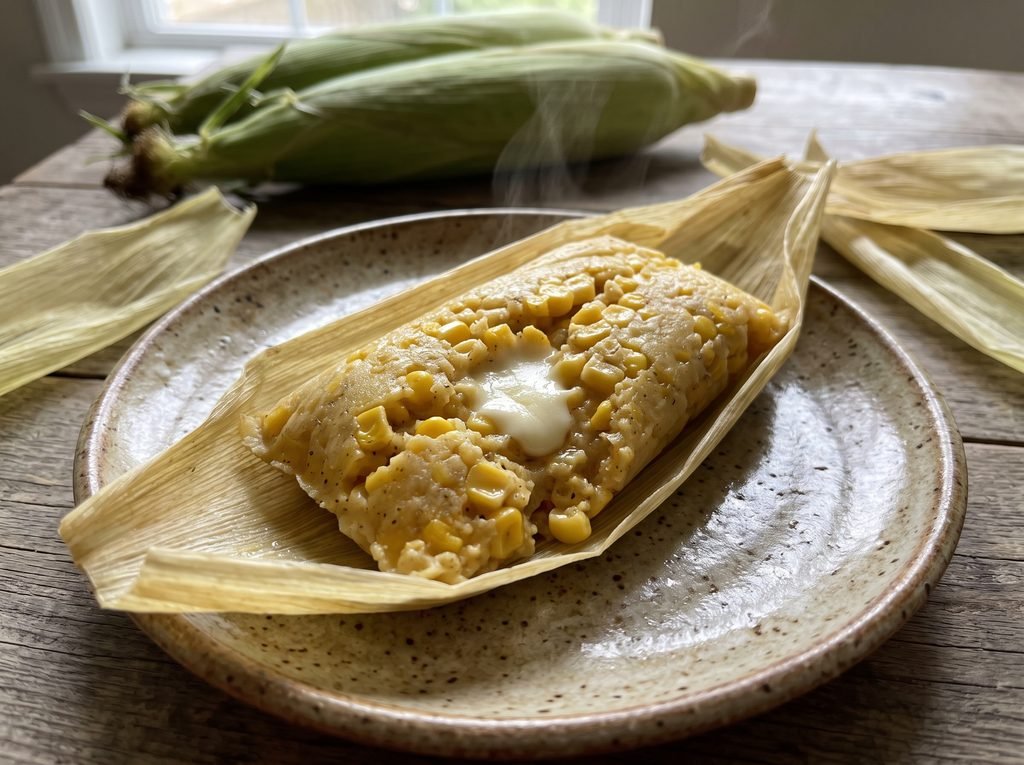
Fresh corn should remain one of the main flavors.
The texture can vary by regional recipe, but the dish should normally feel intentionally moist and tender rather than unpleasantly dry. The corn mixture should also hold together enough to eat comfortably after the husk is opened.
Cheese is common in many versions, although the exact type differs. A good cheese-filled huminta may give you a salty, creamy contrast to the natural sweetness of the corn.
Seasonings should support rather than completely hide the corn.
Anise appears in documented Bolivian preparations, while other regional versions use onion, peppers, basil, paprika, cumin, sugar, cinnamon, or raisins.
Because recipes vary so widely, there is no responsible way to identify the “best” huminta simply by checking whether it contains one specific ingredient.
The better question is whether the ingredients work well together and whether the preparation matches the regional style advertised by the seller.
Huminta vs. Humita: Are They the Same Thing?
The words are closely related, but local usage matters.
Huminta is particularly associated with Bolivia, while humita is widely used elsewhere in the Andes and South America. The preparation has pre-Hispanic roots and is centered on corn, although modern recipes vary significantly by region.
In practical terms, somebody searching for the best humintas near me should search both spellings.
You may also see humita en chala, which refers to the corn mixture being enclosed in corn husks. Argentina’s government tourism page explains a version in which two corn leaves form a parcel around the preparation before cooking.
If one keyword produces no nearby results, the different spelling may reveal restaurants that were invisible in your first search.
Are Humintas the Same as Tamales?
Not exactly.
They may look similar because both can be wrapped in corn husks, but it is better to think of them as related corn-based food traditions rather than interchangeable names for one dish.
Humintas are commonly made around fresh corn. Tamales include a much wider group of preparations and often use processed corn dough or masa along with many possible fillings.
For someone unfamiliar with South American cuisine, saying that a huminta “looks a little like a tamale” can be a helpful visual comparison. It should not be treated as a precise definition.
This distinction is especially useful when searching restaurants. A place advertising tamales is not automatically offering humintas.
Where Can I Find the Best Humintas Near Me in the USA?
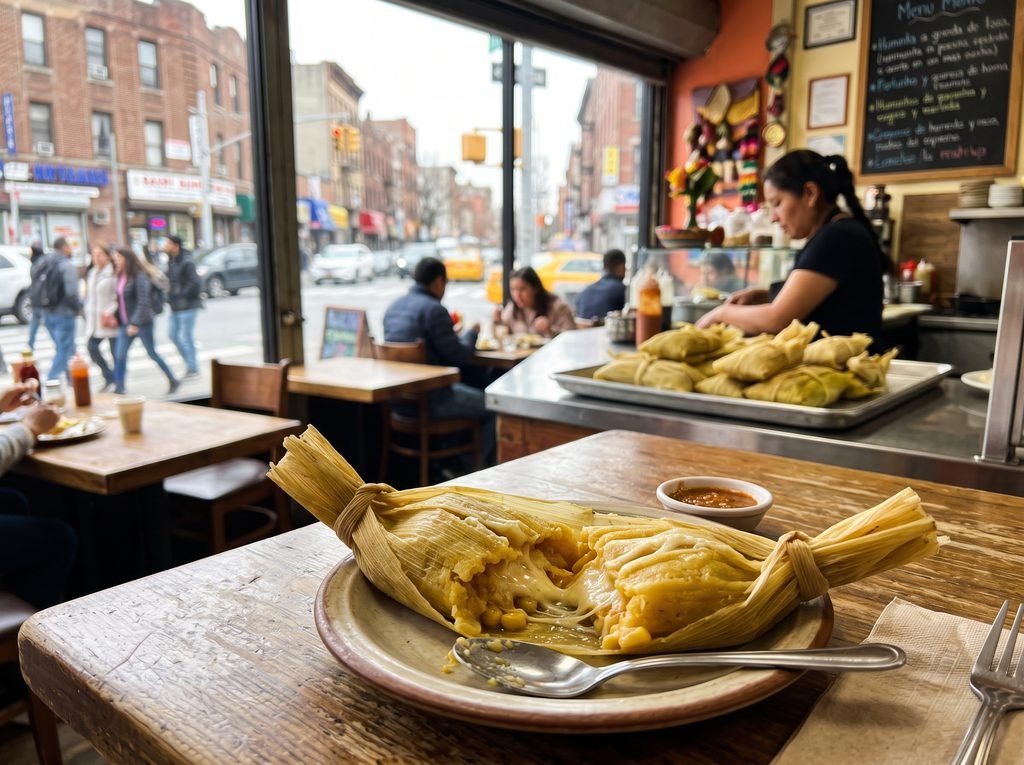
Availability in the United States varies greatly by city.
Your best searches are usually based on cuisine rather than the dish alone. Try looking for Bolivian restaurants, Bolivian bakeries, Latin American markets, Andean restaurants, South American cafés, and community food events.
Large metropolitan areas with South American communities may provide more choices than smaller towns.
Restaurant menus are also important because a business may identify the dish as huminta, humita, or Bolivian corn tamale depending on its customers.
Do not rely on an old menu screenshot. Food menus, operating hours, prices, and availability change. Check the restaurant’s current menu or contact the business before making a long trip specifically for humintas.
Finding Humintas in the UK
Humintas can be more difficult to locate in some parts of the UK because the number of specialist Bolivian establishments is smaller than the number of restaurants serving more widely represented cuisines.
Broaden your search to Bolivian food, Andean food, South American restaurant, Latin American food market, and Bolivian catering.
Local cultural festivals and food markets can also be worth checking.
The important point is not to assume that a generic “Latin restaurant” will prepare humintas. South American cuisine contains many distinct national and regional traditions, so checking menus remains essential.
If a nearby establishment makes humintas only for special events, weekends, or advance orders, contacting it directly may reveal options that do not appear on the normal menu.
Finding Humintas in Bolivia
Bolivia is naturally one of the strongest places to encounter foods sold as humintas.
Regional variation still matters.
Bolivian tourism information identifies huminta as part of local culinary culture, and festivals connected with the food continue to take place. In February 2026, for example, the Bolivian newspaper El País reported a huminta fair in Tomatitas featuring different corn-based preparations, including oven, pot-cooked, and roasted humintas.
That illustrates why asking “Which style of huminta do you serve?” can be more useful than simply asking whether humintas are available.
Markets, traditional food stalls, bakeries, cafés, and regional fairs may all produce different versions.
Finding Humitas in Argentina
Use the spelling humitas when searching in Argentina.
The country’s official tourism information particularly associates humitas with northern areas such as Salta, Jujuy, and Tucumán. The government describes the food as part of the traditional cuisine of these regions.
The style can also differ from a Bolivian huminta.
For example, an Argentine humita may include squash and a savory mixture of vegetables, herbs, and cheese. It may appear en chala, wrapped in corn husks, or a la olla, served as a thicker corn preparation from a pot.
Knowing this before ordering makes it easier to understand what appears on your plate.
What to Look for When Ordering for the First Time
Beginners do not need to know every regional recipe.
Start by asking three simple questions: Is it sweet or savory? Does it contain cheese? Is it steamed, boiled, baked, or prepared another way?
Those answers will tell you far more about your meal than a star rating.
If you have food restrictions, ask directly about ingredients as well. Cheese and other dairy products appear in many recipes. Some preparations may use butter or animal fat, while recipes can vary enough that you should not assume a huminta is vegetarian, vegan, gluten-free, or suitable for a specific allergy simply because its main ingredient is corn.
Always confirm dietary requirements with the restaurant preparing the food.
Common Mistakes When Searching for Humintas
One common mistake is searching only one spelling. That can dramatically limit your results.
Another is assuming every corn-husk parcel is a huminta. South American and Latin American cuisines contain numerous wrapped corn dishes with different ingredients and preparation techniques.
People also sometimes choose a restaurant purely because it has the highest overall rating. A highly rated restaurant may still not specialize in humintas.
For this particular search, menu evidence and reviews discussing the actual dish are more valuable than a restaurant’s general popularity.
Another mistake is expecting every huminta to taste the same. A traditional Bolivian preparation can be different from a humita made in northern Argentina. Even neighboring families may use different amounts of cheese, sugar, spice, or seasoning.
Regional difference is part of the food rather than a problem that needs to be eliminated.
Fresh Humintas vs. Reheated Humintas
Freshly prepared humintas can be particularly enjoyable because the corn mixture is warm and the cheese, when included, may still be soft.
That does not mean a reheated huminta is automatically poor quality.
Traditional foods are often prepared in batches, and sellers may reheat them for service. The more important question is whether reheating has damaged the texture.
A badly reheated huminta can become dry. A properly reheated one should still have a pleasant texture and recognizable corn flavor.
If freshness matters strongly to you, ask the seller when the next batch is prepared. Small bakeries and food vendors may be able to tell you their normal preparation schedule.
How Much Should Humintas Cost?
There is no useful universal price for humintas.
Prices vary by country, city, restaurant type, serving size, ingredients, delivery fees, and whether the food is sold individually or as part of a meal.
For that reason, a fixed “average price” covering the USA, UK, Bolivia, and other countries would quickly become misleading.
Compare current menus in your area instead.
Also check the portion before comparing two sellers. One restaurant might sell a single large huminta while another lists smaller pieces or a complete meal.
Price alone does not tell you which is better.
Can You Order Humintas for Delivery?
Sometimes.
Availability depends on local restaurants and delivery platforms. Search both huminta and humita within your preferred delivery service.
However, traditional corn dishes can change slightly during delivery because steam and condensation remain inside packaging. If texture is important to you, pickup or eating at the restaurant may produce a different experience.
Delivery menus also change frequently. Check current availability rather than assuming a restaurant still offers an item because it appeared in an older search result.
How to Find Authentic Humintas Without Falling for the Word “Authentic”
The word authentic is often used loosely in restaurant marketing.
A better method is to look for information about the style.
Does the restaurant say Bolivian, Argentine, Peruvian, Ecuadorian, or another regional tradition? Does the menu explain how the dish is prepared? Are the ingredients consistent with the style being advertised?
Remember that even traditional recipes change between households.
Official sources demonstrate considerable variation. Bolivia’s La Paz tourism information describes one corn, cheese, sugar, anise, and raisin preparation, while Argentina’s tourism authority describes versions with corn, squash, cheese, onion, peppers, basil, and spices.
So a restaurant should not automatically be considered less authentic just because its huminta looks different from one you previously ate.
What Can You Eat With Humintas?
Humintas can work as a snack, breakfast item, side, or part of a larger meal depending on the regional tradition.
Bolivian recipes and cultural descriptions sometimes pair them with tea or coffee.
Other accompaniments depend on the restaurant and country.
For a first tasting, there is also nothing wrong with eating the huminta by itself. That makes it easier to notice the corn, cheese, seasoning, texture, and sweetness without stronger foods covering the flavor.
FAQ About Finding the Best Humintas Near Me
What should I type into Google to find humintas?
Start with best humintas near me and then try humitas near me, Bolivian huminta near me, humita en chala near me, Bolivian restaurant near me, and Andean food near me. Using both huminta and humita is especially important.
Are humintas usually sweet?
Not always. Sweet, savory, and sweet-savory combinations exist. Some Bolivian recipes use sugar, raisins, anise, and cheese, while savory regional versions elsewhere may contain vegetables, herbs, spices, and cheese.
Are humintas vegetarian?
Some are, but you should ask the restaurant. Cheese is common, and certain recipes may contain butter, lard, or other fats. Recipes differ considerably.
Are humintas gluten-free?
Corn itself does not contain gluten, but you should not assume every restaurant’s huminta is safe for someone with celiac disease or a wheat allergy. Ingredients, preparation methods, and cross-contact can vary. Ask the business directly if you have a medical dietary requirement.
What is humita en chala?
It is a style in which the corn mixture is enclosed in corn leaves or husks before cooking. Argentina’s official tourism information describes the preparation using corn leaves arranged around the filling and tied into a parcel.
Conclusion
Finding the best humintas near me becomes much easier once you know what to search for. Use both huminta and humita, look beyond generic Latin American restaurants, check menus and recent food photos, and ask whether the version is sweet or savory and how it is cooked.
Most importantly, do not expect one universal recipe. Bolivian humintas, Argentine humitas, and other regional versions can differ in ingredients, seasoning, texture, and cooking method. Those differences are part of the food’s rich South American tradition.
Start with nearby Bolivian or Andean restaurants and markets, compare the actual huminta options rather than restaurant ratings alone, and contact the seller if the current menu is unclear. That approach gives you a much better chance of finding a warm, flavorful huminta that matches the style you want.